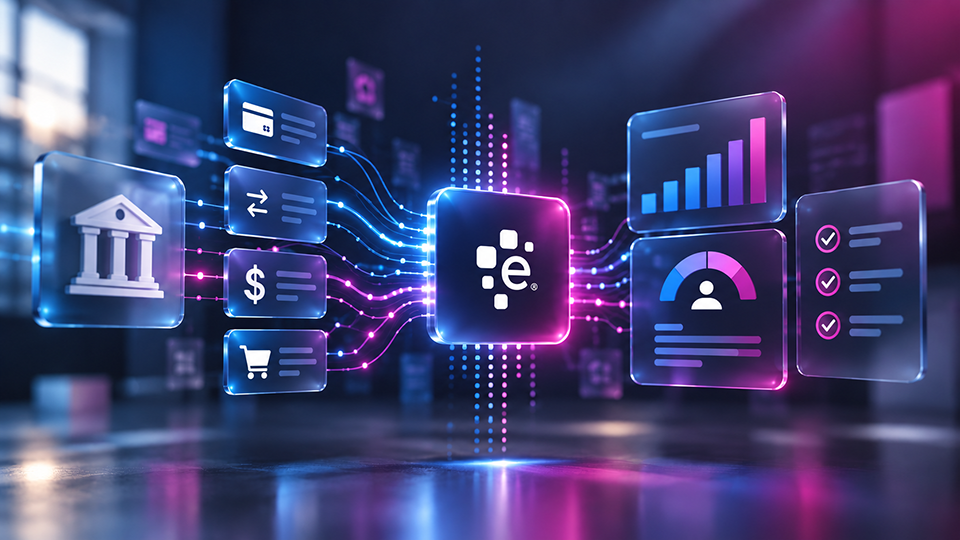
Four capabilities to consider for improved coverage and customer experience.
Identity verification during account opening is the foundation for building trust between consumers and businesses. Consumers expect a seamless and convenient experience, and with the ease and optionality of online banking, are willing to look for alternatives that offer less friction. According to Experian research, 92% of consumers feel it’s important for the businesses they deal with online to identify or recognize them on a repeated basis accurately, but only 16% have high confidence that this is happening.
The disconnect between consumers’ expectations for online identity verification and the digital experiences they encounter is leading to reduced satisfaction and increased abandonment during new account opening processes. According to recent research by Experian, 38% of consumers surveyed considered ending a new account opening mid-way through the process due to poor experience. In addition, the same research found that nearly one-fifth of consumers had moved their business elsewhere because of this.
Amidst the quest for convenience lies a pressing concern: ensuring the integrity of accounts being opened and protecting against fraud. Businesses continue to experience increasing fraud losses, Juniper Research forecasts that merchant losses from online payment fraud will exceed $362 billion globally between 2023 and 2028, with losses of $91 billion alone in 2028. Identity verification serves as the first line of defense in protecting both financial institutions and consumers. By verifying the identities of individuals before granting them access to services, businesses can mitigate the risk of identity theft, account takeover, and other forms of fraud.
Four capabilities to consider when building out an identity verification strategy
- Personally Identifiable Information (PII) data
Comparing consumer input data to a comprehensive data set helps effectively validate the consumer without disrupting customer experience. Details like name, address, date of birth, and social security number provide valuable identity information to verify identities quickly and accurately. - Identity graph
Using an identity graph leveraging advanced analytics and data linking techniques helps prevent synthetic IDs from getting through. By mapping relationships between identity attributes, you can easily identify patterns and connections within the data and detect anomalies or inaccuracies in the information provided. - Alternative data
“Thin file” consumers are often rejected due to a lack of traditional data. Using alternative data like phone ownership and email data helps not only verify that the identity is real but also improves coverage, so you are not rejecting good customers. - Document verification
Having a document verification provider that seamlessly integrates into your identity verification workflow is essential for robust identity verification. Validating good users early in the account opening process helps keep fraudsters out so good users are not subject to stringent identity checks later on during onboarding.
Next steps
A strong identity verification process builds trust by demonstrating a commitment to protecting and safeguarding consumer data. A proper identity verification workflow would minimize the impact of friction for consumers and help organizations manage fraud and regulatory compliance by examining specific business needs on a case-by-case basis. Identifying the right mix of capabilities through analytics and feedback while utilizing the best data reduces the cost of manual verification and helps onboard good customers faster.
Research conducted in March 2024 by Experian in North America