All posts by Guest Contributor

For marketers, the start of a new year is an opportunity to look ahead.

What will 2016 hold for our market and the economy in terms of demand deposit accounts

As millennials continue to experience challenges in obtaining credit, Experian’s latest research finds that this population is very receptive to nonbank lenders for the ease, speed and accessibility they provide.

Thanks to a recent announcement from the Internal Revenue Service, identity theft protection will now be considered a non-taxable benefit.
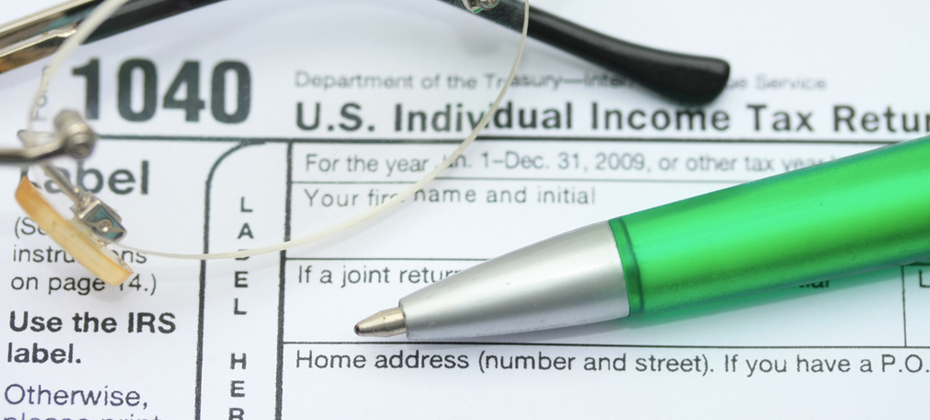
The new year has started, the champagne bottles recycled. Bye-bye holidays, hello tax season. In fact, many individuals who are expecting tax refunds are filing early to capture those refunds as soon as possible. After all, a refund equates to so many possibilities – paying down debt, starting a much-needed home improvement project or perhaps trading up for a new vehicle. So what does that mean for lenders? As consumers pocket tax refunds, the likelihood of their ability to make payments increases. By the end of February 2014, more than 48 million tax refunds had been issued according to the IRS – an increase of 5.6 percent compared to the same time the previous year. As of Feb. 28, the average refund in 2014 was $3,034, up 3 percent compared to the average refund amount for the same time in 2013. To capitalize on this time period, introducing collection triggers can assist lenders with how to manage and collect within their portfolios. Aggressively paying down a bankcard, doubling down on a mortgage payment or wiping out a HELOC signal to the lender a change in positive behavior, but without a trigger attached, it can be hard to pinpoint which customers are shifting from their status quo payments. Experian actually offers around 100 collection triggers, but lenders do not need all to seek out the predictive insights they require. A “top 20” list has been created, featuring the highest percentages in lift rates, and population hit rates. Experian has done extensive analysis to determine the top-performing collection triggers. Among the top 15 to 20 triggers, the trigger hit rate ranged from 2 to 8 percent on an average client’s total portfolio, taking into consideration liquidation rates, average percent of payment lifts, lift in liquidation rates over the baseline liquidation, percent of overall portfolio that triggered, percent of overall portfolio that triggered only on the top-selected triggers, and percent of volume by trigger on the total customers that had a trigger hit. With that said, it is essential to implement the right strategy that includes a good mixture of the top-performing triggers. The key is diversifying and balancing trigger selection and setting triggers up during opportune times. Tax season is one of those times. Some of the top-ranked triggers include: Closed-Zero Balance Triggers: This is when a consumer’s account is reported as closed after being delinquent for a certain number of days. Specifically, the closed-zero balance trigger after being delinquent for 120 days has the highest percent of payment lift over an average payment that you would receive from a customer (at a 710 percent lift rate). These triggers are good indicators the consumer is showing positive improvement, thus having a higher likelihood for collections. Paid Triggers: This is when a consumer’s account is reported as paid after being delinquent, in collections, etc. Five of the top 20 triggers are paid triggers. These triggers have good coverage and a good balance between high lift rates (100 percent to 500 percent) and percent of the triggered population. These triggers are also good indicators the consumer is showing positive improvement, thus having a higher likelihood for collections. Inquiry Triggers: This is when a consumer is applying for an auto loan, mortgage loan, etc. The lift rates for these triggers are lowest within the Top 20, but on the other hand, these triggers have the highest hit rates (up to a 33 percent hit rate). These triggers are good indicators consumers are seeking to open additional lines of credit. Home Equity Loan Triggers: These triggers indicate the credit available on a consumer’s home equity loan. They are specifically enticing to collectors due to the fact that home equity lines of credit are usually larger than your average credit on your bank card. The larger the line of credit, the more you are able to potentially collect. To learn more about collection triggers, visit https://www.experian.com/consumer-information/debt-collection.html

What is the true fraud cost? We must be vigilant and keep our acceptable fraud rate at zero

Consumer credit card debt reached $650 billion in Q3 2015 — the highest level since Q4 2009.

As 2016 approaches, many people have identified their New Year’s resolutions, but the majority fail to stick to these resolutions. While 45% of people make resolutions, only 8% are successful in achieving their goals. The most common resolution types:* To increase the likelihood of keeping resolutions, experts recommend setting small, attainable goals and regularly tracking progress. *Total is higher than 100% because of multiple resolutions >> New Year's Resolution Statistics
According to PlayNetwork.com, for the first time in two decades Mariah Carey’s “All I Want For Christmas Is You” is no longer the most-played holiday song in retail stores. The list of top songs includes: Rank Artist Title 1 The Shins Wonderful Christmastime 2 Mariah Carey All I Want For Christmas Is You 3 Christina Aguilera Christmas Time 4 Waitresses Christmas Wrapping 5 Jack Johnson Someday At Christmas 6 Kelly Clarkson Underneath the Tree 7 Michael Buble A Holly Jolly Christmas 8 Bing Crosby White Chistmas 9 Train What Christmas Means To Me 10 Ella Fitzgerald Have Yourself A Merry Little Christmas >> Top 20 Songs Heard by Holiday Shoppers

Millennials, now the largest generation in the United States, are taking longer to establish credit than earlier generations of young people.
Experian data shows consumers are more confident managing their credit since the recession. The Q3 2015 Experian Market Intelligence Brief was released today featuring data that highlights consumer credit card debt has now reached its highest level since Q4 2009. Credit card debt levels reached $650 billion in Q3 2015, the highest it has been since Q4 2009 when it was $667 billion. Credit card delinquency rates on outstanding balances 60 or more days past due have decreased 71 percent during the same time period. Combining those indicators with the national unemployment rate dropping 50 percent during the same span illustrates a positive economic outlook on credit card trends among lenders and consumers. “Overall credit card limits have increased 102 percent since Q4 2009 with $82 billion originated in Q3 2015,” said Kelly Kent, vice president of Experian Decision Analytics. “The increase in limits from lenders and the steady climb in credit card debt combined with exceptional delinquency rates signals greater confidence among consumers as they are showing more assurance in managing their credit since the recession. We expect to see credit card debt increase in Q4 based on historical seasonal trends driven by the holiday shopping season especially with the early positive holiday sales as a sign.” The Q3 2015 Experian Market Intelligence Brief report is now available.

According to the latest Experian State of the Automotive Finance Market report, leases accounted for nearly 27% of all new vehicle transactions in Q3 2015, up from 24.7% the previous year and the highest percentage on record.

To improve the customer experience during the busy holiday shopping season many businesses loosen their fraud criteria.

As the electronic signature industry matures and acceptance of e-signatures increases, so does the need for more robust, flexible options in authentication.
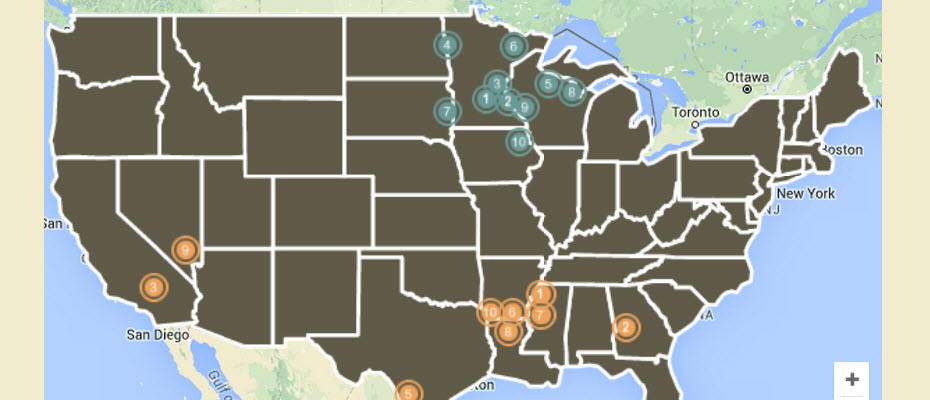
Experian® recently released the 2015 State of Credit report, which analyzes key credit metrics across the nation.