Tag: vehicles in operation

Conversations about rising auto loan balances and higher monthly payments has often centered around increasing vehicle prices and elevated interest rates; and while those factors have undoubtedly played a role, another important piece of the puzzle is the type of vehicles consumers are choosing to purchase. According to Experian’s Automotive Consumer Trends Report: Q1 2026, consumers are continuing to opt for SUVs over other vehicle types, a trend that may be contributing to higher average loan amounts and monthly payments. SUVs accounted for 63.5% of all new retail vehicle registrations over the last 12 months, up from 62.8% a year ago. Additionally, more than 117 million SUVs were in operation across the United States in the first quarter of 2026, making up 42.2% of the market share. At the same time, traditional passenger cars continue to fall in share, coming in at 16.5%, a decrease from 18.4% last year. As consumers increasingly gravitate towards the larger vehicle segment, it reflects the ongoing desire for versatility, cargo capacity, and family-friendly functionality. Electrification’s growing role in consumer purchasing behavior Interestingly, electrified SUVs continue to gain traction, representing 27.7% of all new SUV registrations, these vehicles include battery-electric, hybrids, plug-in hybrids, and other alternative fuel types. Diving a bit deeper, the Tesla Model Y was the market share leader for new, retail electrified SUV registrations in the last 12 months, coming in at 15.8%. Rounding out the top five were Honda CR-V (9.6%), Toyota RAV4 (7.2%), Chevrolet Trax (7.2%), and Toyota Grand Highlander (3.4%). As model availability and familiarity with the electrification segment grows, the broader adoption of these vehicles are playing an increasingly important role in vehicle pricing and overall consumer demand. While average loan amounts and monthly payments are being driven by a combination of factors such as financing costs and consumer purchasing behavior, data in Q1 2026 demonstrates the continued interest in SUVs. This suggests that the industry’s shift toward larger vehicles is likely playing a meaningful role in today’s financing environment. To learn more about SUV insights, view the full Automotive Consumer Trends Report: Q1 2026 presentation.

In Experian’s Automotive Market Trends Review: Q2 2021, we looked at the data to better understand EV and internal combustion engine registration trends.
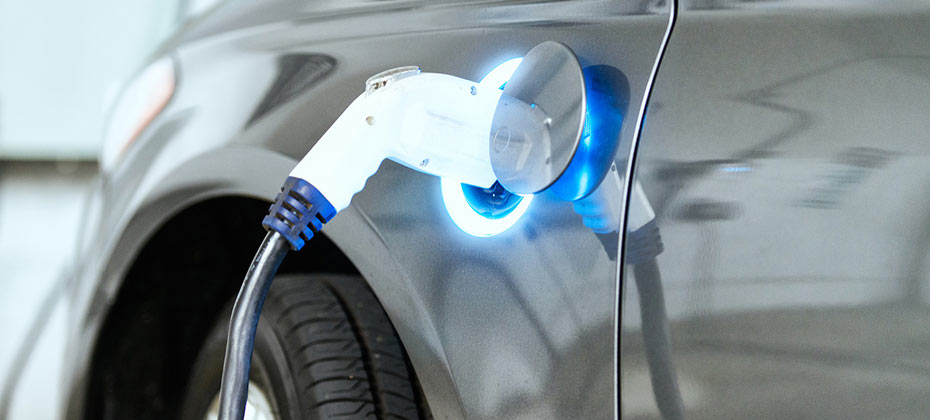
In late September, California announced a new requirement for the sale of all new passenger vehicles to be zero-emission by 2035. While that’s still 15 years away, the executive order created quite a buzz in the automotive industry, reigniting conversations about electric vehicles (EVs) and the current market penetration of the most common zero-emission vehicles. With that in mind, we wanted to take a closer look at the state of EVs—across the country and more specifically, in California—to better understand the EV market and how it’s grown over the past few years. As of Q2 2020, electric vehicles comprised just 0.312% of vehicles in operation (VIO). While EV market share seems small, there has been significant growth since Q2 2015, when they only held 0.0678% of the VIO market—meaning the growth of EVs has more than tripled (3.6x) in the last five years. But even still, other segments, such as CUVs have seen faster growth in the same time period (10% market share in Q2 2020 compared to 6.2% in Q2 2015). California sees faster EV adoption California has seen growth in EV adoption in the last decade, but it has grown exponentially in the last five years. EVs comprised 1.79% of new vehicle registrations 2015, and the percentage grew to 5.32% as of Q2 2020. Much of the growth occurred between 2017 and 2018, when market share jumped from 2.62% to 5.04% year-over-year, with the introduction of the more cost-effective Tesla Model 3. Even with that growth, California new vehicle purchases have a long way to grow to move up to 100% EV. With the popularity of the Model 3, it’s somewhat unsurprising, Tesla holds the lion’s share of the EV market in California, making up 61.9% of EVs on the road within VIO, and nationally at 64.8% share. That could potentially change down the road though. Over the next two years, numerous manufacturers have plans to introduce electric versions of popular models or introduce new EV models altogether. This not only creates competition but could also help continue to drive down vehicle cost, making EVs a more viable option for consumers. Examining costs and other factors Cost is one of the key considerations that industry experts have routinely brought up over the years as a barrier to EV adoption. While some say that maintenance and fuel are cheaper in the long run, purchasing an EV today is typically a more expensive option at the dealership. The average loan amount for an EV in California in 2019 was $40,964, compared to an average vehicle loan amount of $32,373. That said, as EV adoption has seen exponential growth in the last five years, the average price has reduced. The average loan amount for an EV in 2016 was $78,646, dropping more than $35,000 in just five years as the technology continued to mature and vehicle costs lowered. Additionally, tax incentives, particularly in California, have also helped reduce affordability concerns. Though today’s tax incentives may not be in place through 2035, California will likely need to evaluate if economic incentives are required along the way to achieving the zero-emission vehicle deadline. However, even as costs lower, there are additional challenges to be overcome. For instance, infrastructure continues to be a barrier to adoption. In a 2019 AAA study, concern over being able to find a place to charge is the top reason listed as to why respondents are unlikely to purchase an EV in the future. In addition, according to Statisa, in March 2020, the U.S. had almost 25,000 charging stations for plug-in electric vehicles, and approximately 78,500 charging outlets. Of those charging stations, nearly 30% are in California. But with continued growth of EV sales, there will be a critical need for continued infrastructure nationwide—not just in California. In addition to these considerations, many impacts of the new mandate remain unknown. California will have to navigate increased electricity demand—especially during peak hours—and increases in battery scrappage, as EVs wear out. Gas stations will need to manage a loss of revenue, while changes in fuel taxes are likely, and vehicle technicians will require new training. If increased adoption of zero emission vehicles is California’s long-term goal, this could also impact the popularity of used vehicles, which could leave dealers looking for alternative locations to sell their gasoline-powered inventory. Looking toward the future of EVs Realistically, with 15 years until the mandate takes effect, the California mandate won’t have much of an immediate effect on the industry. But it does highlight key considerations for automakers and the aftermarket moving forward. To achieve better adoption rates, automakers need to understand the barriers to success and how they impact consumer behavior. An example of this is how California has seen higher EV adoption rates as the availability of plug-in stations has increased. Continuing to find ways to lower costs and focusing on savings over the lifetime of the vehicle is will help consumers see the value of an EV. At the end of the day, automakers play a large role in moving the country toward EV adoption, so having a clear understanding of the trends can help refine strategies as we move toward an electrified future.

While the automotive industry initially took a hit at the onset of COVID-19, things are beginning to rebound. New vehicle registrations are still down compared to 2019, however, the year-over-year comparisons by month are starting to level out. And, while most of the attention has been paid to new registration figures, we can’t lose sight of the vehicles on the road. Some consumers acted to take advantage of automaker incentives and low interest rates, and others purchased due to newfound needs, but the vast majority have stuck with their current vehicle. That means, despite some bumps over the past few months, opportunity for the aftermarket and dealer service departments to thrive by keeping these vehicles on the road still exists. It starts with understanding what’s on the road. Insight into these vehicles will better position aftermarket suppliers and repairs shops to perform scheduled maintenance and address the needs of drivers. According to Experian’s Q2 2020 Market Trends Review, there were 280.6 million vehicles in operation, up from 278.1 million a year ago. Of those vehicles on the road, light-duty trucks accounted for 56.5%, and passenger cars made up the remaining 43.5%. So, there’s little surprise that the top three segments on the road were full-sized pick-ups (16%), CUVs (10%) and mid-range cars (9.9%). And if we break it down even further, the top three brands were Ford (15.5%), Chevrolet (14.3%) and Toyota (12.1%). But we understand that not all 280.6 million vehicles will need aftermarket parts or service; it’s important for the industry to keep a close eye on the aftermarket “sweet spot”—those vehicles that are six- to 12-years old. Identifying these vehicles and anticipating their maintenance needs will help aftermarket suppliers navigate the recovery. In Q2 2020, 31.2% (87.6 million) of vehicles in operation fell within the “sweet spot”—with a mix nearly 46% domestic and 54% import brands. And while the opportunity today is significant, we expect the “sweet spot” to continue to grow for at least the next four years. To make the most of the opportunity, aftermarket suppliers need to understand where these vehicles are located, what types of vehicles fall within the sweet spot and the most common parts that are used. COVID-19 has shifted the industry for all parties involved. Some consumers may opt to hold onto their vehicles a little bit longer rather than purchase a vehicle; only time will tell. In any event, the more aftermarket suppliers and repair shops understand about the vehicles on the road, the better positioned they will be to address the needs of consumers and grow business. To view Experian’s full Q2 2020 Market Trends Review, click here.

Essential personnel and organizations are working tirelessly to deliver food and other resources, not to mention, protecting the health and safety of those around us. These vehicles still require proper maintenance and care to ensure they run smoothly. That’s where the automotive industry can help.

In the past 10 years, consumers begin purchasing convertibles as early as March.
Electric vehicles have 2.08 percent of total VIO share through September 30, 2019

The demand for muscle cars with greater fuel and maintenance practicality has led to the increase in volume of 4-cylinder vehicles on the road.

Findings from Experian’s Q4 2018 Automotive Market Trends Analysis show that CUVs continue to stand out as a segment to watch within the auto industry.

Alternative fuel vehicles have maintained a steady demand over the past few years. But, there’s a specific segment that’s beginning to emerge.

A closer look at the data shows GM’s losses might not be particularly significant, despite the announcement of discontinued models.

Trivia question: Millennials don’t purchase new vehicles. True or False?
The number of vehicles in operation (VIO) has jumped 5.7 million, going from 265.3 million in Q3 2016 to 271 million in Q3 2017.