Loading...

What 2026 consumer insights mean for marketers

Published: December 11, 2025 by Experian Marketing Services

At A Glance

2026 marketing trends reveal that people will spend more intentionally, prioritize value and simplicity, and expect personalization that’s transparent and privacy-first. Omnichannel journeys and micro-moments will shape how they shop, with generational differences influencing trust and digital expectations. Experian helps marketers respond with privacy-first identity, high-quality audience intelligence, and omnichannel activation that drive relevant and measurable performance.

The 2026 consumer is reconsidering how they want to engage with businesses. Research from Nielsen anticipates that in 2026, people will spend more intentionally, think more critically, and expect more from the brands they invite into their lives. They want clear value, marketing experiences that make decisions easier, and personalization that respects their privacy and improves the moment they’re in.

This change has big implications for marketers. Winning in 2026 will require understanding the motivations, concerns, and trust drivers behind consumer behavior. This means embracing a privacy-first identity foundation, deep audience intelligence, high-quality and ethically sourced data, omnichannel activation, and measurement that closes the loop across channels.

Below, we break down consumer shifts shaping 2026 and how you can translate them into practical strategies for 2026.

How will consumer behavior change in 2026, and how should marketers respond?

Consumers are going into 2026 feeling deeply cautious. According to 2026 consumer outlook data, 32.8% of global shoppers say they’re financially worse off than last year, and 73% of those consumers cite rising cost-of-living pressures as the reason.

Ultimately, people are spending, but they’re directing most of their dollars toward core categories like food, health, and household care. That mix of caution and restraint is shaping what they want from brands: clear value, relevant personalization, and simple, low-effort experiences that make choices feel easier and worthwhile.

Want more details on how consumer caution shaped the peak buying season in 2025? Explore our 2025 Holiday spending trends and insights report for insights that can set the foundation for your 2026 strategy.

Here are the consumer trends we expect to shape decision-making most in 2026 and how Experian can help you adapt.

Economic stability will outweigh values

Consumers are prioritizing the realities of their household budgets going into 2026. Global consumer research shows that environmental concerns fell from the #4 global worry to #9 in 2025, while financial pressures and geopolitical issues moved to the top of the list.

People still care about brand values, but economic stability is becoming a stronger driver behind how they decide what to buy, where to shop, and which brands they trust. Consumers want brands to be responsible, fair, and transparent, but they also expect brand values to align with their financial reality.

InsightData point
Consumers who feel financially worse off than last year32.8%
Of those, consumers citing cost-of-living pressures73%
Environmental concerns falling in priority (2024 to 2025)#4 to #9 in top global worries

Source: Consumer Outlook: Guide to 2026

For your marketing, this means shifting from broad value messaging to audience-specific offers tailored to each group’s financial situation, understanding:

  • Who feels financially stretched
  • Who still has spending flexibility
  • Who is shifting habits subtly (frequency, basket size, channel choice)

How marketers should respond to this trend

Experian helps brands read financial signals with accuracy. Using generational segments, income bands, lifestyle indicators, and geo-indexed audiences, you can distinguish between:

  • Value-seeking shoppers who prioritize stretch, savings, and reliability
  • Higher-income households motivated by sustainability, wellness, or premium experiences
  • Multigenerational families with diverse influencers and decision drivers
  • Urban vs. suburban households with different price sensitivities and convenience factors

Paired with Experian’s privacy-first identity graph, your brand can activate audiences aligned with consumer insights across commerce media networks (CMNs), connected TV (CTV), social platforms, and programmatic channels using curated private marketplaces (PMPs). This ensures your messaging reflects the financial realities of consumers in 2026. Experian’s predictive insight capabilities also help forecast shifts in financial mindset, enabling you to anticipate change instead of reacting to it.
Four consumer trends to watch in 2026

As financial caution shapes everyday choices, the next question becomes how to remove friction and deliver value in ways that feel simple, relevant, and worth the spend.

Consumers will prioritize value, simplicity, and relevance

With everyday expenses still weighing on households, people will likely simplify their shopping habits in 2026. They want brands to make decisions easier, save them time, and offer clear value without extra effort.

Instead of wading through endless choices or chasing promotions, shoppers are responding to experiences that feel straightforward and trustworthy, with:

  • Transparent pricing
  • Clear benefits
  • Recommendations aligned to budget and needs
  • Frictionless decision paths

For your brand, it’ll be essential to deliver carefully crafted and targeted messages at the right moment, rather than overwhelming consumers with excessive messaging. Experian helps you pinpoint what value looks like for different audiences and tailor relevant experiences.

How marketers should respond to this trend

To meet consumers’ demand for value and simplicity, you’ll need to understand what “easy” and “worth it” mean to each audience before you activate a campaign. Experian enables this by identifying the moments, motivations, and household realities that shape how people simplify decisions.

Using Experian’s lifestyle indicators, category affinities, geo-indexed spend patterns, and financial mindset segments, you can quickly pinpoint:

  • Which audiences want streamlined choices (e.g., fewer SKUs, clearer value cues)
  • Which shoppers expect premium quality without complexity
  • Which households prioritize speed and convenience over price
  • Which consumers prefer digital-first journeys vs. in-store simplicity

Then, through Experian’s privacy-first identity graph, you can reliably reach these audiences across CMNs, CTV, social, and digital environments with:

  • Product recommendations that reduce decision fatigue
  • Promotions tuned to value drivers
  • Creative that matches each audience’s expectations for ease
  • Consistent messaging that aligns across all channels

Experian’s AI-powered simplicity helps reduce manual effort in this process, enabling your team to uncover opportunities, streamline workflows, and focus more time on strategy and outcomes. And as Experian continues to explore agentic workflows, you’ll be able to move from manual audience setup to intelligent audience discovery — enabling strategies you may not have considered before.

Once you’ve simplified the experience, consumers will expect the next layer of relevance: helpful, respectful personalization grounded in the data they choose to share.

People want personalization on their terms

According to Qualtrics’ 2026 Consumer Experience Trends Report, consumers still want personalization going into 2026, but they expect it to happen on their terms:

InsightData point
Prefer personalized experiences64%
Say benefits outweigh privacy trade-offs39%
Feel uncomfortable with many data-driven personalization tactics32%

Source: 2026 Consumer Experience Trends Report

First-party data is now the foundation of meaningful, privacy-first engagement. Consumers are far more willing to share information when the value exchange is obvious and when they feel in control of how that data is used. They expect brands to:

  • Use only necessary data
  • Explain how personalization improves the experience
  • Offer easy preference controls
  • Demonstrate transparent, privacy-first data practices

As your brand lives up to these expectations, trust grows, and consumers become more willing to share the first-party data you need for impactful, privacy-centric personalization in 2026.

Experian helps you meet these needs with Audience Engine, a self-service activation tool that enables you to quickly and accurately view and activate your first-party data and partner segments across 200+ platforms without high operational overhead. And when you need deeper insight, it also connects 3,500+ syndicated audiences and 20+ trusted third-party providers, so you can enrich your first-party data with privacy-safe insights.

This includes Experian’s most recent 2025 Syndicated Audiences release, which adds 400+ updated segments — including 62 Auto Loyalists — giving you a more granular, privacy-safe view of shifting values, lifestyle preferences, and intent signals for 2026. These segments break out characteristics by generation, income, gender, and urbanicity, so your brand can analyze where demand is rising and how behaviors differ across audience groups.

For example:

  • An automaker can target Auto Loyalists: Acura with model-specific offers
  • A luxury brand can activate Auto Loyalists: Alfa Romeo and adjust messaging by income band, age, urbanicity, or lifestyle

Used together, first-party data and enriched syndicated audiences allow you to personalize responsibly, target more effectively, and respond to 2026 consumer expectations while respecting their privacy wishes.

How marketers should respond to this trend

The future of personalization in 2026 is first-party and zero-party data, supported by a trustworthy identity framework.

Experian enables this through:

  • Identity resolution connected to 95% of U.S. households
  • Privacy-first activation across digital, CTV, and CMNs
  • Data modernization that maintains accuracy and compliance
  • Responsible automation that delivers high-performance, human-centered personalization consumers want in 2026
  • Mosaic® USA, our household-level consumer classification system that provides a privacy-safe view of lifestyles and preferences so you can apply personalization intelligently across channels
  • Audience Engine, which lets you activate and enrich your first-party data for richer, permission-based insights
  • Marketing Attributes, which gives you access to thousands of demographic, behavioral, lifestyle, financial, and interest characteristics

As soon as your brand earns permission to personalize, the next expectation is to apply that personalization across channels.

Omnichannel behavior and real-time micro-moments will define how people shop

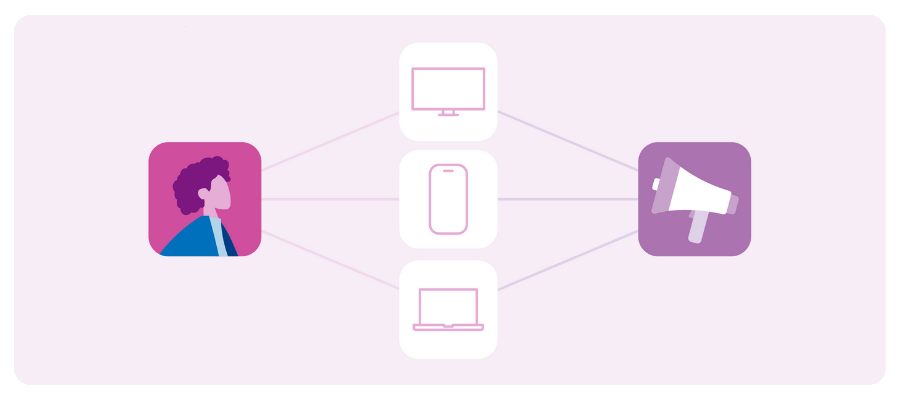
Consumers don’t differentiate between channels anymore. They want a seamless, cohesive shopping journey. Consumer buying trends indicate that people are shopping more frequently but purchasing fewer items per trip. This suggests more small, mission-driven decisions, often triggered by digital or mobile discovery.

Four consumer trends to watch in 2026

As shoppers move fluidly between mobile, in-store, CTV, and social platforms, they rely on time-saving cues, simple comparisons, and contextual recommendations instead of complex decision-making processes. CMNs now influence choices across the digital shelf, in-store screens, and publisher networks, blurring the lines between media and commerce. Speed also matters; anything longer than next-day delivery reduces the likelihood of a purchase.

These behaviors create more micro-moments: quick, intent-driven decisions shaped by life stage, financial mindset, household composition, real-time signals, and micro-behaviors like quick trips, small-basket missions, and mobile search checks. Meeting consumers in these moments requires contextual relevance, not broad targeting.

How marketers should respond to this trend

Experian helps you act on omnichannel and micro-moment behavior by unifying identity and audiences across:

  • CMNs
  • CTV
  • Social platforms
  • Programmatic partners
  • Retail media publishers
  • In-store digital environments

Meanwhile, our audience assets give you the contextual accuracy these moments demand with:

  • Geo-indexed spenders to understand financial posture and neighborhood patterns
  • Generational household segments to reflect digital comfort and shopping rhythms
  • Lifestyle and interest indicators aligned to real-life needs
  • In-market and behavioral signals to reach consumers at the moment intent appears

With privacy-first identity resolution anchoring it all, your brand can deliver consistent sequencing, informed personalization, and accurate measurement across channels. This is essential when omnichannel is the expectation and micro-moments decide who wins the sale.

As these real-time behaviors shift, generational differences will further shape how consumers navigate channels, interpret value, and decide which brands earn their loyalty.

What’s new with Experian Marketing Data?

Explore hundreds of new and updated segments now available — auto, income, lifestyle, spend, TV, and more.

How are generational shifts shaping 2026 consumer behavior?

Generational dynamics are also likely to play a significant role in how people discover, evaluate, and buy in 2026. While every age group is prioritizing value, simplicity, and trust, they express these priorities differently.

Experian’s Syndicated Audiences updated for November 2025 include 61 new demographic segments — broken out by generation, income band, gender, and urbanicity — to help you reach each group with accuracy. These segments are informed by decades of responsible automation and predictive modeling, giving you a clearer view of how each group behaves, even as signals shift.

For example, a retail brand can use the Gen X Dual-Income Households segment to reach value-driven, digitally engaged shoppers, while another brand might activate Millennial Urban Professionals to tailor offers based on lifestyle, income, or urbanicity.

Here’s how key generations will shape buying and the Experian segments that can help you act on these customer insights.

Gen Z expects transparency, authenticity, and digital ease

  • Values: Transparency, authenticity, responsible data use
  • Digital behavior: Always-on, mobile-first, social and creator-influenced
  • Decision drivers: Trust, clarity, seamless digital experiences
  • Relevant Experian segments: Gen Z Urban Households, Gen Z Renters

Millennials seek value alignment, financial flexibility, and reliability

  • Values: Fair pricing, quality, reliability
  • Digital behavior: Efficiency-focused omnichannel shoppers
  • Decision drivers: Time savings, cost relief, trust
  • Relevant Experian segments: Millennial Urban Professionals, Millennial Parents

Gen X is increasingly digital, highly value-conscious, and loyal

  • Values: Reliability, clarity, long-term value
  • Digital behavior: Digitally engaged but friction-averse
  • Decision drivers: Practicality, stability, predictable service
  • Relevant Experian segments: Gen X Dual-Income Households

As these generational differences shape how people discover, evaluate, and buy, one theme unites every age group: trust now determines whether a brand earns attention, data, and loyalty. With today’s consumers scrutinizing how their information is used, that trust might just be what helps you succeed in 2026.

Why is trust the new currency in data-driven marketing?

In 2026, trust will differentiate the brands that flourish. Consumers want:

  • Clear data practices
  • Transparent value exchanges
  • Confidence that brands are honoring their preferences

And as signals decline, first-party data strategies supported by privacy-first identity resolution and responsible automation have become the reliable, transparent foundation for trust-driven marketing.

Experian’s long-standing focus on data accuracy, modernization, and compliance — from quarterly releases and updates to our twice-yearly attribute retirement process — ensures you activate with the most current, ethical, and regulation-aligned data available. These practices strengthen consumer trust and drive more accurate targeting, better match rates, and measurable performance across channels.

This focus on accuracy, governance, and transparency also underpins Experian’s approach to ethical AI, ensuring innovations serve people first while giving you confidence in every decision.

How can marketers apply 2026 consumer insights today?

As trust becomes the deciding factor in whether consumers engage, share data, or stay loyal, marketers need clear ways to operationalize that trust. Fortunately, the insights shaping 2026 translate directly into practical actions your team can take right now.

Here’s where you can start:

  • Audit your first-party data strategy and CRM hygiene
  • Invest in scalable, privacy-first identity resolution
  • Tailor messaging to financial attitudes, not just demographics
  • Use Experian’s audience segments to match consumer values, generational traits, and urbanicity
  • Build journey-based activation across mobile, CTV, social, and CMNs
  • Implement measurement and closed-loop analytics so every activation feeds intelligence back into planning
  • Evaluate where predictive insight and responsible automation can reduce manual work and improve outcomes

With Experian, you can reach the right people with the right message at the right moment with accuracy they can trust. Teams gain the predictive insight and responsible automation needed to act on these shifts at scale.

Looking for more insights into the year ahead?

If you’re planning for 2026, consumer behavior is just the starting point. Experian’s 2026 Digital trends and predictions report takes you deeper into the forces reshaping marketing —from AI moving from hype to implementation and the evolution of commerce media beyond retail.

What role does Experian play in helping brands activate data-driven marketing?

As you put these 2026 consumer insights into practice, the challenge becomes turning strategy into scaled, privacy-safe execution. Experian’s data, identity, and activation infrastructure can make the difference:

  • Identity as the foundation: Connect first-party data to 95% of U.S. households for a unified, privacy-first view.
  • Privacy-first activation: Engage audiences safely across every channel with compliant targeting.
  • Actionable data depth: Combine demographic, behavioral, contextual, and household-level attributes to enrich insights.
  • Omnichannel reach: Activate at scale across CTV, CMNs, social, programmatic, and in-store environments.
  • Closed-loop measurement: Tie exposure to outcomes across channels, enabling more effective optimization and continuous improvement.

These capabilities provide your brand with the clarity, confidence, and control necessary for future success — powered by Experian’s human-centered approach to AI, which combines privacy-first clarity, predictive insight, AI-powered simplicity, real-time intelligence, and transparent innovation to deliver trust, accuracy, and measurable performance in 2026.

Build your 2026 strategy with data you can trust

Those who win in 2026 will be the ones who turn shifting consumer behavior into actionable intelligence rooted in trusted identity, accurate data, and measurement that proves what works. With economic caution shaping decisions, rising privacy expectations, and omnichannel journeys becoming the norm, brands that invest now in a strong data and identity foundation will be the ones that stay visible, relevant, and resilient.

Experian gives you that foundation by unifying identity, high-quality data, activation, and closed-loop measurement through a human-centered approach to AI. With privacy-first clarity, predictive insight, AI-powered simplicity, real-time intelligence, and transparent innovation, Experian helps you understand your audiences deeply, reach them responsibly, and adapt in real time as the market evolves.

2026 is coming fast. Now’s the moment to build a high-performance strategy.

Connect with us

This site is protected by reCAPTCHA and the Google Privacy Policy and Terms of Service apply.


FAQs

What are the biggest consumer trends for 2026?

The biggest consumer trends for 2026 revolve around intentional spending, value-conscious choices, low-effort experiences, and personalization that feels transparent and trustworthy. Consumers are cautiously optimistic but still managing tight budgets, prioritizing essentials, and gravitating toward brands that simplify decisions with clear value and relevant experiences that meet them across channels. Personalization remains a differentiator when it’s rooted in responsible data use and clear benefits.

How can marketers use 2026 consumer insights to drive next year’s strategies?

You can use 2026 consumer insights to identify your highest-opportunity audiences, match your messaging and offers to their financial reality and values, and build journey-based activation across channels instead of working in silos. Experian’s identity graph and audiences help you connect online and offline behavior into a single, actionable view.

How does Experian’s identity graph help marketers in 2026?

Experian’s identity graph helps marketers in 2026 by providing a privacy-first, unified view of consumers across channels, connecting first-party data to 95% of U.S. households. This allows you to recognize individuals and households accurately, enrich their data with reliable attributes, and activate personalized experiences across digital, CTV, and CMNs with confidence.

The result is better targeting, higher match rates, and more consistent, relevant engagement at every touchpoint. All of this is further strengthened by Experian’s human-centered approach to AI, which enhances clarity, accuracy, and real-time relevance.

What is “privacy-first” marketing, and why is it important in 2026?

Privacy-first marketing uses consumer data responsibly and transparently to improve the customer experience. In 2026, consumers still want personalization but are more selective about how their data is used.

With privacy-first marketing, you build trust by explaining why data is collected, giving people control, and personalizing only with consented, high-quality data. Experian supports this through our Responsible Data Practices, which prioritize fairness, accuracy, transparency, security, and inclusion.


Latest posts

Loading…
How to create a powerful marketing targeting strategy with Super Users

In our last few blog posts, we’ve talked about customer segmentation and different ways to segment your target audience into smaller chunks like demographic and psychographic segmentation to connect with the right people. Customer segmentation enables marketers to focus their marketing efforts on their target customers, improving their marketing targeting strategy. But what if there was a subset of users that had an even bigger impact when targeted? Enter Super Users – the strategic players who can give your ROI numbers a major boost! It may take some trial-and-error testing to pinpoint these super segments accurately, but knowing how these key individuals interact is essential for any successful marketing targeting strategy. What is a Super User? As technology progresses and media consumption grows, a unique group is rising to the top. Activate Consulting's Technology & Media Outlook 2023 found that Super Users are powering the digital world, with a strong presence across all major media and technology verticals. This select crowd is made up of young, educated individuals who lead affluent lifestyles – spending more time and money than any other user group! Why should you add Super Users to your marketing targeting strategy? Super Users are a highly influential audience with the potential to drive major business growth. They stand out from other users in their commitment and dedication across four key areas: Time spent with media Spend Technology and media adoption Emerging eCommerce behaviors “Over the next years, the imperative for technology and media companies will be to identify, reach, and super-serve Super Users – the single group of power users whose time and spend far surpass those of other users.”Activate consulting's technology & media outlook 2023 You can use Super Users as a subset of your marketing targeting strategy. While you may need to reach beyond Super Users to achieve your goals, it’s worthwhile to consider: Targeting them separately Spending more on media Reaching them at a higher frequency Time spent with media Super Users make a powerful impact, despite comprising only 22% of the U.S. population. They are incredibly influential in terms of media consumption and engagement – spending more than double the amount of time interacting with content compared to other users. Inclined to multitask Super Users take multitasking to the next level. Not only do they spend more time with electronics, but they excel in the art of juggling multiple activities. While watching videos and playing video games on one device, Super Users might also be busy engaging with social media on another. This makes them an unstoppable force when it comes to getting the most out of their digital experiences! High share of dollar spend Super Users are big spenders when it comes to media, particularly in gaming and music. Compared with all other users, Super Users' average video spend is close to triple the amount ($76 vs $27). However, their biggest increases come from gaming and music; they're collectively spending 12x more on games and shelling out 21x as much for tunes! With 60% of eCommerce spend coming from Super Users, they are driving the industry forward with their enthusiasm and willingness to test out cutting-edge shopping trends like buying through social media, live streaming purchases, and trying on products virtually. Super Users are setting the tone for this dynamic industry. Technology and media adoption Most Super Users are brand advocates. They’re trendsetting individuals who stay ahead of the curve on media and technology. They eagerly take advantage of new products, services, and data-sharing opportunities to receive tailored ads that fit their lifestyle. Crypto & NFTs Super Users blaze the trail for cryptocurrency and non-fungible tokens (NFTs)! This group is five times more likely to explore, engage with, and embrace new digital-monetary technologies. Pioneers of the Metaverse As Metaverse usage continues to rise, Super Users are leading the way. Over 80% of these trailblazers have embraced these digital spaces within just the last year. We’re seeing accelerated interest from them as they seek out new opportunities for creativity, connections, and transactions within their favorite Metaverses. Many express interest in Metaverse experiences such as purchasing physical items to creating virtual havens. In fact, they’re 5x more interested in all things meta-related! How Experian can help you identify and target Super Users So how can you find your Super Users and include them in your marketing targeting strategy? Whether you want to build or acquire highly addressable audiences, we can help you precisely reach the right individuals and households in any channel you desire with Consumer View. Consumer View It all starts with data. Delivering the right message in the right place at the right time means truly knowing your prospects and customers as individuals – their lifestyles, behaviors, and shopping preferences. Consumer View data can provide a deeper understanding of your customers. Consumer View is the world’s largest consumer database that contains over 3,900 attributes for 250 million adult consumers in the U.S. with coverage of 126 million (98%) of U.S. households. Consumer View can help you find out: What do your customers look like? What do your customers do? How and when should you reach your customers? What motivates your customers? Modeled and syndicated audiences We have over 2,500 pre-built audiences that are privacy-safe and built using advanced data science and the most comprehensive consumer data available. These digital audiences are readily available via major publishers, data management platforms (DMPs), advanced TV operators, and demand-side platforms (DSPs). Our pre-built audiences can be used consistently across multiple distribution partners – making sure you can quickly find the right audience for the right campaign without having to build your own consumer personas. In addition to being available as digital audiences, our segmentation products are also available to use across all consumer touchpoints to enable consistent omnichannel campaign targeting. There are infinite data combinations and selections we can help you with for optimal audience targeting. Using our comprehensive inventory of data, we can find even the most unusual of audiences to help you connect with new prospects. From demographics to behavioral and psychographic information, we draw on a massive base of knowledge accumulated during five decades in business. Mosaic® USA Experian’s Mosaic® USA is a household-based consumer lifestyle segmentation system that classifies all U.S. households and neighborhoods into 71 unique types and 19 overarching groups, providing a 360-degree view of consumers’ choices, preferences, and habits. Using Mosaic lifestyle segmentation, you can anticipate the behavior, attitudes, and preferences of your best customers and reach them in the most effective traditional and digital channels with the right message in the right place at the right time. Tailored Segmentation uses a sophisticated data-driven clustering system that leverages the 71 Mosaic types that match to first-party data like yours. Tailored Segmentation allows you to regroup Mosaic types based on the attributes you weigh as more impactful to your business. Have you designed your own segments in-house? You can apply Tailored Segmentation to those segments for deeper insights through a tailored analysis. Are you still looking for a way to segment your market even though you understand your typical best customer? Tailored Segmentation can weigh these attributes and develop a custom clustering and analysis of your market. We can help you find your Super Users Super Users are an important segment of any market. Marketers need to be able to identify them quickly and act upon their insights. Our marketing solutions provide the necessary data and analytical capabilities to easily find and target your potential Super Users for an effective marketing targeting strategy. With Experian, you can deliver messages that are more in line with what matters to this influential group of customers. We understand how challenging it can be to find these customers and ensure they get the tailored, personalized messaging they deserve – so let us help you do just that! We can provide deep insights beyond the generic customer persona that allows marketers to look into the effectiveness of their marketing strategies from multiple angles. We want to help you gain an edge over your competitors by helping you identify, target, and engage Super Users for increased revenue growth. Ready to find your Super Users? Get in touch Enhance your marketing targeting strategy today! Sources Activate Technology & Media Outlook 2023. Activate Consulting. Latest posts

Mar 02,2023 by Experian Marketing Services

How contextual advertising addresses signal loss

Note: While third-party cookies are no longer being phased out, this webinar was recorded in 2023 when cookie deprecation was still a key industry focus. The strategies discussed reflect that time frame and remain relevant for addressing broader signal loss challenges. With major browsers discontinuing support for third-party cookies, marketers must rethink how to identify and engage their audiences. Contextual advertising offers a privacy-safe solution by combining contextual signals with machine learning to deliver highly targeted campaigns. In a Q&A with our experts with eMarketer, Jason Andersen, Senior Director of Strategic Initiatives and Partner Solutions at Experian, and Alex Johnston, Principal Product Manager at Yieldmo, we discuss how contextual advertising addresses signal loss, improves addressability, and delivers better outcomes for marketers. The macro trends impacting marketers How important is it for digital marketers to stay informed about the changes coming to third-party cookies, and what challenges do you see signal loss creating? Jason (Experian): Third-party cookies have already been eliminated from Firefox, Safari, and other browsers, while Chrome has held out. It’s just a matter of time before Chrome eliminates them too. Being proactive now by predicting potential impacts will be essential for maintaining growth when the third-party cookie finally disappears. Alex (Yieldmo): Third-party cookie loss is already a reality. As regulations like the General Data Protection Regulation (GDPR) and the California Consumer Privacy Act (CCPA) take effect, more than 50% of exchange traffic lacks associated identifiers. This means that marketers have to think differently about how they reach their audiences in an environment with fewer data points available for targeting purposes. It’s no longer something to consider at some point down the line – it’s here now! Also, as third-party cookies become more limited, reaching users online is becoming increasingly complex and competitive. Without access to as much data, the CPMs (cost per thousand impressions) that advertisers must pay are skyrocketing because everyone is trying to bid on those same valuable consumers. It’s essential for businesses desiring success in digital advertising now more than ever before. Solving signal loss with contextual advertising How does contextual advertising help marketers engage audiences with new strategies like machine learning and artificial intelligence (AI)? Jason (Experian): Contextual advertising helps marketers engage audiences by combining advanced machine learning with privacy-safe strategies. We focus on using AI and machine learning to better understand behavior, respect privacy, and deliver insights. As third-party cookies go away, alternative identifiers are coming to market, like Unified I.D. 2.0 (UID2). These are going to be particularly important for marketers to be able to utilize them. As cookie syncing becomes outdated, marketers will have to look for alternative methods to reach their target audiences. It’s essential to look beyond cookie-reliant solutions and use other options available regarding advertising. Alex (Yieldmo): There’s been a renaissance in contextual advertising over the last couple of years. Three key drivers are shaping this shift: The loss of identity signals is forcing marketers to rethink how they reach audiences. Advances in machine learning allow us to analyze more granular contextual signals, identifying patterns that are most valuable to advertisers. Tailored models now use these signals to deliver more effective campaigns. This transformation is occurring because of our ability to capture and operate on richer, more detailed data. Reach consumers with advanced addressability How does advanced contextual advertising help marketers reach non-addressable audiences? Jason (Experian): Advanced contextual advertising helps marketers reach non-addressable audiences by taking a set of known data (identity) and drawing inferences from it with all the other signals we see across the bidstream. It’s about using a small seed set of customers, those who have transacted with you before or match your target audience, and training contextual models to make the unknown known. Now we can go out and find users surfing on any of the other sites that traditionally don’t have that identifier for that user or don’t at that moment in time and start to be able to advertise to them based on the contextually indexed data. Alex (Yieldmo): I think the exciting opportunity for many people in the industry is figuring out how to reach your known audience in a non-addressable space, that is based on environmental and non-identity based signals, that helps your campaign perform. Machine learning advancements allow you to take your small sample audience and uncover those patterns in the non-addressable space. High-quality, privacy-resilient data sets are critical for building these campaigns. Companies like Experian, with deep, rich training data, are well positioned to support advertisers in building extension audiences. Creative strategies that improve ad performance Why does creative strategy remain essential for digital advertising success? Jason (Experian): Creative strategy remains essential because it provides valuable signals for targeting and engages audiences effectively. In this advanced contextual world, good creative in the proper ad format that you can test and learn from is paramount. It comes back to that feedback loop. We can use that as another signal in this equation to develop and refine the right set of audiences for your targeting needs. Alex (Yieldmo): Creative and ad formats are powerful signals for understanding audience engagement. At Yieldmo, we collect interaction data every 200 milliseconds, such as scrolling behavior or time spent on an ad. This data fills the gap between clicks and video completions, helping us build models that predict downstream actions. Tailoring creative to specific audience groups has always been one of the best ways to improve performance, and it remains essential in this new era of contextual advertising. Throughout my career, I learned that designing or tailoring your creative to different audience groups is one of the best ways to improve performance. We ran many lift studies with analysis to understand how you can tailor creative customized for individual audiences. That capability and the ability to do that on an identity basis is. Our recommendations for actionable marketing strategies Do you have recommendations for marketers building out their yearly strategies or a campaign strategy? Jason (Experian): My recommendation for marketers building out their yearly strategies is to be proactive and start testing and learning these new solutions now. I mentioned addressability and being in the right place at the right time. That’s easier in today’s third-party cookie world. But as traditional identity is further constricted, you will have these first-party solutions that will not be at scale, so you’re less likely to find your user at the scale you want. It would be best if you thought about how to reach that user at the right place at the right time. They may not be seen from an identity basis. They might not be at the right place at the right time when you were delivering or trying to deliver an ad. But you increase your chance of reaching them by building these advanced contextual targeting audiences using this privacy-safe seed ‘opted-in’ user set; this is a way to cast that wider net and achieve targeted scale. Alex (Yieldmo): Build your seed lists, test your formats with different audiences, and understand what’s resonating with whom. Take advantage of some of the pretty remarkable advances in machine learning that are allowing us, really, for the first time to fully uncork the potential and the opportunity with contextual in a way that we’ve never done before. Contact us About our experts Jason Andersen Senior Director, Strategic Initiatives and Partner Solutions, Experian Jason Andersen heads Strategic Initiatives and Partner Enablement for Experian Marketing Services. He focuses on addressability and activation in digital marketing and working with partners to solve signal loss. Jason has worked in digital advertising for 15+ years, spanning roles from operations and product to strategy and partnerships. Alex Johnston Principal Product Manager, Yieldmo Alex Johnston is the Principal Product Manager at Yieldmo, overseeing the Machine Learning and Optimization products. Before joining Yieldmo, Alex spent 13 years at Google, where he led the Reach & Audience Planning and Measurement products, overseeing a 10X increase in revenue. During his time, he launched numerous ad products, including YouTube’s Google Preferred offering. To learn more about Yieldmo, visit www.yieldmo.com. About Yieldmo Yieldmo is an advertising platform that fuses media and creative to meet audiences in the moments that matter. Using proprietary data and AI, Yieldmo uses advanced targeting to deliver context-aware creative when and where it’s most effective, all while respecting user privacy. The result: ads that belong on inventory brands trust. For more information, please visit www.yieldmo.com. Contextual advertising FAQs What is contextual advertising, and how does it work? Contextual advertising works by targeting audiences based on the content they’re engaging with, rather than relying on personal identifiers or traditional tracking methods. Yieldmo's platform uses advanced contextual signals and machine learning to deliver relevant ads in privacy-safe ways. How does contextual advertising address signal loss? Contextual advertising addresses signal loss by focusing on environmental and content-based signals instead of relying on thir-dparty cookies or other traditional identifiers. Experian’s identity solutions complement this approach by enabling marketers to connect with audiences in a compliant and scalable way. Why is creative important in contextual advertising? Creative is important in contextual advertising because it engages audiences and provides valuable signals for targeting. Yieldmo’s platform collects interaction data, such as scrolling and time spent on ads, to refine campaigns and improve performance. How can marketers reach non-addressable audiences? Marketers can reach non-addressable audience through advanced contextual targeting, which uses known data, like seed audiences, to identify patterns and extend reach. Experian’s identity solutions and contextual data from, Audigent, a part of Experian, help marketers connect with these audiences in privacy-safe and effective ways. Latest posts

Feb 28,2023 by Experian Marketing Services

Helping you navigate Google’s transition to Client Hints

In 2022, Google began changing the availability of the information available in User-Agent strings across their Chromium browsers. The change is to use the set of HTTP request header fields called Client Hints. Through this process, a server can request, and if approved by the client, receive information that would have been previously freely available in the User-Agent string. This change is likely to have an impact on publishers across the open web that may use User-Agent information today. To explain what this change means, how it will impact the AdTech industry, and what you can do to prepare, we spoke with Nate West, our Director of Product. What is the difference between User-Agents and Client Hints? A User-Agent (UA) is a string, or line of text, that identifies information about a web server’s browser and operating system. For example, it can indicate if a device is on Safari on a Mac or Chrome on Windows. Here is an example UA string from a Mac laptop running Chrome: To limit the passive fingerprinting of users, Google is reducing components of the UA strings in their Chromium browsers and introducing Client Hints. When there is a trusted relationship between first-party domain owners and third-party servers, Client Hints can be used to share the same data. This transition began in early 2022 with bigger expected changes beginning in February 2023. You can see in the above example, Chrome/109.0.0.0, where browser version information is already no longer available from the UA string on this desktop Chrome browser. How can you use User-Agent device attributes today? UA string information can be used for a variety of reasons. It is a component in web servers that has been available for decades. In the AdTech space, it can be used in various ad targeting use cases. It can be used by publishers to better understand their audience. The shift to limit access and information shared is to prevent nefarious usage of the data. What are the benefits of Client Hints? By using Client Hints, a domain owner, or publisher, can manage access to data activity that occurs on their web properties. Having that control may be advantageous. The format of the information shared is also cleaner than parsing a string from User-Agents. Although, given that Client Hints are not the norm across all browsers, a long-term solution may be needed to manage UA strings and Client Hints. An advantage of capturing and sharing Client Hint information is to be prepared and understand if there is any impact to your systems and processes. This will help with the currently planned transition by Google, but also should the full UA string become further restricted. Who will be impacted by this change? Publishers across the open web should lean in to understand this change and any potential impact to them. The programmatic ecosystem supporting real-time bidding (RTB) needs to continue pushing for adoption of OpenRTB 2.6, which supports the passing of client hint information in place of data from UA strings. What is Google’s timeline for implementing Client Hints? Source: Google Do businesses have to implement Client Hints? What happens if they don’t? Not capturing and sharing with trusted partners can impact capabilities in place today. Given Chromium browsers account for a sizable portion of web traffic, the impact will vary for each publisher and tech company in the ecosystem. I would assess how UA strings are in use today, where you may have security concerns or not, and look to get more information on how to maintain data sharing with trusted partners. We can help you adopt Client Hints Reach out to our Customer Success team at tapadcustomersuccess@experian.com to explore the best options to handle the User-Agent changes and implement Client Hints. As leaders in the AdTech space, we’re here to help you successfully make this transition. Together we can review the options available to put you and your team on the best path forward. Get in touch About our expert Nate West, Director of Product Nate West joined Experian in 2022 as the Director of Product for our identity graph. Nate focuses on making sure our partners maintain and grow identity resolution solutions today in an ever-changing future state. He has over a decade of experience working for media organizations and AdTech platforms. Latest posts

Jan 31,2023 by Experian Marketing Services

Subscribe to our newsletter

Enter your name and email for the latest updates

This site is protected by reCAPTCHA and the Google Privacy Policy and Terms of Service apply.

About Experian Marketing Services

At Experian Marketing Services, we use data and insights to help brands have more meaningful interactions with people. As leaders in the evolution of the advertising landscape, Experian Marketing Services can help you identify your customers and the right potential customers, uncover the most appropriate communication channels, develop messages that resonate, and measure the effectiveness of marketing activities and campaigns.

Visit our website

Subscribe to our newsletter

Stay up to date on the latest industry news and receive expert tips from our marketing experts.
Subscribe now!