
As leaders head into Cannes this year, there will be plenty to talk about: AI, commerce media, identity, data collaboration, consolidation, curation, and measurement. Each one will shape how marketers plan, activate, and prove impact in the years ahead.
But the bigger conversation will be about the foundations underneath them. The market is becoming more connected, operationally complex, and concentrated, which makes independent, interoperable infrastructure more valuable. Brands, agencies, platforms, publishers, commerce media networks (CMNs) and data partners all need systems that can work together with trust, flexibility, and control.
The question I expect to hear at Cannes is: are your foundations strong enough to support connected growth?
Infrastructure now shapes how marketing works
Marketing infrastructure used to be easy to overlook. It sat behind the scenes moving data between teams, platforms, and partners, so campaigns could run and reports could get built. That view is too narrow now.
The choices companies make around data, identity, activation, collaboration, and measurement, now shape what they can do. Those choices affect which partners a brand can work with, how easily teams can connect customer signals, how quickly campaigns can move, and how clearly performance can be measured.

The more connected the ecosystem becomes, the more valuable interoperability becomes. Marketers need infrastructure that can work across agencies, platforms, publishers, commerce media networks, clean rooms, cloud environments, and connected TV (CTV). Not infrastructure tied too tightly to one commercial system or strategies that work well in one environment but break down everywhere else. Marketing needs room to adapt.
Identity connects the customer view
Identity is the connective layer that helps marketers understand who they’re trying to reach across data sources, devices, and partners. It’s the foundation that helps teams connect signals in a governed, privacy-safe way so they can plan, activate, and measure from a more consistent view of the customer.
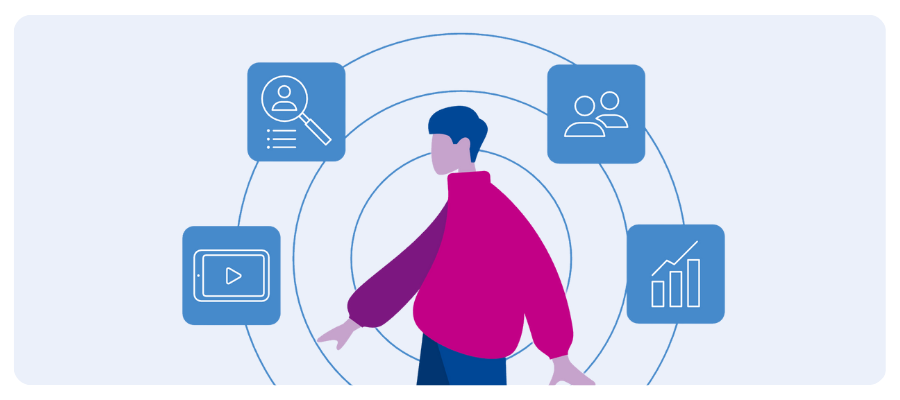
Without that foundation every downstream decision gets weaker. Teams may have more data than ever, but they still struggle to connect it into a clear picture of who they’re trying to reach. That matters more as customers move across devices, channels, platforms, and media environments constantly. No single partner sees the full picture and no single channel carries the full journey. That’s why interoperability matters. Identity has to connect across the market, not sit inside one closed workflow.
AI raises the standard for trusted inputs and independent decisioning
AI will be one of the biggest topics at Cannes. It’s already changing how teams think about planning, decisioning, optimization, and measurement. AI makes trusted data matter more, especially as more decisions depend on the quality of the signals behind them.
AI systems are only as strong as the data feeding them, the identity layer connecting that data, and the governance controlling how that data is used. Marketers also need to understand which signals AI is using, which signals it may be favoring, and how much control the brand retains. Brands need more visibility into the intelligence guiding their investments.
This is where many leaders will need to pressure-test their strategies: are AI decisions based on data you can trust, test, govern, and move across the partners that matter to your business?
The AI conversation should always come back to data quality, identity, governance, transparency, and trust.
Commerce media needs pathways beyond owned environments
Commerce media has created powerful new opportunities for brands and commerce platforms. Commerce environments sit close to intent and can help advertisers understand what people search for, compare, consider, and buy. The next phase is about scale.
CMNs have valuable shopper and transaction signals, but owned inventory can limit reach and create friction for advertisers trying to work across many networks. The next step is helping advertisers use those audiences beyond the network’s own site or app, across channels like CTV, social, and programmatic. That requires an identity foundation that can connect customer records, reduce duplicate profiles, improve audience accuracy, and support activation and measurement across the platforms advertisers already use, without turning every campaign into a separate workflow.
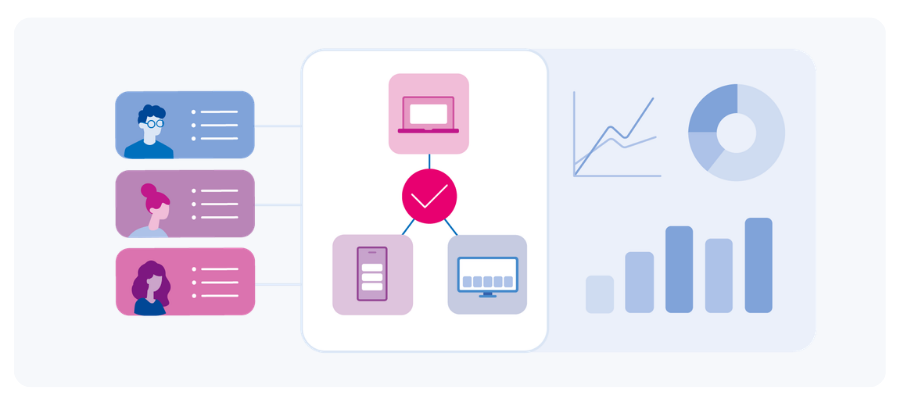
This creates another path for CMNs to grow alongside their media business. It gives them more ways to create value from the signals they already have, and it gives advertisers more consistent ways to activate audiences across the market.
Curation brings data closer to supply
Curation is gaining attention for a reason. It connects audience intelligence and supply at the point of activation. Done well, it helps marketers bring data, context, and inventory together in a more intentional way. But curation only works when the foundation is strong.
It needs trusted identity, high-quality data, clear rules for how signals are used, and supply paths that marketers can understand and measure. It also needs the ability to optimize as campaigns run, so audiences, inventory, and outcomes are not treated as static decisions.
This is where curation can become more than another media tactic. It can become a practical way to connect intelligence with action, giving brands more control over where and how data informs media decisions.
Measurement is where trust is earned
Every growth conversation eventually comes back to proof. Leaders need to know what worked, where it worked, and for whom. They need to understand how activation influenced outcomes across channels and partners. They need confidence that the systems behind those answers are transparent enough to guide future decisions. Measurement confidence depends on the same foundations as everything else: identity, data quality, interoperability, collaboration, and governance. That’s why measurement should be designed into the strategy from the start.
The Cannes conversations that will matter most
The most valuable Cannes conversations this year may not be about chasing the next idea. They may be about asking better questions.
- Can our identity framework adapt as the market changes?
- Can our data strategy work across partners without locking us into one system?
- Do we know which customer signals our AI systems are using, which ones they’re prioritizing, and whether we can test that intelligence outside one system?
- Can our commerce media and curation strategies scale with control?
- Can our measurement framework give us confidence across the full journey?
At Experian, we sit across the ecosystem as an independent identity and data partner built to support flexibility, governance, and interoperability. As the market keeps changing, our role is to help you preserve control. Not by forcing a single path, but by helping identity, data, activation, and measurement work together across the broader market. For leaders heading to Cannes, that’s the conversation worth having.
Watch our Cannes Lions 2026 conversations
At Cannes Lions 2026, we spoke with leaders across the industry on topics ranging from healthcare marketing, to influencer marketing, to agencies, to culture, and more. Read our recaps and watch all of our conversations below
About the author

Kevin Dunn
Chief Revenue Officer, Experian
Kevin Dunn joins Experian Marketing Services with more than 20 years of leadership experience across marketing and advertising technology, most recently serving as Senior Vice President of Brands and Agencies at LiveRamp. In that role, he led growth across retail, CPG, travel, hospitality, financial services, and healthcare, overseeing new business, account expansion, and channel partnerships.
Kevin is known for building cohesive, accountable teams and leading with optimism, clarity, and a strong sense of shared purpose. His leadership philosophy centers on empowering people, driving positive outcomes for clients and fostering a culture where teams can grow, take smart risks, and succeed together.
Latest posts
Explore how AdTech interoperability connects partnerships, identity, consumer intelligence and AI to create a more connected advertising ecosystem.

Watch leaders from Adobe DSP, AdsWizz, Alaska Airlines, Grupo Bimbo, PMG, and Wpromote on how trust turns creators into real brand partners.
Commerce media networks each define new-to-brand differently. See why a shared identity layer is what makes cross-network results comparable.