Tag: fraud prevention
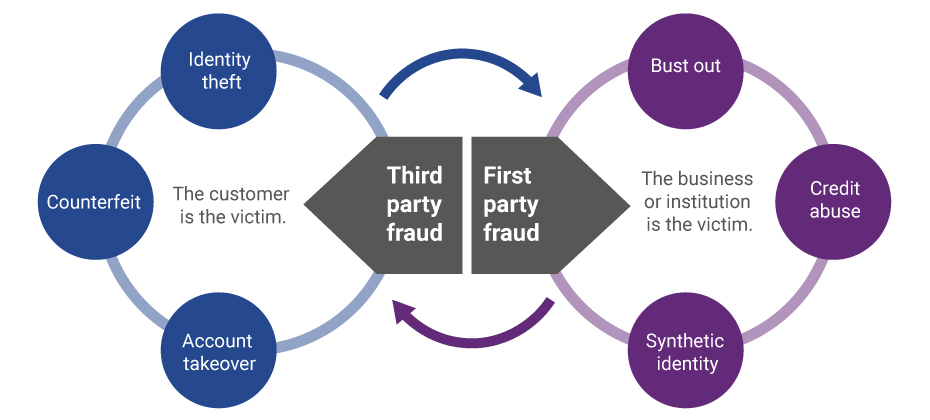
Third-party and first-party schemes are now interchangeable, and traditional fraud detection practices are less effective in fighting these evolving fraud types.

An Experian survey shows that many consumers still seriously underestimate their risk of falling victim to identity theft.

Despite the escalating risks of falling victim to a global data breach, this survey shows a widespread lack of preparedness among companies.

Synthetic identity fraud is an epidemic that does more than negatively affect portfolio performance. It can hurt your reputation as a trusted organization.

The healthcare sector continues to be at high risk of cyberattacks and data breaches, jeopardizing healthcare organizations of every size.

New research from the Pew Data Center, regarding how much Americans know about cybersecurity

Florida, Delaware, Oregon and New York were the riskiest states for e-commerce fraud

Technology sharing can unlock a more effective strategy in fighting fraud. Experian’s multi-layered and risk-based approach to fraud management is discussed
Experian is recognized as a leading security solution provider for fraud and identity solutions in order to protect customers and financial institutions

Unfortunately, identity theft can happen to anyone and has far-reaching consequences for its victims. According to the US Department of Justice (DOJ)’s most recent study, 17.6 million people in the US experience some form of identity theft each year. This includes activities such as fraudulent credit card transactions or personal information being used to open unauthorized accounts. The most obvious consequence that identity theft victims encounter is financial loss, which comes in two forms: direct and indirect. Direct financial loss refers to the amount of money stolen or misused by the identity theft offender. Indirect financial loss includes any outside costs associated with identity theft, like legal fees or overdraft charges. The DOJ’s study found that victims experienced a combined average loss of $1,343. In total, identity theft victims lost a whopping $15.4 billion in 2014. Beyond money lost, identity theft can negatively impact credit scores. While credit card companies detect a majority of credit card fraud cases, the rest can go undetected for extended periods of time. A criminal’s delinquent payments, cash loans, or even foreclosures slowly manifest into weakened credit scores. Victims often only discover the problem when they are denied for a loan or credit card application. Last year, Experian found that these types of fraud take the longest time to resolve. Identity theft doesn’t just impact victims financially; it also often takes a significant emotional toll. A survey from the Identity Theft Research Center found that 69 percent felt fear for their personal financial security, and 65 percent felt rage or anger. And, almost 40 percent reported some sleep disruption. These feelings increased over time when victims were unable to settle the issue on their own, according to the report, which can result in problem as work or school, and add stress to relationships with friends and family. Thankfully, consumers are getting smarter about the best ways to protect their information, like using monitoring services or following security best practices. How are you protecting yourself against identity theft? Learn more about our Identity Protection Services

Experian selected as one of the leading players in the fraud detection and prevention space in Juniper Research’s Online Payment Fraud strategies report.

Here are 12 tips for fraud prevention that businesses and consumers can use to increase security with the Internet of Things (IoT).

Whether you’re a small business owner or a global corporation, the cost of being without cyber insurance after an incident can be extreme.

Loyalty fraud occurs when criminals obtain login credentials (either through breach, malware, phishing, etc.) and use your profile to purchase goods.

Data Privacy Day reminds consumers to protect their privacy online — and for organizations to ensure they are vigilant in their fight against fraud.