The benefits of the Internet of Things are only as strong as the weakest connected point.
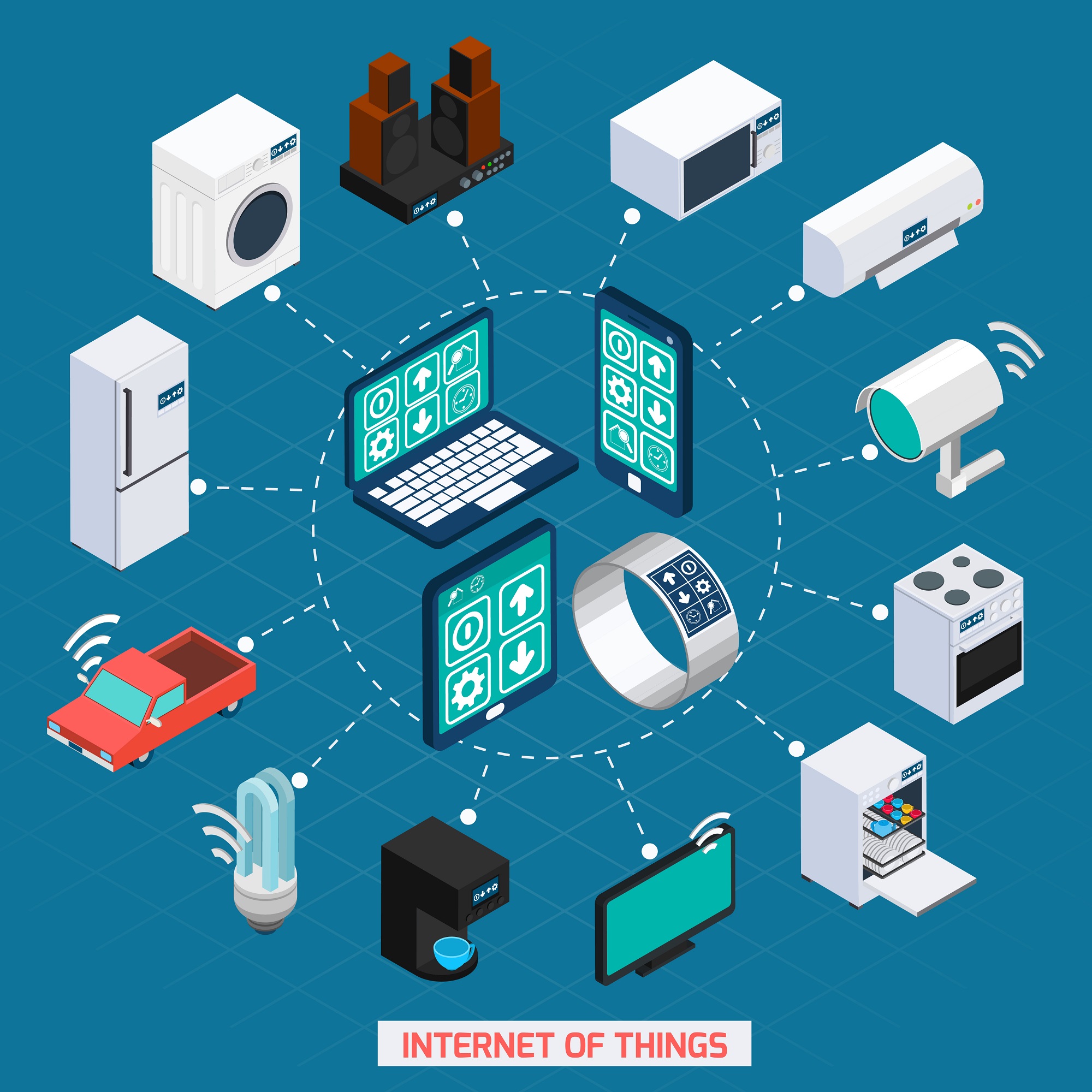
Having fraud prevention strategies in place that businesses and consumers can use to manage risk and increase security when using Internet-enabled products, also known as the Internet of Things (IoT), is critical.
In addition to connected devices such as smartphones and tablets, a tremendous number of consumer products — including cars, heart monitors and household appliances — are now connected to the Internet. Many of these connected products have weak security and controls, creating points of weakness in users’ critical private networks, systems, and data.
The Internet of Things is only as strong as its weakest link, and it is important to fully understand what an interconnected environment means. Opening products and services to the Internet dramatically increases the opportunities for cyber criminals, who can hack those products to get into your broader systems.
As more and more products are connected, a casual mindset about the security risks inherent in IoT can create significant risk. Knowing that, we are sharing the following tips for both consumers and businesses.
Consumers
To help consumers protect themselves against the risks and vulnerabilities regarding the Internet of Things, Experian’s global Fraud and Identity business has developed the following tips:
- Ensure that the products and services being purchased and connected are from reputable companies.
- Ensure that the providers of these products and services have clear privacy and data-usage policies.
- Be aware that data from any smart device may make its way to third parties for a variety of purposes and that there are not always standard policies across providers.
- Make sure that any access to these systems is always closely guarded.
- Be aware of the applications installed on devices and download applications only from reputable providers, such as the iTunes App Store or Google Play, rather than gray-market app platforms. Also, only download apps created by trusted entities.
In addition to consumers enjoying the benefits of online access to multiple devices, businesses also need to be accountable. Thoughtfully applying appropriate levels of holistic thinking will go a long way toward ensuring that your business’s contribution isn’t the weakest link and that the Internet of Things continues its rapid and exciting growth.
Businesses
Experian encourages businesses to work with the mindset that any product poses a significant potential for threat. The tips below were created for businesses to use as a guideline:
- Access to systems should require more than just credentials. Leverage cyber intelligence and complex device-recognition solutions to prevent unauthorized access.
- Designate who has access to systems and clarify why they need it. It is also important to understand the normal behavior of who is logging into these systems, so that when anomalies occur, immediate preventative action can be taken.
- Clearly outline roles and responsibilities in terms of access monitoring. This can be segmented by factors such as channel or line of business.
- Share intelligence across the consumer and enterprise side of your business.
- Partner with providers that have been successfully solving the account takeover problem. The concerns and vulnerabilities of Account Takeover problems in the digital realm using fit-for-purpose technologies are similar to the concerns and vulnerabilities in the Internet of Things world.
- Apply robust privacy policies and practices. Doing so will ensure that the data being collected is actually required for the services offered and that data-collection practices are easily understood by the consumer.
- Treat any collected data as highly sensitive information. It is important to note that even seemingly uninteresting data can be used by fraudsters to build robust and accurate stolen identities, which can be used for online impersonation, social engineering, phishing attacks and more.
Learn more about Experian’s Fraud and Identity business.