
In compliance with the National Archives and Records Administration (NARA) General Records Schedule (GRS), federal agencies are legally required to manage, retain, and routinely dispose of records that have met their retention lifecycle.
Under NARA guidelines, USCIS retains E-Verify transaction data for a maximum of 10 years from the date of the last action taken on a case. The upcoming disposal cycle targets records created or updated on or before December 31, 2016.
Key deadlines for employer
- Download Deadline: January 8, 2027 Employers must export and archive necessary historical records from their E-Verify account before this cutoff.
- System Disposal Date: January 11, 2027 USCIS will execute the permanent purge of all eligible cases older than 10 years. Once purged, these records cannot be retrieved or recreated by USCIS.
Impact on Form I-9 and retention rules
- Federal law mandates that employers retain Form I-9 for either:
- 3 years after the date of hire, or
- 1 year after the date employment ends, (whichever is later).
- If an employee was hired on or before December 31, 2016, and remains actively employed, the employer must maintain their Form I-9 and associated verification proof. Because the underlying E-Verify case will be purged from the government database, employers who need to verify historic compliance must retain the case details locally.
Recommended action items for HR & compliance
- Log into E-Verify before January 8, 2027.
- Navigate to the reporting section and generate the Historic Records Report (which lists all cases updated on or before December 31, 2016).
- Verify that each corresponding Form I-9 contains the E-Verify Case Verification Number recorded in Section 2 or attached via the case confirmation page.
- Securely store the exported report alongside your I-9 audit documentation to prove compliance in the event of an ICE/USCIS audit.
- Ensure any downloaded spreadsheets or reports containing Personally Identifiable Information (PII) are stored in encrypted, access-restricted repositories.
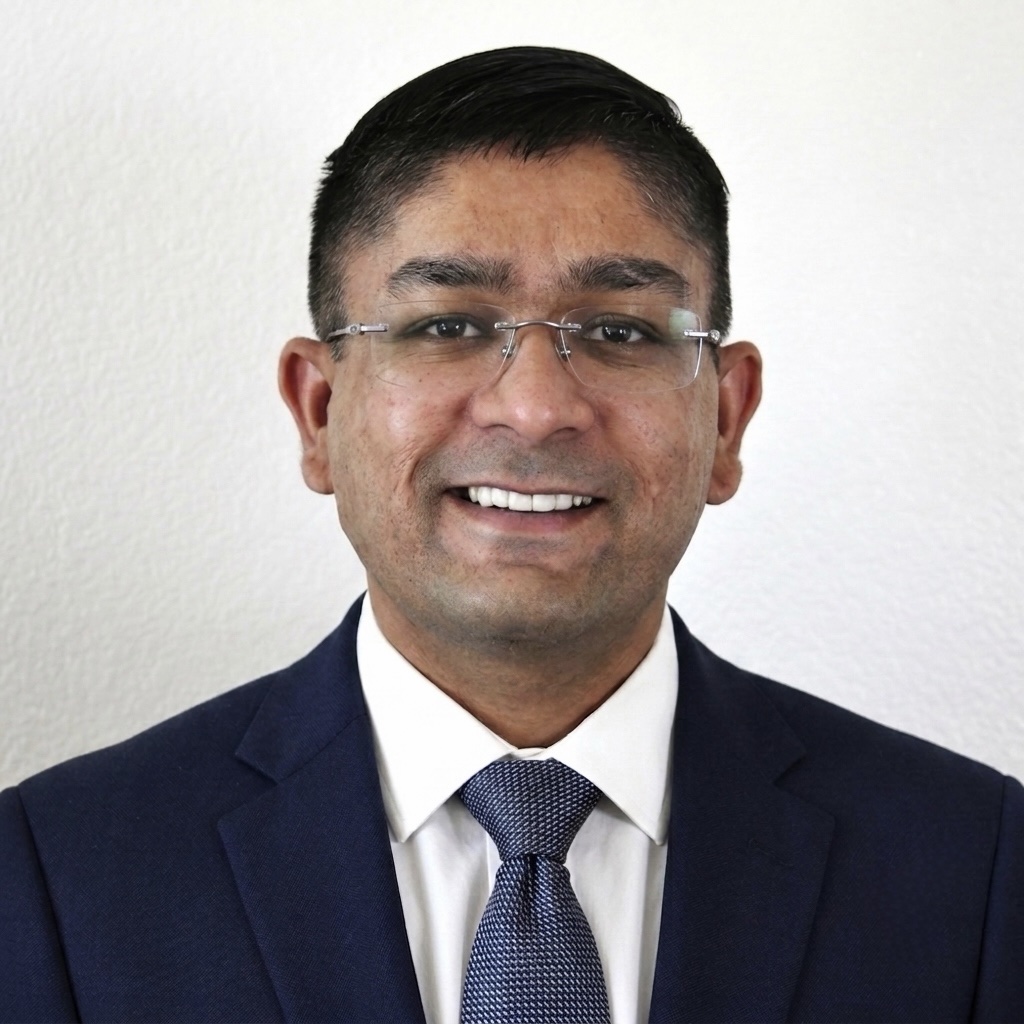
Vijay Thakkar has more than 12 years of HR Operations experience, including 8 years helping employers improve their Form I-9 management and E-Verify compliance, especially for mergers & acquisitions, internal and external I-9 audits, training and development, migration to the electronic system, I-9 escalations, quality checks, strategic planning, and building standard operating procedures with a keen interest in US immigration and global mobility.
Prior to joining Experian, Thakkar has served as Levi Strauss & Co’s I-9 subject matter expert, an investigator to the behavioral health unit at the US Army, and Sustainability Analyst at his alma mater the University of Texas at Arlington from where he earned his Master’s in Human Resource Management and MBA.