
For decades, international students, exchange visitors, and foreign journalists entering the United States have relied on a flexible admission standard known as Duration of Status (D/S). Rather than tying their lawful stay to an arbitrary expiration date, D/S allows them to remain in the country for as long as they actively pursue their academic program, research exchange, or media assignment.
On November 16, 2026, a federal judge in Massachusetts ensured that system stays intact, at least for now. In a decisive ruling on the merits, U.S. District Judge F. Dennis Saylor IV vacated the Department of Homeland Security’s (DHS) controversial rule that sought to replace Duration of Status with strict, fixed admission periods.
To understand the significance of Monday’s decision it helps to look at the timeline of the rule:
- July 17, 2026: DHS published its final rule, scheduled to take effect on September 15.
- September 14, 2026: Just one day before implementation, the Massachusetts federal court granted a preliminary injunction, temporarily pausing the rule while litigation moved forward.
- November 16, 2026: Moving beyond a temporary freeze, the court granted summary judgment to the coalition of higher education groups, unions, and media organizations challenging the policy, striking the rule down in its entirety.
In legal terms, vacating the rule means it is completely annulled and wiped off the books. It never took effect, and it cannot be enforced unless a higher court intervenes.
What the Vacated Rule Would Have Changed
- F-1 students and J-1 exchange visitors (along with their dependents) would have been admitted for a maximum fixed period of four years, or the length of their program, if shorter. Foreign information media representatives (I visa holders) would have been capped at 240 days.
- Anyone needing more time such as Ph.D. candidates whose research regularly spans five to seven years would have been forced to file a formal Extension of Stay application (Form I-539) with U.S. Citizenship and Immigration Services (USCIS), facing steep filing fees, biometric appointments, and processing delays.
- The rule placed rigid limits on F-1 students’ ability to change majors, transfer schools, or pursue a second degree at the same or a lower academic level.
Why the Court Struck It Down
- The court found the rule to be “arbitrary and capricious”. Specifically, DHS failed to properly weigh the heavy financial and operational burdens the rule would impose on students and universities against its stated national security and fraud-prevention goals.
- The agency also failed to consider less disruptive alternatives such as leveraging existing tracking mechanisms like the Student and Exchange Visitor Information System (SEVIS) and did not adequately respond to substantive public comments.
- The court ruled that DHS went beyond the powers granted by Congress under the Immigration and Nationality Act. Imposing sweeping restrictions on legitimate academic choices like switching concentrations or pursuing lateral degrees was not reasonably connected to the statutory purpose of the F-1 student visa program.
Key Takeaways for Students, Sponsors, and Employers
For international students, researchers, journalists, and the universities or employers that support them, nothing changes operationally today.
- New and returning F, J, and I nonimmigrants will continue to be admitted for “D/S”.
- Students and exchange visitors who need additional time to complete their programs can continue to request program extensions directly through their Designated School Official (DSO) or Responsible Officer via an updated Form I-20 or DS-2019, without filing an extension application with USCIS.
- Post-completion Optional Practical Training (OPT) and STEM OPT work authorization processes remain unaffected.
- USCIS continues to operate under prior regulations and is only accepting standard editions of Forms I-539 and I-765, not the revised September 15, 2026, editions drafted for the vacated rule.
While an appeal is likely, Duration of Status remains the current standard unless an appellate court stays or overturns the ruling. Institutions and individuals should continue normal compliance while monitoring developments.
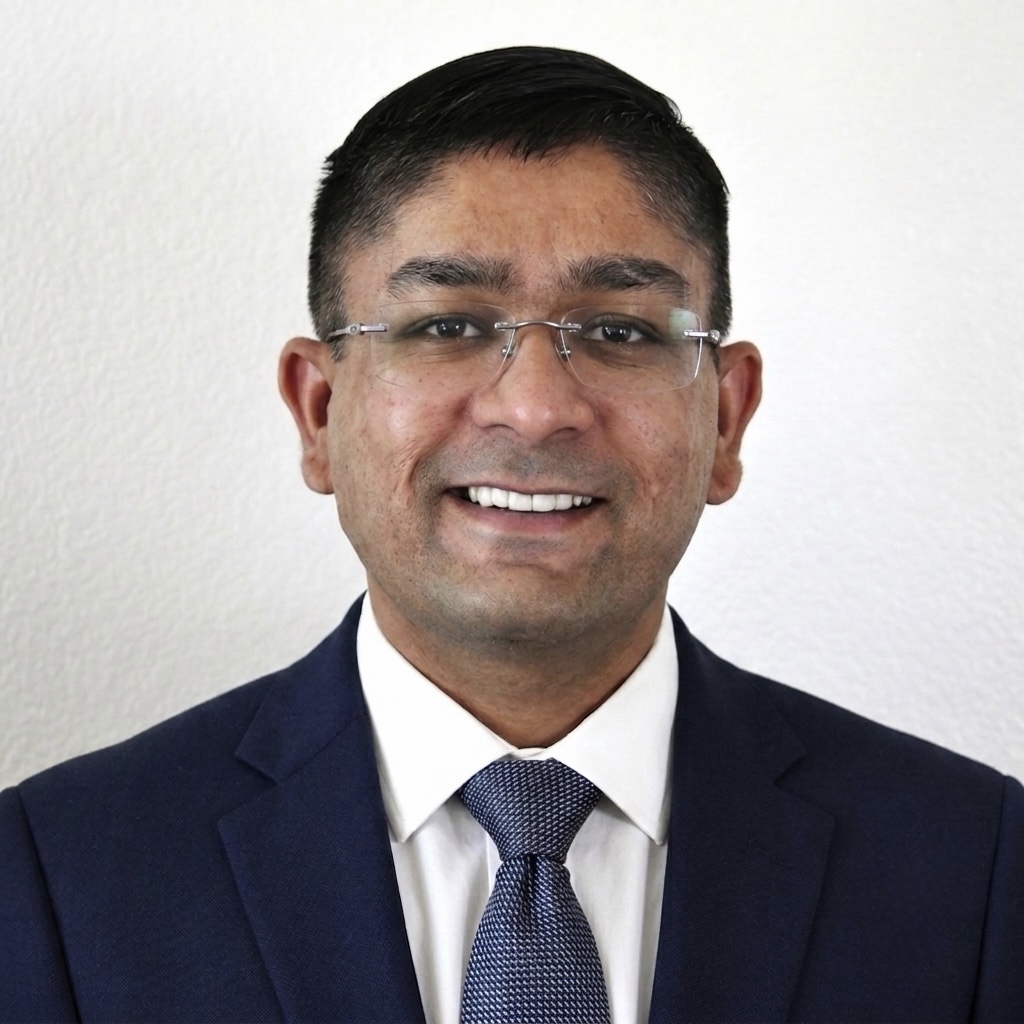
Vijay Thakkar has more than 12 years of HR Operations experience, including 8 years helping employers improve their Form I-9 management and E-Verify compliance, especially for mergers & acquisitions, internal and external I-9 audits, training and development, migration to the electronic system, I-9 escalations, quality checks, strategic planning, and building standard operating procedures with a keen interest in US immigration and global mobility.
Prior to joining Experian, Thakkar has served as Levi Strauss & Co’s I-9 subject matter expert, an investigator to the behavioral health unit at the US Army, and Sustainability Analyst at his alma mater the University of Texas at Arlington from where he earned his Master’s in Human Resource Management and MBA.