Based on the Q1 U.S. Travel Association Consumer Quarterly Tracker conducted by Ipsos, 52% of American adults are eagerly planning to embark on leisure travel within the next six months. With the pandemic limiting travel opportunities for so long, people are more willing than ever to prioritize travel and make up for lost time. With the summer vacation season upon us, it’s crucial to identify consumers who are eager to travel and implement a targeted travel advertising strategy. To help you stand out in the competitive marketplace, we’ll share five audiences you should consider when building out your summer travel advertising activation plan.
What separates Experian’s syndicated audiences
- Experian’s 2,400+ syndicated audiences are available directly on over 30 leading television, social, programmatic advertising platforms, and directly within Audigent for activation within private marketplaces (PMPs).
- Reach consumers based on who they are, where they live, and their household makeup. Experian ranked #1 in accuracy by Truthset for key demographic attributes.
- Access to unique audiences through Experian’s Partner Audiences available on Experian’s data marketplace, within Audigent for activation in PMPs and directly on platforms like DirectTV, Dish, Magnite, OpenAP, and The Trade Desk.
Five travel advertising audience categories
With so many travel audiences out there, it can be overwhelming to figure out which ones to target. That’s why we’ve compiled a list of the top five audience categories you should focus on:
- Seasonal spenders
- Frequent travelers
- Travel transportation methods
- Luxury travelers
- Vacation type
Let’s break down each category so you can better understand the travel behaviors and preferences of each group.
Seasonal spenders

These travelers are known for their willingness to spend during peak travel seasons. They’re willing to spend more for travel experiences and have a high propensity to travel.
Let’s take a look at a few audience segments included in this category that you can activate as part of your summer travel advertising strategy.
- Retail Shoppers: Purchase Based > Travel > Vacation/Leisure Travelers: Summer Trips: Consumers in this segment are frequent, high spenders of summer travel.
- Mobile Location Models > Visits > Summer Break Travelers: Consumers in this segment are likely to travel during summer break.
Retail Shoppers: Purchase Based
With Experian’s Retail Shoppers: Purchase Based audiences, you can reach consumers who have a high propensity to buy in specific categories like toys, furniture, apparel, and more. This audience is created by combining known credit and debit transactions with advanced modeling to ensure the highest likelihood of future purchases.
You can use these audiences to find travelers interested in the outdoors that spend their money on related gear and activities, or travelers who use rental cars throughout their trip.
Mobile Location Models
Our Mobile Location Models are based on a statistical analysis of mobile location data from devices. The model is built from individual, household, and area-level Experian Marketing Data.
You can use these audiences to find travelers that like to visit theme parks, travel during the July 4th holiday, and travel during summer break.
Frequent travelers
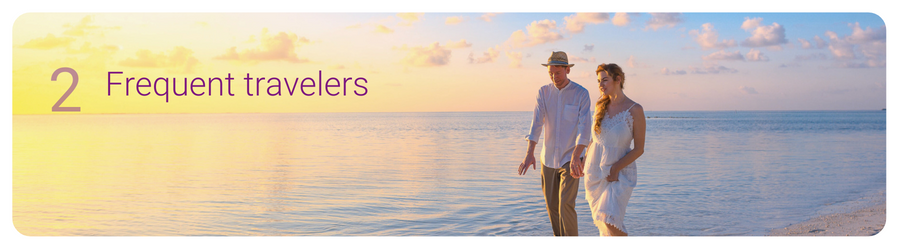
Consumers in this audience category prioritize travel as a lifestyle choice and they’re always looking for their next adventure. They’re willing to spend money to make their travel dreams come true and often participate in loyalty programs to earn rewards.
Here are just a few examples of the audience segments you can activate to target frequent travelers as part of your travel advertising strategy:
- Lifestyle and Interests (Affinity) > Travel > Frequent Flyer Program Member: Consumers in this segment are likely to be members of frequent flyer programs.
- Retail Shoppers > Purchase Based > Travel > Hotels > Frequent Spend: Consumers in this segment frequently spend at hotels like Holiday Inn, Hyatt, Marriott, and Wyndham.
Lifestyle and Interests
Experian’s Lifestyle and Interests audience segments make it easy to identify and target consumers based on their lifestyle characteristics. These audiences cover a wide array of lifestyle categories, such as:
- Activities/Interests
- Purchasing Behavior
- Contributors/Memberships
- Lifestyle/General
You can use these audiences to find travelers that enjoy boating, like to visit zoos, and are fishing enthusiasts.
Travel transportation methods

This audience category consists of the transportation methods travelers use to reach their destination or use throughout their travel experience.
Here are just a few examples of the audience segments you can activate to target travelers based on their preferred mode of transportation as part of your travel advertising strategy:
- Autos, Cars, and Trucks > Vehicle Lifestyle Ownership > Recreational Vehicle (RV) Travelers: Consumers in this segment are likely to currently own an RV and use it for travel.
- Lifestyle and Interests (Affinity) > Travelers > Air Travel (FLA / Fair Lending Friendly): Consumers in this segment are interested in traveling by plane based on their internet activity in the last 90 days.
Luxury travelers

These high-end travelers seek exclusive, high-end experiences, from top-tier dining to luxurious accommodations.
Here are just a few examples of the audience segments you can activate to target luxury travelers as part of your travel advertising strategy:
- Consumer Financial Insights > Discretionary Spend – Travel > $10,000+: Consumers in this segment are likely to spend more than $10,000 for travel.
- Retail Shoppers: Purchase Based > Travel > Hotels: Luxury: Consumers in this segment are frequent, high spenders at high-end hotels like Renaissance Hotels, Westin, and Hilton Hotels.
Vacation type

Unlike the previous categories, our vacation type category focuses on the type of trip a traveler is planning and the destination they’re heading to. Whether it’s a beach getaway or an adventure-filled trip, segments within this category can help you target consumers looking for those particular experiences.
Here are just a few examples of the audience segments you can activate to target travelers by vacation type as part of your travel advertising strategy:
- Retail Shoppers: Purchase Based > Travel > National Park Travelers: Consumers in this segment are likely to travel to national parks.
- Travel Intent > Activities > Winery Distillery Brewery Tours: Consumers in this segment are likely to visit wineries, distilleries, and breweries while traveling.
Family size and structure
In addition to our five recommended summer travel advertising audience categories, it’s important to add audiences related to family size and structure to your targeting strategy for the summer travel season.
Families with children, for example, are a significant market for summer travel, as parents are looking to create memories with their kids before they go back to school. Families with children have distinct needs and preferences when it comes to travel. For instance, they may need larger accommodation options, kid-friendly activities, and safe environments.
On the other hand, married couples with no children or single travelers may have different preferences for their travel experiences. These groups may be looking for more adventurous or adult-oriented experiences, such as camping, hiking in national parks, or winery tours. By segmenting your audience based on family size and structure, you can provide more relevant and personalized recommendations to your target audience, leading to higher engagement and conversion rates.
Here are just a few examples of the audience segments you can activate to target travelers based on their family size and structure as part of your travel advertising strategy:
- Demographics > Marital Status > Single: Consumers in this segment are likely to be single.
- Lifestyle and Interests (Affinity) > Moms, Parents, Families > Married Mothers: Consumers in this segment are likely to be married females with at least one child under the age of 18 years old.
- Demographics > Presence of Children > Ages: 0-18: Consumers in this segment are likely to have children between the ages 0 to 18 years old in a household.
- Demographics > Presence of Children > Ages: 7-9: Consumers in this segment are likely to have children between the ages 7 to 9 years old in a household.
We can help you reach summer travelers
From seasonal spenders to luxury travelers, there are a host of audiences you should keep in mind as you build out your summer travel advertising strategy. Experian audiences can help you tap into the potential of your summer campaigns by enabling you to identify, reach, and engage with a variety of travelers in their preferred channels.
Need a custom audience? Reach out to our audience team and we can help you build and activate an Experian audience on the platform of your choice. Additionally, work with Experian’s network of data providers to build audiences and send to an Audigent PMP for activation.

Contact us
Latest posts

Our top 10 list is designed to assist agencies and media buyers with q1 audience targeting based on the top audiences activated in Q1 2024.
Today, we are excited to announce our acquisition of Audigent—a leading data and activation platform in the advertising industry.
Commerce media has recently established itself as a significant player in the AdTech industry. What is it and why should you care?