How Union Credit Expands Access to Credit Unions with Experian

by Scarlet Nickel 3 min read July 1, 2026


Credit unions face a growing demographic challenge: attracting younger consumers while serving an existing membership base that trends older. Union Credit is a financial technology company that operates a lending marketplace, connecting consumers with pre-approved loan offers from credit unions. Helping a new generation of consumers discover and engage with these institutions is central to its mission.

Barry Kirby, co-founder and chief revenue officer of Union Credit, focuses on helping consumers discover and engage with credit unions and other community-based financial institutions through digital channels. His work also centers on increasing awareness of the products and services these organizations offer. Since launching in 2023, Union Credit has partnered with Experian to support that effort. What began as an initial pilot has evolved into a broader relationship spanning multiple areas, including data and consumer services. As the partnership has grown, so has Union Credit’s ability to connect consumers with credit unions at scale.

One of Union Credit’s biggest challenges is helping consumers find and understand credit unions in a digital-first environment. Introducing consumers to these institutions requires both visibility and education. Through the Experian mobile app, Union Credit has helped credit unions reach a broader audience through established digital channels. This increases awareness of community-based lending options and makes it easier for consumers to explore alternatives when seeking financial products.

“Through the Experian app, we’re able to help get credit unions in front of roughly 85 to 90 million people digitally and help consumers understand what these local institutions can do for them. It’s a channel we couldn’t have tapped into ourselves.”

Barry Kirby, Co-Founder and Chief Revenue Officer at Union Credit

For many community financial institutions, building large-scale consumer awareness independently can be difficult due to resource and marketing constraints. By leveraging existing consumer engagement channels, Union Credit helps credit unions extend their reach. It also provides consumers with greater visibility into a broader range of lending options.

Equally important is ensuring consistency between the information used to connect consumers with lenders and the criteria lenders use in their decision-making processes. Union Credit aligns its approach with the same data and credit attributes used by participating financial institutions. This helps reduce potential disconnections, improve matching accuracy and build confidence among lending partners.

The partnership is also grounded in clear communication. Kirby highlighted transparency and setting expectations early as key elements of building a stable, long-term relationship. Rather than attempting to solve every challenge, both organizations focus on their areas of expertise and maintain open communication about capabilities and goals. Ongoing collaboration has also played an important role. Through engagement with Experian teams, advisory boards, and industry events, Union Credit stays connected to emerging industry trends and evolving client needs. These interactions help inform product development and support the company’s ability to evolve alongside the financial institutions and consumers it serves.

The result is a model that benefits both financial institutions and consumers. Credit unions gain greater visibility among potential members, while consumers gain awareness of a wider range of financial products and providers. For Union Credit, creating those connections is key to supporting growth and helping community-based financial institutions remain relevant in an increasingly digital marketplace.

About Union Credit

Union Credit is a digital lending infrastructure and marketplace that connects consumers with pre-approved loan offers from credit unions. By helping credit unions reach borrowers through digital channels, the company supports member growth, expands lending opportunities and increases awareness of community-based financial institutions.

Learn more at https://www.unioncredit.app/

Related Posts

What Is Fraud Orchestration? A Guide for Lenders

Learn what fraud orchestration is, how it works and how lenders can connect fraud prevention tools, improve decision-making and reduce friction for legitimate customers.

November 20, 2026 by Gary Stockton
Data Snapshot: VantageScore 4.0 Adoption Trends

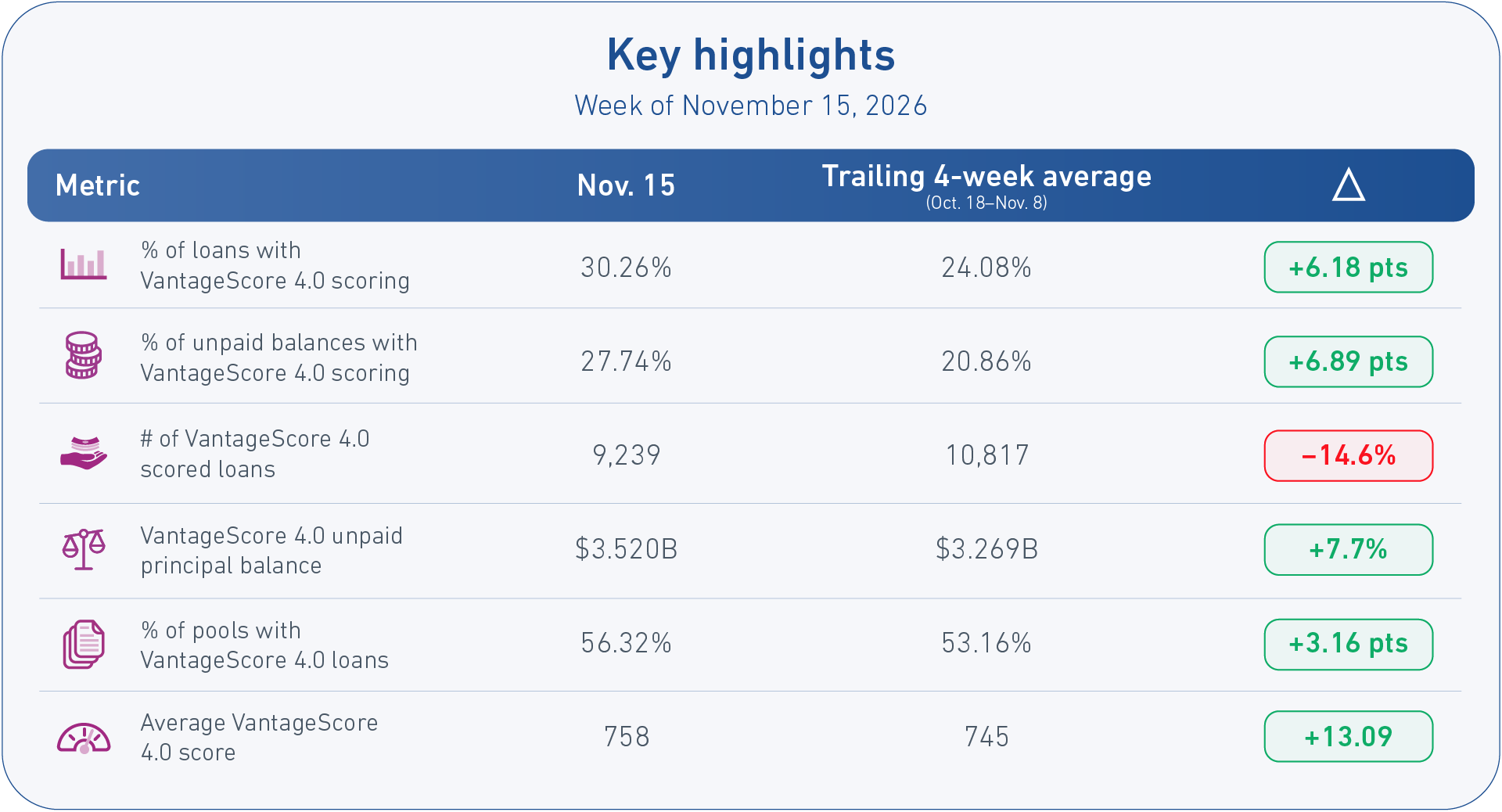
New data indicate signs of increased VantageScore 4.0 adoption. Recent Experian Capital Markets data reporting points to gradual growth in VantageScore 4.0 adoption, and more loans beginning to appear in a larger share of GSE pools.

November 20, 2026 by Angad Paintal
What Is a Ransomware Attack? How to Prepare and Respond

Ransomware attacks can create challenges that extend far beyond an organization’s IT systems. When critical applications become unavailable or sensitive information is compromised, businesses may face operational disruption, financial losses and difficult decisions about how to support affected customers. While cybersecurity defenses are essential, organizations also need clear response procedures, coordinated communication and recovery plans. Understanding how ransomware attacks happen, their potential impact and the steps organizations can take to prepare can help businesses respond more effectively when an incident occurs. What is a ransomware attack? A ransomware attack is a type of cyberattack in which criminals use malicious software or extortion tactics to demand payment from an organization. Traditionally, ransomware encrypts files or systems, preventing authorized users from accessing information until a ransom is paid. Some attackers also steal sensitive data and threaten to release it unless their demands are met. These tactics may occur separately or together, creating challenges for organizations trying to restore operations and protect sensitive information. Paying a ransom does not guarantee that attackers will restore access, delete stolen information or refrain from making additional demands. How do ransomware attacks happen? Ransomware attacks often begin when cybercriminals gain unauthorized access to an organization’s systems or accounts. Once inside, attackers may attempt to expand their access, steal information or deploy malicious software. Common attack methods include: Phishing and social engineering: Deceptive emails or messages that trick employees into opening malicious attachments, visiting harmful websites or sharing login credentials Compromised credentials: Stolen passwords or authentication information used to access business systems and accounts Unpatched vulnerabilities: Security weaknesses in software, servers or network devices that attackers exploit Third-party access: Compromised vendors or connected systems that provide a potential entry point Malicious downloads: Harmful software installed through deceptive websites, compromised applications or unsafe downloads Understanding these methods can help organizations identify potential weaknesses and strengthen their security practices. How do ransomware attacks affect businesses and customers? The consequences of a ransomware attack depend on the systems affected, the information involved and the organization's ability to contain the incident. Business disruption and financial losses When critical systems become unavailable, organizations may experience interruptions to customer service, payment processing, internal operations or other essential functions. The financial impact can be significant. According to the FBI's 2025 Internet Crime Report, reported ransomware-related losses reached approximately $32.3 million, up from $12.5 million in 2024. These figures do not capture the full financial impact of ransomware incidents, including business interruption, recovery expenses and other indirect costs. Customer data exposure and fraud risks Some ransomware incidents involve the theft of sensitive information, potentially exposing customers to identity theft or fraud. If attackers obtain login credentials or personal information, organizations may also need to consider related threats, including account takeover. Customer trust and reputation Customers expect organizations to protect their information and communicate clearly when incidents affect them. Delayed or confusing communication may create additional uncertainty. A coordinated response can help organizations provide timely information and appropriate support to affected individuals. What should organizations do after a ransomware attack? When a ransomware incident is suspected, organizations should activate their incident response procedures and work with qualified professionals to assess and contain the threat. Important response steps include: Activate the response team: Bring together IT, cybersecurity, legal, privacy, communications and leadership teams as appropriate. Contain the incident: Identify affected systems and take steps to limit further unauthorized activity while preserving relevant evidence. Investigate the impact: Determine which systems and information may have been compromised, including whether sensitive data was accessed or removed. Evaluate notification requirements: Work with legal and privacy advisers to determine applicable regulatory, contractual and customer communication obligations. Support affected customers: Prepare clear communications and appropriate resources when personal information has been exposed. An established data breach response strategy can help organizations coordinate customer notification and support activities following an incident. How can organizations prepare for and recover from ransomware attacks? Organizations can prepare for ransomware attacks by combining security controls, tested backups, employee training and a documented incident response plan. Recovery planning should also address how teams will restore systems, assess data exposure and communicate with affected customers. Key preparedness measures include: Maintain secure backups: Keep protected backups and regularly test restoration procedures. Strengthen access controls: Implement multifactor authentication and limit access to sensitive systems. Update software: Address known vulnerabilities through consistent patch management. Train employees: Help staff recognize phishing attempts and suspicious activity. Monitor security threats: Use appropriate detection and monitoring tools to identify potential attacks. Test response plans: Conduct exercises that evaluate technical recovery, communication and decision-making responsibilities. Following an incident, recovery should focus on restoring systems safely, addressing remaining vulnerabilities and evaluating potential risks to affected individuals. Organizations may also need to consider whether compromised information could contribute to additional fraud. Depending on the circumstances, fraud prevention solutions may support broader identity risk management efforts. Security teams should also evaluate related threats, including automated bot attacks, when assessing potential misuse of compromised accounts or credentials. Once operations are restored, reviewing lessons learned can help organizations strengthen their security controls, response procedures and future preparedness. How can breach response planning help protect customers? Ransomware preparedness should account for both operational recovery and the potential impact on customers. If sensitive information is compromised, organizations may need to coordinate notifications, respond to customer questions and provide appropriate support. Experian® offers data breach resolution services that help organizations plan for and manage customer-facing aspects of a breach, including notification management and response support. By establishing response procedures before an incident, organizations can improve coordination and prepare to address customer needs when a breach occurs. Prepare for a more coordinated breach response Explore Experian's data breach response solutions and learn how to plan for customer notification and support. Explore data breach response solutions Download the 2027 Data Breach Response Guide

November 20, 2026 by Julie Lee

Subscribe to our Newsletter

Enter your name and email for the latest updates.

This site is protected by reCAPTCHA and the Google Privacy Policy and Terms of Service apply.

Subscribe to our Newsletter

Don't miss out on the latest industry trends and insights!
Subscribe