How to Protect Yourself from Identity Theft
Join our #CreditChat on Twitter and YouTube every Wednesday at 3 p.m. ET.
Have you ever been a victim of identity theft? Our second #CreditChat of Financial Literacy Month covered the very important topic of identity theft – how it happens, and what we can do to protect ourselves.
This week’s panel included: Rod Griffin – Director of Public Education at Experian, Becky Frost – Manager of PR and Consumer Education at Experian, Jump$tart Coalition – a coalition of businesses and organizations that conduct and support financial education for students, and Mike Delgado – Social Media Community Manager at Experian.
If you have ideas for future topics and guests, please tweet @MikeDelgado.
Questions We Discussed:
- Q1: How does identity theft happen? Any common ways?
- Q2: What are signs you might be a victim of identity theft?
- Q3: How can we do a better job or protecting our personal information?
- Q4: How does medical identity theft happen? How do we know if we’re victims?
- Q5: What are ways we can protect our children from identity theft?
- Q6: How can checking credit reports regularly help us identify identity theft?
- Q7: What should you do if you think your a victim of identity theft?
- Q8: What’s the difference between a credit freeze and fraud alert? What’s better?
- Q9: Any final tips to help protect us from identity theft?
Featured Highlights on SlideShare:
Tweetable Tips:
Phishing, skimming and hacking seem to be some of the more prevalent sources for identity theft. @LeslieHTayneEsq
[Retweet]
If your very young child starts getting financial offers, calls, marketing in his/her name, it could be a bad sign. @NatlJumpStart
[Retweet]
One place you can spot identity theft is your credit report. That’s one reason it’s so important to check it often. @RAHomes
[Retweet]
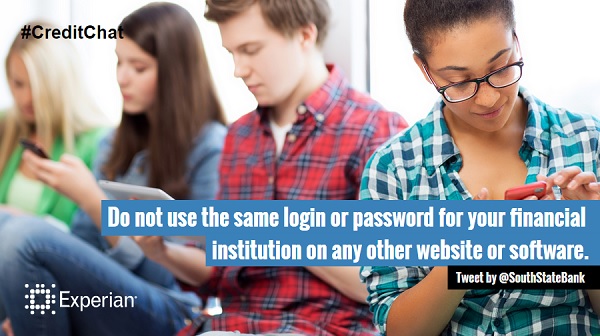
Do not use the same login or password for your financial institution on any other website or software. @SouthStateBank
[Retweet]
It’s important to take the lead in protecting your personal information. Check your credit reports and statements regularly. @Frostbe
[Retweet]