At A Glance
2026 marketing trends reveal that people will spend more intentionally, prioritize value and simplicity, and expect personalization that’s transparent and privacy-first. Omnichannel journeys and micro-moments will shape how they shop, with generational differences influencing trust and digital expectations. Experian helps marketers respond with privacy-first identity, high-quality audience intelligence, and omnichannel activation that drive relevant and measurable performance.In this article…
The 2026 consumer is reconsidering how they want to engage with businesses. Research from Nielsen anticipates that in 2026, people will spend more intentionally, think more critically, and expect more from the brands they invite into their lives. They want clear value, marketing experiences that make decisions easier, and personalization that respects their privacy and improves the moment they’re in.
This change has big implications for marketers. Winning in 2026 will require understanding the motivations, concerns, and trust drivers behind consumer behavior. This means embracing a privacy-first identity foundation, deep audience intelligence, high-quality and ethically sourced data, omnichannel activation, and measurement that closes the loop across channels.
Below, we break down consumer shifts shaping 2026 and how you can translate them into practical strategies for 2026.
How will consumer behavior change in 2026, and how should marketers respond?
Consumers are going into 2026 feeling deeply cautious. According to 2026 consumer outlook data, 32.8% of global shoppers say they’re financially worse off than last year, and 73% of those consumers cite rising cost-of-living pressures as the reason.
Ultimately, people are spending, but they’re directing most of their dollars toward core categories like food, health, and household care. That mix of caution and restraint is shaping what they want from brands: clear value, relevant personalization, and simple, low-effort experiences that make choices feel easier and worthwhile.
Want more details on how consumer caution shaped the peak buying season in 2025? Explore our 2025 Holiday spending trends and insights report for insights that can set the foundation for your 2026 strategy.
Here are the consumer trends we expect to shape decision-making most in 2026 and how Experian can help you adapt.
Economic stability will outweigh values
Consumers are prioritizing the realities of their household budgets going into 2026. Global consumer research shows that environmental concerns fell from the #4 global worry to #9 in 2025, while financial pressures and geopolitical issues moved to the top of the list.
People still care about brand values, but economic stability is becoming a stronger driver behind how they decide what to buy, where to shop, and which brands they trust. Consumers want brands to be responsible, fair, and transparent, but they also expect brand values to align with their financial reality.
| Insight | Data point |
| Consumers who feel financially worse off than last year | 32.8% |
| Of those, consumers citing cost-of-living pressures | 73% |
| Environmental concerns falling in priority (2024 to 2025) | #4 to #9 in top global worries |
Source: Consumer Outlook: Guide to 2026
For your marketing, this means shifting from broad value messaging to audience-specific offers tailored to each group’s financial situation, understanding:
- Who feels financially stretched
- Who still has spending flexibility
- Who is shifting habits subtly (frequency, basket size, channel choice)
How marketers should respond to this trend
Experian helps brands read financial signals with accuracy. Using generational segments, income bands, lifestyle indicators, and geo-indexed audiences, you can distinguish between:
- Value-seeking shoppers who prioritize stretch, savings, and reliability
- Higher-income households motivated by sustainability, wellness, or premium experiences
- Multigenerational families with diverse influencers and decision drivers
- Urban vs. suburban households with different price sensitivities and convenience factors
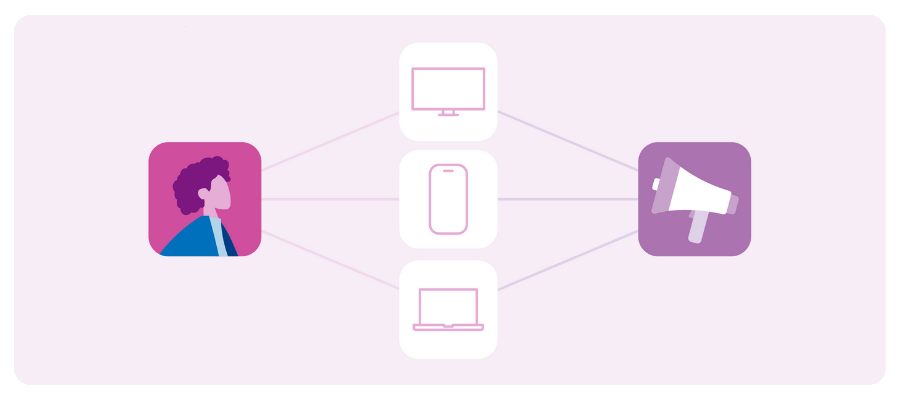
Paired with Experian’s privacy-first identity graph, your brand can activate audiences aligned with consumer insights across commerce media networks (CMNs), connected TV (CTV), social platforms, and programmatic channels using curated private marketplaces (PMPs). This ensures your messaging reflects the financial realities of consumers in 2026. Experian’s predictive insight capabilities also help forecast shifts in financial mindset, enabling you to anticipate change instead of reacting to it.
As financial caution shapes everyday choices, the next question becomes how to remove friction and deliver value in ways that feel simple, relevant, and worth the spend.
Consumers will prioritize value, simplicity, and relevance
With everyday expenses still weighing on households, people will likely simplify their shopping habits in 2026. They want brands to make decisions easier, save them time, and offer clear value without extra effort.
Instead of wading through endless choices or chasing promotions, shoppers are responding to experiences that feel straightforward and trustworthy, with:
- Transparent pricing
- Clear benefits
- Recommendations aligned to budget and needs
- Frictionless decision paths
For your brand, it’ll be essential to deliver carefully crafted and targeted messages at the right moment, rather than overwhelming consumers with excessive messaging. Experian helps you pinpoint what value looks like for different audiences and tailor relevant experiences.
How marketers should respond to this trend
To meet consumers’ demand for value and simplicity, you’ll need to understand what “easy” and “worth it” mean to each audience before you activate a campaign. Experian enables this by identifying the moments, motivations, and household realities that shape how people simplify decisions.
Using Experian’s lifestyle indicators, category affinities, geo-indexed spend patterns, and financial mindset segments, you can quickly pinpoint:
- Which audiences want streamlined choices (e.g., fewer SKUs, clearer value cues)
- Which shoppers expect premium quality without complexity
- Which households prioritize speed and convenience over price
- Which consumers prefer digital-first journeys vs. in-store simplicity
Then, through Experian’s privacy-first identity graph, you can reliably reach these audiences across CMNs, CTV, social, and digital environments with:
- Product recommendations that reduce decision fatigue
- Promotions tuned to value drivers
- Creative that matches each audience’s expectations for ease
- Consistent messaging that aligns across all channels
Experian’s AI-powered simplicity helps reduce manual effort in this process, enabling your team to uncover opportunities, streamline workflows, and focus more time on strategy and outcomes. And as Experian continues to explore agentic workflows, you’ll be able to move from manual audience setup to intelligent audience discovery — enabling strategies you may not have considered before.
Once you’ve simplified the experience, consumers will expect the next layer of relevance: helpful, respectful personalization grounded in the data they choose to share.
People want personalization on their terms
According to Qualtrics’ 2026 Consumer Experience Trends Report, consumers still want personalization going into 2026, but they expect it to happen on their terms:
| Insight | Data point |
| Prefer personalized experiences | 64% |
| Say benefits outweigh privacy trade-offs | 39% |
| Feel uncomfortable with many data-driven personalization tactics | 32% |
Source: 2026 Consumer Experience Trends Report
First-party data is now the foundation of meaningful, privacy-first engagement. Consumers are far more willing to share information when the value exchange is obvious and when they feel in control of how that data is used. They expect brands to:
- Use only necessary data
- Explain how personalization improves the experience
- Offer easy preference controls
- Demonstrate transparent, privacy-first data practices
As your brand lives up to these expectations, trust grows, and consumers become more willing to share the first-party data you need for impactful, privacy-centric personalization in 2026.
Experian helps you meet these needs with Audience Engine, a self-service activation tool that enables you to quickly and accurately view and activate your first-party data and partner segments across 200+ platforms without high operational overhead. And when you need deeper insight, it also connects 3,500+ syndicated audiences and 20+ trusted third-party providers, so you can enrich your first-party data with privacy-safe insights.
This includes Experian’s most recent 2025 Syndicated Audiences release, which adds 400+ updated segments — including 62 Auto Loyalists — giving you a more granular, privacy-safe view of shifting values, lifestyle preferences, and intent signals for 2026. These segments break out characteristics by generation, income, gender, and urbanicity, so your brand can analyze where demand is rising and how behaviors differ across audience groups.
For example:
- An automaker can target Auto Loyalists: Acura with model-specific offers
- A luxury brand can activate Auto Loyalists: Alfa Romeo and adjust messaging by income band, age, urbanicity, or lifestyle
Used together, first-party data and enriched syndicated audiences allow you to personalize responsibly, target more effectively, and respond to 2026 consumer expectations while respecting their privacy wishes.
How marketers should respond to this trend
The future of personalization in 2026 is first-party and zero-party data, supported by a trustworthy identity framework.
Experian enables this through:
- Identity resolution connected to 95% of U.S. households
- Privacy-first activation across digital, CTV, and CMNs
- Data modernization that maintains accuracy and compliance
- Responsible automation that delivers high-performance, human-centered personalization consumers want in 2026
- Mosaic® USA, our household-level consumer classification system that provides a privacy-safe view of lifestyles and preferences so you can apply personalization intelligently across channels
- Audience Engine, which lets you activate and enrich your first-party data for richer, permission-based insights
- Marketing Attributes, which gives you access to thousands of demographic, behavioral, lifestyle, financial, and interest characteristics
As soon as your brand earns permission to personalize, the next expectation is to apply that personalization across channels.
Omnichannel behavior and real-time micro-moments will define how people shop
Consumers don’t differentiate between channels anymore. They want a seamless, cohesive shopping journey. Consumer buying trends indicate that people are shopping more frequently but purchasing fewer items per trip. This suggests more small, mission-driven decisions, often triggered by digital or mobile discovery.

As shoppers move fluidly between mobile, in-store, CTV, and social platforms, they rely on time-saving cues, simple comparisons, and contextual recommendations instead of complex decision-making processes. CMNs now influence choices across the digital shelf, in-store screens, and publisher networks, blurring the lines between media and commerce. Speed also matters; anything longer than next-day delivery reduces the likelihood of a purchase.
These behaviors create more micro-moments: quick, intent-driven decisions shaped by life stage, financial mindset, household composition, real-time signals, and micro-behaviors like quick trips, small-basket missions, and mobile search checks. Meeting consumers in these moments requires contextual relevance, not broad targeting.
How marketers should respond to this trend
Experian helps you act on omnichannel and micro-moment behavior by unifying identity and audiences across:
- CMNs
- CTV
- Social platforms
- Programmatic partners
- Retail media publishers
- In-store digital environments
Meanwhile, our audience assets give you the contextual accuracy these moments demand with:
- Geo-indexed spenders to understand financial posture and neighborhood patterns
- Generational household segments to reflect digital comfort and shopping rhythms
- Lifestyle and interest indicators aligned to real-life needs
- In-market and behavioral signals to reach consumers at the moment intent appears
With privacy-first identity resolution anchoring it all, your brand can deliver consistent sequencing, informed personalization, and accurate measurement across channels. This is essential when omnichannel is the expectation and micro-moments decide who wins the sale.
As these real-time behaviors shift, generational differences will further shape how consumers navigate channels, interpret value, and decide which brands earn their loyalty.
What’s new with Experian Marketing Data?
Explore hundreds of new and updated segments now available — auto, income, lifestyle, spend, TV, and more.
How are generational shifts shaping 2026 consumer behavior?
Generational dynamics are also likely to play a significant role in how people discover, evaluate, and buy in 2026. While every age group is prioritizing value, simplicity, and trust, they express these priorities differently.
Experian’s Syndicated Audiences updated for November 2025 include 61 new demographic segments — broken out by generation, income band, gender, and urbanicity — to help you reach each group with accuracy. These segments are informed by decades of responsible automation and predictive modeling, giving you a clearer view of how each group behaves, even as signals shift.
For example, a retail brand can use the Gen X Dual-Income Households segment to reach value-driven, digitally engaged shoppers, while another brand might activate Millennial Urban Professionals to tailor offers based on lifestyle, income, or urbanicity.
Here’s how key generations will shape buying and the Experian segments that can help you act on these customer insights.
Gen Z expects transparency, authenticity, and digital ease
- Values: Transparency, authenticity, responsible data use
- Digital behavior: Always-on, mobile-first, social and creator-influenced
- Decision drivers: Trust, clarity, seamless digital experiences
- Relevant Experian segments: Gen Z Urban Households, Gen Z Renters
Millennials seek value alignment, financial flexibility, and reliability
- Values: Fair pricing, quality, reliability
- Digital behavior: Efficiency-focused omnichannel shoppers
- Decision drivers: Time savings, cost relief, trust
- Relevant Experian segments: Millennial Urban Professionals, Millennial Parents
Gen X is increasingly digital, highly value-conscious, and loyal
- Values: Reliability, clarity, long-term value
- Digital behavior: Digitally engaged but friction-averse
- Decision drivers: Practicality, stability, predictable service
- Relevant Experian segments: Gen X Dual-Income Households
As these generational differences shape how people discover, evaluate, and buy, one theme unites every age group: trust now determines whether a brand earns attention, data, and loyalty. With today’s consumers scrutinizing how their information is used, that trust might just be what helps you succeed in 2026.
Why is trust the new currency in data-driven marketing?
In 2026, trust will differentiate the brands that flourish. Consumers want:
- Clear data practices
- Transparent value exchanges
- Confidence that brands are honoring their preferences
And as signals decline, first-party data strategies supported by privacy-first identity resolution and responsible automation have become the reliable, transparent foundation for trust-driven marketing.
Experian’s long-standing focus on data accuracy, modernization, and compliance — from quarterly releases and updates to our twice-yearly attribute retirement process — ensures you activate with the most current, ethical, and regulation-aligned data available. These practices strengthen consumer trust and drive more accurate targeting, better match rates, and measurable performance across channels.
This focus on accuracy, governance, and transparency also underpins Experian’s approach to ethical AI, ensuring innovations serve people first while giving you confidence in every decision.
How can marketers apply 2026 consumer insights today?
As trust becomes the deciding factor in whether consumers engage, share data, or stay loyal, marketers need clear ways to operationalize that trust. Fortunately, the insights shaping 2026 translate directly into practical actions your team can take right now.
Here’s where you can start:
- Audit your first-party data strategy and CRM hygiene
- Invest in scalable, privacy-first identity resolution
- Tailor messaging to financial attitudes, not just demographics
- Use Experian’s audience segments to match consumer values, generational traits, and urbanicity
- Build journey-based activation across mobile, CTV, social, and CMNs
- Implement measurement and closed-loop analytics so every activation feeds intelligence back into planning
- Evaluate where predictive insight and responsible automation can reduce manual work and improve outcomes
With Experian, you can reach the right people with the right message at the right moment with accuracy they can trust. Teams gain the predictive insight and responsible automation needed to act on these shifts at scale.
Looking for more insights into the year ahead?
If you’re planning for 2026, consumer behavior is just the starting point. Experian’s 2026 Digital trends and predictions report takes you deeper into the forces reshaping marketing —from AI moving from hype to implementation and the evolution of commerce media beyond retail.
What role does Experian play in helping brands activate data-driven marketing?
As you put these 2026 consumer insights into practice, the challenge becomes turning strategy into scaled, privacy-safe execution. Experian’s data, identity, and activation infrastructure can make the difference:
- Identity as the foundation: Connect first-party data to 95% of U.S. households for a unified, privacy-first view.
- Privacy-first activation: Engage audiences safely across every channel with compliant targeting.
- Actionable data depth: Combine demographic, behavioral, contextual, and household-level attributes to enrich insights.
- Omnichannel reach: Activate at scale across CTV, CMNs, social, programmatic, and in-store environments.
- Closed-loop measurement: Tie exposure to outcomes across channels, enabling more effective optimization and continuous improvement.
These capabilities provide your brand with the clarity, confidence, and control necessary for future success — powered by Experian’s human-centered approach to AI, which combines privacy-first clarity, predictive insight, AI-powered simplicity, real-time intelligence, and transparent innovation to deliver trust, accuracy, and measurable performance in 2026.
Build your 2026 strategy with data you can trust
Those who win in 2026 will be the ones who turn shifting consumer behavior into actionable intelligence rooted in trusted identity, accurate data, and measurement that proves what works. With economic caution shaping decisions, rising privacy expectations, and omnichannel journeys becoming the norm, brands that invest now in a strong data and identity foundation will be the ones that stay visible, relevant, and resilient.
Experian gives you that foundation by unifying identity, high-quality data, activation, and closed-loop measurement through a human-centered approach to AI. With privacy-first clarity, predictive insight, AI-powered simplicity, real-time intelligence, and transparent innovation, Experian helps you understand your audiences deeply, reach them responsibly, and adapt in real time as the market evolves.
2026 is coming fast. Now’s the moment to build a high-performance strategy.
Connect with us
FAQs
The biggest consumer trends for 2026 revolve around intentional spending, value-conscious choices, low-effort experiences, and personalization that feels transparent and trustworthy. Consumers are cautiously optimistic but still managing tight budgets, prioritizing essentials, and gravitating toward brands that simplify decisions with clear value and relevant experiences that meet them across channels. Personalization remains a differentiator when it’s rooted in responsible data use and clear benefits.
You can use 2026 consumer insights to identify your highest-opportunity audiences, match your messaging and offers to their financial reality and values, and build journey-based activation across channels instead of working in silos. Experian’s identity graph and audiences help you connect online and offline behavior into a single, actionable view.
Experian’s identity graph helps marketers in 2026 by providing a privacy-first, unified view of consumers across channels, connecting first-party data to 95% of U.S. households. This allows you to recognize individuals and households accurately, enrich their data with reliable attributes, and activate personalized experiences across digital, CTV, and CMNs with confidence.
The result is better targeting, higher match rates, and more consistent, relevant engagement at every touchpoint. All of this is further strengthened by Experian’s human-centered approach to AI, which enhances clarity, accuracy, and real-time relevance.
Privacy-first marketing uses consumer data responsibly and transparently to improve the customer experience. In 2026, consumers still want personalization but are more selective about how their data is used.
With privacy-first marketing, you build trust by explaining why data is collected, giving people control, and personalizing only with consented, high-quality data. Experian supports this through our Responsible Data Practices, which prioritize fairness, accuracy, transparency, security, and inclusion.
Latest posts

Originally appeared in The Current Forget the cookie delay — AI is already rewriting the rules of advertising. While the industry was busy debating yet another postponement of Chrome’s third-party cookie phaseout, AI quietly became the most disruptive force in marketing. But here’s the twist: AI doesn’t work without identity. If marketers want results — real outcomes, not just impressions — they need to prioritize the data that makes AI go. First-party data strategies are now mainstream. Interoperable identity solutions like Unified I.D. 2.0 (UID2) and ID5 are gaining adoption across the open web. Connected TV (CTV) has grown into a performance-focused, cookieless channel. Contextual and geo-based targeting have become smarter and more scalable. Identity graphs are helping marketers stitch together signals across devices, platforms, and channels. The foundation for a better ecosystem isn’t being built — it’s already here. The AI hype is over — and the stakes are higher It’s no longer buzz. AI is here, and it’s already reshaping how we plan, activate, and measure advertising. We’re seeing the rise of agentic AI: systems that don’t just surface insights but act on them. These AI agents are identifying patterns, building audiences, optimizing media buys, and analyzing performance. AI is helping marketers stop guessing and start improving. But there’s a catch — one we can’t afford to overlook. AI is only as good as the data it works with. “Garbage in, garbage out.” as the saying goes. And in advertising, that means if you don’t know who you’re reaching, even the smartest AI won’t drive results. To unlock AI’s full potential, marketers need a strong, privacy-safe identity foundation. Identity is the fuel that makes AI work AI can personalize creative, optimize in-flight campaigns, and even recommend which channels to prioritize — but it can’t do any of that well without context. And context starts with identity. Identity connects signals from different devices, logins, channels, and interactions to real people. It tells your AI models who you’re talking to — not just what they clicked. That kind of clarity gives AI the power to make smarter predictions, uncover insights, and deliver relevance at scale. Without identity, AI is guessing. With identity, it’s delivering. Identity is the foundation of the outcomes era We’re living in a performance-driven age. Impressions and clicks are no longer enough. Marketers today are being judged by real outcomes: incremental sales, customer acquisition, revenue lift, and long-term value. To measure those outcomes, you need to know who you reached — and whether they took action. Identity makes that connection possible. It links ad exposure to real-world results. It enables accurate attribution across channels. It powers personalization at every stage of the journey, making every impression more valuable. This is the outcomes era, and identity is what makes it measurable. Commerce media and CTV show what’s possible Two of the fastest-growing channels — commerce media and CTV — are great examples of identity in action. Commerce media In commerce media, identity helps retailers and marketplaces organize their customer data, enrich it with external insights, and activate it across their own sites and off-site channels. It makes accurate targeting possible and gives marketers a clear ROI they can prove. CTV In CTV, identity helps solve a fundamental challenge: turning anonymous viewers into addressable audiences. On free ad-supported streaming platforms (FAST), identity solutions resolve viewership to the household level. On logged-in platforms, identity enriches profiles with behavioral and purchase data, boosting demand, improving CPMs, and growing revenue. At Experian, we’ve invested in this future. Our recent acquisition of Audigent brings together data, identity, and activation — under one roof — built to support both AI-driven planning and outcome-based performance. How marketers can win now To stay ahead in a world defined by AI and outcomes, marketers need to: Invest in omnichannel identity To unify signals across platforms and environments. Make identity actionable in real time To inform both targeting and measurement. Utilize first-party data, clean rooms, and privacy-safe partnerships To future-proof performance. Tailor identity strategies To fit their media mix — because what works in CTV may not apply to in-app or web. It’s not about rebuilding everything. It’s about building on what’s already working. Final thought: Identity is the bridge AI is raising the bar, and outcomes are the new standard. But neither works without identity. The marketers who win won’t treat identity as a compliance checkbox — they’ll treat it as their competitive edge. Get started with us today Latest posts

As marketers gear up for the 2025 holiday season, economic turbulence, tariffs, and shifting digital habits are changing how and where consumers shop. Black Friday and Cyber Monday are still set to be the crown jewels of retail, but winning this year means leaning into data, omnichannel activation, and tools that help you do more with less as you start your Black Friday planning. Let’s explore this year’s Black Friday trends in relation to last year’s and how to make the most of every opportunity in the 2025 holiday season. Download our 2025 holiday shopping report Spending trends we saw in 2024 After years of economic uncertainty, Black Friday 2024 marked a return to retail “normalcy” with record-setting online and in-store shopping that reflected growing optimism and smarter behaviors: Online Black Friday sales increased by 10.2% from 2023, largely due to better-timed deals and earlier shopping. Mobile shopping made up 69% of global purchases. In-store traffic rebounded, surpassing online during Cyber Week for the first time in years. Buy now, pay later (BNPL) added $686 million to online sales — an 8.8% YoY increase — as consumers spread out their holiday spending. Retailers using AI tools (like chatbots and shopping assistants) saw up to 15% more conversions. Ultimately, last year’s Black Friday e-commerce trends showed that shoppers prioritized flexible payments, value, and easy, personalized buying experiences. Key products and categories in 2024 After years of favoring lower-cost essentials, consumers returned to higher-ticket purchases during Cyber Week. The share of expensive goods sold online rose over 15% compared to pre-season figures, with AI-powered product recommendations leading consumers to top-selling products like: AirPods Pro Ninja Creami Our Place Always Pan Vitamix blenders Oura Ring The highest-performing gift categories included electronics, apparel, furniture and bedding, groceries, and cosmetics. 2024 Black Friday trends we expect to continue in 2025 As we reflect on a record-breaking 2024 holiday season, we predict many of the key Cyber Monday trends and Black Friday strategies for retailers in 2024 will carry over and intensify in 2025: Mobile will remain the primary shopping channel. The shift to early shopping will persist. AI-driven efficiencies will play an increasing role. Retailers that focus on the customer experience will capture the most wallet share. As a marketer, you can use these insights to plan your Black Friday e-commerce strategy and meet audiences where and when they scroll and shop. Projected growth YoY While 2025 holiday retail shopping may not match the explosive growth of 2023 to 2024, consumers are still expected to show up in force for Black Friday in 2025. The National Retail Federation projects that overall U.S. holiday sales will rise between 2.7% and 3.7% compared to last year. Experian’s 2025 Q1 consumer data paints a more nuanced picture: Mass retail transactions remain above 2024 levels, but YoY growth is slowing, from +8% in January to +4% in May. Department stores, which grew 10% YoY in January, have since declined to -3% by May. Apparel saw a similar trajectory, slipping from +7% growth in Q1 to slightly negative growth leading up to the summer months. This slowdown suggests early signs of consumer fatigue, especially in discretionary categories, as inflation and tariffs continue to erode the spending power of price-sensitive consumers and small brands that rely heavily on imports. Emerging trends and behaviors to expect in 2025 With inflation still weighing on household budgets and new tariffs potentially reducing consumer spending power by up to $78 billion, brands and shoppers are entering the holiday season with uncertainty. Roughly 91% of consumers may adjust their buying habits in response to tariff-driven price increases and inflation. Consumers are still motivated by value, but they’ll expect more for their money and may start deal-hunting even earlier this season. You’ll need to be agile with your messaging, inventory, and budget allocation, as shoppers will still spend when the experience is seamless, personalized, and smart. Let’s explore the key trends shaping the 2025 holiday season and how you can build them into your omnichannel marketing plan before the rush hits. Omnichannel campaigns In 2025, holiday shoppers will be more intentional than impulsive, which means they may zigzag between channels — browsing products on TikTok, watching TV ads, researching on Google, and checking out in-store or online before purchasing. They’ll want consistent, personalized experiences no matter where they engage. This means you can’t rely on a single sales touchpoint anymore and must deliver a seamless experience wherever your audience spends time. Forrester shows 21% of global B2C leaders are already prioritizing omnichannel, which makes it a competitive necessity. Fortunately, these efforts pay off. Omnichannel shoppers spend 1.5x more per month than those who shop on a single channel. How Experian helps Experian simplifies omnichannel marketing. Our identity graph connects hashed emails, mobile ad IDs (MAIDs), connected TV (CTV) IDs, and more so you can define your audience once and reach them consistently across every major channel. With unified data, identity, and activation, we help you cut through platform silos and deliver coordinated, cross-device campaigns that actually feel connected. Mobile first In 2024, over 70% of orders and $195 billion in sales happened on mobile devices, according to Salesforce. As more consumers browse holiday deals from the couch, car, or checkout line, mobile-first shopping is among the top Cyber Monday retail trends and the main channel for on-the-go purchases. For marketers, this means your mobile experience can make or break your Black Friday results. Responsive design, fast load times, and smooth checkout flows are the new expectations. Brands that invest in sleek mobile sites, intuitive apps, and frictionless buy online, pick up in-store (BOPIS) options will better meet and convert customers where they are at key moments. How Experian helps With Experian, you can reach mobile-first shoppers precisely at scale. Our identity graph connects MAIDs to individuals, so you can activate campaigns across mobile apps, SMS, and social with confidence. Define your audience once and deliver consistently personalized offers wherever they scroll, search, or shop. CTV On Black Friday 2025, shoppers won’t just be scrolling — they’ll be streaming, too. CTV continues to surge as a key channel for holiday shoppers, with viewership far outpacing ad spend. In 2024, CTV drove 31% of digital audience activation revenue. With nearly half of U.S. viewers expected to tune into free ad-supported TV (FAST) in 2025, CTV is becoming a core part of the Black Friday media mix. Still, many marketers underestimate the channel, assuming it’s strictly an upper-funnel awareness channel rather than a direct driver of conversions. In reality, CTV can influence high-intent holiday shoppers closer to purchase than many assume. With more consumers engaging with FAST during the holidays, CTV offers scalable, measurable reach and can fuel conversions across the entire funnel. And when paired with identity resolution and cross-device targeting, it becomes a powerful full-funnel tool. How Experian helps Experian gives marketers the household-level insights and activation capabilities to reach the right shoppers at the right frequency across platforms — a must for a high-volume weekend like Black Friday. Our identity graph connects devices within a household to manage frequency, unify messaging, and eliminate waste. Plus, with support for Universal IDs like Unified I.D. 2.0 (UID2), you can activate audiences across CTV environments — including FAST — using login-based, privacy-compliant signals for a campaign that connects, converts, and performs on the biggest shopping weekend of the year. Signal loss Although Google has reversed its plan to phase out third-party cookies, 40% of browser traffic no longer supports them. You now need various identifiers across devices and platforms to get a complete customer view, especially during Black Friday when reach and precision are key. That’s why marketers are shifting to alternative IDs like UID2, ID5, and Hadron ID to maintain reach. In 2024, we saw a 50% increase in Experian clients using alternative IDs and a 30% jump in the number resolved to individuals in our Digital Graph. These IDs are unlocking up to 60% incremental reach in campaigns compared to cookies. Preparing a multi-ID approach and incorporating privacy-first strategies, such as contextual targeting, can give you a competitive edge this holiday season. How Experian helps Experian’s identity solutions connect all your digital and offline identifiers into a single, privacy-forward customer profile. This lets you recognize and reach your audiences no matter what device or platform they’re using. Plus, with Contextually-Indexed Audiences, you can activate high-performing segments instantly in major demand-side platforms (DSPs) without cookies to maintain and improve addressability during the holidays. RMNs Retail media networks (RMNs) are set to capture 20% of digital ad spend in 2025. In particular, off-site retail media is expected to surge 42.1% this year, driving more Black Friday campaigns into channels like CTV, programmatic, and social. This shift reflects a growing demand for full-funnel strategies, broader reach, and cross-channel measurement. RMNs that extend their first-party data beyond owned platforms will be best positioned to deliver results during peak shopping periods like Cyber Week. However, off-site success hinges on clean, connected data. Many RMNs still face fragmented views of their customers, making it harder to scale audiences and measure performance. How Experian helps Experian helps RMNs scale off-site by resolving fragmented identities, enriching first-party data, and enabling seamless activation across channels. Our identity graph connects key digital identifiers to unify customer profiles, while our audience insights add depth with demographic, behavioral, and purchase data. Curation Curation is quickly becoming a go-to Black Friday marketing strategy, helping advertisers connect with high-value audiences by blending inventory with audience and contextual data. In fact, by 2026, private marketplace ad spending is projected to grow by $31 billion. Instead of choosing between wide-open auctions or direct publisher deals, curation offers a powerful middle ground through curated private marketplaces (PMPs) built on first-party publisher data, contextual signals, and alternative IDs. How Experian helps Now unified with Audigent, Experian is setting a new standard for curated media buying. Our Curated Deals combine Experian’s powerful identity and data capabilities with Audigent’s flexible activation and audience customization. You can activate high-performing audiences across DSPs or directly through Audigent’s PMPs to maximize precision, privacy, and scale ahead of the biggest shopping week of the year. AI-powered shopping experiences AI is becoming a co-pilot for holiday shoppers and reshaping the customer journey. From researching gift ideas and comparing prices to relying on personalized product recommendations and AI chatbots for faster service, consumers are using AI to shop smarter. Salesforce reports that AI influenced 19% of holiday purchases in 2024 — a 6% increase from the previous year. In an Experian survey, shoppers shared they’re also using AI to help with BOPIS logistics and even choosing which BNPL option to use at checkout. Influencer content powered by AI and social algorithms is also guiding purchases in real time. This holiday season, brands that weave AI into their digital storefronts, payment options, and social strategies will drive conversion. How Experian helps Experian uses AI and machine learning to help marketers deliver faster, smarter Black Friday campaigns. Our Digital Graph improves targeting with advanced household connections, while machine learning models fill in data gaps and identify high-intent shoppers. We also offer AI-powered audience recommendations and real-time contextual signals, enabling you to quickly build and activate the right segments at scale. How to prepare for Black Friday 2025 Now that we’ve covered Black Friday trends for this year, it’s time to talk about how you can build them into a data-powered marketing strategy. Here’s where we suggest you focus your Black Friday planning for Cyber Week 2025. Understand and segment your audience Winning Black Friday 2025 starts with knowing your audience and how they shop so you can reach them at optimal times with messaging that resonates. Whether you're targeting early-bird deal hunters or last-minute gifters, audience precision is the foundation for success this holiday season — and Experian can help. Purchase intent Drive performance by identifying consumers actively in the market for holiday purchases. With Experian’s holiday shopping audiences (available across major DSPs and platforms like Audigent, The Trade Desk, and DirectTV), you can reach: Last-Minute Shoppers One-Stop Holiday Shoppers Post-Holiday Shoppers Heavy Gift Givers These intent-rich segments can help you capture demand at every phase of the season. Spending behavior While some consumers may splurge this year, others are tightening their belts due to economic turbulence. Experian’s pre-built holiday audiences help you target accordingly, with segments like: Holiday High Spenders and Moderate Spenders Big Box/Club Stores Discount Holiday Shoppers, Black Friday, and Cyber Monday Shoppers These segments can help you optimize campaign spend based on wallet size. Channel preferences Knowing where your audience shops is just as important as how much they spend or what they buy. Experian offers audiences like: eCommerce Diehards Brick-and-Mortar Diehards Impulse Buyers BOPIS Shoppers Tailor your media mix and creative strategy to align with their channel behavior, whether they’re browsing in-store, online, or on social. Demographic, lifestyle, and behavioral data Experian helps you tap into rich demographic and lifestyle data to better understand and engage high-value segments, whether that’s suburban deal hunters, Gen Z beauty buyers, or luxury holiday splurgers. And by layering in Experian Marketing Attributes — 5,000+ attributes that include financial behaviors, interests, shopping patterns, car ownership, media consumption, and more — you can gain a clearer picture of age, gender, purchase behaviors, and content habits for refined holiday targeting. With our data marketplace, audiences are more accessible and actionable than ever. We offer: Diverse, high-fidelity partner audiences Easily activate audiences from 31+ premium data providers, including: Attain: Real-time, permissioned transaction data from 8 million U.S. consumers Alliant: Predictive audiences built from billions of consumer transactions across key verticals Circana: Loyalty-based CPG and general merchandise audiences Dun & Bradstreet: Privacy-compliant B2B audiences based on firmographic and professional attributes Flexible activation across top platforms Our identity graph powers our data marketplace, enabling audiences to be easily activated and highly addressable across display, mobile, and CTV with 10+ activation platforms, including Madhive, Open AP, Optimum, and Yieldmo. Privacy-first audience planning All data in our marketplace meets strict privacy and compliance standards, helping brands scale campaigns confidently. Custom and pre-built audience options Mix and match from 2,400+ Experian Audiences and Partner Audiences to find the right shoppers and meet your campaign goals. Our data marketplace delivers the people you want to reach, where you need to reach them, with the insights to optimize in real time. Personalize promotions One-size-fits-all promotions won’t cut it in 2025. Consumers expect relevance at every touchpoint and ignore what feels generic or off-base. With the abundance of Black Friday offers, shoppers are filtering fast and prioritizing brands that understand their needs, preferences, and timing. Here’s how you can deliver on these demands: Deliver targeted product recommendations: Whether through chatbots or personalized emails, consumers want help quickly finding what they need. Brands that invest in smart recommendation engines position themselves to drive cart additions and increase average order value (AOV). Customize promo codes by segment: Everyone loves discounts, but not all shoppers should get the same one. Use customer segments like high-spenders, last-minute shoppers, or deal-hunters from Experian’s syndicated holiday audiences to offer custom promo codes, boost conversions, and avoid over-discounting with those who would buy regardless. Optimize the timing of offers: Timing is everything during Cyber Week when inboxes and feeds are flooded. Use our behavioral and lifestyle data to determine when your segments are most active and likely to buy, and schedule your best offers for maximum impact. Use Experian Activity Feed: Black Friday 2025 will span devices, stores, and channels. Activity Feed connects the dots between online ad exposures and offline sales, helping you measure the impact of your campaigns and identify what drives conversions. Case study: How Cuebiq increased match rates with Activity Feed Using Activity Feed, Cuebiq, resolved digital ad exposures to MAIDs so they could know the impact of their campaigns on in-store visits and purchases. Within three weeks, they resolved 85% of ad events to households across web, mobile, and CTV, giving their clients a clearer view of what drove store traffic and sales. “In just a few weeks, they were able to maximize the match rate across the fragmented digital inventory, solving a huge problem when it comes to cross-channel attribution.”Luca Bocchiardi, Director of Product, Cuebiq Experian can help you win big this holiday season Marketers are entering this season with more pressure, more complexity, and more opportunity than ever before. Whether you're grappling with signal loss, evolving your omnichannel mix, or launching your first curated PMP, Experian has the data, identity infrastructure, and activation tools to help you win. Download our 2025 Holiday spending trends and insights report, in collaboration with GroundTruth, to access our predictions for this year's holiday season. Download now Want help building your Black Friday marketing strategy? Let’s talk. Latest posts

Contextual targeting is having a comeback, and it’s smarter, sharper, and more strategic than ever before. By 2030, annual contextual advertising spend is anticipated to reach $562 billion! As marketers move away from cookie-based targeting and adjust to a privacy-first digital world, contextual advertising is becoming one of the most effective ways to reach engaged audiences. Unlike the basic contextual keyword targeting of the past, today’s contextual strategies are built on data, machine learning, and deep audience insights. Experian, with Audigent, plays a key role in powering this evolution, enabling marketers to execute contextual campaigns with the precision, performance, and compliance needed for today’s environment. Let’s talk about how advertisers are reaching audiences in a changing advertising era with smarter contextual targeting. What is contextual targeting? Contextual targeting, by definition, is a cost-effective, privacy-safe way to engage audiences based on what they’re reading or watching in the moment without relying on personal identifiers. It places ads on webpages that contain content relevant to your product or service. Contextual targeting vs. behavioral targeting The concepts of contextual and behavioral targeting are commonly confused. Both aim to deliver relevant ads, but their methods differ significantly. Let’s break it down. Behavioral: Based on online behaviors Behavioral targeting builds user profiles based on factors like browsing history, clicks, and purchases, tracking users across platforms using cookies and device IDs. For example, if someone researches new SUVs on multiple sites, they might see car-related ads long after they’ve stopped actively looking. While 68% of consumers say they’re concerned about how their data is used in advertising, marketers have the opportunity to build trust through better targeting with Experian. We help brands meet rising consumer expectations with responsible, privacy-forward behavioral data and targeting options that enable you to reach audiences effectively while aligning with your privacy and control needs. Contextual: Based on content and environment Behavioral targeting will continue to play a valuable role in personalized marketing strategies, but contextual targeting is a compelling alternative or complement for strong performance in a privacy-safe, scalable, cost-conscious way. Contextual targeting focuses on the ad environment. It analyzes the page's content, such as keywords, tone, and structure, and serves ads that align with that context without personal identifiers or user tracking. With Experian Marketing Data, you can enhance contextual targeting further by layering in data about who’s likely to be on the page. That combination of content signals and audience intent creates smarter, more privacy-compliant campaigns that perform better. Innovations in contextual targeting In its early form, contextual targeting depended on simple keyword matches. While functional, it lacked nuance and often resulted in broad or irrelevant placements. Today, the approach is far more intelligent. Thanks to AI, machine learning, and natural language processing (NLP), platforms can now assess the full context of a webpage, analyzing tone, sentiment, structure, and content depth to determine the best ad match. Contextually-Indexed Audiences Experian’s Contextually-Indexed Audiences take contextual targeting one step further by analyzing traffic from websites and mobile applications to identify the types of frequent visitors to those pages with the power of rich consumer insights. Instead of simply showing up on relevant pages, brands can reach pre-qualified audiences mapped to those environments, combining intent, content, and data-driven strategy in a single solution. This is where contextual targeting is headed and why it's no longer just an alternative to behavioral but a strategic advantage in its own right. A privacy-first future Even as third-party cookies remain in use, their long-term reliability is uncertain, and the industry continues moving toward solutions that don’t depend on personal identifiers. Laws like the General Data Protection Regulation (GDPR) and California Consumer Privacy Act (CCPA) have led advertisers to rethink how they engage audiences, shifting focus from individual tracking to content and context. With modern tools, advertisers can use contextual targeting programmatic strategies to reach audiences in privacy-compliant ways that still deliver high performance. Programmatic platforms like demand-side platforms (DSPs) now offer pre-built contextual segments by industry, interest, seasonality, and more. In a few clicks, marketers can launch campaigns that align with content environments where consumers are already engaged without behavioral tracking. For brands looking to future-proof their media strategies, contextual is one of the few options that checks every box. Why more marketers are using contextual targeting Contextual targeting can help you grow your audience, drive web traffic, boost visibility, and increase conversions as data privacy regulations grow stricter worldwide. Here’s a deeper dive into the benefits of this targeting strategy. Connect with ready-to-engage audiences One of contextual targeting's greatest advantages is the ability to meet consumers exactly where and when they’re most receptive. It places your ads on pages where they naturally add value to the user experience. When someone is actively reading or watching content about a specific topic, they’re already in the right mindset, which makes your ad feel more like a helpful recommendation than an interruption. For example, if someone is reading a blog post comparing hiking backpacks, they’re far more likely to engage with an ad for outdoor apparel or trail shoes than one for an unrelated product like kitchenware. Drive sales and revenue while lowering costs Another draw of contextual targeting is its affordability for brands with limited budgets. It doesn’t require third-party data, identity graphs, or tracking infrastructure, so it’s easier on your media budget. By aligning ads with page context, brands can also see real business results, such as: Lower cost per thousand impressions (CPM): Since contextual ads are served based on the content of the page rather than user profiles, they often have a lower price tag — especially in verticals where access to behavioral segments may be more competitive. Reduced cost-per-acquisition (CPA): More relevant impressions mean fewer wasted clicks and better ROI. Lower cost-per-click (CPC): On networks like Google Display, CPCs for contextually targeted ads can be as low as $0.45, especially in e-commerce and consumer goods sectors. Higher conversion rates: Ads placed in relevant environments outperform generic placements, which increases the likelihood of action and conversion. Higher lifetime customer value (LTV): Users who arrive at your site from contextually aligned ads are more likely to convert and become repeat customers, driving long-term revenue. Quick and easy setup, built to perform Contextual campaigns can also be launched quickly, often within a day, and produce immediate results. One powerful option is Experian’s Contextually-Indexed Audiences, which combines real-time analysis from over two million websites with access to more than 1,400 trusted audience segments. Available through top demand-side platforms’ contextual marketplaces and Audigent private marketplaces (PMPs), this solution offers a scalable way to reach high-intent consumers without cookies or IDs. Getting started is simple. With a few inputs like relevant topics, keywords, or content categories, you can activate ads in environments where your audience is already engaged. And the best part? The ease and speed to launch doesn’t mean you’re sacrificing results. Because your ads show up alongside content your audience is already interested in, they feel timely and relevant, which leads to more clicks, stronger engagement, and better overall performance. Personalized experience based on known interest Consumers crave personalization. In fact, Deloitte conducted a 2024 study that found 80% of consumers want personalized brand experiences and spend 50% more with the ones that do. Contextual targeting meets that expectation by delivering relevance in the moment without tracking users’ online behavior.Experian’s Contextually-Indexed Audiences use contextual cues across the web to find common sets of audiences and identify where high-intent audience segments tend to show up. This helps advertisers deliver relevant, privacy-safe messaging to consumers who are more likely to engage, thereby building trust, capturing attention, and increasing performance while respecting user privacy. Brand safety Contextual targeting even helps brands avoid reputational pitfalls. With the help of AI and NLP, today’s contextual tools can assess what a page says and how it says it. That means you’re not just protecting user privacy but also your brand by ensuring your ads appear in relevant, trustworthy environments that reflect your values. Contextual targeting examples Contextual targeting works across nearly every industry, helping brands connect with audiences based on the content they’re consuming in the moment. Here are a few examples of this in action across verticals. Contextual targeting for automotive buyers Most car buyers don’t just walk onto the lot. They arrive informed, having begun their journey online, researching makes, models, financing options, trade-in values, and credit requirements. It’s during this discovery phase that contextual targeting shines. Advertisers in the automotive space can serve ads alongside car reviews, dealership comparisons, or articles about electric vehicle tax credits, connecting with shoppers actively gathering information and signaling strong purchase intent. When your ad appears in the middle of that research journey, it feels like the next logical step. Contextual targeting also helps local dealerships and national brands stay top of mind during key decision-making moments without relying on third-party cookies. Contextual targeting for first-time parents New parents are one of the most information-hungry audiences online. From sleep training and stroller reviews to feeding schedules and baby-proofing tips, they consume a massive amount of content across various topics. That content provides a rich canvas for contextual targeting. Brands selling baby gear, wellness products, insurance plans, or parenting services can place ads on relevant articles and forums, connecting with parents when they’re researching their options and making purchase decisions. Contextual targeting for political campaigns Contextual targeting helps political advertisers connect with voters in relevant, mission-aligned environments. In a time when misinformation and divisiveness can influence public perception, maintaining this control is more critical than ever. With contextual targeting, campaigns can place their ads alongside trustworthy, high-quality content that addresses issues relevant to their supporters, whether it’s local policy, national news, or editorial commentary aligned with their platform. Advertisers can also avoid content that may contradict their message or brand values. The future of contextual targeting While Google no longer plans to fully deprecate third-party cookies, the industry has already moved forward. Most marketers have invested in cookieless solutions, and that momentum isn’t slowing down. As contextual targeting becomes even more essential to future-proofing media strategies, its effectiveness depends on the quality and responsibility of the data behind it. That’s where Experian leads the way. Experian Marketing Data as the foundation At the core of Experian’s contextual targeting capabilities is Experian Marketing Data: a rich, privacy-compliant data set built from verified offline sources. This foundational data powers everything we do and fuels the full suite of Experian’s audience and targeting solutions. Marketing Attributes and Audiences One of the key products built from this data is Marketing Attributes, which transforms raw information into detailed, privacy-safe variables like lifestyle preferences, financial behaviors, and media habits. These attributes form the building blocks of Experian Audience solutions, allowing you to create highly specific segments tailored to your goals. When applied to contextual targeting, these segments help you align your messaging with the types of content your ideal audiences are consuming in real time. We’ll help you activate contextually relevant campaigns using real audience insight to place the right message in the proper environment at the ideal moment. Contextually-Indexed Audiences Powered by Experian Marketing Data, Contextually-Indexed Audiences brings a new level of precision to contextual targeting. By analyzing traffic from over two million websites and apps, we offer access to 1,400 audience segments (like luxury shoppers or frequent travelers) that are most likely to visit specific content. This lets you place your message in environments where your target customers already are, combining contextual relevance with data-driven intent. It’s a smarter, privacy-safe way to reach the right people without relying on cookies or user tracking. You can activate these audiences instantly through the top demand-side platform’s contextual marketplace or partner with Audigent to create a custom PMP. A PMP offers more control and flexibility and allows you to enhance campaign performance with additional performance optimization capabilities and activation across any media-buying platforms. Experian collaboration with Audigent and Peer39 Experian and Audigent partner to deliver SmartPMPs, or private marketplace deals that give advertisers access to premium inventory and privacy-first data activation in one streamlined solution. What makes this partnership unique is Audigent’s supply-side integration. Instead of only running audience segments through the DSP, SmartPMPs pair Experian’s high-performing audiences with curated inventory from thousands of publishers, all accessible through a single deal ID. This supply-side approach unlocks: Better reach across CTV, display, video, and more Stronger performance through real-time supply optimizations Personalized campaigns that don’t rely on cookies or user-level identifiers We’ve also partnered with Peer39 and Audigent to expand contextual targeting capabilities further. These partnerships make it possible to match Experian syndicated audience segments, including geo-indexed and behavioral data, to contextual signals in real time. Advertisers can now run fully cookieless campaigns with exceptional scale and performance by indexing Experian Marketing Data through our identity graph and activating through platforms like Audigent’s Hadron ID or Peer39’s integrations. In one beta test with Audigent, a major national advertiser used this solution to run a 15-day campaign that exceeded CTR benchmarks by 25% with no cookies or IDs. Talk to an Experian team member today The future of digital advertising is about trust as much as performance. Turn to Experian for help reaching your audience in the right environments using ethically sourced, privacy-first data. We help brands run scalable, contextually aligned campaigns built for today’s privacy landscape and tomorrow’s performance goals. With tools like Marketing Attributes, Contextually-Indexed Audiences, and Audigent PMPs, we make it possible to connect meaningfully without crossing privacy boundaries. Let’s talk about how we can help you lead the way. Latest posts