
Originally appeared in AdExchanger
Navigating the world of data and identity partners feels like scrolling through a dating app: a sea of options, but only a select few worth swiping right. To find your perfect match, look for a partner who ticks all the right boxes. Here’s your guide to finding your perfect match.
1. Identity resolution: It all starts with a strong foundation

Great identity resolution depends on a rock-solid foundation. The best partners rely on offline data—like names, addresses, and emails—that rarely change, ensuring a consistent view of households, individuals, and their devices over time. You want someone who gives you the same understanding of your audience across every stage of a campaign.
2. In search of: A well-rounded, reliable identity partner
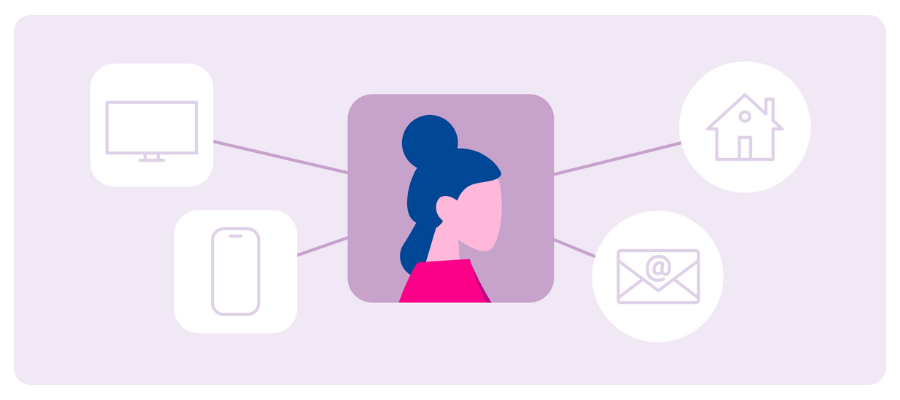
When evaluating identity graphs, it’s essential to distinguish between digital-only graphs, offline graphs, and those rare gems who combine both. Digital graphs rely on digital identifiers, while offline graphs are grounded in persistent identifiers like name, address, and phone number. A partner who offers both creates a more complete and reliable view of consumers across channels, resulting in more effective targeting and measurement.
3. Match rates are like dating profiles—don’t be fooled by the numbers

Match rates can look impressive, but they’re often misleading. They can also vary widely depending on the methodology and the IDs being tested. Some providers inflate match rates by limiting the scope of comparison or tweaking their standards. The real indicators of quality are the depth of the data, the quality of matches, and how often the graph is refreshed. Ideally, your partner updates their graph weekly or monthly. The inclusion of inactive IDs may inflate the perceived scale without reflecting the true addressable audience. It’s like having a profile photo from ten years ago–a major no-no.
4. Authentic origins: Is their data genuine or just a catfish?
Look into your partner’s data sources and place a premium on those with public records or direct to consumer relationships. Ask if they have the experience and expertise when it comes to all aspects of data processing from accuracy to privacy and security. Look for some clear third-party indicators for accuracy, like ratings from Truthset, but there is also a basic reality: either your partner is focused on privacy and accuracy, or they are just playing the scale game. Swipe left on those playing games.

5. The breadth to impress
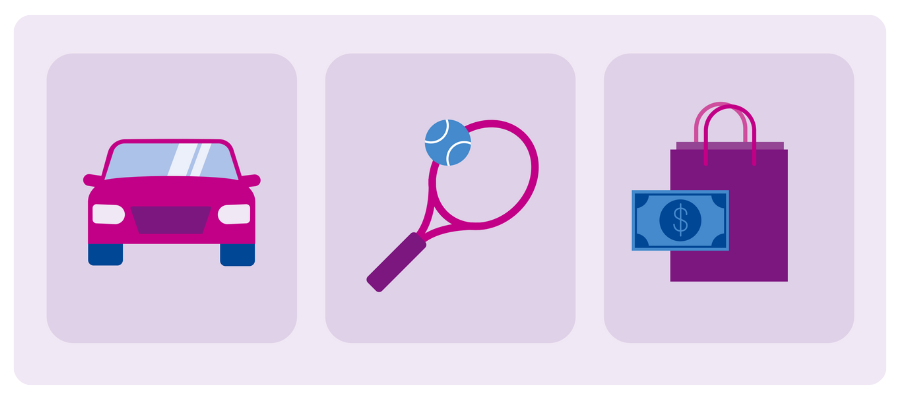
Depth matters as much as quality. Seek a partner with wide-ranging attributes that span key audience categories like demographics, interests, and purchase behavior. They should offer the flexibility to deliver both granular data scores and broad audience segments, empowering you to reach the right consumers across channels effectively.
6. The total package: Does your partner really have it all?
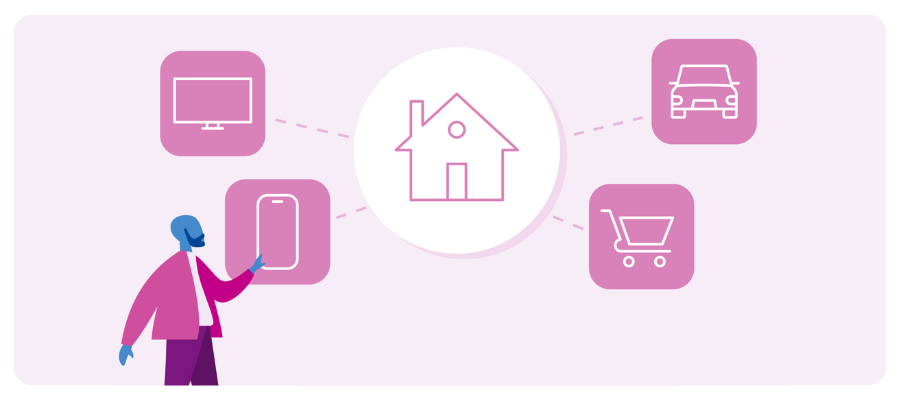
A true, lifelong partner connects the dots seamlessly, offering a blend of data and identity that link households to devices while layering in rich marketing insights. This approach helps advertisers better understand their customers, reach the right audiences across channels, and measure the impact of their campaigns. The right partner is well-connected and ensures that all the pieces—identity, data, and activation—work in harmony.
7. Future-proof charm: Will they ghost you when cookies crumble?

With the Identifier for Advertisers (IDFAs) gone, cookies on the wane, and IP addresses under scrutiny, a partner’s ability to adapt is critical. The most future-proofed solutions are based on offline identifiers like names and addresses, which are user provided and consented data points–making them more resistant to privacy changes. Additionally, look for partners who have made the necessary investments and are prepared to support the new wave of addressable IDs emerging as alternatives to traditional signals.
8. Privacy savvy: Do they respect boundaries?
As privacy laws evolve, you need a partner with a strong history in privacy compliance and proactive leadership in navigating new regulations. Strong and transparent privacy policies and participation in privacy organizations are a good indicator of trustworthiness, especially as new rules emerge across different states. Look for a partner who takes data privacy as seriously as you do and gives you peace of mind when handling sensitive information.

9. Seamless connectivity: Do they play well with others?

Data is only as useful as it is actionable. Connectivity across platforms is essential, so choose a partner with seamless integrations into the major platforms you rely on for advertising. This ensures your data quality and identity resolution remain intact throughout your campaigns, avoiding loss from multiple handoffs.
10. Killer customer service: Are they in it for the long haul?
A great partner collaborates to solve challenges, not just to sell or upsell. Long-standing partnerships and testimonials about strong customer service are key indicators of reliability. Choose a partner who educates and guides you through technical and strategic challenges, fostering an environment where problem-solving and innovation thrive.

Keep your standards high
Only a handful of companies can meet these rigorous criteria, and you should refuse to settle for a partner that lacks any of these key dimensions. Successfully navigating signal loss, privacy compliance, and seamless omnichannel integration requires extensive resources, robust infrastructure, and years of expertise.
So, swipe right on a partner who can handle the complexities of modern marketing and deliver consistent, scalable successful marketing outcomes. Could we be your perfect match?
Find out if it’s a match today
Latest posts
Healthcare personalization is stuck. Privacy-safe identity is the key to empathetic engagement
FeaturedThe next phase of healthcare engagement will be defined by organizations that treat identity and additional patient context as the foundation for decisioning, activation, and measurement.
A brief recap of Experian’s 2026 State of advertising report, covering advertising trends in AI, commerce media, healthcare, and more.

Yahoo DSP shares how ConnectID, interoperability, and Blueprint Performance support targeting and measurement, with Experian Audiences in Yahoo DSP.