At A Glance
Experian Audiences are now available in the Adobe Advertising DSP, giving advertisers and agencies a faster way to move from audience strategy to activation. This integration brings more than 3,500 Experian Audiences into the Adobe Advertising DSP, pairing reliable data, identity and media-buying tools to support relevance, reach, and campaign performance.For marketers, the goal is simple: dependable data, connected tools, and a more direct path from audience strategy to measurable advertising outcomes.
For many advertisers and agencies, audience strategies frequently stall between planning and activation. Teams may identify whom to reach, but require reliable data, scalable identities, and a direct path to media-buying platforms. Experian Audiences are now available in the Adobe Advertising DSP, giving marketers access to more than 3,500 audiences built with reliable data to support faster activation, broader reach, stronger relevance, and better campaign performance.
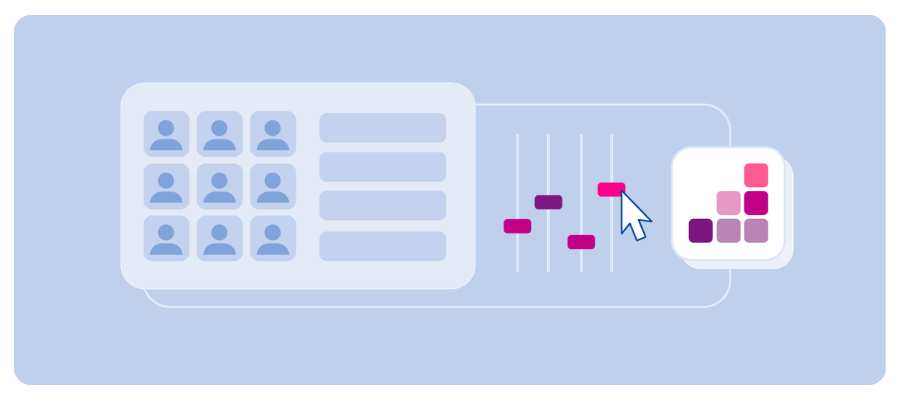
This brings together Experian’s data, audiences, identity, and partner ecosystem with Adobe Advertising’s AI-powered ad-buying capabilities within Adobe Experience Cloud. Adobe Advertising helps brands centralize planning, optimize media, and improve performance through purpose-built AI and integrated tools across Adobe Analytics, Adobe Customer Journey Analytics, and Adobe Real-Time CDP.

“Advertisers need audience solutions that are accurate, addressable, and easy to activate. Bringing Experian Audiences into the Adobe Advertising DSP gives marketers a faster path from reliable data to action. Together, Experian and Adobe Advertising help brands reach the right audiences, improve efficiency, and strengthen campaign performance.”
ExperianAli Mack, VP AdTech
How Experian Audiences support activation in the Adobe Advertising DSP
Marketers want to better understand their customers, engage them across channels, and accurately measure campaign impact. That is where Experian and Adobe Advertising can help.
Experian’s Digital Graph connects digital identifiers to households and individuals, helping advertisers extend audience reach across channels. For the Adobe Advertising DSP, this supports more addressable activation from first-party and third-party audience sources and gives marketers a stronger path to reach their intended audiences at scale.

Adobe Advertising advances this approach by unifying advertising and marketing technology. Their platform manages planning, buying, measurement, and optimization across connected TV (CTV), search, social, display, audio, and commerce channels.
Together, Experian and Adobe Advertising make it easier for advertisers to activate high-quality audiences where media decisions happen.
With Experian Audiences now available in the Adobe Advertising DSP, advertisers can:

“Our collaboration with Experian brings premium, identity-based audiences directly into Adobe Advertising, giving advertisers everything they need to perform. Together we’re putting powerful, identity-based audiences alongside advertisers’ own data to power custom algorithms that actually move the needle.”
Adobe AdvertisingPhil Cowlishaw, Managing Director
Audience strategies advertisers can activate in the Adobe Advertising DSP
Advertisers and agencies need a faster, more flexible way to move from campaign brief to audience activation. Whether you want toreach in-market shoppers, build a tailored audience, or connect messaging to consumer behavior,Experian Audiences gives advertisers and agencies a flexible way to progress from campaign brief to audience activation in the Adobe Advertising DSP.
Why connected audience activation matters for advertisers and agencies
Advertising has moved toward connected solutions that bring data, identity, media execution, and measurement together to drive stronger results.
For agencies and marketers, this unified approach simplifies audience planning and helps turn strategy into scalable media plans.
Together, Experian and Adobe Advertising give teams access to trusted audiences, AI-powered tools, and connected workflows that improve performance across the media lifecycle.
Connect with us to learn more
FAQs
Experian Audiences are now available directly in the Adobe Advertising DSP, giving advertisers access to more than 3,500 audiences for campaign activation. Marketers can move from audience planning to media execution with fewer handoffs between strategy, data selection ,and buying workflows.
Experian’s data, audiences, and identity foundation help marketers connect audience strategy to activation in the Adobe Advertising DSP. Experian’s Digital Graph connects digital identifiers to households and individuals, supporting addressable reach across first-party and third-party audience sources.
Advertisers can use Experian Audiences to support financial services, retail, CPG, auto, healthcare, pharma, TV and lifestyle campaigns. These audiences help marketers align campaign goals with consumer behaviors, purchase signals, channel preferences, and vertical-specific audience needs.
The Experian and Adobe integration helps agencies turn client audience strategies into scalable media plans inside the Adobe Advertising DSP. Agencies can use Experian Audiences to support planning, activation and optimization across channels such as CTV, display, audio, and commerce.
Latest posts

Learn how leading digital audio advertising platforms are solving identity challenges to increase personalization, reach, and ROAS.

Experian’s data marketplace is gaining traction across the ecosystem with 10+ top activation platforms and 20+ premium data providers.
Gaming brands have the data, but lack the full picture. Learn how Experian helps organize, enrich, and activate player insights.