At A Glance
Infillion and Experian collaborate to help advertisers connect with audiences across devices and channels, as cookies and mobile identifiers disappear. By integrating Experian's Digital Graph and Offline Identity Resolution, Infillion strengthens identity connections, improves campaign reach, and enhances audience engagement across CTV, mobile, and web.In our Ask the Expert Series, we interview leaders from our partner organizations who are helping lead their brands to new heights in AdTech. Today’s interview is with Ben Smith, VP of Product, Data Products at Infillion.
Adapting to signal loss
What does the Experian–Infillion integration mean for advertisers looking to reach audiences as signals fade?

As cookies and mobile identifiers disappear, brands need a new way to find and reach their audiences. The Experian integration strengthens Infillion’s XGraph, a cookieless, interoperable identity graph that supports all major ID frameworks, unifying people and households across devices with privacy compliance, by providing a stronger identity foundation with household- and person-level data. This allows us to connect the dots deterministically and compliantly across devices and channels, including connected TV (CTV). The result is better match rates on your first-party data, more scalable reach in cookieless environments, and more effective frequency management across every screen.
Connecting audiences across channels
How does Experian’s Digital Graph strengthen Infillion’s ability to deliver addressable media across channels like CTV and mobile?
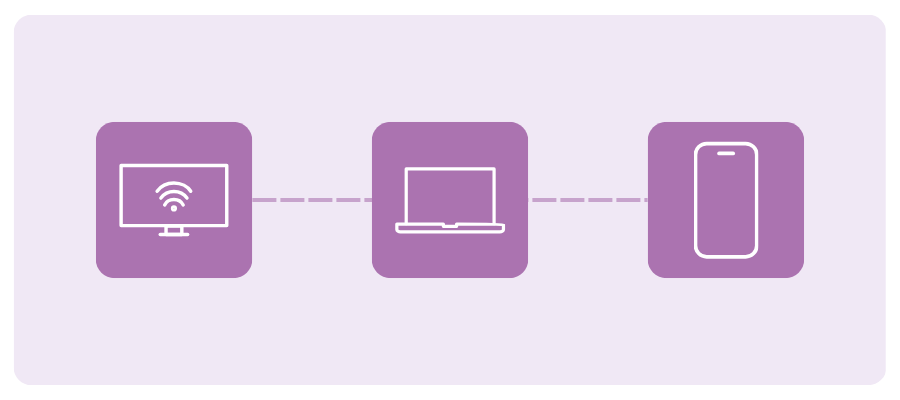
Experian strengthens the household spine of XGraph, which means we can accurately connect CTV impressions to the people and devices in that home – then extend those connections to mobile and web. This lets us plan, activate, and measure campaigns at the right level: household for CTV, and person or device for mobile and web. The outcome is smarter reach, less waste from over-frequency, and campaigns that truly work together across channels.
The value of earned attention
Infillion has long championed “guaranteed attention” in advertising. How does that philosophy translate into measurable outcomes for brands?
Our engagement formats, such as TrueX, are based on a simple principle: attention should be earned, not forced. Viewers choose to engage with the ad and complete an action, which means every impression represents real, voluntary attention rather than passive exposure. Because of that, we consistently see stronger completion rates, deeper engagement, and clearer downstream results – like lower acquisition costs, improved on-site behavior, and measurable brand lift.
To take that a step further, we measure attention through UpLift, our real-time brand lift tool. UpLift helps quantify how exposure to a campaign influences awareness, consideration, or purchase intent, providing a more complete picture of how earned attention translates into business impact.
Creative innovation and location insights
Beyond identity resolution, what are some of Infillion’s capabilities, like advanced creative formats or location-based insights, that set you apart in the market?
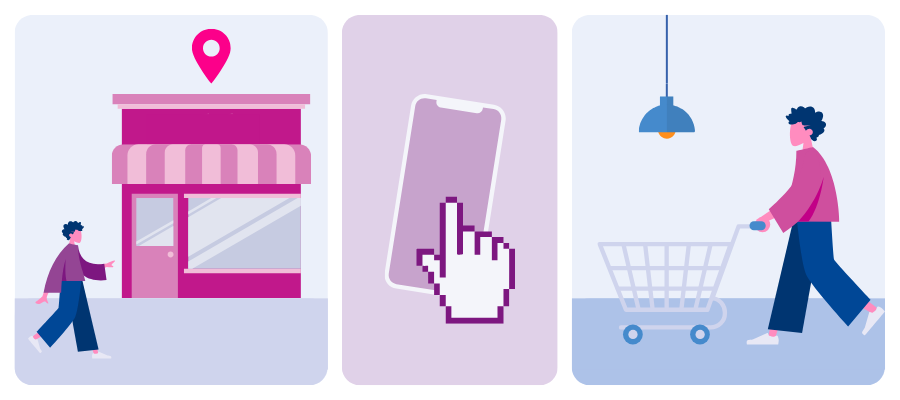
One key area is location intelligence, which combines privacy-safe geospatial insights with location-based targeting through our proprietary geofencing technology. This allows us to build custom, data-driven campaigns that connect media exposure to real-world outcomes – like store visits and dwell time – measured through Arrival, our in-house footfall attribution product.
We also build custom audiences using a mix of zero-party survey data, first-party location-based segments, and bespoke audience builds aligned to each advertiser’s specific strategy.
Then there’s creative innovation, which is a major differentiator for us. Our high-impact formats go beyond static display, such as interactive video units that let viewers explore products through hotspots or carousels, rich-media ads that feature polls, quizzes, dynamic distance, or gamified elements, and immersive experiences that encourage active participation rather than passive viewing. These creative formats not only capture attention but also generate deeper engagement and stronger performance for a variety of KPIs.
Future ready media strategies
How does Infillion’s ID-agnostic approach help brands future-proof their media strategies amid ongoing privacy and tech changes?
We don’t put all our eggs in one basket. XGraph securely unifies multiple durable identifiers alongside our proprietary TrueX supply to strengthen CTV household reach. This agnostic design allows us to adapt as platforms, regulations, and browsers evolve – so you can preserve reach and measurement capabilities without getting locked into a single ID or losing coverage when the next signal deprecates.
Raising the bar for media accountability
Looking ahead, how is Infillion evolving its platform to meet the next wave of challenges in audience engagement and media accountability?
From an engagement standpoint, we’re expanding our ability to support the full customer journey, offering ad experiences that move seamlessly from awareness to consideration to conversion. That includes smarter creative that adapts to context, intelligent targeting and retargeting informed by real data, and formats designed to drive measurable outcomes rather than just impressions.
When it comes to accountability, we’re ensuring that measurement is both flexible and credible. In addition to our proprietary tools, we partner with leading third-party measurement providers to validate results and give advertisers confidence that their investment is truly performing. Within our DSP, we emphasize full transparency and log-level data access, ensuring advertisers can see exactly what’s happening on every impression.
All of this builds toward the next era of agentic media buying – one enabled by our MCP suite and modular, component-based tools. This evolution brings greater accountability and next-generation audience engagement to an increasingly automated, intelligent media landscape. Our goal is to help brands connect more meaningfully with audiences while holding every impression – and every outcome – to a higher standard of transparency and effectiveness.
Driving impact across the funnel
What is a success story or use cases that demonstrate the impact of the Experian–Infillion integration?
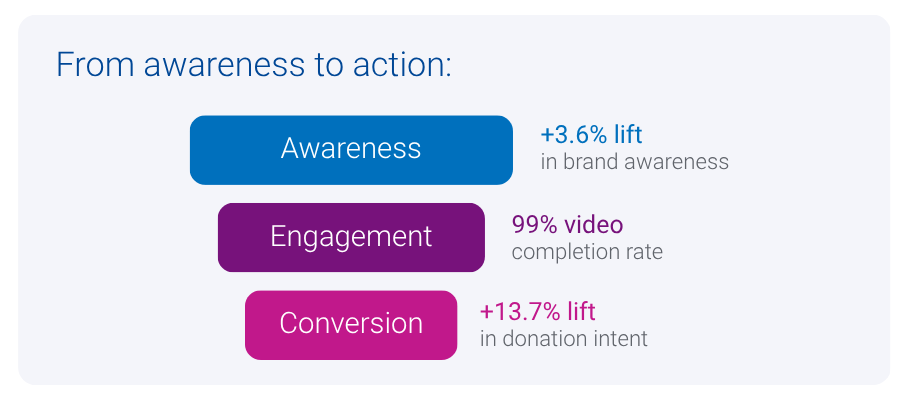
We recently partnered with a national veterans’ organization to raise awareness of its programs for injured or ill veterans and their families. Using the Experian integration, we combined persistent household- and person-level identifiers with cross-device activation to reach veteran and donor audiences more precisely across CTV, display, and rich media. The campaign achieved standout results – industry-leading engagement rates, a 99% video completion rate, and measurable lifts in both brand awareness (3.6 % increase) and donation consideration (13.7% lift). It’s a clear example of how stronger identity and smarter activation can drive meaningful outcomes across the full funnel.
Contact us
Identity resolution FAQs
Identity resolution ensures accurate connections between devices, households, and individuals. Experian’s Offline Identity Resolution and Digital Graph strengthen these connections for improved targeting and consistent measurement across CTV, mobile, and web.
Solutions like Experian’s Digital Graph enable brands to connect first-party data to household and person-level identifiers, ensuring scalable reach and compliant audience targeting legacy signals fade.
Focusing on earned attention (where audiences actively choose to engage) leads to stronger completion rates, improves on-site behavior, and drives measurable increases in brand awareness and consideration.
By linking CTV impressions to households and extending those connections to mobile and web, Experian’s identity solutions ensure campaigns work together seamlessly, reducing over-frequency and improving overall reach.
About our expert

Ben Smith
VP Product, Data Products, Infillion
Ben Smith leads Infillion’s Data Products organization, delivering identity, audience, and measurement solutions across the platform. Previously, he was CEO and co-founder of Fysical, a location intelligence startup acquired by Infillion in 2019.
About Infillion

Infillion is the first fully composable advertising platform, built to solve the challenges of complexity, fragmentation, and opacity in the digital media ecosystem. With MediaMath at its core, Infillion’s modular approach enables advertisers to seamlessly integrate or independently deploy key components—including demand, data, creative, and supply. This flexibility allows brands, agencies, commerce and retail media networks, and resellers to create tailored, high-performance solutions without the constraints of traditional, all-or-nothing legacy systems.
Latest posts

Industry leaders recently gathered at the influential Beet Retreat 2023 conference held in Santa Monica, sharing forward-looking perspectives on the future of advertising. This renowned event known for its diverse mix of leaders from TV, agencies, advertising, and technology sectors, was enriched by insights from Experian’s very own Chris Feo, SVP of Sales & Partnerships, and Kimberly Gilberti, Chief Product Officer. Both Feo and Gilberti brought their expertise and perspectives for harnessing the potential of high-growth connected TV (CTV) advertising. The era of connected everything at Beet Retreat 2023 In the “Era of Connected Everything,” panel, Feo dived into the concept of a ‘connected everything’ world. He emphasized the importance of balancing consumer and privacy expectations with the increasing integration of AI and machine learning. “As decisioning evolves, creative tech and data derived from creative scale will play a bigger role.”chris feo, svp, sales & partnerships Feo further discussed the potential of creative technology, particularly in how AI and machine learning could revolutionize content personalization. He cited examples where the same creative content is used indiscriminately across diverse demographics, suggesting a future where creative content adapts and performs well for a variety of audience identities. Experian's balanced approach at Beet Retreat 2023 During a fireside chat, Gilberti shared her vision on the transformative role of television in the advertising technology landscape. “Connecting exposure to business outcomes is the holy grail of measuring CTV and effectiveness.”kimberly gilberti, chief product officer Her insights reflected the growing interplay between digital and traditional TV advertising, and the opportunities arising from this convergence. Gilberti emphasized the critical role of data analytics in enabling advertisers to tailor content more effectively to diverse TV audiences. She envisioned a future where the integration of digital strategies and traditional TV advertising create a more cohesive and impactful AdTech approach. Future focus: Diversification and partnerships Both Feo and Gilberti underscored the need for advertisers to diversify their partnerships. By working with a variety of partners, you can mitigate risks and foster innovation, ensuring you are not overly dependent on a single channel or approach. Navigate what’s next with Experian Experian's contributions at Beat Retreat 2023 underscore our pivotal role in the AdTech industry. With a unique balance of offline and online data expertise, we are not just adapting to changes but leading the way in innovation and strategy. Our insights and approaches, as highlighted by Feo and Gilberti, demonstrate our commitment to guiding the industry through its rapid evolution, making our role indispensable in the future of advertising technology. At Experian, we’re your partner in data-driven marketing and can help make your interactions more meaningful. To learn more, connect with a member of our team today. Connect with us Latest posts

Experian is excited to introduce our new Geo-Indexed audiences. Our Geo-Indexed audiences use a new advanced indexing classification technology to identify and reach consumers based on their geo-regional attributes. These audiences can help you discover, segment, and craft messaging for consumers without the use of sensitive personal information, so you can confidently reach your target audience without sacrificing data privacy. In this blog post, we’ll review how our new Geo-Indexed audiences can help you reach your audience while balancing data privacy and accuracy. How we collect and use data is changing The AdTech industry is undergoing a transformation as various forces shape its trajectory. One significant factor is legislation, with as many as 26 states currently considering data privacy laws. Consumer preferences also play a crucial role, as more individuals look to brands for responsible and ethical data handling practices. According to Forbes, 82% of people view brands positively when they consciously opt to refrain from using personal data for personalized ads. Major players in the field such as Apple and Google are actively pushing for a shift away from traditional methods like cookies and other identifiers in data collection and usage. These developments mark a considerable shift in how we use data. Many brands are seeking a few solutions to continue to find and reach their target audience online, but at Experian, we see a great opportunity for innovation and impact within geo-based targeting solutions. “We predict that over the next year, you will begin to see innovations in geo-based targeting methodologies that satisfy the industry's need for audience targeting with responsible data strategies. By embracing innovations in geo-based targeting and adhering to responsible data strategies, you can not only comply with these laws but continue to reach your intended audiences effectively.”jeremy meade, vp, marketing data & operations Introducing Experian’s Geo-Indexed audiences Geo-Indexed audiences from Experian allow brands to reach consumers and households based on geographic regions that over-index for a common set of attributes. Our Geo-Indexed audiences give brands the ability to: Stay connected: Maintain a touchpoint with consumers as other audience targeting solutions disappear or reduce scale due to new legislation. Expand your audience reach: With our sophisticated geo-indexing methodology, you will be reaching your target audience’s circle of influence within the geo-region. Execute where you want: By linking our Geo-Indexed audiences to Experian’s persistent identifiers, you can activate these audiences on the shelf of your platform of choice. As a part of the release of Geo-Indexed audiences, we will be rolling out three main categories: Language Ethnic Group Demographics which include: Education Household Income Marital Status Occupation Presence of Children Over the next year, we will continue to release new audiences within Geo-Indexed audiences. How you can use Geo-Indexed audiences An Auto brand has a new corporate policy restricting the use of sensitive personal information in audience targeting but would like to reach high-income earners. To reach their target audience they use the Geo-Indexed audiences to reach households who are in geographic regions that index highly for income ranges ‘$175,000 – $199,999’ and ‘$200,000+.’ Prioritize privacy without sacrificing accuracy with Experian’s Geo-Indexed audiences Our Geo-Indexed audiences are available in most major data and demand-side platforms. Visit our partner page for more information. Don’t see our audiences on your platform of choice? We can help you build and activate an Experian audience on the platform of your choice. Connect with our audience team Latest posts

In this article…What is a walled garden?Integrated marketing is more important than everPerspectives on walled gardens from Cannes Lions 2023Walled gardens aren’t going away in the near futureThe fuure of walled gardens Digital marketers face an ongoing challenge in the form of "walled gardens," closed online ecosystems where it is difficult to access user data. As we get ready for 2024, it's more important than ever for marketers to evaluate the current challenges and opportunities surrounding walled gardens and to take stock of the impact of walled gardens in marketing as an industry. What is a walled garden? A walled garden is a closed online ecosystem controlled entirely by one tech company. Advertising on these ecosystems is fairly locked down, as major tech companies with walled gardens tend to tightly control access to the user data, content, and advertising that appears within the ecosystems. Some examples of walled garden ecosystems include Google, Facebook, Amazon, and Apple. These walled gardens have particular advantages, like access to massive user bases and precise targeting within the individual ecosystems. It can also be difficult to reach said audiences outside of the ecosystems, reducing the amount of control you have over your advertising strategies. Learn more about walled gardens. Learn the differences between walled gardens and hedged gardens. Integrated marketing is more important than ever Today, it's become more crucial to connect with consumers over multiple touchpoints, which can be done from tech like connected TV (CTV) to websites, mobile devices, and even shopping in a physical store. However, as integrated marketing gains utility, many platforms with walled garden ecosystems have increased, making a truly integrated and personalized marketing strategy more difficult in many situations. As a result, many marketers have realized the value of a more streamlined marketing approach, emphasizing the importance of fully integrated advertising strategies. Though there are surely marketing advantages to gain from walled garden ecosystems, especially in audience size, the challenges they pose will require you to innovate and find more creative ways to engage with your audience from platform to platform. Perspectives on walled gardens from Cannes Lions 2023 Offering a poignant view of industry trends and ideas, the Cannes Lions International Festival of Creativity of 2023 had much to say about the significance of walled gardens in the marketing world. Let's look at two key takeaways from this year's festival. Retail media In recent years, many retail companies have started selling ad space within their own walled garden shopping platforms, dubbed "retail media." Platforms like Amazon and Walmart have developed their own particular advertising ecosystems where they sell ads to marketers within the shopping environment itself. Navigating the sell-side of retail media’s walled gardens While retail media offers marketers unique opportunities, it's not without its challenges. For one, ad space in these environments is limited, so the competition can be difficult on the sell-side, leading to higher ad costs. Additionally, this shift in dynamic also forces marketers to change how they prioritize their marketing channels, looking closer at the results of their efforts rather than focusing on particular channels within the platforms themselves. Opportunities in the buy-side of retail media’s walled gardens Brands on the buy-side see various benefits from advertising within retail media channels and walled gardens. By browsing in an online shopping environment, the users in these ecosystems are likely high-intent shoppers, people who are further down the sales funnel and who are ready to make a purchase soon. Shoppers can also be precisely targeted within these environments, as marketers are given the ability to access very specific audience segments based on details like shopping behavior, preferences, and even purchase history. Omnichannel marketing To more effectively engage audiences even among an abundance of walled garden ecosystems, speakers at the 2023 Cannes Lions Festival discussed the importance of omnichannel marketing. By emphasizing strategies that reach the consumer through multiple touchpoints, marketers can deliver a unified brand experience across channels. This allows marketers to focus more on results than specific advertising channels, including walled garden platforms. Walled gardens aren’t going away in the near future Though various challenges are associated with walled gardens in advertising, they aren't going anywhere. So, what's the current state of these environments throughout the industry? Efforts are being made to break down walled gardens in tech In a handful of countries, regulatory actions have been put forward to address how dominant many major tech companies are in their respective markets. One major example of this is Meta and Google's entanglements in Canada. Currently, neither company can display news on their websites in the Canadian market. This decision was reached to give Canadian news agencies more control over their advertising revenue since, previously, the tech giants received more views and, therefore, gained the ad revenue. Though relatively small, this does indicate a certain shift in dynamic. Why companies are resisting Despite their challenges, walled gardens in 2023 persisted, mainly because they are particularly adept at generating revenue for the tech companies that control them. In 2022, 78 percent of global digital advertising revenue came from these closed ecosystems, and projections expect that figure to rise to 83 percent by 2027. From the viewpoint of a company that operates in a walled garden, the idea of releasing their control over their environment represents losing out on a stream of vast revenue, making letting go of a walled garden ecosystem an unattractive prospect. The future of walled gardens As time progresses, what can digital marketers like you expect from walled garden ecosystems in the near future? A cookieless future A huge element to consider is the transition to a cookieless future. Many major browsers have begun phasing out the use of third-party cookies. In the wake of this decision, many are looking for reasonable alternatives that allow for behavior tracking and more personalized advertising experiences. Solutions like Experian's identity resolution can provide a strong alternative option, allowing marketing strategies to adapt to the current landscape. An influx of mini gardens You should also anticipate the proliferation of various smaller, specialized walled garden ecosystems in the future. These so-called "mini gardens" specialize in more niche audiences and industries, and they can present their own challenges and opportunities. Alternative IDs As you search for new identification methods outside cookies, various alternatives have presented themselves, requiring further exploration and experimentation. Among these are privacy-compliant solutions like Unified ID 2.0, which allow you to serve more personalized ads without compromising the consumer's privacy. Navigating the evolving landscape of walled gardens in 2024 As we begin 2024, you will continue facing opportunities and challenges regarding walled gardens. The 2023 Cannes Lions International Festival of Creativity re-emphasized how important it is for marketers to stress omnichannel marketing within walled garden environments and become well acquainted with identity resolution solutions as we move into a cookie-less future. All of this requires you to become comfortable with walled gardens being here to stay and innovate to navigate an evolving and developing landscape. We’re here to help you navigate the evolving landscape of walled gardens in 2024. Contact us today. Get in touch Latest posts