Tag: hybrid vehicles

The automotive market is entering a new phase defined not just by what consumers are buying, but by how they’re choosing to finance it. According to Experian Automotive’s State of the Automotive Finance Market Report: Q1 2026, nearly one-third (35.55%) of all new vehicle loans now stretch more than six years, up from 30.83% in Q1 2025. Similarly on the used side, 31.54% of loans extended more than six years, an increase from 28.60% last year. The shift highlights why affordability is reshaping how consumers are financing their vehicles, particularly in larger and higher-priced vehicles. Refinancing gains traction as interest rates stabilize In addition to longer-term loans, consumers are becoming increasingly deliberate with their financing decisions and managing monthly payments as refinancing activity has gained momentum. For instance, consumers who refinanced this quarter lowered their interest rate by 2.2% and saved an average of $81 on their monthly payment. Credit unions, in particular, continued to play a major role in helping consumers secure more affordable payment options. In Q1 2025, credit unions accounted for the lion’s share of automotive refinancing at 63.43%, from 62.31% a year ago. By comparison, banks went from 23.51% to 22.59% year-over-year. Furthermore, those who refinanced with a credit union saved an average of $101 this quarter, whereas those who refinanced with banks saved $60. Expanding credit access through flexible financing Another notable trend this quarter was the incessant growth in subprime financing as credit accessibility across the market continues to increase. In the first quarter of this year, subprime borrowers made up 15.75% of total vehicle financing, from 14.40% last year. For new vehicles in particular, the subprime market went from 5.61% to 6.88% year-over-year, while subprime in used vehicle financing grew to 20.60% this quarter, from 19.36% a year ago. Increased activity in the subprime segment highlights continued confidence in the automotive market and underscores the importance of expanded financing options. As consumers seek greater flexibility with financing decisions that fit their lifestyle, lenders and dealers have the opportunity to approach them with more personalized solutions. These trends are helping keep both new and used vehicle markets moving forward, while creating new opportunities for consumers to manage payments and purchase confidently. To learn more about automotive finance trends, view the full State of the Automotive Finance Market Report: Q1 2026 presentation on demand.

As vehicle inventory continues to restore post-pandemic, data through the third quarter of 2023 showed new vehicle registrations are on the rise again—a positive sign that the market is leveling out. According to Experian’s Automotive Market Trends Report: Q3 2023, new vehicle registrations increased 12.7% year-over-year, reaching 11.5 million. On the used side, registrations declined to 29.3 million through Q3 2023, a 2% decrease from 29.9 million last year. Digging a bit deeper, CUVs/SUVs were the most registered new vehicle segment at 56.9%, up from 56.2% compared to last year. Pickup trucks declined from 18.6% to 17.4% year-over-year and sedans went from 17.1% to 16.8% in the same time frame. While knowing what types of vehicles consumers are interested in is beneficial for automotive professionals, breaking down the most sought-after models will paint a fuller picture as they assist shoppers in finding a vehicle that fits their needs. For instance, despite new pickup truck registrations declining year-over-year, the Ford F-150 made up the highest share of new vehicle registrations through Q3 2023—reaching 3%. The Tesla Model Y and Toyota RAV4 were not far behind, both coming in at 2.5% this quarter. They were followed by the Chevrolet Silverado 1500 and Honda CR-V tying at 2.3%. ICE vehicles continue to grow Taking a deeper dive into the fuel type share, ICE vehicles continue to grow year-over-year, even with electric vehicles (EVs) making headway into the market. Experian Automotive’s Vehicles in Operation (VIO) data as of Q3 2023 shows ICE vehicle registrations grew to 265.7 million, up from 264.5 million last year, while hybrid vehicles increased to 8.0 million, from 6.9 million in the same time frame. Meanwhile, EVs went from 2.0 million last year to 3.0 million this year and diesel saw a slight uptick from 9.6 million to 9.9 million in the same period. Leveraging different data points and staying up to date on vehicle registration trends can better prepare professionals as the market remains ever-changing and consumer preference continues to shift. To learn more about vehicle market trends, view the full Automotive Market Trends Report: Q3 2023 presentation on demand.

New EV registrations have increased almost 60% since this time last year—and while gasoline vehicles continue to dominate the market, data shows new gasoline registration volumes are dropping year-over-year.

According to Experian’s Automotive Market Trends Report: Q1 2022, new vehicle registrations were down 19% from the prior year—declining to 3.4 million. Used registrations went from 11.4 million to 9.9 million year-over-year, decreasing 13.2%.
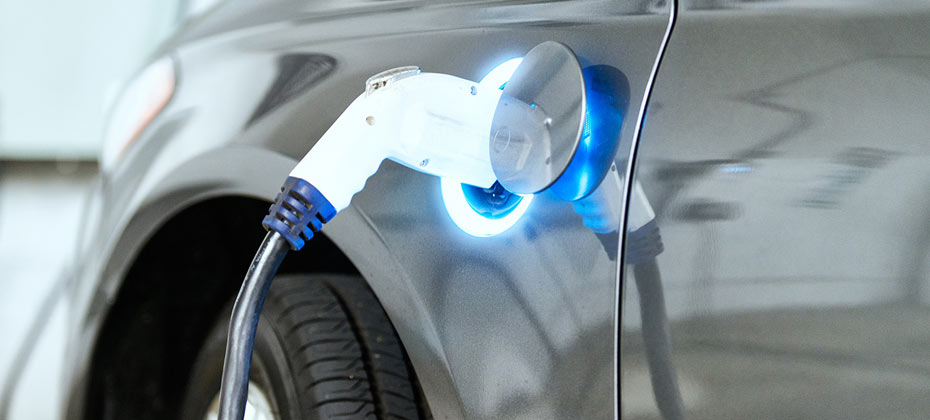
The Q4 2020 State of the Automotive Finance Market report zooms in to get a better picture of the alternative fuel marketplace.