Fraud & Identity

Fraudsters combine and manipulate real consumer data with fictitious demographic information to create a “new” or “synthetic” identities.

Businesses are looking to international markets to fuel growth, but meeting regulatory requirements across the globe poses significant challenges. Changes in Anti-Money Laundering (AML) and Know Your Customer (KYC) requirements are evolving at break-neck speed. In the past few years, financial institutions and corporations have incurred billions of dollars in fines, reputation damage, and even the possibility of criminal prosecution for not enforcing adequate regulatory controls. KPMG found that 70 percent of its respondents had received a regulatory visit within the past year focused on KYC and total investment in AML had increased by an average rate of 53 percent. As large as this additional investment may seem, there may be an even bigger cost to doing regulatory compliance the right way. For many businesses the customer experience is the biggest casualty of implementing a robust KYC program. In their Vision 2016 breakout session “Know your customer, meeting commercial requirements in a global marketplace,” Greg Carmean, Experian senior product manager, will be joined by Adel Shrufi, software development manager at Amazon Transaction Risk Management Systems. They will discuss: • How to streamline compliance to optimize the client experience • How to evaluate and select the best vendors to reduce compliance costs and operational vulnerabilities • What businesses need to consider to ensure successful launches in new international markets Watch our session preview video below: We’ll look forward to seeing you as we provide a road map for growth at this year’s Vision conference.

Whether you’re a small business owner or a global corporation, the cost of being without cyber insurance after an incident can be extreme.
A recent Experian study reveals that tax filing, document collection and refund processing are done online more often, yet only 6% of consumers file taxes on a computer with up-to-date antivirus software. 79% filed their most recent tax return online, up from 73% in 2011 18% scan and save their tax documents electronically, up from 6% in 2011 More than 75% of respondents have used EFT for tax refunds As electronic filing continues to grow, identity theft is likely to increase. While consumers should take steps to protect themselves, businesses also need to employ identity theft protection solutions to safeguard consumer information. >> Identify and prevent fraud

Device emulators are devices that pretend to be another. Innovative technology used for site testing for Web developers, attackers use to wreak havoc across industries

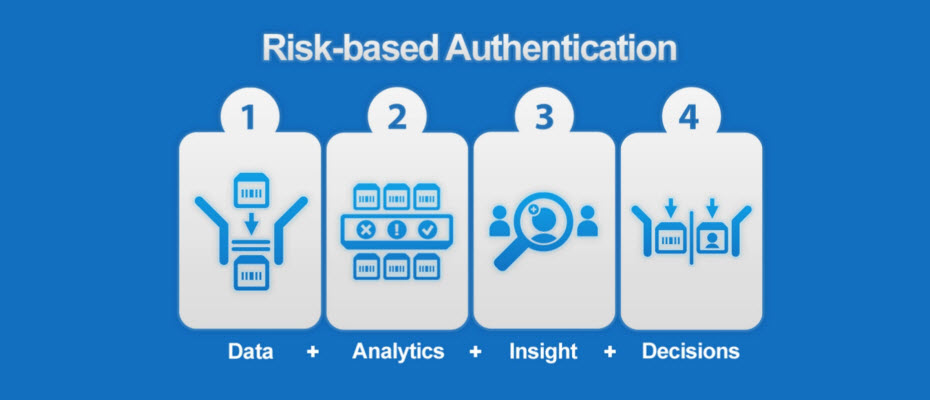
Identity management traditionally has been made up of creating rigid verification processes that are applied to any access scenario. But the market is evolving and requiring an enhanced Identity Relationship Management strategy and framework. Simply knowing who a person is at one point in time is not enough. The need exists to identify risks associated with the entire identity profile, including devices, and the context in which consumers interact with businesses, as well as to manage those risks throughout the consumer journey. The reasoning for this evolution in identity management is threefold: size and scope, flexible credentialing and adaptable verification. First, deploying a heavy identity and credentialing process across all access scenarios is unnecessarily costly for an organization. While stringent verification is necessary to protect highly sensitive information, it may not be cost-effective to protect less-valuable data with the same means. A user shouldn’t have to go through an extensive and, in some cases, invasive form of identity verification just to access basic information. Second, high-friction verification processes can impede users from accessing services. Consumers do not want to consistently answer multiple, intrusive questions in order to access basic information. Similarly, asking for personal information that already may have been compromised elsewhere limits the effectiveness of the process and the perceived strength in the protection. Finally, an inflexible verification process for all users will detract from a successful customer relationship. It is imperative to evolve your security interactions as confidence and routines are built. Otherwise, you risk severing trust and making your organization appear detached from consumer needs and preferences. This can be used across all types of organizations — from government agencies and online retailers to financial institutions. Identity Relationship Management has three unique functions delivered across the Customer Life Cycle: Identity proofing Authentication Identity management Join me at Vision 2016 for a deeper analysis of Identity Relationship Management and how clients can benefit from these new capabilities to manage risk throughout the Customer Life Cycle. I look forward to seeing you there!
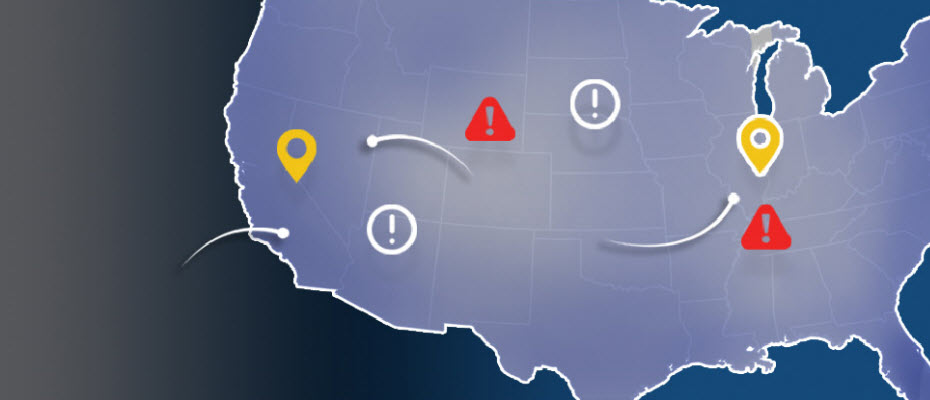
Experian analyzed millions of transactions from 2015 to identify top states for billing and shipping e-commerce fraud.

Tax return fraud occurs when an attacker uses a consumer’s stolen SSN and other information to file a tax return, often claiming a significant refund.
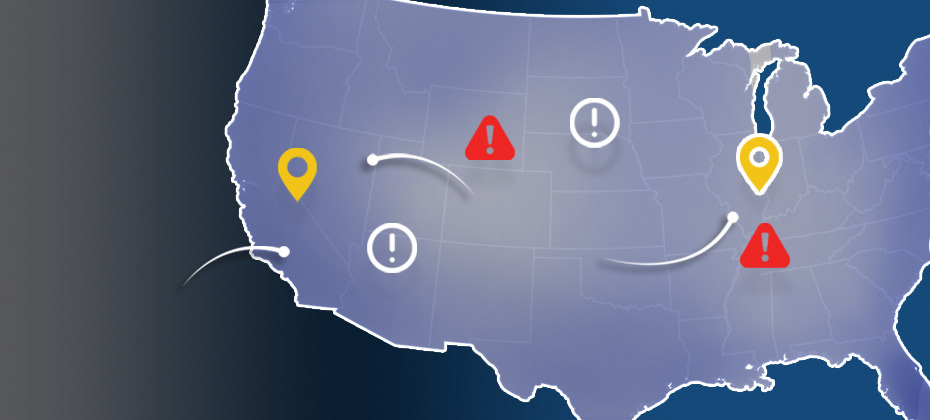
Experian analyzed millions of 2015 data to identify e-commerce fraud attacks across the United States for fraud by shipping and billing locations.

Loyalty fraud occurs when criminals obtain login credentials (either through breach, malware, phishing, etc.) and use your profile to purchase goods.


A recent Experian survey shows a growing concern over identity theft and tax fraud. 42% of consumers are concerned that someone could access their personal data through their tax return, compared with 35% in 2014 and 38% in 2015 28% of consumers have been a victim or know someone who has been a victim of tax fraud Tax season is a busy time of year for identity thieves. While consumers should take steps to protect themselves, businesses also need to employ ID theft protection solutions in order to safeguard consumer information. >> Identify and prevent multiple types of fraud

According to a recent Experian Marketing Services study, 36% of companies interact with customers in five or more channels.

Data Privacy Day reminds consumers to protect their privacy online — and for organizations to ensure they are vigilant in their fight against fraud.

Thanks to a recent announcement from the Internal Revenue Service, identity theft protection will now be considered a non-taxable benefit.