Patient Experience
Learn how your organization can drive patient loyalty and create excellent patient experiences, every time.
Healthcare consumerism is on the rise. Your patients no longer see themselves as passive participants in their healthcare journey—they’re active consumers, who have come to expect the same frictionless experience they might find in other industries. They have options. If they’re dissatisfied with their experience, they can go back to the menu of providers and choose something different. But when patients feel supported and respected through their healthcare journey, they’ll remain loyal to your organization, even becoming brand ambassadors. Following the Medical Group Management Association’s (MGMA’s) Annual Meeting in New Orleans a few weeks ago, it became clear that nurturing patient loyalty remains at the top of the list for medical groups looking to stay competitive in an increasingly consumer-driven market. For providers wanting to create an outstanding patient experience (and encourage greater patient loyalty), a good place to start is improving access to care. Win patients’ hearts and minds before they’ve even set foot in your facility. The goal should be to leverage advances in digital technology to make it as easy as possible for patients to find physicians, access schedules, book appointments and take control of their health. Improving patient access through digital care coordination Medical groups should look at how they are using data and digital technology to improve the patient experience in three key areas: Scheduling Laying the groundwork for a positive patient experience starts with making sure the appointment process is as painless as possible. Imagine a mother is woken during the night by her sick infant. Using a traditional scheduling model, she’d have to wait until the next day to call and schedule an appointment with the pediatrician. But if she could schedule an appointment there and then through the pediatrician’s website, this would not only be more convenient and reassuring for her, it would reduce operational strain on the medical practice, who would have fewer calls to handle. Online self-scheduling is the most convenient way for patients to both find a physician or specialist and access care, all on their own terms. By implementing online scheduling, medical groups will see higher rates of patient satisfaction and engagement and an increase in patient acquisition and retention. Care referrals The referral process is another common pain point for patients. For such a crucial process, it’s surprisingly consumer-unfriendly. Patients struggle to connect with recommended specialists and when they do, they often can’t get an appointment for weeks. Many organizations don’t realize how much revenue they could be losing when frustrated patients look elsewhere for care. With a more sophisticated referral process, providers can transform the discharge experience and ensure patients get the follow-up appointments they need—within the same network. One health system in the south east has generated tens of millions of dollars simply by booking follow-up appointments before patients even leave the facility, so they’re less likely to be lost to out-of-network referrals. Decision support Most providers have scheduling rules that determine which patients their clinicians should see and when. What they don’t always have is a way to automate the process so that patients can book online or seek a referral, while still following these scheduling criteria. The provider needs to be confident that if a patient with knee pain wants to book an appointment with an orthopedic specialist, they need to be sure they don’t inadvertently choose someone who specializes in shoulder injuries or pediatrics. The problem isn’t solved by booking by phone. Securing referrals through a call center can be a cumbersome process, eroding patient trust and contributing to scheduling bottlenecks and staff dissatisfaction. But when scheduling is digitized, providers no longer have to worry about these challenges. Automating decision-making creates a simpler process for everyone and most importantly, ensures the patient connects with the right specialist in the least amount of time. How analytics can help you create a consumer-centric organization For leaders considering how to create a more consumer-centric health system, re-imagining patient access should be a top priority. A tool such as Patient Schedule gives your patients a convenient and simple way to manage their appointments and follow-up, so they see the right clinician at the right time, without any of the usual hassle that comes with the scheduling process. On the flipside, automating your patient access protocols also gives your team the intel required to increase capacity to see patients and boost revenue through better acquisition and retention. You’ll be able to track how many patient visits turn into booked appointments, identify the points at which patients drop out of the process and spot bottlenecks in your scheduling. These insights could reveal endless opportunities to make simple tweaks that will give both patients and staff a smoother ride through patient access. Data analytics mean you no longer need to be operating blind when it comes to unblocking the bottlenecks in patient access. You’ll know exactly where to focus your efforts to improve the experience for your patients and grow your competitive advantage at the same time.

Imagine being able to offer your patients a financial experience that doesn’t stress them out. That makes patient billing quick and simple. That knocks off a few minutes from each patient registration. And that even boosts your revenue. These are just some of the benefits attendees at last week’s Cerner Health Conference were considering as they discussed opportunities for faster innovation, smarter working and transformation in the future of healthcare technology. When it comes to working smarter, attendees seemed to agree that one aspect of the healthcare experience comes out top for providers and patients alike: the cost of care. This is especially true because patients are increasingly responsible for paying their healthcare costs. And since the way services are reimbursed is constantly changing, patients are often left in the dark about how much they’ll have to pay, or how they’ll be able to afford it. Patients are struggling under the weight of financial burden We know this can have serious implications for their physical, emotional and financial health. A recent survey by the Nationwide Retirement Institute showed that as many as one in three patients aged 25-45 are delaying medical care because they’re worried about the cost, instead keeping their fingers crossed and hoping that the issue will disappear by itself. A third shop around for better prescription prices, with many not taking their meds as often as instructed in order to save money. More than half of patients wouldn’t be able to afford an unexpected bill over $1000, while a staggering 530,000 families are bankrupted by medical costs every year. Healthcare providers often end up bearing the burden of uncompensated care, or waste valuable time and resources working to uncover missing or undisclosed coverage. Either way, all this wrangling for payment has a major impact on the organization’s bottom line as well as the patient financial experience. To tackle some of these challenges, we’ve teamed up with Cerner® to support healthcare organizations to provide more compassionate and convenient billing practices. At last week’s conference, we launched the Cerner Consumer Financial Engagement suite, a newly embedded experience within Cerner’s Consumer Framework that will optimize the billing process for both patients and providers, powered by Experian® data. 3 ways the Cerner Consumer Financial Engagement suite can optimize your patient collections One of the biggest pain points for patients when it comes to managing their healthcare bills online is needing to switch between different systems for different administrative tasks. This new partnership will let patients who use the Cerner Consumer Framework access and manage all aspects of their online healthcare account in one place, creating a more convenient financial experience. The new tool will help providers improve patient collections in three ways: Smarter patient engagement When you have insights into your patients’ financial circumstances and propensity to pay, you can make more informed decisions about how to approach collections and get them on the right program from the start. Using Experian’s industry-leading datasets, providers will be able to use the Consumer Financial Engagement suite to spot patients who may benefit from alternative payment plans or financial assistance and make personalized offers that are compassionate and relevant. Giving patients a one-stop-shop for managing bills Patients are coming to expect a better experience – similar to what they might see in online retail and financial services. When it’s easy for them to settle their bills, they’re more likely to conclude their healthcare journey on a positive note and feel reassured about sticking with your organization the next time they need care. With an all-in-one patient dashboard showing current billing information, insurance deductible status, transparent cost estimates and tools to activate pay plans or financial assistance, the Cerner Consumer Framework creates a frictionless and transparent billing experience, leading to fewer late or unpaid bills and more satisfied patients. Simple and efficient collections When it comes to payments, proactive communication can help ward off some of the sticker shock that comes with unanticipated treatments and bills. The new financial engagement tool uses a simple interface that makes medical billing clear and quick for patients. When consumers aren’t put-off by the technology, they’ll be more likely to act promptly to get billing out of the way. In addition, providers will be able to add their own branding, so the patient experience is consistent from start to finish. Creating a positive patient financial experience powered by reliable data In today’s climate of increasing costs, big data and healthcare consumerism, data and analytics are now the driving force behind an efficient revenue cycle. Person-centered healthcare services that prioritize quality and patient outcomes should be a given, but the financial experience is an integral part of the total equation. This is especially true when we consider that the three biggest pain points for consumers during their healthcare journey are all related to payments! Learn more about how data-driven technology, such as the new Cerner Consumer Financial Engagement suite, can help you offer patients a better financial experience and optimize revenue at the same time.

They don’t make medical diagnoses. They would never prescribe clinical treatment. They may not ever be in the same room as your patients. Still, your healthcare organization’s marketing team are on the frontline when it comes to improving patient outcomes. The rise of healthcare consumerism means patients have come to expect the same frictionless experience they often receive in retail and financial services. For healthcare providers who want to deliver an outstanding patient experience, this means using data and insights about patients’ lifestyles, behaviors and preferences to personalize the content, timing and frequency of your communications. By connecting patients to the right information at the right time, consumer-driven marketing strategies lift engagement and help patients access care, in turn driving improvements in patient outcomes. The benefits of a consumer-focused marketing strategy According to Gartner’s 2017 Customer Experience in Marketing Survey, 67% of companies said they compete on the basis of customer experience. This goes to show the growing importance of understanding customer interactions and how those can result in greater customer satisfaction, loyalty and advocacy. Healthcare providers can learn from brands in other fields that are already using data-driven marketing to create a better consumer experience and drive business growth. For example: Amazon makes it easy for customers to purchase additional items, with the use of ‘one-click’ buy buttons and helpful recommendations based on previous buying behavior Walmart Online reminds you when you’ve forgotten to add one of your usual household staples to your cart Twitter suggests news articles that may be of interest, based on what you’ve liked and shared before Google knows you’re more likely to respond to a nudge to sign up for Google Pay when you already have a Google account, because you’re already part of their digital ecosystem These brands use consumer insights to tailor content at every opportunity. They segment audiences based on lifestyle and behavioral data, so specific consumers only see the most relevant messages. In the same way, a consumer-focused healthcare marketing strategy can help providers attract new customers, provide timely and relevant information to current members, and boost brand loyalty. How to use consumer data to give patients the right content at the right time Whether you want to reach a busy parent seeking the best pediatric care for their child, or an elderly patient looking for advice on how to stay active—data and analytics can help you identify the consumers your health system wants to attract AND give them the most useful content as they move through your system as consumers. It’ll tell you whether a text message as they leave work at 6 pm would be most likely to garner a quick response, or whether a weekend email guiding them to their patient portal would be a better way to help them make informed decisions about their care. The essential ingredient here is reliable consumer data. Data that’s outdated, lacking key customer attributes or of questionable integrity is going to be unhelpful as a marketing tool. You must also maintain compliance with consumer privacy best practice. But when you’re armed with the highest quality lifestyle, demographic, psychographic and behavioral data, you can start to understand what the patient is thinking, feeling and doing at each point in their patient journey. What does daily life look like for your consumers? How much can they afford? Would they be likely to compare prices and shop around for services, or would they prioritize ease of use or quality? Do they prefer to handle ‘life admin’ on a mobile device or by phone? What time of day will they be most receptive to information from a service provider? When you know what information will be most helpful to your patients, you can create relevant content and segment your marketing campaign to deliver the right information, at the right time, in the right format. Once you’ve done that, analytics can also allow you to monitor and track the response to this tailored content, to evaluate and refine the strategies that are working best. Working with a data partner to leverage consumer insights Leveraging consumer insights is somewhat uncharted territory for many healthcare providers, but you don’t have to go it alone. Partnering with a reliable third-party vendor can help you navigate the world of data security and compliance and become nimbler in your communications with patients. Karly Rowe, Vice President of New Product Development, Identity and Care Management Products at Experian Health explains: “Understanding how the right data can transform your patient experience will continue to grow in importance for healthcare providers who want to make a successful play for market share. As the sheer volume of healthcare data grows at an astronomical rate, it’s essential to know how to draw out the most useful insights. You need to know where to source the highest quality data and how to deploy it effectively within your organization to drive proactive engagement with patients.” For organizations looking to improve patient retention and engagement, Experian Health offers access to datasets encompassing the most comprehensive resources for building strong relationships with your customers. By showing your patients you understand their health aspirations and offering the personalized experience they’re seeking, they’re more likely to continue logging in to their portals, showing up for appointments, and engaging with the services they really need to improve their health.

For many patients, the unknown cost of unexpected care is a source of anxiety: two-thirds of Americans are “very worried” or “somewhat worried” about being able to cover unexpected medical bills. No wonder, when around 56% say they wouldn’t be able to afford an unexpected bill over $1,000. In cases where insurance doesn’t cover the entirety of the bill, responsibility for paying the balance falls to the patient. The lack of price transparency leads to confusion and stress for patients, and unnecessary administrative costs for providers, who are left to chase payments from growing numbers of self-pay patients. Moving towards more transparent pricing Traditionally, patient billing has been calculated at the end of the revenue cycle, after insurance adjustments have been made. In recent months, a push for meaningful price transparency is emerging as a result of consumer demands about the cost of care, pressure from governing bodies, and bipartisan support for a legislative solution to surprise billing. In response, healthcare organizations are increasingly looking to move patient billing to the front of the revenue cycle, to give consumers greater clarity about what to expect when their bill arrives. Estimating patient liability is far from simple. It calls on front office staff to make complicated calculations based on insurance benefits, charges, contractual adjustments and provider discounts. If staff are doing this manually, they may find themselves using outdated pricing lists that don’t include current insurance information, rates and discounts. So how should providers ensure their front office staff have the right tools in place to give accurate, personalized estimates for each patient? Data-driven technology can help reduce surprise billing Data-driven technology that automates, simplifies, and unifies the revenue cycle can ensure timely communication on billing between healthcare providers and insurers. This means your front-office team can base estimates on accurate, up-to-date information. To reduce the risk of errors creeping in, price transparency and collection practices should be standardized across the enterprise. A pricing transparency tool eliminates the need for manually updated price lists and removes the guesswork that often leads to mistakes. It can also include reporting features that let you track potential and actual collections, so you have greater insight into the opportunities for revenue cycle optimization. Helping patients navigate the cost of care As patients bear more out of pocket payment responsibility, they expect a better consumer experience. Creating an optimal patient collections strategy and frictionless experience is ever more important. Full transparency calls for accurate and up to date pricing to be available to patients before they receive care, along with a detailed breakdown of what their insurer will cover. When they know what the difference is, they’ll know upfront how much they’re likely to need to pay. Additionally, clear and proactive communication around the billing process can help eliminate the shock factor, improve the patient collections process, and create a better patient financial experience all round. You could provide a text-to-mobile experience that delivers a text message with a secure link to the patient’s estimated bill. Or you might integrate a price transparency tool into your patient portal or mobile app, that lets patients see a personalized cost breakdown based on real-time pricing and benefit information, alongside methods for secure payment. A price transparency tool can also help you gather insights into a patient’s financial situation and propensity to pay, so you can optimize your collection strategies from the start and get them onto the right program. El Camino Hospital in California set an organizational objective to improve price transparency. Terri Manifesto, Senior Director (Revenue Cycle) says: “We decided to do a soft launch of a patient estimator tool, and the very next day, even without advertising it yet, our patients found the tool on the website and started using it. The feedback was excellent. We’re providing a lot more estimates than we could before because it’s 24/7 and patients can use it on their mobile device, their laptop or their desktop. Some advice I’d give other hospitals is to think of the patient when you’re deciding what to do to best communicate your prices. What would the patient want?” Working with a partner such as Experian Health lets you combine industry-leading technical expertise and payment tools with your own knowledge of your patients, so you can create the best payment experience for your consumers. Using data-driven technology, you can work to eliminate the pain of surprise bills and promote price transparency, resulting in greater revenue opportunities and customer loyalty.
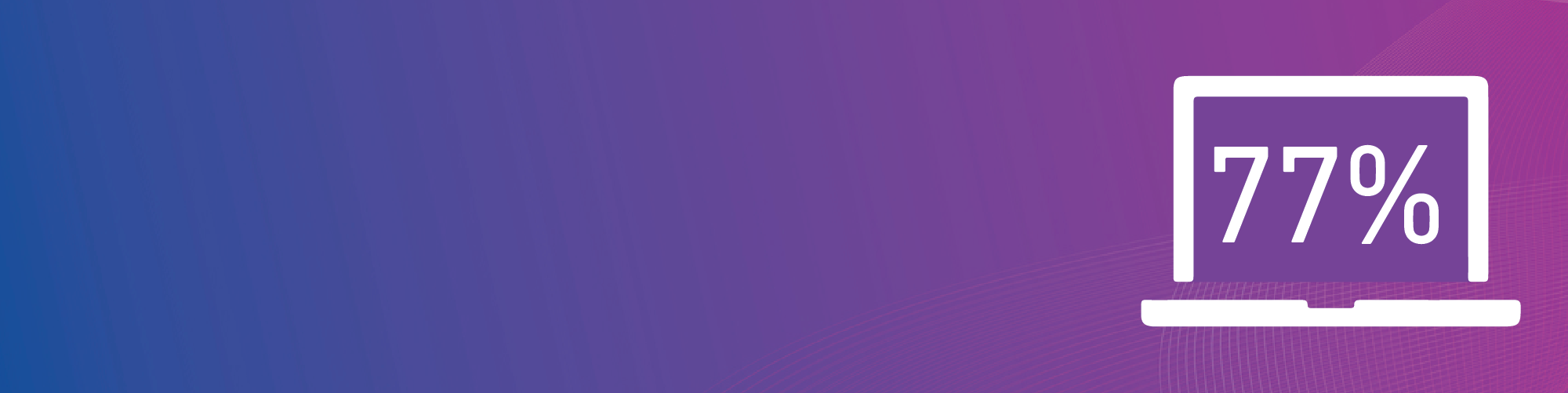
Experian Health announced it has acquired MyHealthDirect, a SaaS-based company specializing in digital coordination solutions in scheduling. We interviewed Jason Considine, Experian Health general manager of patient engagement and collections, to learn more about the acquisition, as well as opportunities arising in healthcare due to the rise in consumerism. What led to Experian’s interest in MyHealthDirect and the ultimate acquisition? We’ve had a relationship with MyHealthDirect for several years. Experian Health has been reselling the MyHealthDirect solution since 2017, and we’ve long recognized that their platform’s digital care coordination capabilities would be a great match with our existing solutions. MyHealthDirect's platform links patients with the right providers, offering online scheduling tools and referral coordination to ensure more timely access to care for patients. These solutions have proven to increase appointment and referral rates, improve call center efficiency, reduce no-shows and enhance the overall patient experience. By coupling this technology with our Experian data, we can ensure patients are getting the care they need in the management of chronic diseases and wellness programs. This acquisition evolves our core revenue cycle management capabilities and helps us make gains in the patient engagement space with all-new innovative offerings. You referenced “digital care coordination.” What does this mean and how does it apply to healthcare? Digital care coordination, as it applies to the MyHealthDirect suite, is comprised of self-scheduling, call center, referral coordination and automated outreach solutions, making it easier for people to access healthcare. By combining these scheduling solutions with Experian’s existing digital patient engagement solutions, we can deliver a seamless consumer-centered experience – from serving up an estimate, to streamlining the registration process, to providing consumers with the ability to pay their healthcare bills via multiple channels. Today’s healthcare consumer expects a turnkey, personalized, on-demand experience. When you think about the best engagements we all enjoy in retail, financial services, travel and entertainment, the expectation is that the healthcare experience should be no different. We need to arm consumers with the ability to streamline their healthcare and make it easier for them to access care. Why is the scheduling component so key in the overall patient journey today? Scheduling is the one of the very first steps of the care journey and booking an appointment has traditionally been a poor experience. Common frustrations include not being able to reach the provider, finding out that no appointments are available, or being forced into a time-consuming three-way call between the health plan and provider. Without fast and easy access, patients may not be able to get the care they need. When healthcare plans use technology to better connect patients to needed care, quality scores for patient experience rise and efficiencies are gained. Can you give us an example on how more automated approach to scheduling could lead to better health outcomes for the consumer? Sure. Take for instance an individual who is living with diabetes. It is important for this person to have regular check-ins with their provider to monitor their condition and adjust care plans accordingly. If this person is challenged to see their provider, or doesn’t have regular appointments booked, they could run the risk of becoming an unhealthy diabetic, being faced with additional health challenges. By tapping into digital appointment scheduling, a provider or payer could create an automated outreach plan to make the scheduling hassle-free. Appointments could be streamlined and scheduled directly on the phone via IVR or text, and appointment reminders can be delivered. How do you see providers responding to the rise in healthcare consumerism? It’s no secret that healthcare costs are rising, and consumers are increasingly bearing more of those costs. Providers, therefore, are telling us they need to deliver a better experience. They are asking for digital technologies to gain rich insights into consumer behavior and then adjusting their care delivery plans accordingly. They recognize that consumers have a choice on where to take their healthcare business, so they need to compete. In the case of scheduling, MyHealthDirect conducted some research and revealed 66% of patients would switch providers for more convenient access. In that same study, 77% of patients think the ability to book, change or cancel appointments online is important. My point? Those providers and payers investing in on-demand tools to interface with their consumers will win, simplifying many of the administrative tasks associated with healthcare. — Learn more about scheduling solutions.

Medical identity theft is a growing problem for the healthcare industry: nearly 15.1 million patient records were compromised in 2018, an increase of nearly 270% on the previous year. While providers are busy rolling out patient portals and electronic medical records to better serve consumers, criminals are sneaking through the cracks to steal patient data and profit from vulnerable health systems. The rapid rise in medical identity theft is partly explained by the fact that it goes undetected for much longer than other types of identity theft, giving criminals more time to use stolen personal information for financial gain. It’s also a lot more lucrative. Medical identities can be used to access treatment and drugs, make fraudulent benefits claims and even create fake IDs to buy and sell medical equipment. This can be devastating for victims, both emotionally and financially. Unlike credit card theft, where victims aren’t considered financially liable, 65% of people who fall prey to medical identity fraudsters are left with hospital bills running into the tens of thousands. The compromised medical record is tough to reconcile, jeopardizing future medical treatment. For providers, a data breach can mean significant reputational damage and loss of trust, and huge financial consequences – each breach costs an average of $2.2 million. But what’s most alarming for providers is that more than half of data breaches originate within the organization. Unfortunately, many providers lack sufficient security protocols and detection tools to safeguard the data they’re holding. The good news is that the tools exist to help you protect your patient data. What can healthcare providers learn from other industries about identity protection? Banking and financial services have pioneered identity protection over the last twenty years, and healthcare can learn a lot by looking at what’s worked in those industries. For consumers, using digital technology to pay your bills, book flights and buy pretty much anything is the norm, all with reassuringly quick fraud detection and resolution. Healthcare has been a little slower to embrace digitization in this way. Despite the opportunities, fears around security, privacy and inconveniencing patients have stalled efforts to transform outmoded processes. Drawing on two decades of innovations in other fields, fast-paced technological developments mean many of the early challenges around implementing safe and secure patient portals have been overcome. 6 strategies to keep patient data safe Here are six smart ways to ensure your organization has done everything possible to safeguard patient data. Tell your patients how you’re keeping their data safe Patient trust is at the heart of a successful patient-provider relationship. Share the steps your organization is taking to secure patient information, so patients feel reassured and confident in using their portal. Data security should be a key strand in your patient engagement messaging. Verify patient identities to protect access to medical records To avoid HIPAA violations, it’s critical to ensure you’re giving access to the right patient. Secure log-in monitoring and device intelligence can help you confirm that the person trying to log in is who they say they are. When something doesn’t add up, identity proofing questions can be triggered to provide an extra check. In an exciting new development, the healthcare industry is also starting to see the use of biometrics to supplement existing identity-proofing solutions. Just as you might use facial recognition to unlock your smartphone, there are now ways to authenticate your healthcare consumers’ identity using the same technology. Automate patient portal enrollment You want your portal to be as secure as possible, but not at the expense of your patients’ time and effort. An automated enrollment process can eliminate the hassle of long, complicated set-ups and reduce errors at the same time. Arm your organization with a multi-layered security strategy There is no silver bullet for protecting patient information—it will require various tools. A robust data security strategy will be multi-layered, including device recognition, identity proofing and fraud management. Educate staff on security threats and warning signs Data breaches aren't all malicious – human error is a massive component, from mailing personal data to the wrong patients, to accidentally publishing data on public websites or leaving a laptop behind after getting off the subway. Training staff on the potential pitfalls will help them help you in protecting confidential patient information. Develop a robust device strategy ‘Bring Your Own Device’ arrangements (BYOD) are convenient for staff and patients, but personal devices need to be secured when accessing patient information across the network. Make sure your teams, patients and visitors are aware of how to log-on securely to WiFi and follow best practice to keep data safe. In a climate of ‘doing more with less’, healthcare leaders are turning to other industries to find ways to boost quality of care and streamline operational efficiency. Automation, digitization and consumer-centric approaches make good business sense across the board, but they’re sensible investments for your data security strategy too. Investing in secure patient identities is a way to prevent painful and unnecessary losses down the line – and it’s what patients have come to expect. — Find out what more you could do to shore up your data security and prevent medical identity theft.

“Build it and they will come” might work for 1980s movie characters, multinational coffee franchises and beloved sports teams, but it’s not a great engagement strategy for most consumer-facing organizations – especially in healthcare. Take patient portals, for example. Giving your patients a way to access their health records can help improve their health outcomes, increase compliance with care plans, and create a more positive healthcare experience overall. But do your customers know the portal exists? Do they know how it could serve them? Do they trust it? You’ve built it, but how many patients are actually logging on? In 2017, over half the US population had access to a patient portal. Around half of those people used it at least once in the previous year. Of those who didn’t, 59% said it was because they didn’t feel they needed to access an online medical record, and 25% were worried about privacy and security. This tells us two things: If healthcare providers want to increase the number of patients using their portal, they need to proactively communicate the benefits to those patients, and healthcare providers could do more to reassure patients they take portal security seriously. If patients discover that using the portal is better than not using it, and that they can do so securely, they will be more likely to log on. You can address both in your patient engagement and marketing strategies. Perhaps the better mantra is: “if you solve their problem and tell them about it, they will come”. Balancing portal security and patient convenience Your patient portal is more than just a platform for patients to access test results, sort out bills or schedule appointments. It’s a way to nurture the patient-provider relationship. And at its heart, that relationship is about trust. One way to build trust is to ensure your portal meets the strictest of security measures without creating an excessive admin burden for patients. You can do this with a security strategy that layers up several protective measures to help you tackle common areas of vulnerability, including weak ID verification, over-reliance on password-protection, and failure to encrypt sensitive data. A few practical ways to keep your patient portal secure include: using ID verification when someone signs up for the portal using device intelligence and identity proofing when a user signs in to the portal deploying extra security checks where the risk of identity fraud is higher putting systems in place to flag and respond to security breaches as fast as possible. A solution like PreciseID® can help you take care of your patients’ privacy and security behind the scenes. They’ll see just enough to reassure them that you’re taking their security seriously, without any protracted log-in process that puts them off using the portal altogether. Marketing your patient portal so more patients benefit from it Solving your patients’ concerns about security is just one route to boosting portal utilization. Another important way to ensure more patients use and benefit from the patient portal is to actively encourage them to access their online records regularly. Research suggests individuals who are encouraged to use their online medical record by their provider are almost twice as likely to access it, compared to those who weren’t actively encouraged. So how do you convince your patients of the benefits of regularly logging on? That it’s not just a convenient way to manage their medical journey, but could result in better health? The answer lies in consumer data – the lifestyle, demographic, psychographic and behavioral information that gives you a fuller understanding of what drives your patients. Experian Health’s ConsumerView data analytics can capture insights that let you reach out to your consumers with the right message, in the right way, at the right time. Do they live a busy lifestyle? Reassure them that the portal can save them time. Are there lifestyle factors that may hinder their adherence to medication? Encourage them to use the portal to make sure their prescriptions are up to date. If you discover your consumers are big social media users, you might target your portal engagement campaign through those channels. Equally, if a consumer doesn’t have any social media accounts, there would be no point investing in Facebook ads. Personalization makes your patients feel taken care of, leading to greater trust, loyalty and satisfaction. Increase patient portal engagement today In the wake of consumerism and IT transformation across many other industries, a tailored and digitally secure healthcare service is a must. “Consumers now expect to be provided with a turnkey, individual experience that is fast and seamless,” said Kristen Simmons, Experian Health’s senior vice president of strategy and innovation. Your patient portal must be seen to provide a valuable and secure service. While there’s a way to go to increase the number of patients making full use of portals, the tools exist to support healthcare providers’ engagement goals. Learn more about how your organization can leverage consumer insights to improve patient retention and engagement.

The roll-out of patient portals has been a slow burn. While consumer finance, retail and other markets have given customers secure electronic access to their personal information for decades, healthcare has been playing catch-up. But thanks to regulatory pushes, such as the Promoting Interoperability and Meaningful Use programs and the Affordable Care Act, digitized health records are now the norm. Over half of healthcare consumers in the US use patient portals to access their health information at the click of a button – just as they do with their bank accounts or grocery deliveries. Aside from the convenience factor, research suggests that when patients have access to their health records through patient portals, they experience better health outcomes, greater satisfaction levels, and improved communication with their provider. There’s a higher chance of spotting errors. Adherence to medications is increased, and care becomes more accessible for some otherwise hard-to-reach patients. For providers, this sense of ownership, transparency and connection contributes to elevated consumer loyalty and engagement. As consumers embrace online portals to view their medical records and lab results, renew prescriptions, schedule appointments, and in some cases pay bills, they expect and assume their provider will keep that data secure. Providers must balance convenience and security. Unfortunately, some patients remain unconvinced of their providers’ ability to get this balance right. Patients worry about portal privacy and security Despite the upsides, a quarter of patients with access to online portals in 2017 chose not to access them because of worries about privacy and security. They’re right to be cautious: medical identities are said to be worth 20-50 times more than financial identities. It's no wonder identity thieves are increasingly targeting the healthcare industry. In 2018, the US Department of Health and Human Services’ Office for Civil Rights (OCR) reported 351 data breaches of 500 or more healthcare records, resulting in the exposure of more than 13 million patient records. Hackers are always on the lookout for vulnerabilities to exploit, with patient medical records, log-in credentials, passwords and other authentication credentials among their top five targets. Without adequate IT security, your prized patient engagement tools – like patient portals – can become an open door for hackers. As a provider, your job is to make it easy for patients to access and manage their own data, but hard for fraudsters to get their hands on sensitive data. How to keep patient portals secure The good thing about being somewhat late to the party is that healthcare organizations can learn from other industries in how they have tackled online security challenges without creating too much of a burden for consumers. Think about how consumers authenticate their accounts for financial services or even social media profiles. Typically, there's an email to verify they are who they say they are, or a two-factor authentication process with a code sent to their cell phone. Most patient portals don't have these layers of security. At Experian Health, we recommend a multi-layered solution incorporating device recognition (especially important as more users access portals via cell phones and tablets), identity proofing and fraud management. Here are some examples: Sign-up screening When someone enrolls in the portal, use identity proofing to ensure they are who they say they are. It’s particularly important to ask out-of-wallet questions, such as their city of birth, first car model, or previous address to make sure they’re not an imposter. Log-in monitoring Device intelligence will help you confirm the patient is using a cell phone or tablet your system recognizes, to minimize the risk of someone else accessing their account. This technology will tell you if the device is associated with previous fraudulent activities or potentially impersonating multiple patients. If a device fails to meet the risk threshold, identity proofing questions can be used to verify the user’s right to access the account. Additional checks on risky requests Some patient portal activities, like downloading medical records and editing a patient’s profile, increase the risk. You’d want to add an extra layer of control here, such as additional out-of-wallet questions, to safeguard your patient’s data. Rapid response and damage containment Given the sensitivity and richness of medical data, an attack on the portal can be devastating for patients and costly for providers. In the event of an attack, providers can put in place early warning systems to flag up which patients have been compromised and trigger rapid response measures to shut down the attack and prevent the damage from spreading. Promote interoperability Physicians and care providers need to share information on patients in the course of providing good care. But how are they doing this? To keep that data secure and ensure it’s only seen by the right people, you can set up your systems to share data across different platforms in a safe and secure way. Underlying all of this is the need to reassure your patients that you can be trusted with their data. Victoria Dames, Senior Director of Product Management, Experian Health, explains: “Healthcare breaches are nothing new, and neither is hackers’ and identity thieves’ penchant for medical records. What is new, however, is the broad range of tools that organizations can now utilize to stop them from accessing that personal data. Give patients the peace of mind they deserve by taking advantage of up-to-date solutions that actually work in our ever-evolving tech climate.” Learn more about how protect patient portals and encourage more patients to enjoy the full benefits of their patient portal, knowing that their sensitive personal details are safe.

Consumers are bearing a bigger burden of healthcare costs than ever before. As the third largest payer behind Medicare and Medicaid, many patients find themselves struggling to foot the bill, with implications for hospitals and health systems. According to a TripleTree report published late last year, consumer payments will reach $608 billion by 2019, thanks to growing enrollments in high deductible health plans (HDHP), decreasing payer reimbursements, and increasingly personalized insurance plans that come at a premium. Almost half of those under the age of 65 are enrolled in an HDHP. These rising out-of-pocket payments can cast a long shadow on the patient's experience. The payment process is often stressful and confusing, and many are unable to pay without careful budgeting or some form of financial support. And for providers, the growing admin costs of chasing payments can create a serious cash-flow problem. A forward-looking, patient-centered approach to billing is critical. A good starting point for providers who want to reduce friction around payments, optimize revenue and build a positive relationship with consumers is to look at how data and technology can improve customer payment processes. You can do this in three ways: transparent pricing, patient billing tailored to each individual's financial situation, and simplified admin processes all provide greater clarity and reassurance for patients. Make patient billing easier with transparent pricing New guidelines from the Centers for Medicare and Medicaid Services (CMS) call for hospitals to list chargemaster pricing on their websites, so consumers can make informed decisions about their treatment and plan accordingly. Unfortunately, the complexity of pricing structures and the way it's presented can still be very confusing for consumers. CMS Administrator Seema Verma tweeted that "While the information hospitals are posting now isn’t patient-specific, we still believe it is an important first step & sets the stage for private third parties to develop tools & resources that are more meaningful & actionable." Patients are encouraged to tell the CMS if they can't find pricing info on their hospital's website, using the hashtag #WheresThePrice. However, there’s been a lot of criticism that the CMS requirements do not meet consumer expectations. Health leaders should aim to provide consumers with accurate personalized estimates, using data-driven technology. Most healthcare organizations already have the basic data they need to generate estimates for basic services, including: claims data real-time eligibility and benefits information payer contracts charge description master (CDM) information. Riley Matthews, Senior Product Manager for the Patient Estimate Suite at Experian Health, says: "We're finding facilities are getting backlogged with calls while patients are trying to call in to speak to a live person to try to get an estimate... If a patient is comfortable understanding what they owe, they're going to be much more comfortable paying for their services." Giving patients accurate estimates upfront empowers them to understand their financial responsibility so they can make quicker, better decisions, and improve their overall experience. Personalize patient payment plans for a better patient experience The growth of consumerism in healthcare calls for a friendlier approach to the billing process, both for a better patient experience and to avoid non-payment. This means recognizing each patient as an individual with different needs and tailoring your offer at each stage of the revenue cycle. Some will be able to pay their whole bill up front, while others might need to spread it over a number of months, or seek support from a charity. Issuing the bill and hoping it gets paid isn't going to cut it – you'll be wasting time and money on repeated, unnecessary collection attempts. Instead, why not personalize each patient's payment plan based on their individual financial situation? No surprises for them, no missed payments for you. Insights from credit data can help you identify the best collection approach for each patient, so you can work with them to find financial assistance, set up payment plans in advance, or outsource payment to an appropriate co-payer. Simplify the admin process to improve patient collections These days, most of our life admin is done online, from banking to travel. Healthcare needs to do the same. You can make healthcare payments easier for your patients by giving them access to their accounts online, so they can manage it when it suits them. This is about making the revenue cycle as frictionless and consumer-friendly as possible. Data-driven technology makes it easy for patients to obtain accurate price estimates, set up or modify their payment plans, check their insurance details, combine payments to different providers, and facilitate mobile healthcare payments. Terry Manifesto, a Senior Director at El Camino Hospital, worked with Experian Health to allow patients to access and manage their data through a self-service portal: "We're providing a lot more estimates than we could before, because it's 24/7, on the go - a patient can use it from their mobile device, from their laptop, or their desktop." With healthcare consumerism and outcomes-based care trending upwards, the dynamics of healthcare finance are shifting. A collections approach based on compassion and simplification is the key to building trust and optimizing revenue at the same time.