Brands have spent years strengthening identity. That was the right move. A stronger identity foundation gives marketers a better chance to understand people, shape audiences, and connect media to outcomes.
Yet I see many teams hit the same wall after that work is done. Performance breaks at activation.
I think of it as the activation gap. It’s the distance between knowing who you want to reach and being able to act on that intelligence across channels in a privacy-safe, measurable way. For many brands, identity is stronger than it was a few years ago. The challenge now is carrying that signal cleanly from data into execution, and from execution into outcomes.
Identity was the first step
For a long stretch, the industry was focused on rebuilding identity. That made sense. Marketers needed a more durable foundation for audience strategy, activation, and measurement.
Now the market is in a different phase. First-party data can’t stop at organization in a CRM, it has to be usable in market as an addressable audience that can move across digital, TV, social, and commerce environments.
That shift sounds straightforward. In practice, this is where the process starts to break down.
A pharma brand may already have patient or consumer records, onboarding capability, and audience segmentation. It may be able to launch awareness messaging in a few channels. The harder part is turning that foundation into a connected strategy it can carry into market from start to finish.
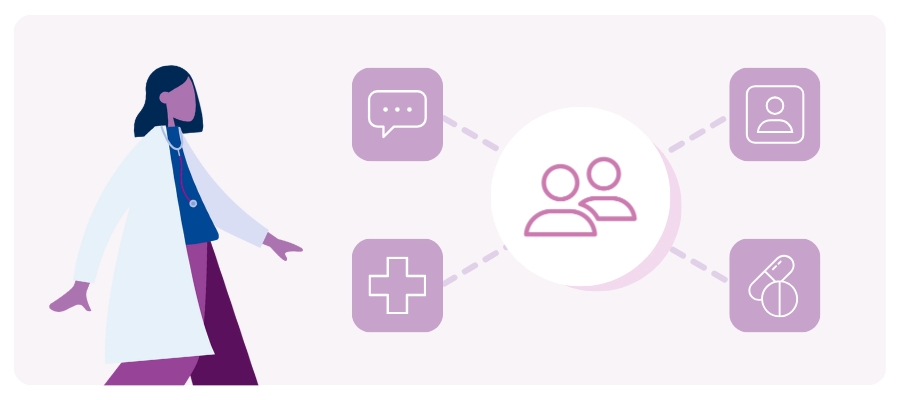
That has direct implications for growth. When signal degrades between planning and execution, media becomes less efficient, optimization slows down, and it gets harder to connect audience decisions to business results.
The gap is operational
Closing the gap starts with making identity usable in market, not just accurate on paper.
A pharma marketing team may know which audiences it needs to reach, have a view of likely demand, and know which channels are in play. None of that creates value if the path from audience creation to activation is disconnected.
Modern marketing should be judged by connected execution. Data has to move cleanly into activation. Activation has to stay close enough to measurement so teams can unify cross-channel exposure, build a clearer view of consumer behavior, and connect campaign exposure back to outcomes with more accuracy in near real-time.
That’s the part many organizations are still working through. They’ve invested in the foundation. The system above it still feels too fragmented to carry signal from start to finish.
The missing layer in pharma marketing. Watch our Q&A
Complex markets raise the stakes
This pressure is even more visible in regulated categories.
In health and finance, brands need more than audience access. They need privacy-safe activation, strong governance, and outcome visibility that can stand up to scrutiny. They need a way to carry audience intelligence across environments without losing control of how that signal is used.
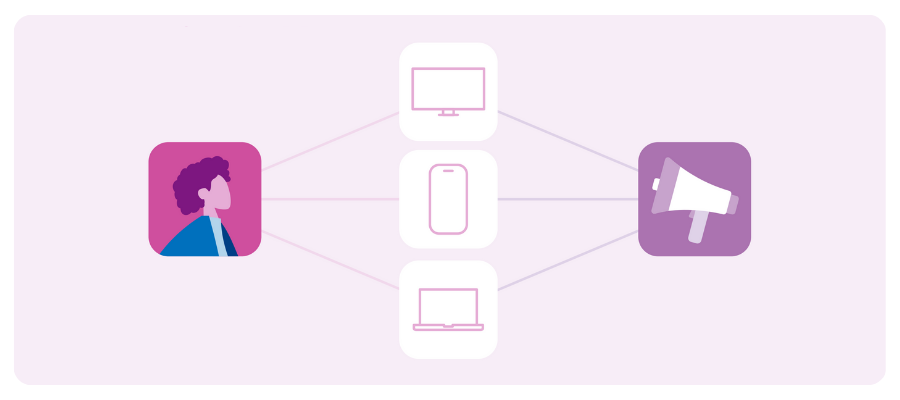
In these categories, weak connections between identity, activation, and outcomes create hesitation, and hesitation is expensive.
What closing the gap looks like
Closing the gap starts with a fuller view of the consumer across channels.
Most brands already have valuable first-party data. The challenge is whether they have enough insight to make it activation-ready.
When identity, activation, and measurement work more closely together, brands can understand not just who the consumer is, but how that person tends to engage and convert across channels. A consumer may be more likely to engage through streaming TV or digital video, then convert later online or in person. Those insights help brands build a more tailored outreach strategy by device and channel, shaping where they show up, how they sequence messages, and where they place the strongest conversion opportunity.
From onboarding to outcomes
Pharma marketing teams need identity workflows that can support accurate audience creation, governed activation, and partner-enabled measurement without combining DTC and HCP identity paths.
Download our pharma marketing playbook to help your team:
- Evaluate audience quality, usable reach, and governance
- Plan DTC and HCP identity strategies with clearer separation
- Prepare audiences for activation across approved channels and partners
Remove duplication across channels and ecosystems
Look for an identity provider that supports accurate and scalable onboarding and resolution across environments, and that shows how identity graph distribution aligns to industry standards at the household and person level. In a multi-device world, that foundation also needs to support high-confidence deduplication to the person and household, especially in connected TV (CTV) and TV environments where devices are often shared and both activation and measurement depend on understanding those relationships.
Find the best path to your audience
Then make sure those insights can move into activation, supported by curation that helps brands find a more efficient path to reach those audiences, and connected measurement that can tie exposure back to outcomes.
My view
I’ve spent enough time around growth teams to know that the market rarely rewards brands for having the best data story in a conference room. It rewards the brands that can turn audience intelligence into action in market and see clearly what that action produced.
That’s why I think the next separation point is activation. The teams that stand out will be the ones that can take signal from strategy into execution without losing fidelity, then connect that execution back to outcomes quickly enough to make better decisions while it still matters.
That changes how I would evaluate a marketing operation. I would look less at how much data a brand has collected and more at whether that data can travel.
Identity still matters. The difference now is that identity alone will not create growth. Growth comes from carrying signal all the way through activation and into outcomes, with enough clarity to know what’s working and enough confidence to act on it.
About the author

Kevin Dunn
Chief Revenue Officer, Experian
Kevin Dunn joins Experian Marketing Services with more than 20 years of leadership experience across marketing and advertising technology, most recently serving as Senior Vice President of Brands and Agencies at LiveRamp. In that role, he led growth across retail, CPG, travel, hospitality, financial services, and healthcare, overseeing new business, account expansion, and channel partnerships.
Kevin is known for building cohesive, accountable teams and leading with optimism, clarity, and a strong sense of shared purpose. His leadership philosophy centers on empowering people, driving positive outcomes for clients and fostering a culture where teams can grow, take smart risks, and succeed together.
Latest posts
In our Ask the Expert Series, we interview leaders from our partner organizations who are helping to lead their brands to new heights in ad tech. Today’s interview is with Jordan Feivelson, VP, Digital Audiences at Webbula. Jordan is a 22-year advertising industry veteran who has worked for media properties such as WebMD and Disney. Over the past ten years, he has transitioned to the data and programmatic space, including growing the data business for Kantar Shopcom and Adstra. What types of advertisers might benefit from utilizing Webbula audiences across various verticals? Can you provide examples of how different industries successfully leverage your data to achieve specific campaign goals? Most advertisers can leverage Webbula’s award-winning attributes for their activation initiatives. Webbula offers approximately 3,000 syndicated segments covering categories such as Demographics, Automotive, Political, Mortgage, B2B, Hobby/Interest/Lifestyle, and Interests & Brand Preferences (brand name targeting). Audience insights and marketing strategies What specific types of audience segments does Webbula provide? How can advertisers leverage these segments to craft more effective, personalized marketing strategies? Webbula has incredible depth and breadth within its verticals, giving marketers the tools to deliver targeted messaging effectively. Our Demographic, B2B, Mortgage, Automotive, and Interest and Brand Preferences segments each contain 500-1,000 segments, all built on deterministic, self-reported, and individually linked data. We ensure the best accuracy with multiple deterministic data points tied to the real world (ex., first name, last name, postal address, and email address). Some examples of our unique syndicated audience types: B2B: A view of the latest industry trends with detailed cuts of the professional world, such as companies with and not within the Fortune 500 companies and job positions that are directors and below. This also includes custom capabilities, including ABM (list of target companies in an activation campaign or by industry code (ex. NAICS, SIC). Interest and Brand Preferences: Consumers who have shown interest and affinity to hundreds of brands (ex., Nike), genres (ex., comedy, hip hop), sports teams, and more. Mortgage: A detailed view of homebuyers’ purchase range, loan type (ex. jumbo loan, standard loan), mortgage amount, interest rate, and more. With Webbula’s audience data, brands can create a comprehensive picture of their audiences down to the individual level and reach them accurately. Data quality, sourcing, and differentiation How is consumer data sourced and curated at Webbula? Are there data quality standards that Webbula establishes for consumer data, and how do you ensure your sources and methods meet these standards consistently? Webbula’s data is aggregated from over 110 trusted and authenticated sources, including publishers, data partners, social media, and more. The data collected comes directly from consumers who self-report information through surveys and other methods. We apply our hygiene filters to mitigate fraud and accurately score the data. Data Collection: The data collected comes directly from consumers who self-report information through surveys, questionnaires, transactions, and sign-ups. This ensures that brands display ads to audiences based on self-identified, cross-channel behaviors, not modeled assumptions. Hygiene Solutions: Webbula applies multi-method hygiene solutions to mitigate fraud and accurately score the data before onboarding, ensuring that all data meets the highest quality standards. Examples of Data Sources: Questionnaires: Self-reported data through surveys, offer submissions, and telemarketing. Transactions: Deterministic data from aftermarket parts, online purchases or services, and more. Sign-ups: Individually linked data from information entered through sweepstakes, infomercials, newsletters, and forms. What differentiates Webbula’s data from other data providers in the market? Can you explain the unique value proposition that Webbula offers in terms of data depth and breadth? Due to our extensive experience in data cleansing, we provide the most accurate data within the programmatic ecosystem. TruthSet, the leading programmatic accuracy measurement company, has ranked Webbula as having the highest number of top attributes compared to other data providers with 150M+ HEMs. Additionally, Publicis Groupe and Neutronian further validate Webbula’s data quality, underscoring its position as a leader in the industry. Webbula’s data stands out in the market due to its unmatched accuracy and quality, achieved through years of expertise in data cleansing. Unlike other providers, Webbula’s foundation lies in its robust email hygiene process, ensuring that all data entering the programmatic ecosystem is thoroughly cleansed. Privacy, compliance, and future-proofing What measures does Webbula take to maintain data privacy and compliance? How do these efforts benefit advertisers in an evolving regulatory landscape and ensure ethical standards? Webbula was created over a decade ago with a future-proof, privacy-compliant foundation. We understand the industry’s rapid changes, including government and state legislation and cookie depreciation. Our goal has always been to build long-term partnerships and ensure we are prepared for industry changes. We rely on validated offline data sources, making us resilient to external influences. Success stories Can you share success stories where advertisers saw significant campaign improvements using Webbula’s data? What were the key factors that contributed to these successes? Our success is measured by client feedback and increased client spend. Webbula has helped several key advertisers achieve six-figure monthly thresholds by providing the most accurate data to meet campaign KPIs. Clients consistently return to use our data, validating our belief that “the proof is in the pudding.” Thanks for the interview. Any recommendations for our readers if they want to learn more? For those interested in learning more about Webbula, reach out for a personalized consultation. Contact us Latest posts
Experian’s 2024 Holiday spending trends and insights report covers consumer spending trends for the holiday season.
In our Ask the Expert Series, we interview leaders from our partner organizations who are helping lead their brands to new heights in adtech. Today’s interview is with Georgia Campbell, Head of Strategic Partnerships at Kontext. What types of audiences does Kontext provide, and what are some top use cases for these insights in marketing strategies? Kontext leverages its 1st-party, deterministic shopping data to generate real-time online audiences. What sets Kontext apart is our ability to see the entire consumer journey, from shopping interest to intent and purchases, at a SKU-level. This comprehensive visibility allows us to create purchase-based audiences across various consumer verticals, such as frequent online shoppers, consumers shopping for beauty, segments using Mastercard, or Black Friday enthusiasts. Our data engine, built on a foundation of approximately 100 million consumer profiles and over 10 billion full-funnel, real-time shopping events, enables the creation of precise audience segments. This real-time 1st-party shopper data is invaluable for partners aiming to understand and engage with consumers more effectively. Whether a brand wants to activate past shoppers in a specific category or reach new audiences with a propensity to buy, Kontext provides the insights needed to make informed decisions. Some examples of audience types include these (and hundreds more): In-Market Shoppers: Consumers showing high intent to purchase specific categories, like skincare or electronics, based on recent online behavior. Past Purchasers: Shoppers who have made verified purchases within specific time frames, such as beauty products in the last 18 months. Frequent Shoppers: High-frequency buyers identified through repeated purchasing behaviors. Seasonal Shoppers: Consumers active during key shopping seasons, like Black Friday, Mother’s Day, Valentine’s Day, etc Premium Buyers: Shoppers who used a premium CC (eg. Amex) and a higher AOV (average order value) Beauty Buyers: an audience that has indicated intent to purchase beauty products (deterministic past purchasers also avail) By using Kontext data, brands can identify the right audiences across multiple verticals, such as retail, CPG, health & wellness, auto, business, energy & utility, financial, and travel. Additionally, our collaboration with Experian allows further refinement of these audiences through layered data from specialty categories like demographics, lifestyle & interests, mobile location, and TV viewing habits. How is Kontext’s data sourced, and what differentiates it from other data providers? Kontext’s data is unique because it is deterministic, 1st-party, and collected as transactions occur. We capture the entire path-to-purchase, down to the SKU-level product detail, across 100 million consumer profiles and more than 10 billion real-time shopping events. Our proprietary technology, embedded in widgets across our 5 million premium online destinations, tracks the full consumer journey—from reading an article of interest to clicking on our dynamic commerce modules, adding items to cart, and completing purchases. This real-time data collection ensures there is no lag between digital events and their connection to consumer profiles. Unlike other providers, we do not aggregate data from multiple platforms; instead, we focus on building our models and insights based on authentic online consumer behavior. Our data stands out due to its: Deterministic Nature: We capture 1st-party data as transactions occur (all in real time) Full-Funnel Coverage: We capture consumer journeys from awareness to purchase, providing a complete view of consumer behavior. Real-Time Insights: Our data engine processes events in real-time, enabling timely and relevant marketing actions. How does Kontext ensure the accuracy and reliability of its audience data? Kontext ensures accuracy and reliability through our unique technology and direct data sourcing. By not aggregating data from other platforms, we maintain control over the quality and integrity of our insights. Our continuous investment in refining our models around online consumer behavior further enhances the precision of our audience data. What types of brands or verticals might resonate the most with Kontext audiences for activation? Any brand looking to understand and activate online shopping behavior – informed by 1st-party transaction data – will resonate with Kontext audiences. Essentially, any vertical that benefits from understanding real-time shopping behaviors, such as retail, health & wellness, auto, and financial services, will find our data invaluable. We have particularly strong insights in beauty, hair care, health & wellness, and values-based online shopping habits, as well as the food & beverage space. Retail & Consumer Goods: Leveraging shopping behavior data for targeted campaigns. Health & Wellness: Identifying consumers with specific health and wellness interests. Automotive: Targeting potential buyers of electric vehicles or eco-friendly products. Financial Services: Engaging high-value shoppers with premium credit card usage. And many more How does Kontext’s data help advertisers navigate the challenges posed by the deprecation of third-party cookies? As third-party cookies become less reliable, Kontext’s 1st-party data becomes invaluable. Our deterministic data engine, which does not rely on cookies, offers: Direct Consumer Insights: Accurate and consented data directly from consumer interactions. Privacy Compliance: Our data collection methods are fully compliant with privacy regulations, ensuring secure usage. Cross-Device Coverage: We use verified digital identifiers, allowing seamless unification and targeting across multiple devices. What measures does Kontext take to maintain data privacy and compliance, and how does this benefit advertisers? Data privacy and compliance are fundamental to Kontext. We meet or exceed all privacy compliance and security standards, ensuring that our data sourcing and usage are transparent and comply with regulations (CCPA, CPRA, VCDPA, etc). Kontext prioritizes data privacy and compliance through: Consented Data Collection: All data is collected with explicit consumer consent. Robust Security Protocols: Data is encrypted and secured with industry-leading practices. Compliance with Regulations: We adhere to global privacy laws, including GDPR and CCPA. User Control: Consumers have the ability to opt-out and manage their data preferences. Can you share success stories / use-cases where advertisers significantly improved their campaigns using Kontext’s data? To give you a sense of how Kontext data can be applied, here are two use-cases: Beauty Brand Campaign: An agency hoping to activate an audience of beauty purchasers for a Major Beauty Brand could utilize Kontext’s custom audience of high-value beauty product purchasers. By targeting those consumers who had bought similar products in the last 12 months and had an average cart size of over $50, the campaign would significantly increase performance and ROAS. Electric Vehicle Launch: For a major auto manufacturer’s EV launch, Kontext could be used to identify eco-friendly consumers who had not yet purchased an EV but had shown interest in sustainable products. This precise targeting could lead to higher engagement and conversion rates for the campaign. Thanks for the interview. Any recommendations for our readers if they want to learn more? For those interested in learning more about Kontext, reach out for a personalized consultation. Contact us About our expert Georgia Campbell, Head of Strategic Partnerships, Kontext In her current role as Head of Strategic Partnerships at Kontext, Georgia plays a pivotal role in shaping the company’s strategic direction within the data space. With a deep-seated expertise in leveraging data to drive impact for companies, Georgia has been forging key partnerships that enhance the effectiveness and reach of Kontext’s offerings. Georgia comes from a background in emerging technology, where she has been focused on cultivating partnerships and employing data-driven approaches to spearhead market expansion efforts. She started her career in finance, managing investments across equity, debt, and alternative assets at Brown Advisory. In this Q&A, Georgia shares her insights on Kontext’s Onboarding partnership with Experian, offering perspective on how Kontext’s unique insights can unlock new opportunities for advertisers and brands alike. Latest posts