Loading...

How AI is reshaping identity and marketing: Insights from Cannes Lions 2025

Published: October 29, 2025 by Experian Marketing Services

At A Glance

Marketers are using AI to better understand audiences, improve efficiency, and build privacy-first identity solutions. At Cannes Lions 2025, leaders shared how AI and structured data help deliver relevant messages, adapt to consumer needs, and build trust. Experian supports this through ethical efforts and innovative solutions.

Artificial intelligence (AI) is becoming a bigger part of modern advertising, changing how brands connect with people. At Experian, we believe this technology should make marketing more human, not less. We use AI to help marketers understand consumer behavior, respect privacy, and deliver messages that matter.

As part of our latest Cannes Content Studio series, we spoke with leaders from AdRoll, MiQ, OpenX, Optable, PMG, PubMatic, and Yieldmo. Their insights show a clear path forward; one where technology supports human strategy to create more meaningful connections.

1. How does AI help you see audiences more clearly?
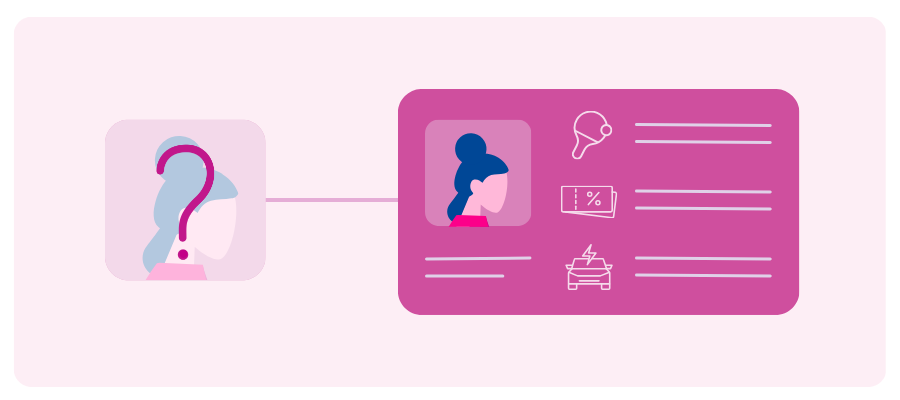
How does AI help you see audiences more clearly?

AI decodes complex behavioral signals to reveal the values and mindsets behind decisions, and increasingly, it predicts what audiences will care about next. This allows marketers to deliver timely, relevant messages that resonate with audiences. At Experian, we help brands use these insights to connect more meaningfully and ethically.

Takeaway: Experian’s tools help brands uncover audience insights, enabling more meaningful and ethical connections.

2. Where does AI actually save time, and improve results?

Where does AI actually save time, and improve results?

Running campaigns is time-consuming. Solutions like Agentic AI now orchestrate end-to-end campaign workflows, audience building, trafficking, QA, pacing, and routine optimizations, so teams focus on strategy and creativity. Many leaders (94%) are investing broadly in AI to drive efficiency and impact, and 49% of marketers use it daily for image and video generation, shifting repetitive tasks from people to tools. By quickly combining past and current performance data, AI can pre-optimize before launch and refine mid-flight, while marketers steer the message and experience.

“AI uses past campaign data to optimize performance before launch, continues learning during the campaign, and refines strategies based on the insights it generates, driving better results over time.”

PubMaticHoward Luks

Takeaway: Experian’s solutions streamline campaign workflows, allowing marketers to focus on creativity and strategy while improving results.

3. How do AI and human strategy work together in real time?
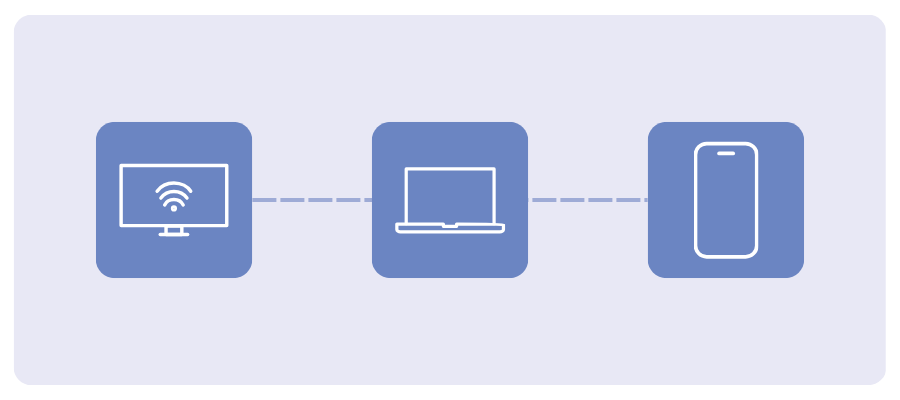
How do AI and human strategy work together in real time?

AI handles real-time data analysis and optimization, freeing marketers to focus on strategy, messaging, and creativity. By defining audiences once and activating them across platforms, teams can adapt quickly and confidently. At Experian, we combine machine intelligence with human insight to deliver smarter, more agile campaigns.

“AI analyzes data, pulls insights, and automates optimizations, allowing marketers to focus on strategy, messaging, and creativity instead of spending time digging through numbers and data.”

AdRollLizzie Chapman

Takeaway: Experian solutions empower marketers to adapt quickly and confidently, combining human strategy with insights.

4. What does privacy-first look like now?

What does privacy-first identity look like now?

Relying on simple, static data points is no longer enough. A modern approach to identity blends deterministic data (like known identifiers) with modeled components, ensuring data remains de-identified where possible. Clear, transparent guardrails, permitted-use policies, retention limits, sensitive-category blocks, and audit trails, help brands balance personalization with privacy, build trust, and respect user choice.

“A new blend of identity systems combines deterministic data, known identifiers, and model driven components, creating fresh ways to address identity and activate campaigns with precision.”

OptableVlad Stesin

Takeaway: Experian’s privacy-first identity solutions help brands balance personalization with safety, ensuring trust and compliance.

5. Which new data signals matter, and why?

Which new data signals matter, and why?

AI is unlocking a new generation of data signals, like content context, sentiment, emotional tone, suitability, attention, and commerce intent, that go beyond legacy identifiers like cookies and demographics. These signals can help brand messages appear in the most relevant environments and by high-value audiences. Used well, they improve relevance, avoid placements near unsuitable or off-brand content, and drive stronger campaign outcomes.

“Unlocking new data sets (like emotion, sentiment, and context), AI is creating innovative ways to connect client content with advertising opportunities and rethink how we approach the market.”

PMGSam Bloom

Takeaway: Experian’s solutions use advanced data signals to help marketers create more effective and innovative campaigns.

Why Experian for human-centered AI?

Why Experian for human‑centered AI

We deliver on the promise of AI-powered marketing through five pillars:

  1. See audiences clearly across households, individuals, and devices.
  2. Recommend next‑best audiences and automate setup for faster execution.
  3. Adapt in real‑time to keep relevance high.
  4. Innovate responsibly with strong governance and transparency.
  5. Plan, activate, and measure campaigns on one unified platform.

The future of intelligent marketing
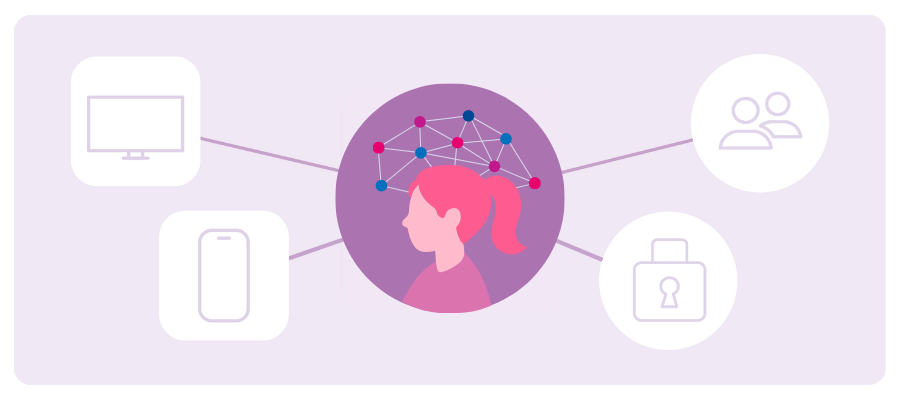
The future of intelligent marketing

AI will keep accelerating, but the goal stands: make marketing more human. Teams that blend privacy‑first identity, predictive insight, AI‑powered simplicity, and real‑time intelligence will earn trust and drive outcomes. Experian helps you bring those pieces together so every campaign moves from assumptions to clarity, and from activity to measurable results.

Talk to Experian about building human-centered AI into your marketing strategy

This site is protected by reCAPTCHA and the Google Privacy Policy and Terms of Service apply.


AI marketing trends FAQs

How does AI help marketers understand audiences better?

AI analyzes complex signals, behaviors, values, and mindsets to provide a clearer picture of what matters to audiences. That clarity makes messaging feel personal and relevant. Learn more about Experian’s Digital Graph and how it can help marketers understand audiences better. 

Where is AI improving campaign efficiency today?  

Automation reduces manual setup and reporting, so teams focus on strategy and creative. Nearly half of marketers (49%) use AI daily for image and video generation, reflecting this shift. 

What does “smarter activation across platforms” mean?

Smarter activation across platforms means defining audiences once, then carrying them across channels with live feedback, so relevance and suitability stay high. See how Experian enables smarter activation with our data and identity solutions. 

How is AI changing identity? 

Privacy‑first identity blends deterministic and modeled components, keeping data de‑identified where possible. Experian’s solutions balance personalization with safety. Learn about Experian’s identity solutions is changing identity. 

Why is structured data important for AI‑driven marketing?  

AI systems rely heavily on brand‑managed sources. 86% of citations come from websites, listings, and reviews, so clean, accurate, structured data makes your answers and your brand more discoverable. Discover how Experian supports structured data for AI-driven marketing. 


Latest posts

Loading…
Four takeaways from Shoptalk 2024

Shoptalk 2024, the premier event for retail and e-commerce professionals, brought together industry leaders to discuss the latest trends and innovations shaping the future of retail. As the retail landscape continues to evolve, here are four key takeaways from Shoptalk 2024: 1. The continuing rise of retail media networks The evolution of retail media is propelling us into a new era of advertising and first-party data monetization. Retailers are using their valuable first-party data to offer targeted advertising opportunities on both their owned and operated channels — from sponsored content to personalized ads — and through offsite programmatic ads. However, the full potential of retail media networks (RMNs) is hindered by challenges in understanding and targeting shoppers beyond retail data, reaching customers across channels and validating measurement. To unlock the true value of RMNs, and turn these challenges into opportunities, companies should focus on four areas: Gain insights: Learn more about your customers and the customers your marketing partners care about. Create audiences: Use enriched data to build addressable audience segments for advertisers to target. Maximize reach: Expand your addressability and monetize your data on and off platform. Demonstrate success: Validate marketing impact by connecting ad exposures to outcomes. “It was evident at Shoptalk 2024 that the rise of retail media is unstoppable. The conversations, collaborations, and insights shared at the event cemented the position of retail media networks as the driving force behind the future of commerce.”Alison Hofelich, Sr. Account Executive, Big Box Retail & Grocery 2. Content-led commerce Content is becoming increasingly pivotal in driving commerce, with retailers investing in shoppable video to stimulate conversations and foster customer engagement. While video may not always lead to immediate transactions, it can start dialogues, offering retailers a platform to enhance customer loyalty and influence future sales. Retailers talked about their focus on connecting with Gen Z on a deeper level. PacSun highlighted initiatives like the launch of a gender-fluid line and continuous engagement with young consumers via social media for feedback. Additionally, PacSun talked about embracing "conscious capitalism" by co-creating with influencers and customers, recognizing the growing consumer preference for brands that make a positive impact. By collaborating with influencers and using user-generated content, retailers can create authentic experiences that resonate with their customers. 3. Data privacy and trust With data playing a central role in retail strategies, ensuring data privacy, and building trust with consumers are imperative. Retailers must prioritize transparency and security to safeguard customer information and nurture long-term relationships. While the focus may currently be on capturing Gen Z market share, businesses need to anticipate shifts in consumer demographics and adapt their strategies accordingly. Using customer data in a privacy-compliant way enables retailers to implement effective personalization strategies that drive long-term engagement and loyalty. “Retail media networks were at the center of Shoptalk 2024. In addition to retail media networks, the seamless integration of data to enhance customer personalization and the rising importance of targeting Gen Z were recurring themes."Kai Rood, Account Executive, Retail Apparel 4. The time to embrace AI is now Technology continues to drive innovation in retail, with advancements in AI reshaping the shopping experience. From virtual try-ons to personalized product recommendations, retailers are using AI to engage consumers and enhance product discovery. Testing and learning are essential for AI implementation, as companies navigate the risks and rewards of technological innovation. Navigate the future of retail with Experian Shoptalk 2024 provided invaluable insights into the future of retail, highlighting the importance of retail media networks, content-led commerce, data privacy, and tech innovation. By embracing these trends and innovations, retailers can position themselves for success in an ever-evolving marketplace. At Experian, our solutions are tailored to empower businesses in navigating this dynamic landscape. Through our Consumer Sync solutions, we bridge the gap between online and in-store touchpoints, ensuring a unified strategy for reaching audiences across channels and evaluating campaign performance. Our Consumer View solutions enable you to tap into 5,000 demographic and behavioral attributes to fill in any gaps on your customer. Go beyond category buyers by combining your first-party data and Experian's top ranked data to build custom audiences that lead to higher ROI for your advertisers. Connect with a member of our team today to get started. Latest posts

Mar 28,2024 by Hayley Schneider, Sr. Manager, Content Marketing

Cookie deprecation: What marketers need to know to stay connected in a cookieless world

The marketing world has been preparing for years for the end of third-party cookies, and the news has shifted again. In 2025, Google paused its plan to phase out third-party cookies in Chrome, opting instead to introduce new privacy controls that let users manage how their data is shared. Even with this change, one truth remains: privacy-first; identity-driven marketing is no longer optional. For marketers, it’s about moving beyond reliance on cookies toward durable strategies built on trust, consent, and connected data. What is cookie deprecation? Cookie deprecation refers to browsers ending support for third-party cookies, which have long allowed advertisers to track user activity across multiple websites. These cookies were the foundation of behavioral targeting and attribution. By contrast, first-party cookies, created by a brand’s own website, will continue to function. They store essential information like logins or preferences and are central to modern data collection strategies. The change aims to improve privacy and transparency, giving users more control over their information. For marketers, it represents a shift from broad tracking to consented, identity-based engagement. Experian’s view: While third-party cookies may linger longer than expected, identity should remain the cornerstone of every marketing strategy. Why is cookie deprecation reshaping the industry? The shift toward privacy-first marketing didn’t begin with Google, but Chrome’s decision to limit third-party cookies has amplified the impact. Safari and Firefox removed third-party tracking years ago, but Chrome’s dominance, with roughly 65 percent of the global browser market, makes its shift a defining moment for advertisers. Apple App Tracking Transparency (ATT): Requires user permission before app tracking. Global Privacy Control (GPC): Lets users signal how their data can be shared. General Data Protection Regulation (GDPR) and California Consumer Privacy Act (CCPA): Enforce consent and transparency in data use. Google Tracking Protection: Now limits cross-site tracking for 1 percent of Chrome users, about 30 million people, before a full rollout. The platform response Google’s Privacy Sandbox initiative and new user privacy control interface aim to balance personalization with user protection. These updates mark a shift toward data transparency rather than full deprecation. Experian supports this evolution by helping marketers adapt through privacy-led identity, data collaboration, and measurement solutions that meet compliance standards while maintaining addressability and performance across channels. How will cookie deprecation affect marketers? Marketers will notice several shifts: Less cross-site visibility: Without third-party cookies, connecting behavior across websites becomes difficult, making it harder to attribute conversions. Greater dependence on first-party data: Data collected directly from consumers (emails, preferences, purchase history) will be crucial for targeting and measurement. Increased adoption of alternative IDs: Solutions like Experian’s alternative IDs help maintain addressability and measurement in a cookieless world. Renewed focus on contextual advertising: Relevance now depends on where an ad appears rather than who sees it. New compliance expectations: Marketers must prove transparency and respect for consent under tightening global privacy laws. What challenges should marketers expect with cookie deprecation? Marketers face both operational and strategic hurdles as third-party cookies lose value. Addressability and targeting gaps Without universal identifiers, reaching audiences across channels becomes fragmented. Advertisers must unify data from CRM systems, mobile apps, and offline touchpoints to maintain reach. Measurement and attribution complexity As cookies disappear, so do last-click and view-through models. Solutions must rely on first-party data and probabilistic modeling to evaluate performance. Privacy and consent management Data collection now requires clear opt-ins, user control interfaces, and secure consent management systems that align with IAB standards. Resource and skill constraints Testing new identity and data solutions can be costly. Smaller teams may struggle to integrate clean rooms, universal IDs, or new reporting APIs. Experian’s role: Experian supports marketers through this transition with privacy-compliant data infrastructure, identity graphs, and measurement tools that work across every major platform. How can marketers adapt to a cookieless future? Cookies may still exist, but durable identity strategies are the future of digital marketing. Here’s how to prepare: Use first-party data: Collect information directly from your customers through loyalty programs, preference centers, and interactive content. Invest in analytics that translate this data into insight. Establish a trusted identity foundation: Experian’s Digital Graph connects more than 4.2 billion digital identifiers, linking households and devices in privacy-compliant ways. That means marketers can expand their addressable reach and understand audiences without relying on cookies. Experian’s data-collaboration solutions let you combine your first-party data with partner insights securely, unlocking deeper audience understanding. Explore alternative targeting technologies: Contextual methods powered by Experian’s data accuracy ranked #1 by Truthset, help you maintain personalization while respecting privacy. See how Experian’s identity resolution and data collaboration solutions can help you adapt in a cookieless world. What are the best practices for post-cookie marketing? Be transparent: Make consent simple and clear, and show how data adds value. Experian helps brands maintain transparency through privacy-first data solutions built on consented consumer information. Prioritize data quality: High-quality, verified data builds confidence and improves ROI. Experian’s accurate and validated data assets ensure marketers reach real people with relevant messages. Choose the right partners: Work with technology providers like Experian that support privacy regulations and enable interoperability across platforms. Keep the customer experience central: Relevance and respect earn long-term loyalty,  values embedded in Experian’s approach to responsible marketing. What does the future look like for advertising without cookies? The end of cookies isn’t the end of personalization. It’s a chance to design advertising that earns consumer trust. Marketers who connect data responsibly and measure real outcomes will outperform those chasing outdated identifiers. Experian already helps global brands build this future through: Consumer Sync identity solution: Enables consistent, privacy-safe engagement across channels. Consumer View data solution: Delivers compliant, data-driven insights to inform data-driven marketing decisions. Digital and Offline Identity Graph: Provides scalable connectivity across digital and offline environments for a unified customer view. Learn how Experian can help you thrive after cookie deprecation Cookie deprecation changes how digital marketing works, but it doesn’t erase the value of data. With Experian’s identity, connectivity, and trust-based solutions, you can continue reaching audiences effectively and measure what matters. Explore how Experian can help you connect confidently in a cookieless world FAQs What is cookie deprecation? Cookie deprecation refers to browsers ending support for third-party cookies, which track users across sites. This shift promotes greater privacy and transparency while encouraging marketers to use first-party and identity-based data for targeting and measurement. Why is Google Chrome phasing out third-party cookies, and what’s changed recently? As of September 2025, Google paused its plan to fully deprecate third-party cookies in Chrome. The company will introduce new user privacy controls that allow individuals to choose how their data is shared, while continuing to test privacy-preserving APIs through its Privacy Sandbox. Which browsers are affected by third-party cookie deprecation? Safari and Firefox already block third-party cookies, and other browsers have adopted similar restrictions. While Chrome’s deprecation is paused, its large user base, more than 60 percent of global traffic, means its future policies will continue to influence how marketers plan and measure campaigns.  How should marketers adapt to third-party cookie deprecation?  Even with Google’s pause, marketers should keep building privacy-first strategies. Focus on:- Strengthening first-party data through loyalty programs and preference centers.- Using Experian’s Digital Graph to connect audiences across devices and environments.- Activating with Consumer Sync® for consistent, privacy-safe engagement.- Collaborating securely through Experian’s data collaboration solutions, which allow brands to share insights responsibly. Latest posts

Mar 26,2024 by Experian Marketing Services

Five audience categories for your spring advertising campaigns

As the vibrant colors of spring emerge, so do opportunities for marketers to engage with their audience in fresh and meaningful ways. Crafting effective spring advertising campaigns requires a deep understanding of your target audience. In this blog post, we'll explore five key audience categories, each presenting unique opportunities for impactful spring advertising campaigns. What separates Experian's syndicated audiences Experian’s 2,400+ syndicated audiences are available directly on over 30 leading television, social, programmatic advertising platforms, and directly within Audigent for activation within private marketplaces (PMPs).   Reach consumers based on who they are, where they live, and their household makeup. Experian ranked #1 in accuracy by Truthset for key demographic attributes. Access to unique audiences through Experian’s Partner Audiences available on Experian’s data marketplace, within Audigent for activation in PMPs and directly on platforms like DirectTV, Dish, Magnite, OpenAP, and The Trade Desk. Spring cleaning and home improvement Embrace the energy of renewal associated with spring cleaning. Target audiences interested in home improvement and organization with Experian syndicated audiences like "Gardening Mothers" or "Home Improvement & DIY Frequent Spenders." Share tips, hacks, and products that align with the desire for a fresh start, turning mundane chores into exciting opportunities for your brand to shine. Here are 6 audience segments that you can activate to target consumers focused on spring cleaning and home improvements: Purchase Transactions > Household Goods > Frequent Spenders Purchase Predictors > Shoppers All Channels > Home Maintenance and Improvement Purchase Transactions > DIY and Advice Seekers > High Spenders Purchase Transactions > Home Improvement/DIY > High Spenders Retail Shoppers: Purchase Based > Home Improvement & DIY > Hardware & Home Improvement Retail Shoppers: Purchase Based > Shopping Behavior > Big Box and Club Stores: Walmart Frequent Spenders Gardening Spring is the time when consumers are investing in gardening equipment for lawn care. Here are a few audience segments you can activate to target consumers focused on gardening: Retail Shoppers: Purchase Based > Home Improvement & DIY > Garden & Landscaping Stores: Frequent Spenders Lifestyle and Interests (Affinity) > Hobbies > Gardening Lifestyle and Interests (Affinity) > Moms, Parents, Families > Gardening Mothers Purchase Predictors > Shoppers All Channels > Lawn and Garden Movers and new homeowners Did you know? 44% of new homeowners are between the ages of 25-39*. Improve engagement for your spring targeting by pairing our new homeowner audiences with our Demographics > Ages > 25-29, 30-34, and 35-39 syndicated audiences. Here are a few you can activate now: Life Events > New Homeowners > Last 6 Months Life Events > New Movers > Last 12 Months Mother's Day: Unveil the perfect gift Appealing to the emotion of gratitude and love, Mother's Day is a significant occasion for marketers. Activate Experian syndicated audiences such as "Mother's Day Shoppers" and "Florists & Flower Gifts High Spenders" to tailor your spring advertising campaign toward those likely to purchase heartfelt gifts. Share ideas and promotions that resonate with the nurturing and caring spirit of this celebration. Here are 6 audience segments that you can activate to target consumers getting ready to celebrate Mother's Day: Retail Shoppers: Purchase Based > Seasonal > Mothers Day Shoppers Spenders Lifestyle and Interests (Affinity) > Moms, Parents, Families > Mothers with 2+ children Mobile Location Models > Visits > Mothers Day Shoppers Lifestyle and Interests (Affinity) > Moms, Parents, Families > Moms Age 25-54 Mobile Location Models > Visits > Jewelry Retail Stores Retail Shoppers: Purchase Based > Shopping Behavior > Florists & Flower Gifts: High Spenders Father's Day: Celebrate Dads in style Highlighting the significance of paternal bonds, Father's Day is an excellent opportunity to showcase thoughtful gifts and experiences. Engage the "Father's Day Shoppers" or "Growing and Expanding families" with content and products aligned with their interests. Craft a campaign that acknowledges the varied roles fathers play and the unique gifts they would appreciate. Here are 6 audience segments that you can activate to target consumers getting ready to celebrate Father's Day: Retail Shoppers: Purchase Based > Seasonal > Fathers Day Shoppers Spenders Mobile Location Models > Visits > Fathers Day Shoppers Mosaic – Personas – Lifestyle and Interests > Group M: Families in Motion > M45 – Growing and Expanding (Young, working-class families and single parent households that live in small city residences) Geo-Indexed > Demographics > Presence of Children: Ages: 7-9 Lifestyle and Interests (Affinity) > Activities and Entertainment > Home Improvement Spenders Life Events > New Parents > Child Age 0-36 Months Plan for the 2024 TV Upfronts When gearing up for the 2024 upfronts, you can expand your TV planning by incorporating diverse audience categories into your spring advertising campaigns. It's not just about targeting a demographic; it's about captivating your unique audience. Whether it's cord cutters, ad avoiders, avid streamers, or households that watch TV together, understanding and engaging with these distinct segments is paramount. To maximize impact, use comprehensive TV data that goes beyond broad demographics.  Here are 6 audience segments that you can activate as part of your TV planning strategy: Retail Shoppers: Purchase Based > Entertainment > Streaming/Video/Audio/CTV/Cable TV: Cable/Broadcast TV: Cord Cutters: Recent Retail Shoppers: Purchase Based > Entertainment > Streaming/Video/Audio/CTV/Cable TV: Streaming Video: High Spenders Television (TV) > Ad Avoiders/Ad Acceptors > Ad Avoiders Television (TV) > TV Enthusiasts > Paid TV High Spenders Television (TV) > Ad Avoiders/Ad Acceptors > Ad Acceptors Television (TV) > Household/Family Viewing > Pay TV/vMVPD Subscribers Households To find consumers who are most likely to engage with your TV ads, you can layer in our TrueTouchTM engagement channel audiences: TrueTouch: Communication Preferences > Engagement Channel Preference > Digital Video TrueTouch: Communication Preferences > Engagement Channel Preference > Streaming TV Summer preparation: Anticipate the fun ahead As spring transitions to summer, help your audience gear up for the upcoming season. Target "Summer break travelers" or "Memorial Day Shoppers" with offerings that align with their summer plans. Whether it's fashion, travel essentials, or outdoor gear, position your brand as an essential companion for their summer adventures. Here are 6 audience segments that you can activate to target consumers getting ready for summer: Mobile Location Models > Visits > Summer Break Travelers Retail Shoppers: Purchase Based > Seasonal > Summer Sales Event Shoppers: Independence Day Shoppers Retail Shoppers: Purchase Based > Travel > Vacation/Leisure Travelers: Summer Trips Mosaic – Personas – Lifestyle and Interests > Group B: Flourishing Families > B09 – Family Fun-tastic (Upscale, middle-aged families with older children that live in suburban areas and lead busy lives focused on their children) Mobile Location Models > Visits > Memorial Day Shoppers Retail Shoppers: Purchase Based > Seasonal > Summer Sales Event Shoppers: High Spenders: Memorial Day Shoppers Did you know? Consumers between the age of 45-49 make up the largest percentage of top apparel shoppers*. Improve engagement for summer apparel shopping targeting by refining your audience with our Demographics > Ages > 45-49 syndicated audience. Spring into effective advertising with Experian’s syndicated audiences For spring advertising campaigns, understanding your audience is the key to success. By activating Experian's syndicated audiences, you can refine your approach and resonate by activating specific segments. Embrace our syndicated audiences so you deliver campaigns that not only capture attention but also build lasting connections with your audience. As you embark on this spring marketing journey, remember – the possibilities are as endless as the blossoming flowers. Connect with our audience team Need a custom audience? Reach out to our audience team and we can help you build and activate an Experian audience on the platform of your choice. Additionally, work with Experian’s network of data providers to build audiences and send to an Audigent PMP for activation.  You can activate our syndicated audiences on-the-shelf of most major platforms. For a full list of Experian's syndicated audiences and activation destinations, download our syndicated audiences guide below. Download our syndicated audiences guide Check out other seasonal audiences you can activate today. Take me there Footnote *Experian looked at our demographic and purchase-based data to understand retail trends over the past year. Our demographic and purchase-based data covers credit and debit card usage across 500 top merchants. Latest posts

Mar 14,2024 by Hayley Schneider, Sr. Manager, Content Marketing

Subscribe to our newsletter

Enter your name and email for the latest updates

This site is protected by reCAPTCHA and the Google Privacy Policy and Terms of Service apply.

About Experian Marketing Services

At Experian Marketing Services, we use data and insights to help brands have more meaningful interactions with people. As leaders in the evolution of the advertising landscape, Experian Marketing Services can help you identify your customers and the right potential customers, uncover the most appropriate communication channels, develop messages that resonate, and measure the effectiveness of marketing activities and campaigns.

Visit our website

Subscribe to our newsletter

Stay up to date on the latest industry news and receive expert tips from our marketing experts.
Subscribe now!