Loading...

How AI, CTV, and data collaboration are changing the way we advertise

Published: October 5, 2025 by Experian Marketing Services

At A Glance

Advertisers are embracing CTV, data collaboration, and AI to deliver more personalized, efficient, and impactful campaigns, transforming living rooms into interactive hubs, utilizing creator-led programming, and streamlining workflows. At Cannes Lions 2025, industry leaders highlighted how privacy-first data practices, supply path optimization, and AI-powered tools are reshaping the advertising ecosystem - areas where Experian plays a key role in enabling trusted, measurable, and innovative outcomes.

As artificial intelligence (AI), connected TV (CTV), and data collaboration continue to advance, advertisers are discovering new ways to meet audiences where they are; on their terms and in their spaces. These innovations are creating opportunities to deliver more personalized, impactful campaigns that were unimaginable just a few years ago. At Cannes Lions 2025, we sat down with industry leaders from Butler Till, Comcast Advertising, Index Exchange, IQVIA Digital, Optable, PMG, Samsung Ads, and Sports Innovation Lab.

From reimagining the living room experience to using AI in practice for better outcomes, here’s what we learned about the trends driving advertising forward.

1. CTV turns living rooms into active spaces
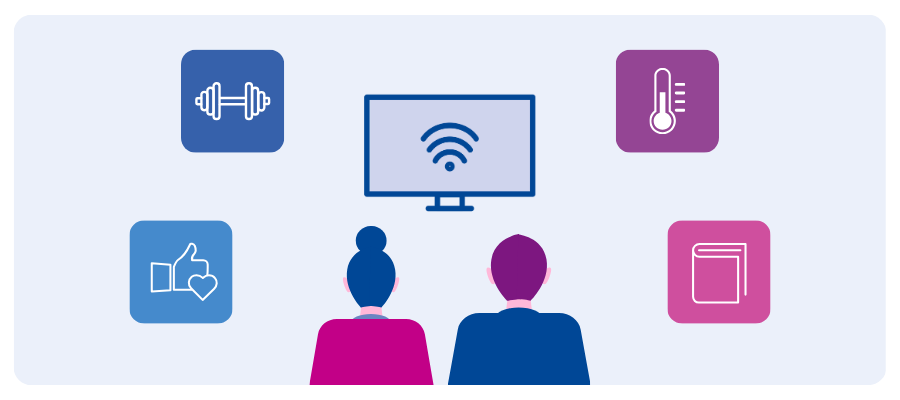
CTV turns living rooms into active spaces

CTV has turned the living room into a hub of interaction, discovery, and commerce. Younger audiences are using their TVs like mobile devices; streaming, learning, and even controlling their homes. This shift is creating new opportunities for advertisers to deliver relevant, personalized experiences where audiences are already engaged. With premium content and interactive tools, the living room is no longer just a passive space, it’s where attention meets action, and where brands can connect with audiences in meaningful ways.

How Experian helps

With Experian, advertisers can connect first-party data with CTV IDs, ensuring accurate and measurable targeting while maintaining a privacy-first approach. That means brands reach viewers with messages that feel personal, without losing trust.

“We surveyed 1,000 smart TV owners and found that younger audiences are using their TVs like mobile devices. Two-thirds use them for social media, 40% for self-improvement like Coursera or TED Talks, and 25% for interactivity; controlling appliances or home temperatures. Interactivity with connected TVs is skyrocketing.”

Samsung Ads Justin Evans

2. Creators build stronger connections with audiences

Creators are no longer limited to social media; they are now a driving force in CTV. Creator led programming is capturing attention and driving post view actions, offering advertisers a unique way to connect with passionate, engaged audiences. By thinking of creators as “micro networks” with built in communities, advertisers can meet fans where they already gather and deliver authentic, impactful messages that resonate.

Creators build stronger connections with audiences

How Experian helps

Experian helps advertisers tap into the creator economy by identifying topical audiences that align with influencer niches—like food, travel, gaming and entertainment—and activating them across the open web. Through Audigent’s integration with DV360, brands can pair Experian’s expansive audience targeting capabilities with Audigent’s Curated Deals to reach engaged viewers in creator-led environments. This approach ensures ads appear where audiences are most receptive, enhancing relevance and performance.

“The creator economy is moving into TV. It’s incredible to see social influencers, once dominant on platforms, now creating high quality content for streaming, networks, and more.”

Butler/TillGina Whelehan

3. Data collaboration that drives better results
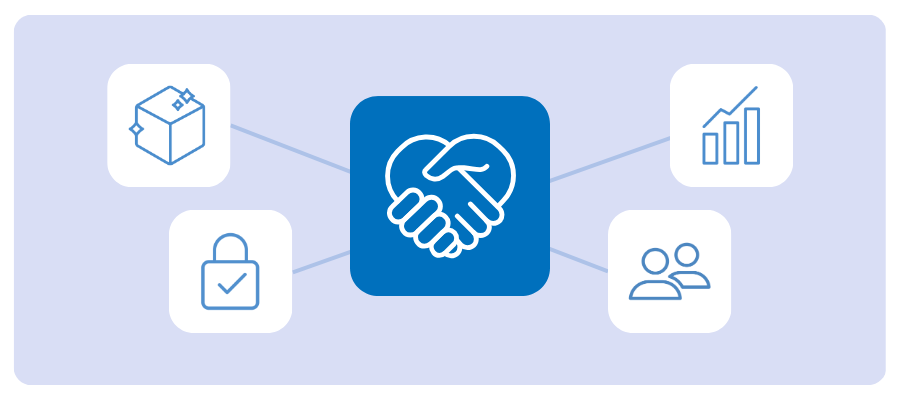
Data collaboration that drives better results

Advertisers rely on data to reach the right audiences, but privacy concerns are reshaping how it’s collected, shared, and used. Data collaboration enables brands to combine multiple data sets (like first-party data and syndicated audiences) to improve planning, activation, and measurement. While privacy remains a priority, the focus is on creating actionable insights that drive better results and build trust with consumers. By focusing on consented, privacy safe identity solutions, advertisers can achieve better outcomes while respecting consumer privacy; a win-win for brands and audiences alike.

How Experian helps

Experian’s privacy-first approach ensures that all data activation occurs with compliance and consent. By maintaining high match rates, offering flexible collaboration options (including clean rooms, first-party data onboarding, and syndicated audiences) and adhering to transparent methodologies, Experian facilitates seamless collaboration between brands, publishers, and platforms. This helps build trust and strengthen long-term connections with audiences.

“The area we’re most excited about is identity resolution on the publisher side. Publishers can reinsert signal and create better results for advertisers. This wasn’t always well-articulated, but today we have case studies proving publishers can help improve outcomes.”

OptableVlad Stesin

4. Optimizing supply paths for better outcomes

Supply path optimization (SPO) helps advertisers improve campaign efficiency by increasing viewability and reducing waste. Supply-side decisioning builds on this by identifying the audiences advertisers want to reach, the content those audiences consume, and the publishers with the most relevant inventory. Together, these strategies create a more intelligent and efficient ecosystem, ensuring ads are delivered in the right context, to the right people, on the right platforms.

Optimizing supply paths for better outcomes

How Experian helps

Experian’s data solutions, including both Experian’s and Audigent’s contextual and identity capabilities, are available across sell-side (SSPs) and buy-side (DSPs) platforms, enabling smarter decision-making throughout the media supply chain. Audigent’s direct integrations with publishers provide an unfiltered view into available inventory, offering deeper insights that inform campaign optimization. These insights can be activated in real time and transacted within advertisers’ existing buying platforms.

By powering real-time intelligence across the ecosystem, from advertisers to DSPs, SSPs, and publishers, Experian and Audigent help drive better outcomes, more efficient media spend, and greater value for all participants.

“Sell-side decisioning activates the intelligence of the exchange, along with partners like Experian, to optimize auctions in real time. This helps pre-decision buys that flow to the DSPs, making the buying process smarter, more efficient, and ultimately driving better value for marketers and publishers.”

Index ExchangeMike McNeeley

5. AI that streamlines agency workflows

AI streamlines agency workflows

AI is a practical tool that agencies are using to streamline workflows and deliver better results. From planning and pacing to creative iteration, AI is helping teams move faster and smarter. In fact, 67% of global marketing and communications professionals now use AI for content creation frequently or all the time, underscoring its role in modern workflows. The key is to think of AI as a navigator, not a replacement. It handles repetitive tasks, freeing up teams to focus on strategy and creativity, while enabling faster tests, fewer dead ends, and better client clarity.

How Experian helps

Experian uses AI and machine learning to deliver highly personalized marketing solutions. In our Digital Graph, advanced clustering algorithms analyze household and individual device connections, improving targeting and measurement accuracy. We also use AI powered audience recommendations to create tailored audience solutions for clients. Our contextual data models, powered by Audigent’s contextual engine, further improve this process by analyzing bidstream traffic in real time, ensuring audiences are aligned with the most relevant inventory.

“We’ve extended our platform with Marketplace, which lets us integrate third-party partners, new tech, and data seamlessly into activation. Clients are asking for this level of innovation, especially with the speed at which AI is evolving and transforming what’s possible in marketing.”

PMGSam Bloom

Connecting the dots: Data, creativity, and outcomes

The common thread across these insights is how we connect with audiences, collaborate on data, and create meaningful outcomes. By reimagining the living room experience and utilizing AI and creator-led programming, brands are embracing innovation.
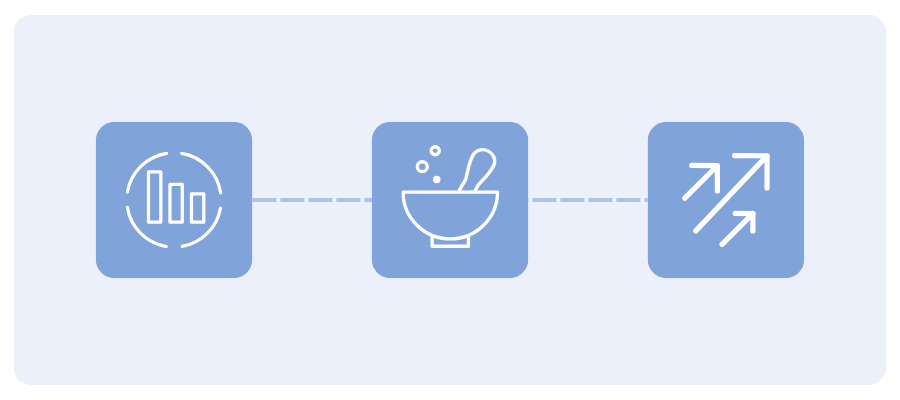
Connecting the dots: Data, creativity, and outcomes

How Experian helps

Experian helps you build privacy-first identity foundations, collaborate seamlessly, optimize supply paths, streamline with AI, and connect through creators.

Let’s start a conversation

This site is protected by reCAPTCHA and the Google Privacy Policy and Terms of Service apply.


FAQs

What is CTV, and why does it matter now? 

CTV brings premium, interactive streaming to the largest screen at home, allowing brands to reach engaged viewers with measurable, personalized experiences. 

What is data collaboration, and how does it stay privacy-first? 

It’s the consented, secure use of first-party and partner data (often via clean rooms) to improve planning, activation, and measurement without exposing raw consumer data. 

What do “SPO” and sell-side decisioning actually do? 

SPO streamlines the path from advertiser to publisher, reducing waste and improving quality. Sell-side decisioning adds real-time intelligence to the exchange, delivering the proper context and audience more efficiently. 

How are creators changing TV advertising? 

Creator-led programming functions like “micro networks” with built-in communities, helping brands show up where fans are already engaged and ready to act. 

How are living rooms becoming “active spaces”? 

Viewers use TVs like mobile devices, discovering content, learning, shopping, and interacting; advertisers can meet their intent and drive post-view actions. 


Latest posts
Loading…
Commerce media: Retail’s next big opportunity

Retail media has been on everyone’s radar for a while. Commerce media has also established itself as a significant player in the AdTech industry over the past few years. While retail media focuses on engaging customers within a retailer’s ecosystem, commerce media goes beyond these boundaries to capture the entire shopping journey, spanning multiple touchpoints, channels, and platforms.But what is commerce media, and why should we care? Commerce media is here to stay Estimated to hit $33.86 billion this year and more than double by 2028, the hunt is on to capture as much of retail media’s projected ad spend as possible. However, given the numerous verticals expanding their retail media strategy to include any touchpoint within the commerce channel, it might be time to lower the retail media flag and hoist the LUMA dubbed "commerce media flag."   So why are Travel, Financial Services, and other verticals focusing on the commerce media ship?   Authenticated and digital users (usually app-driven) Consented data that provides unique insight into the household’s or consumer’s intent/purchase behavior Emerging focus on advertising as an important revenue stream for the future With all this “data” at their disposal — why is it not smooth sailing for commerce media to build an ad-supported business? What’s missing for them to acquire the lucrative billions efficiently and effectively?  Why retail media networks are important Retail media networks (RMNs) are now a major tool for brands to connect with shoppers. These networks gather valuable data from customers who browse and shop on e-commerce sites and apps. What makes RMNs so powerful is that they allow brands to advertise directly to people who are already interested in buying, leading to more successful sales. For marketers, RMNs offer a clear way to reach potential customers and ensure their advertising dollars are well spent. But as competition grows and consumer habits change, these networks must keep improving. To stay ahead, brands will have to find new ways to use RMNs effectively, linking them with other parts of the commerce media world to unlock even greater results. Differences between building a loyalty program and developing ad products Loyalty programs are the backbone of commerce media networks; however, creating a loyalty program is much different than building an advertising product. It requires commerce companies to bring on additional people, technology, and partners to execute flawlessly.  There are four areas to consider:  1. Organizing your data at scale To successfully build an ad-supported business at scale, data must be organized to initiate action (targeting and/or measurement). However, this requires changes in company culture. Both the business and technology infrastructure must be updated. Additionally, commerce media companies must update their mindset around creating and selling products. 2. People We have seen this story before, with large opportunities comes the requirement for new talent. Where are we seeing commerce media companies recruit from? AdTech and MarTech. Whether it’s engineers or data scientists, business development and partnership leads, or even your direct sales team, the poaching has begun. To build a successful business around advertising, experts are needed who can navigate the waters. 3. Partner vs. build The Requests for Information (RFIs) and Requests for Proposals (RFPs) for any combination of agency, demand-side platform, supply-side platform, customer data platform, identity graph, clean room, and beyond are piling up. One trend is clear: commerce media companies are looking for collaborative partners to provide a true strategic partnership to take on the complexities of the transition away from retail media. 4. Identity will remain the keystone to success All commerce media companies have some identity data that reveals a slice of their customers’ viewpoint. Yet, unlocking the broad view of these audiences is crucial to success. These companies need to use the “full pie” to see well-rounded profiles, gain the reach required to access them across many channels, and turn opportunities into revenue. Advertisers can finally close the loop with commerce media networks Commerce media companies with real-time transaction data enable advertisers to see true ROI on their ad spend when products move off the shelves. Measuring real product lift/sale touch points across multiple channels will put performance and measurement front and center. Programmatic was the promise of performance advertising. Well, commerce media may finally fulfill that vow, creating enough value for companies to make it a real competitor to social channels.   While retail media will always exist, the transition to commerce media has become increasingly popular and is here to stay. The journey might not be a straight shot to perfect results, but the data, partnerships, and resources are out there and ready to hop aboard to help guide commerce media companies to success.  The future of commerce media Commerce media shows no signs of slowing down. More industries are seeing the benefit of making every customer touchpoint an opportunity to drive sales. Whether through social media shopping or in-app purchases, commerce media pushes businesses to create smoother, more connected shopping experiences for consumers. In the future, brands won’t just compete on prices or products — they’ll stand out by offering simple, seamless shopping experiences across all devices. With better data and tools to track consumer behavior, brands will be able to personalize their ads and measure their success in real time. Commerce media allows brands to see a direct link between their ads and sales. Those who can adapt and keep up with these changes will come out on top. Create a connected customer view with Experian At Experian, we empower RMNs to unlock the full potential of their first-party data through comprehensive identity and audience solutions. Our data-driven capabilities enable RMNs to build a deeper understanding of their customers, optimize audience targeting across channels, and create enriched, actionable segments that drive measurable outcomes.  By seamlessly connecting our offline and digital data, we help RMNs organize identities into households, device IDs, and more. Each household is enriched with valuable marketing insights, allowing you to gain better customer understanding, create targeted advertising, and reach the right customers across different devices. Additionally, you’ll be able to measure the effectiveness of your advertising efforts.  With our support, RMNs can maximize revenue opportunities, extend reach, and confidently demonstrate the value of the network to advertisers.  Contact us today to find out how Experian can help you succeed in commerce media. Contact us Latest posts

Dec 03,2024 by Experian Marketing Services

The evolution of identity: A decade of transformation

Originally appeared on MarTech Series Marketing’s understanding of identity has evolved rapidly over the past decade, much like the shifting media landscape itself. From the early days of basic direct mail targeting to today's complex omnichannel environment, identity has become both more powerful and more fragmented. Each era has brought new tools, challenges, and opportunities, shaping how brands interact with their customers. We’ve moved from traditional media like mail, newspapers, and linear/network TV, to cable TV, the internet, mobile devices, and apps. Now, multiple streaming platforms dominate, creating a far more complex media landscape. As a result, understanding the customer journey and reaching consumers across these various touchpoints has become increasingly difficult. Managing frequency and ensuring effective communication across channels is now more challenging than ever. This development has led to a fragmented view of the consumer, making it harder for marketers to ensure that they are reaching the right audience at the right time while also avoiding oversaturation. Marketers must now navigate a fragmented customer journey across multiple channels, each with its own identity signals, to stitch together a cohesive view of the customer. Let’s break down this evolution, era by era, to understand how identity has progressed—and where it’s headed. 2010-2015: The rise of digital identity – Cookies and MAIDs Between 2010 and 2015, the digital era fundamentally changed how marketers approached identity. Mobile usage surged during this time, and programmatic advertising emerged as the dominant method for reaching consumers across the internet. The introduction of cookies and mobile advertising IDs (MAIDs) became the foundation for tracking users across the web and mobile apps. With these identifiers, marketers gained new capabilities to deliver targeted, personalized messages and drive efficiency through programmatic advertising. This era gave birth to powerful tools for targeting. Marketers could now follow users’ digital footprints, regardless of whether they were browsing on desktop or mobile. This leap in precision allowed brands to optimize spend and performance at scale, but it came with its limitations. Identity was still tied to specific browsers or devices, leaving gaps when users switched platforms. The fragmentation across different devices and the reliance on cookies and MAIDs meant that a seamless, unified view of the customer was still out of reach. 2015-2020: The age of walled gardens From 2015 to 2020, the identity landscape grew more complex with the rise of walled gardens. Platforms like Facebook, Google, and Amazon created closed ecosystems of first-party data, offering rich, self-declared insights about consumers. These platforms built massive advertising businesses on the strength of their user data, giving marketers unprecedented targeting precision within their environments. However, the rise of walled gardens also marked the start of new challenges. While these platforms provided detailed identity solutions within their walls, they didn’t communicate with one another. Marketers could target users with pinpoint accuracy inside Facebook or Google, but they couldn’t connect those identities across different ecosystems. This siloed approach to identity left marketers with an incomplete picture of the customer journey, and brands struggled to piece together a cohesive understanding of their audience across platforms. The promise of detailed targeting was tempered by the fragmentation of the landscape. Marketers were dealing with disparate identity solutions, making it difficult to track users as they moved between these closed environments and the open web. 2020-2025: The multi-ID landscape – CTV, retail media, signal loss, and privacy By 2020, the identity landscape had splintered further, with the rise of connected TV (CTV) and retail media adding even more complexity to the mix. Consumers now engaged with brands across an increasing number of channels—CTV, mobile, desktop, and even in-store—and each of these channels had its own identifiers and systems for tracking. Simultaneously, privacy regulations are tightening the rules around data collection and usage. This, coupled with the planned deprecation of third-party cookies and MAIDs has thrown marketers into a state of flux. The tools they had relied on for years were disappearing, and new solutions had yet to fully emerge. The multi-ID landscape was born, where brands had to navigate multiple identity systems across different platforms, devices, and environments. Retail media networks became another significant player in the identity game. As large retailers like Amazon and Walmart built their own advertising ecosystems, they added yet another layer of first-party data to the mix. While these platforms offer robust insights into consumer behavior, they also operate within their own walled gardens, further fragmenting the identity landscape. With cookies and MAIDs being phased out, the industry began to experiment with alternatives like first-party data, contextual targeting, and new universal identity solutions. The challenge and opportunity for marketers lies in unifying these fragmented identity signals to create a consistent and actionable view of the customer. 2025: The omnichannel imperative Looking ahead to 2025 and beyond, the identity landscape will continue to evolve, but the focus remains the same: activating and measuring across an increasingly fragmented and complex media environment. Consumers now expect seamless, personalized experiences across every channel—from CTV to digital to mobile—and marketers need to keep up. The future of identity lies in interoperability, scale, and availability. Marketers need solutions that can connect the dots across different platforms and devices, allowing them to follow their customers through every stage of the journey. Identity must be actionable in real-time, allowing for personalization and relevance across every touchpoint, so that media can be measurable and attributable. Brands that succeed in 2025 and beyond will be those that invest in scalable, omnichannel identity solutions. They’ll need to embrace privacy-friendly approaches like first-party data, while also ensuring their systems can adapt to an ever-changing landscape. Adapting to the future of identity The evolution of identity has been marked by increasing complexity, but also by growing opportunity. As marketers adapt to a world without third-party cookies and MAIDs, the need for unified identity solutions has never been more urgent. Brands that can navigate the multi-ID landscape will unlock new levels of efficiency and personalization, while those that fail to adapt risk falling behind. The path forward is clear: invest in identity solutions that bridge the gaps between devices, platforms, and channels, providing a full view of the customer. The future of marketing belongs to those who can manage identity in a fragmented world—and those who can’t will struggle to stay relevant. Explore our identity solutions Contact us Latest posts

Nov 25,2024 by Christopher Feo, Chief Business Officer

Five considerations for the future of innovation in data and identity

Consumers engage with content and advertisements across various devices and platforms, making an identity framework essential for establishing effective connections. An identity framework allows businesses to identify consumers across multiple touchpoints, including the relationships among households, individuals, and their devices. Combined with a robust data framework, businesses can understand the relationship between households, individuals, and marketing attributes. Consequently, businesses can tailor and deliver personalized experiences based on individual preferences, ensuring seamless consumer interactions across their devices. We spoke with industry leaders from Audigent, Choreograph, Goodway Group, MiQ, Snowflake, and others to gather insights on how innovations in data and identity are creating stronger consumer connections. Here are five key considerations for advertisers. 1. Embrace a multi-ID strategy Relying on a single identity solution limits reach and adaptability. Recent data shows that both marketers and agencies are adopting multiple identity solutions. By embracing a multi-ID strategy with solutions like Unified I.D. 2.0 (UID2) and ID5, brands can build a resilient audience targeting and measurement foundation, ensuring campaigns remain effective as identity options evolve across channels. A diversified identity approach ensures that advertisers are not left vulnerable to shifts in technology or policy. By utilizing multiple ID solutions, brands can maintain consistent reach and engagement across various platforms and devices, maximizing their campaign effectiveness. "I don't think it will ever be about finding that one winner…it's going to be about finding the strengths and weaknesses and what solutions drive the best results for us."Stephani Estes, GroupM 2. Utilize AI and machine learning to enhance identity graphs Identity graphs help marketers understand the connections between households, individuals, their identifiers, and devices. This understanding of customer identity ensures accurate targeting and measurement over time. AI and machine learning have become essential in making accurate inferences from less precise signals. These technologies strengthen the accuracy of probabilistic matches, allowing brands to understand consumer behavior more effectively even when data fidelity is lower. Adopting a signal-agnostic approach and utilizing various ID providers enhances the ability to view consumers' movements across platforms. This strategy moves measurement beyond isolated channels, providing a holistic understanding of campaign effectiveness and how different formats contribute to overall performance. By integrating AI and machine learning into identity graphs, advertisers can develop more cohesive and effective marketing strategies that guide customers seamlessly through their buying journey. "What we're finding is more and more identity providers are using Gen AI to locate connections of devices to an individual or household that maybe an identity graph would not identify."David Wells, Snowflake 3. Balance privacy with precision using AI AI-driven probabilistic targeting and identity mapping provide effective solutions for privacy-focused advertising. Rather than relying on extensive personal data like cookies, AI can use limited, non-specific information to predict audience preferences accurately. This approach allows advertisers to reach their target audience while respecting privacy—a crucial balance as the industry shifts away from traditional tracking methods. According to eMarketer, generative AI can further enhance audience segmentation through clustering algorithms and natural language processing. These tools enable more granular, privacy-compliant targeting, offering advertisers a pathway to reach audiences effectively without needing third-party cookies. "I think the biggest opportunity for machine learning and AI is increasing the strength and accuracy of probabilistic matches. This allows us to preserve privacy by building models based on the features and patterns of the consumers we do know, instead of transmitting data across the ecosystem."Brian DeCicco, Choreograph 4. Activate real-time data for better engagement Real-time data enrichment introduces dynamic audience insights into the bidding process, enabling advertisers to respond instantly to user actions and preferences. This agility empowers marketers to craft more relevant and impactful moments within each campaign. "Real-time data enrichment–where data companies can have a real-time conversation with the bid stream–is an exciting part of the future, and I believe it will open the door to activating a wide variety of data sets."Drew Stein, Audigent 5. Create and deploy dynamic personas using AI Generative AI transforms persona-building by providing advertisers with richer audience profiles for more precise targeting. This approach moves beyond traditional demographic categories, allowing for messaging that connects more meaningfully with each consumer. By using generative AI to craft detailed personas, advertisers can move beyond generic messaging to create content that truly resonates on an individual level. This personalized approach captures attention and strengthens consumer relationships by addressing their specific needs and interests. "One cool thing we've built recently is a Gen AI-based personas product that generates personas to create highly sophisticated targeting tactics for campaigns."Georgiana Haig, MiQ Seize the future of data-driven engagement Focusing on these five key innovations in data and identity allows you to adapt to the evolving media landscape and deliver personalized experiences to your audience. Contact us Latest posts

Nov 21,2024 by Experian Marketing Services

Subscribe to our newsletter

Enter your name and email for the latest updates

This site is protected by reCAPTCHA and the Google Privacy Policy and Terms of Service apply.

About Experian Marketing Services

At Experian Marketing Services, we use data and insights to help brands have more meaningful interactions with people. As leaders in the evolution of the advertising landscape, Experian Marketing Services can help you identify your customers and the right potential customers, uncover the most appropriate communication channels, develop messages that resonate, and measure the effectiveness of marketing activities and campaigns.

Visit our website

Subscribe to our newsletter

Stay up to date on the latest industry news and receive expert tips from our marketing experts.
Subscribe now!