Loading...

A deep dive with an Experian partner, 33Across

Published: October 22, 2025 by Experian Marketing Services

At A Glance

Reaching the right audience is becoming more challenging as digital advertising grows increasingly fragmented, and privacy regulations change. 33Across addresses this by providing real-time intent signals and contextual insights, helping marketers connect with consumers across devices like CTV, mobile, and desktop. Integration into Experian's marketplace makes these solutions more accessible, helping advertisers achieve measurable results.

In our Ask the Expert Series, we interview leaders from our partner organizations who are helping lead their brands to new heights in AdTech. Today’s interview is with Allison Dewey (Director, Data & Curation) at 33Across.

Navigating complexity in digital advertising

Digital advertising is more fragmented and privacy-constrained than ever. How is 33Across helping marketers cut through that complexity to drive real outcomes, and what makes your approach distinct?

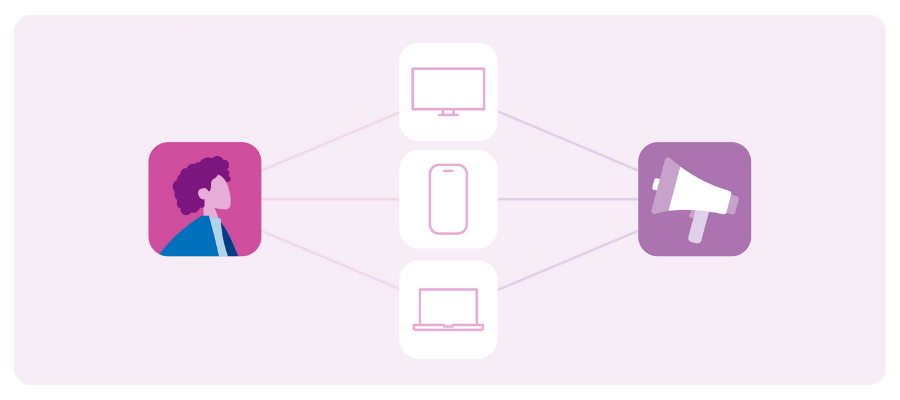
Reaching audiences without compromising scale or performance is one of the toughest challenges for marketers. Users consume content across multiple devices and channels, making it difficult for marketers to identify and accurately target them with the right message. 33Across segments leverage AI-powered contextual and behavioral signals across privacy-safe environments to help marketers accurately identify audiences, whether they’re streaming content on their connected TV or researching products on their mobile device. What sets us apart is that we don’t just identify valuable audiences; we help marketers also target cookieless inventory and power it with real-time signals.
Navigating complexity in digital advertising

Marketplace integration milestones

What excites you most about bringing 33Across audiences into Experian’s data marketplace?

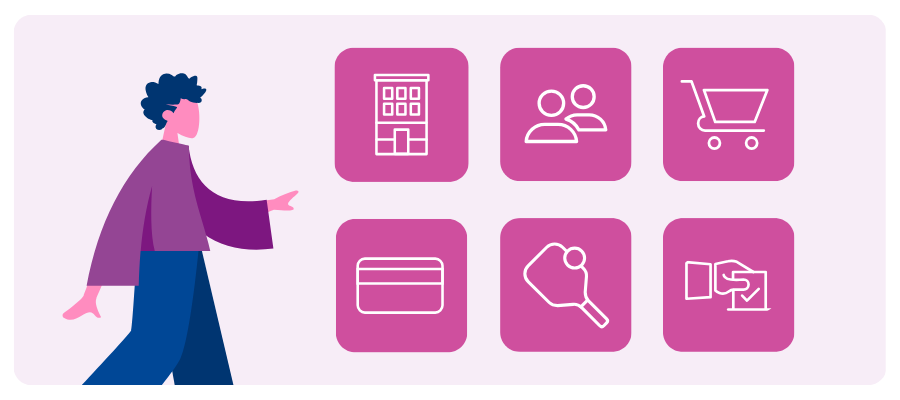
We’re excited to bring 33Across audiences into Experian’s data marketplace because it connects our unique segments with a powerful data ecosystem that marketers already trust. Buyers looking to activate audiences that are both privacy-safe and performant continue to tap into the Experian data marketplace for high-quality, high-performing data. We offer a wide range of audience verticals, including B2B, demographic, retail purchase data, interest and intent, and political data. In addition, we offer the ability to create custom segments across verticals.
Marketplace integration milestones

Our intent-based audiences, built from contextual and engagement signals, help buyers reach consumers on CTV, desktop, or mobile devices with scale. Being part of Experian’s data marketplace accelerates access to these audiences, drives better ROI, and helps brands future-proof their strategies today.

Shopping intent icon

Retail demand signals

Retail brands are racing toward privacy-safe, first-party data. Which 33Across retail datasets or segments are experiencing the highest demand, and what makes them a must-have?

Retail marketers are leaning into contextual and behavioral intent signals to complement their first-party data strategies. At 33Across, we’re seeing high demand for segments tied to shopping intent, including in-market consumers browsing for categories like fashion, home goods, electronics, and health & wellness.

What makes these segments essential is their real-time nature – they can capture consumer interest as it happens. For retail brands looking to expand their reach while respecting privacy, our segments offer scalable, actionable intent that drives results.

B2B without cookies icon

B2B without cookies

Reaching real B2B decision-makers at scale is tough with or without signals. How does 33Across deliver both precision and reach in this environment?

B2B marketing often struggles with balancing scale and specificity. 33Across addresses this by combining contextual precision with AI-modeled behavioral signals; this segment approach reaches professionals actively engaging with relevant content and topics, even in environments where IDs are unavailable. Marketers gain access to more signals and, in turn, better reach from 33Across’ unique publisher integrations and audience curation built from machine learning and AI.

We surface intent through content consumption patterns and contextual engagement, unlocking valuable, privacy-safe signals at scale. Allowing B2B marketers to reach real decision-makers in a signal-sparse world.

use cases icon

Use cases

With retail, B2B, and beyond, can you share an example of how brands in these verticals are utilizing your audiences?

Top brands that have a user-focused approach use 33Across audiences to drive scale; performance. These brands enable our segments to precisely reach the right users across devices and increase conversion rates; brand awareness. By reaching the right users, brands have higher conversion rates and increase campaign efficiency.

supply path innovation

Supply path innovation

As identifiers disappear, advertisers are looking for scalable, privacy-safe ways to reach real people. How is 33Across helping unlock more addressable inventory and drive performance?

By combining contextual, semantic, and engagement-based signals, we deliver intent-based targeting that performs across CTV, display and video. Higher addressability helps marketers not only extend their reach but also deliver personalized messaging across digital channels in a privacy-compliant way.

Contact us

This site is protected by reCAPTCHA and the Google Privacy Policy and Terms of Service apply.


About our expert

Allison Dewey, Director of Data and Curation, 33Across

Allison Dewey

Director of Data and Curation, 33Across

Allison Dewey is the Director of Data & Curation at 33Across, where she oversees data partnerships, integrations, and supply-side curation. With a deep expertise in audience targeting and signal optimization, Allison plays a key role in connecting data into the programmatic world. Allison holds a Bachelor’s degree in Psychology from Bates College.

33Across logo

About 33Across

Rooted in over 15 years of data expertise, 33Across harnesses signals to enrich and expand marketers’ audiences and reach them wherever they consume content. Built from over 300 billion proprietary data signals, we apply machine learning and AI to create over 1,500 B2C and B2B segments using privacy-first principles to reach audiences.


Cookieless targeting FAQs

How can advertisers reach audiences without traditional identifiers? 

By using contextual and engagement-based signals, advertisers can target consumers across CTV, mobile, and desktop in a privacy compliant way, even as identifiers become less available. 

What audience segments are most in demand for retail marketers? 

Segments tied to shopping intent, such as consumers browsing fashion, electronics, or health products, are highly sought after because they capture real time interest and drive results. 

How can B2B marketers find decision-makers without cookies? 

Combining content engagement patterns with machine learning allows marketers to reach professionals actively engaging with relevant topics, even in environments where IDs are unavailable. 

What makes privacy safe audience targeting effective? 

Privacy safe targeting uses real time contextual and behavioral signals to deliver relevant messaging across devices and channels without compromising consumer trust. 

How can real-time intent signals drive demand? 

Real time intent signals allow advertisers to capture consumer interest as it happens, helping demand side platforms and brands deliver timely, relevant ads that increase engagement and drive conversions across devices like CTV, mobile, and desktop. 


Latest posts
Loading…
Five real-life demographic segmentation examples

Not all customers are the same, so why waste your budget marketing to them like they are? McKinsey research shows that 71% of consumers want personalized shopping experiences, and 76% get frustrated when they don’t have them. That’s where demographic segmentation comes in. But what is demographic segmentation, exactly? We define it as a process that helps you categorize your audience into meaningful demographic groups so you can reach the right people with impactful custom messages. Businesses across industries are partnering with Experian to power smarter decisions and better results through solutions like demographic segmentation — but what does this look like in action? This article breaks down five real-world demographic segmentation examples, showing how businesses have worked with us to drive measurable success so you can see exactly how it can work for you. What is demographic segmentation?   Demographic segmentation involves dividing your audience into smaller, more specific groups based on shared demographics like income, education, gender, job, family status, and more to gain a more granular understanding of your brand’s target segments. The better you know your audience, the better you speak to their unique needs — and the more effective your campaigns will be, as you’ll be able to target each segment with highly personalized content that resonates. For instance, a company might market a new tech gadget to young adults in one way while promoting the same product to families with young children in a completely different way, ensuring the message speaks to each group’s lifestyle and priorities. Demographic segmentation attributes Some of the most common attributes used in demographic segmentation include: Age Each age group has different wants and needs. A new video game might catch the eye of teenagers, while a retirement plan is more likely to appeal to someone in their 50s or 60s. Gender Gender impacts preference for certain products, from fashion to gadgets, so knowing who you’re talking to helps make your marketing more relevant. Income Someone with a higher income might be more likely to purchase premium products, while someone on a budget will respond better to discounts or value-based offers. Education The level of education a person has can influence what kind of messaging will resonate with them, whether it’s complex or more straightforward. Occupation A marketing message targeting busy professionals might differ from one aimed at students or retirees. Occupation can tell you what’s important to a person in terms of their needs and lifestyle. Family Status A family with young kids likely has different priorities than a single person or a couple without children. You can adapt your messaging to be more relevant to what matters most to them, like convenience or value. Benefits of using demographic segmentation Demographic segmentation offers several valuable benefits for marketers. Here’s why it’s one of the most commonly used and effective ways to target audiences: Improved targeting and personalization: Demographic segmentation powers highly customized campaigns so you can cater to different income levels, family structures, job types, and so forth. B2C brands can provide offers based on factors like age, income, and gender, while B2B brands can target by occupation to reach decision-makers. Better product and service development: Understanding which demographics use your product or service is a great way to inform future improvements. Higher engagement: With highly customized content, you can speak directly to specific demographic groups and increase engagement. Cost efficiency: As you target the most relevant segments, you optimize your spending around the most likely buyers and will see better returns. Increased conversion and retention: Relevant, targeted messaging leads to higher conversion rates, and when people feel understood, they’ll want to keep coming back. Clearer customer insights: Demographic data provides precise, actionable insights for refining your marketing strategy. Simplicity and effectiveness: Demographic insights are immediately actionable and easy to implement, which gives you a great starting point for focused campaigns. When to use other segmentation types While demographic segmentation provides valuable consumer insights, there are times when other approaches may offer a more effective strategy: Your business provides location-dependent services. If you strictly serve a local area, geographic segmentation would be more effective in targeting customers based on location. You have access to detailed behavioral data. If you collect data on customer behavior (like browsing history or purchase patterns), behavioral segmentation would allow for more personalized targeting than demographics. You're selling high-end luxury products. While income is a useful demographic variable, factors like values, aspirations, and lifestyle better capture the desires of luxury consumers. Your target audience shares similar behaviors, regardless of demographic factors. Behavioral segmentation might offer more insight if your customers engage with your product or service based on shared behaviors rather than demographic traits. Your product or service targets specific needs or pain points. Segmenting by need or issue rather than traditional demographic variables would likely yield better results if you're offering a solution to a particular problem (like a health-related product). How our customers are using demographic segmentation to produce tangible results               Demographic segmentation is about knowing your audience and using data to create marketing strategies that drive measurable outcomes. Let’s look at some real-world use cases from brands like yours that have been successful in this effort, working with Experian to translate demographic insights into significant business growth. Use case #1: Identifying customer spending potential to boost growth for a retail chain Objective A large retail chain wanted to understand the spending potential of each customer in their stores. Their goal was to uncover and maximize untapped spending potential. Solution The large retail chain licensed Marketing Attributes to identify the top demographic factors that drove spending in the retail store the previous year. The four key drivers were: Age Income Family structure (household composition) Location/region Results By combining these attributes to create custom segments, we uncovered two valuable annual estimates: Potential spend: A conservative estimate of how much a customer could spend if they reached the top 20% of spenders within their specific demographic segment (based on data from the highest spenders). Unrealized spend: The difference between a customer's annual potential spend and their current spend. An estimate of how much more they could be spending each year. These demographic segments provided the marketing strategy the retail chain used to target $1.1 billion in unrealized spend. This revealed how much additional revenue could be captured by targeting the right customers with tailored marketing and offers through demographic segmentation. Use case #2: Helping a financial institution identify regional DE&I opportunities Objective A large financial institution needed help identifying regional diversity, equity, and inclusion (DE&I) opportunities. They wanted to better prioritize their outreach to underserved communities in the Los Angeles area. Solution We provided the data and insights to pinpoint specific areas needing attention. We used three key indices to analyze the region: Income index: Measured each underserved economic group by comparing the percentage of low-to-moderate income consumers against the entire L.A. area. Ethnicity index: Measured the percentage of consumers by ethnicity, such as African-American, Hispanic, Asian, and others, against the entire L.A. area. Credit index: Identified potential credit disparities by looking at the average FICO score and the percentage of customers with credit accounts against the entire L.A. area. Results Our client received an analytics dashboard to track and report these metrics, providing clear, traceable data to prioritize DE&I outreach. This dashboard helped them measure progress toward more inclusive practices. Use case #3: Segmenting a health supplement ambassador program for enhanced engagement Objective A health supplement company wanted to identify specific segments within their ambassador program to provide better support and increase engagement. Solution We developed tailored customer segments to address specific needs and behaviors. These segments included: Young and independent: Younger, lower-income singles or starter households who are just beginning to establish their own lives. Families with ends to meet: Young and middle-aged families with kids who are budget-conscious, often using coupons and enjoying fast food. High-end families: Middle-aged families with kids and high incomes, financially secure big spenders who also give to charities. Empty nesters: Older households with no kids who focus on cooking at home and may have more disposable income. Results Segmenting at registration allowed for more effective communication and engagement with prospects. Customized messaging, guided by customer demographics and purchasing behaviors, improved acquisition and retention by helping the right messages reach the appropriate individuals through their preferred channels. Use case #4: Comparing customer bases: Insights for a retailer across two cities Objective A national retailer with locations in two major cities (their home base city and a recent expansion city) wanted to understand how different their customer base was in each city. They aimed to uncover key demographic and behavioral differences to refine their marketing strategies and ensure each location received the most relevant messaging and promotions. Solution We analyzed each city’s customers across a wide range of characteristics:. Demographics: The expansion city had a younger population with more families, while the home base city had an older and more established customer base. Purchasing behavior: Customers in the expansion city spent more per transaction than those in the home base city. Preferred marketing approach: Customers in the home base city were likelier to be Brand Loyalists, responding well to familiar, trust-driven messaging. Shoppers in the expansion city were Savvy Researchers who responded better to value-based content and product comparisons. Results Using these insights, the retailer tailored its marketing approach to align with each location’s customer base: Home base city: Focused on maintaining loyalty by emphasizing brand trust and highlighting long-term customer benefits. Expansion city: Positioned marketing to appeal to younger, family-focused consumers to showcase high-value purchases and competitive pricing These adjustments led to improved engagement and higher sales in both cities. Use case #5: Optimizing direct mail to help a nationwide retailer maximize impact on a limited budget Objective Facing a shrinking marketing budget, a nationwide retailer needed to refine their direct mail strategy to reach the right customers while reducing costs. Solution We developed a comprehensive dashboard summarizing two dozen recent direct mail campaigns, which allowed the retailer to: Understand the demographic composition of high-response customers across different regions. Identify key patterns in response rates, helping them pinpoint the most receptive audiences. Discover that the Power Elite Mosaic Group representing affluent, high-spending households comprised only 17% of their mailed audience but accounted for 47% of responses. Results With these insights, the retailer restructured their direct mail strategy to target the highest-performing segments. Changes like these led to a 30% reduction in mailing costs while retaining 92% of sales, proving that strategic segmentation can drive efficiency without sacrificing revenue. Explore demographic segmentation with Experian Now that we’ve defined demographic segmentation and provided real-world examples, it’s time to explore how Experian data can help you better understand and connect with your audience. Experian’s Marketing Attributes provide rich, privacy-conscious insights into consumer demographics, lifestyles, and behaviors. These insights empower marketers to personalize experiences, refine targeting strategies, and make more informed decisions. With a deeper understanding of who your customers are, you can create more meaningful, impactful campaigns that drive stronger engagement and results.  Connect with us today to see how our data and expertise can improve  your targeting, personalization, and campaign performance. Connect with us Latest posts

Apr 17,2025 by Erik Lund, Lead Consultant

A deep dive with Experian partner, Attain

In our Ask the Expert series, we interview leaders from our partner organizations who are helping lead their brands to new heights in AdTech. Today’s interview is with Brian Mandelbaum, CEO and Co-Founder at Attain. About Attain Built for privacy — with visibility across all retailers, verticals and purchases — Attain provides solutions for the modern marketer. Its real-time measurement and optimization solutions coupled with high-fidelity audiences and proprietary insights enable marketers to drive valuable business outcomes. The power of transaction-based audiences Attain’s real-time transaction data provides a 360-degree view of consumer behavior. What makes this approach more effective than traditional demographic or behavioral targeting? Attain is the industry’s most trusted source of live purchase data, powered by a robust panel of 8 million fully permissioned consumers. Our platform delivers unmatched, real-time visibility into consumer purchase behavior across retailers, industries, and payment methods. Marketers gain deep insights — such as in-store vs. online purchases, payment methods, purchase frequency, cart contents, and average transaction value — enabling more precise audience targeting and media strategies. With Attain’s rich, transaction-based data, marketers can optimize campaigns with direct, actionable sales signals. Ensuring data accuracy and relevance Attain curates audiences using real-time transaction data, but advertisers often ask whether this data is deterministic or probabilistic. Can you clarify your methodology, and if probabilistic, how do you ensure accuracy and representation across the entire US population? Our transaction data comes directly from the largest live purchase data panel in the U.S. Covering over 10,000+ merchants and $600B in cumulative spend, our dataset offers a complete and dynamic view of real-world purchase behavior. Using advanced machine learning, we scale this data to represent the entire U.S. population with unmatched accuracy, ensuring a balanced and unbiased reflection of consumer spending patterns. Our rigorous methodology eliminates outliers, continuously optimizing for precision and stability, so marketers can trust our insights for better targeting, measurement, and optimization. Privacy-first data practices Attain is built on a privacy-first, consumer-permissioned model. There are many ways to capture purchase data—why did Attain choose a panel-based approach, and how does this method compare to other collection strategies in terms of accuracy, scale, and compliance? Attain’s panel-based approach is the foundation of our privacy-first, consumer-permissioned model. By capturing real-time transaction data directly from our opted-in consumer panel, we ensure unmatched accuracy and ethical data sourcing — paramount in today’s privacy-conscious world.   In exchange for sharing their data, consumers receive valuable benefits like early wages, savings tools, and shopping rewards, with no hidden fees. Unlike legacy third party data providers, our directly sourced transaction data provides deeper, more precise insights, enabling highly granular and actionable audience segments.   Our continuously growing panel reflects a broad cross-section of U.S. consumers while maintaining strict privacy and compliance standards. We fully adhere to regulations like CCPA and GDPR, giving both consumers and advertisers confidence in the responsible use of data. Attain’s approach delivers the ideal balance of accuracy, scale, and compliance—while prioritizing consumer trust. Cross-channel addressability With brands activating audiences across display, mobile, and CTV, how does Attain’s purchase data help advertisers refine their cross-channel strategies? Attain’s purchase data empowers advertisers to refine cross-channel strategies with smarter, data-driven insights. Our real-time transaction-based audiences enable scalable activation across display, social, online video, and addressable TV — ensuring campaigns reach high-intent buyers more likely to convert.   By applying purchase-based audiences across all channels, marketers are utilizing the strongest signals possible, which enables a more effective holistic strategy to drive to that ultimate sales outcome. Whether through social media, TV/CTV, mobile, or programmatic platforms, Attain helps brands connect with consumers at key moments in their buying journey, maximizing media impact with real behavioral insights instead of proxies.   With an expansive and growing network of media partners, Attain ensures brands reach their audiences wherever they are, delivering consistent, high-impact messaging. Whether optimizing for brand awareness or performance, our data helps marketers make smarter decisions to drive superior results. Proven performance with live purchase feedback Attain moves beyond traditional proxy metrics by providing live purchase data. How does this help advertisers optimize campaigns while they’re still running? What sets Attain’s audiences apart isn’t just the data fidelity and holistic coverage of consumer behavior, it's that they’re built and validated using live, privacy-safe purchase signals. Advertisers can execute campaigns confidently, knowing that they’re reaching real consumers based on recent, real-world transactions, not outdated models or inferred, probabilistic behaviors. Attain’s ability to measure sales lift across a wide range of inputs means that marketers can easily understand which audiences are driving actual sales outcomes during flight. This unlocks smarter mid-campaign optimizations, discovering new audiences, and fine-tuning targeting — to ensure audience performance continually improves against real revenue goals. Attain’s closed-loop approach gives advertisers a faster path from targeting to transaction, helping brands maximize the value of every impression. Industry-specific use cases Beyond CPG, Attain supports industries like QSR, retail, and financial services. Can you share a compelling example of how brands in these verticals are utilizing your audiences? Attain’s audiences provide a comprehensive view of the consumer, capturing all aspects of their purchase behaviors — from travel and dining to TV content consumption and shopping habits. This broad perspective offers brands a far richer set of buying signals than ever before, enabling them to make more informed decisions across the entire consumer journey. Quick service restaurants (QSR): With a comprehensive view across all transaction types (cash, credit, debit) – Attain enables QSRs to capture a full picture of customer spend at their nationwide locations. Ensuring these brands have holistic coverage across all sales channels, powered by a direct relationship with the consumer, Attain captures transactions both in-store, online, and through 3P delivery apps like UberEats and Grubhub. This powers Attain’s deep insights, which QSRs can use for intelligent, precise targeting- including frequent visitors, competitive share, products purchased, and more. QSRs can use this data to solve a variety of business objectives, like retention/growth, competitive conquesting, and more. Retail: In retail, Attain provides a wide range of audience segments, including loyalty shoppers, in-market buyers, competitive shoppers, and even adjacent buyers who may be interested in similar products. By combining these segments, retailers can optimize their campaigns to target real-time shoppers with the highest intent, rather than relying on outdated or generalized profiles that other providers might offer. Additionally, with our industry-leading refresh rate, brands benefit from the most up-to-date data, ensuring their campaigns are always aligned with the latest consumer behaviors. Financial services: In the financial services sector, Attain’s purchase data helps identify consumers who are actively considering financial products such as credit cards or loans. By understanding their purchasing behaviors, marketers can deliver highly personalized and relevant offers to those already displaying intent, leading to better conversion rates and more effective acquisition strategies. Integration with Experian's marketplace Attain is now available through the Experian marketplace. How does this integration make it easier for advertisers to activate and scale your audiences? Attain’s integration with Experian marketplace makes it easier than ever for advertisers to activate our purchase-based audiences across TV, social, and programmatic. This partnership makes Attain’s data even more accessible, supporting our mission to build the most comprehensive and trusted consumer data ecosystem.   With direct access to our real-time audiences within Experian’s marketplace, advertisers can more efficiently launch campaigns at scale and make more precise, data-driven decisions. As one of Experian’s inaugural partners, we’ve already seen strong adoption and demand, reinforcing the value of this partnership. The future of transaction-based targeting As the use of transaction data in advertising continues to grow, what changes do you anticipate in how brands will apply it for targeting and measurement? And how is Attain evolving its approach to support those shifts? As transaction data reshapes advertising, brands can shift from targeting probabilistic audiences to reaching high-intent consumers for greater ad relevance and conversions. Purchase data also unlocks highly accurate incrementality measurement, closing the loop and revealing which tactics and channels drive true incremental sales. Attain’s platform is built for outcomes-driven advertising, capturing data across the entire media cycle to continuously optimize performance. As we continue to make investments in AI and machine learning into our platform, our insights will become even more actionable and efficient — helping brands maximize impact, drive incrementality, and fuel long-term growth. Thanks for the interview. Any recommendations for our readers if they want to learn more? To explore our audience segments, visit the Attain website or contact your Experian account representative to schedule your free match test. Contact us today About our expert Brian Mandelbaum, CEO and Co-Founder, Attain Brian Mandelbaum, a veteran entrepreneur and investor, is the co-founder and CEO of Attain, North America’s largest opt-in purchase platform. Prior to Attain, Brian founded Clearstream TV, a data-enabled video distribution platform acquired by Engine Group in 2015. He brings over 20 years of experience in data-driven digital media, collaborating with top agencies and major brands. Latest posts

Apr 16,2025 by Experian Marketing Services

The identity problem RMNs can’t afford to ignore

Retail media networks (RMNs) are on track to capture over $128 billion in ad spend by 2028, growing nearly 25% year over year​. But behind this rapid expansion, RMNs face a challenge that could slow their momentum: they lack the complete picture of their customers.   Retailers sit on a goldmine of first-party data—loyalty programs, online purchases, and in-store transactions—but their customer view is often fragmented, incomplete, or entirely anonymous. Without a strong identity foundation, RMNs struggle to: Scale advertiser reach beyond logged-in users Seamlessly match audiences across channels (CTV, programmatic, social) Deliver the precise targeting and measurement that advertisers demand The reality? Data is only valuable if it’s usable. And right now, too many RMNs are leaving value on the table. The identity challenge: If you can’t see it, you can’t monetize it Retailers have two types of customers: Known customers: Logged-in or self-identified users with purchase history and identifiable attributes. Unknown customers: Shoppers who browse, purchase in-store, or check out as guests—leaving behind only partial or anonymous data. Although many retailers have a loyalty program, it’s unlikely they are capturing a full view of all of their customers, especially outside of their four walls. When retailers don’t know their customers, they can’t effectively: Understand what messages will resonate with what audiences Extend their audiences beyond their owned platforms Provide advertisers with the reach and addressability they demand Accurately measure media performance and prove ROI But this challenge isn’t unsolvable—it’s an identity problem, and Experian is built to fix it. The missing link: Clean, enriched, and connected data Assuming your data is ready to activate is a costly mistake. Too often, RMN data is messy, siloed, and incomplete, making it difficult to deliver the precision and performance advertisers expect. Experian flips the script—helping RMNs transform fragmented signals into a complete, connected picture of their audience. Here’s how Experian helps RMNs go from fragmented to first-class Clean and optimize We organize messy customer data, removing duplicates and filling in gaps. Enrich and enhance Our insights add depth to profiles with demographics, behavior, and purchase intent signals. For example, an RMN may know a shopper recently bought a car seat—but not that they lease a luxury SUV. That auto data is critical to securing auto ad dollars, and it’s exactly the kind of insight Experian provides. Expand and connect Using digital identifiers like hashed emails (HEMs), mobile ad IDs (MAIDs), and connected TV (CTV) IDs, we help extend audience reach across every channel advertisers care about. The result? A complete and addressable audience picture that RMNs can activate confidently—on-site and off. We partnered with one of the largest RMNs in the world to overhaul its first-party shopper data ahead of industry changes. By anchoring its data to stable digital IDs, addressability skyrocketed by nearly 300%. That’s the Experian difference—turning guesswork into confidence. Retailers who master identity will win the RMN race In an increasingly competitive RMN landscape, identity isn’t optional—it’s everything. Advertisers demand scale, accuracy, and measurable impact. Only RMNs with a robust identity foundation will rise above the competition. RMNs that prioritize identity resolution and data enrichment will: Drive more revenue by increasing the size of their addressable audience Keep advertisers engaged with better targeting and measurement Capture RMN market share by offering scale and accuracy Don’t just compete—lead. Ready to transform? Experian will show you how Fixing data inside the RMN ecosystem is just the beginning. In part two, we’ll cover: Why RMNs should be activating their enriched first-party data across CTV, programmatic, and social. Why off-site expansion is the future of maximizing revenue. How Experian’s data and identity solutions power off-site activation.  Experian isn’t just part of the RMN conversation. We’re driving it. Let’s talk. Connect with our team Latest posts

Apr 10,2025 by Anne Passon, Sr. Sales Director, Retail

Subscribe to our newsletter

Enter your name and email for the latest updates

This site is protected by reCAPTCHA and the Google Privacy Policy and Terms of Service apply.

About Experian Marketing Services

At Experian Marketing Services, we use data and insights to help brands have more meaningful interactions with people. As leaders in the evolution of the advertising landscape, Experian Marketing Services can help you identify your customers and the right potential customers, uncover the most appropriate communication channels, develop messages that resonate, and measure the effectiveness of marketing activities and campaigns.

Visit our website

Subscribe to our newsletter

Stay up to date on the latest industry news and receive expert tips from our marketing experts.
Subscribe now!