
Your business has a credit score too and it can be pivotal to your success. Learn more about building strong business credit.
Read more
Hear what Experian small business customers have to say about our credit report subscriptions; and the difference it makes.
View Testimonials
Stay ahead of the curve by being informed about industry trends and policies that impact small businesses.
Read more
JoAnn Krall, The Sensible Organizer | Small Business Matters Do you become overwhelmed when you think about reorganizing your business? Or perhaps the idea of overhauling your digital file storage is keeping you up at night. If this is you, we have a great conversation worth listening to in the latest episode of Small Business Matters. Our special guest this week is JoAnn Krall of The Sensible Organizer. Key takeaways: During our chat, we hear how a series of life events and personal losses caused JoAnn to disrupt her career by starting her consulting business, The Sensible Organizer. She shares how she helps her small business clients to adopt organizational techniques that fit their personal style. We also delve into the shame that most disorganized people feel, and we finish by talking about a few different project management systems we use. What follows is a lightly edited transcription of our interview. Gary Stockton: Staying organized in your business helps you to thrive, and a well run organized business with efficient processes can grow faster and gain success with greater ease. But being organized doesn't come easy for some of us. Some business owners really struggle with it. Today we're in conversation with Joann Krall. She's a professional organizer who works with business owners who struggle with organization in their homes, businesses, and life. 16 years ago, Joann started her company, the Sensible Organizer, but Joanne tells us she's been helping others to stay organized her whole life. Joanne, welcome to Small Business Matters. Joann Krall: Thank you for having me. Gary Stockton: So doing something we love is the road to a happy, fulfilling life. What is it about organizing that made you want to pursue it as a profession? Joann Krall: I always say I was born, organized, I was organized my whole life until I wasn't. So for me a series of life events, having children retiring from accounting, having children, and then losing my parents I lost my parents within weeks of each other. And then running my own home-based businesses. Things just they fell apart. Everything was different. So I had to relearn everything. And once I got myself back on track, I realized that I could help others because I learned through my process that cookie cutter solutions don't work. I try, I read every book, I tried every process. And as somebody who had been organized, I started to recognize that, you know, these aren't working for me because of this, and this isn't working for me because of this. And I had to put everything together and piece my own, piece, my own way path forward. And yeah. So I love helping other people do that. It's my favorite thing. Gary Stockton: That's awesome. So it's, something you've, you're very passionate about and, this came about after a very significant loss in your life. I'm very sorry for your loss. This inspired, were you throwing yourself into business at that point, throwing yourself in as a distraction? Or, is it what, was the thing that really triggered that inspiration for the business? JoAnn Krall: Yeah. So the first business I started When I retired f so I had my first daughter. I wanted to work a flexible schedule back then. Yeah, many years ago over 25 years ago. There just was no flexible schedule, so I just looked at my husband and said, I'm gonna leave, and he. He, deal, he dealt with it, but it all worked out in the end. And so I stayed home with her. But I needed to work. I, wa I loved being a mom and being home, but I also needed to do something. So I started I just started doing direct sales for the longer burger company actually, which is a big part of longer Burger baskets are for organizing things, right? So I loved that whole aspect. So that really wasn't that, but then I had my second daughter and things started getting a little bit more chaotic. And they were only four and two years old when when my parents passed away. I, the next business I started literally two months after they passed away. And I think it was a distraction. And again, that was another direct marketing, it was teaching pe, it was creative memories, it was teaching people to scrapbook. So for me it was about preserving those memories. So it all tied in emotionally. Yeah. So that was a distraction. As time went by I was like, why can't I organize these business? Why can't I organize my house? Why can't, why am I so stressed? I didn't see it for what it was because I had always been organized. And I had a breaking point. One day I was trying to get my daughters to a, swim lesson and there was just a mess in my office. There was a mess in my kitchen, there was laundry piling up and I just was the moment I dropped them off, I just got in the car and lost it. And then I just sat forward and said, all right, I gotta pull myself together and I gotta figure this. Gary Stockton: count myself among those who consider themselves a bit disorganized and, for me it's something I'm a bit ashamed of to be honest. Does shame come up often in, in how you address organizing with business owners that you work with? JoAnn Krall: It does. And there really, there is nothing to be ashamed about, but it's hard I can say that, but people are still gonna feel shame. Yeah, people have a lot of shame around it because just organization can affect, it affects everything in our lives, right? It can affect our health, it can if, it can affect our businesses, if we're disorganized and we don't look professional to people or maybe our finances are a mess. Nobody wants to talk about how much debt they have and oh, I I lost this amount of money doing this and I'm not making money because I'm not doing it right. So there is a, people do feel a lot of shame around it. And I always say that we should never be ashamed of it because not everybody is born organized. It can be taught. But it has to be taught properly. Just because somebody's organized, so say I had tried to organize people when before any of that happened to me, I probably wouldn't have been able to do it because I would've known my way of organizing and I would've taught them that way, and then they would've gone off to try and do it and it wouldn't have worked. Now I have the sense that, okay, now I know why things don't work for people. So it's finding out about finding out. About how the way people, about how, the way about the way people work and just trying to make little tweaks and not, making this big change in their life and saying, okay you're, doing this. Okay, let's you've got all this paper, let's make you all digital. Let's just scan it all in. That's not gonna work for everybody, so it's all the, it's a lot to it. Gary Stockton: I scanned all of my stuff a couple of years ago cuz I had just file cabinets full of paper. And I haven't looked at it since, which I, it could be a good thing. But and thankfully what the system that I scanned into I did do the indexing I had tagged everything pretty much. So it's easy to find. You have you have that, I find it's a free, it was a freeing exercise for me. It, felt I felt. After I, I did it. Is that a common result of, organizing things? JoAnn Krall: It, is. And even myself, when you talk about all the paper right before the pandemic hit, we were thinking about selling our house and I thought I can't move all I had f I had a lot of filing cabinets. They were all organized, they were beautifully organized, but they were filled. And I said, I can't move all of this. What am I gonna do? So I, spent a cuz then the pandemic hit and I had plenty of time to sit there. And s I shredded I think I walked away with maybe 20 tall kitchen garbage bags of shredding. That's how much paper. It's stacked and stacked. And I just, I shredded I, chipped away at this. I didn't do it all at. Shredded 95% of that paper, I maybe scanned about 2%, and then I have a 3% maybe still in paper, not a lot. It is it's a good feeling and it knowing, what you have and knowing for you, you scanned it all and yeah, you may never look at it again, but you've got that peace of mind know. If I had to, I have it and it's organized. Because sometimes people will scan it all and they don't organize it and that can cause a lot of stress. Gary Stockton: Yes. JoAnn Krall: Not knowing where things are. Gary Stockton: So what are some of the, biggest problems small business owners come to you with? JoAnn Krall: Yeah, so people mostly especially I work with a lot of people that work for themselves. So whether they're coaches, consultants small business accountants or things like that. They I would say the biggest thing and, this has evolved over my business it used to be paper and now it's digital, and then there's that group of people in between that struggle with both. So it's really about information. What, information are we keeping? Where are we keeping it? Are we keeping too much? Are we keeping we're not keeping enough? So it all, most of it all revolves around, I'll say information because a lot of people who have their own small businesses we tend to be information hoarders. We hoard all of the classes. We hoarded all of the resources, the articles and, things, and we in all different places. So that's a big piece. Gary Stockton: Yeah, I've I've actually come a long way in, the way that I organize information particularly now that I work with media. I used to have video projects that had images off in these other miscellaneous folders and file my projects would be yours always missing a, piece of media. And I got this, watched a, really great video on organizing. A video catalog and even photography. Now everything's tagged face, recognized everything in in Lightroom. My project management on the other hand it could probably use a bit of help. I'm using a, project management system called WRIKE. And it's multi-layered. It's highly customizable. Do, you use systems to when you are organizing things for, business owners that, I mean there's, several, there's Trello and, other systems. JoAnn Krall: Yeah. And, I don't I don't recommend one specific one. For me it's I, because I, was talking about this earlier, to someone that, I used to use Trello for my personal and Asana for my business because I always heard you gotta have a project manager system. This is the thing. And I don't know why I picked those two and I don't know why I didn't combine. But I never opened either one of them and I couldn't tell you why. It probably just, I don't know, I just never thought to, maybe I didn't enjoy being in there, maybe I don't know. It just didn't, it didn't feel right to me. So sometimes it's just a feeling. So so personally I use click up now. Oh, and it could be because like the colors like you have on the screen here. Yes. That's very much how click up is. And it just, I don't know, makes me feel good when I go in there. But I also I also figured out too, the way it's laid out, it just works for my brain. So yes, when I'm working with people, I will oftentimes walk them through different systems and get a f and, see what they're saying about it. And how they're feeling. If sometimes I'll show somebody click up and they'll go it's like a blank slate and they're like, no, I don't know what to do. And I'll say, okay, maybe I'll send them off to a friend of mine and say, who has a YouTube channel? I'll say, watch a little bit of it, and then if you still feel that way, okay, we'll move on to the next one. I never want people. Taking all of their stuff and putting it into a project management system. Taking all the time, putting it in because someone said, you gotta use monday.com, or you have to use click up, because that's just a waste of time. So sometimes it'll be just like, Hey, let's pick a small project. You're doing a you're doing a livestream next week, what are your steps? Let's put the steps into a project management system cuz they all have free trials. Put it in there and see how it feels and did you use it and did you like it? Sometimes it's just, it is a matter of trial and error. Because our we all work differently cuz even within the project management systems, you've got the different layouts. You've got the CanBan board, you've got calendar view, list view. Gary Stockton: For me it's, anything to get away from having lots of spreadsheets all over my hard drive. JoAnn Krall: Yes. Gary Stockton: One central place that I can go to. One source of truth about content that's, my primary function here at Experian. So that's where I can go and I can see the timelines. I can see which projects are off track, on track. So it's been helpful, but I think I could be maybe more of a power user, so yeah. JoAnn Krall: And. Sometimes it's you have to just look for those down times of to really, and not just change everything. Just really think about how you're u you know, I always tell people, evaluate everything. You know from the moment you get to your desk. Did you look at your project management system? No. Why? You know what I mean? What, you know what? It's all that. Why aren't you? What are you doing first? Maybe they're writing a list and so that tells me something about their brain. That pen and paper and writing down that list is a part of their process. Gary Stockton: Perfect. So we're just starting to emerge from this two plus year pandemic. Was it a time to reorganize for the business owners you work with? And, how did your business change during COVID? JoAnn Krall: Yeah. Actually you would think it would've been a time for pe my, clients to organize. It, was anything but that. They most people a lot of people, so I, do work with a lot of people who work from home and they were functioning wonderful, working from home prior to the pandemic. And many like myself the pandemic threw that all off because now they weren't working at home alone. They had a spouse home. They had children home. So that really, threw a wrench in a lot of people's businesses and plans. They and then the people that were working outside of an office were now working at home and they weren't used to it. There was a lot of adjustment that went on during that period. I used to, people used to say, oh, you must be thriving during this pandemic with everybody with more time. And it's not true because it's, the reason people are disorganized is not because of usually, not because of the amount of time they have. There's something else, there's another reason why they're disorganized. So the people that we saw getting, oh, look it, I'm getting all of this organized. They're already organized. They're just tweaking things and making things look nicer or they're doing a little bit of adjustments here and there. They weren't. Or maybe they were overhauling a closet because they didn't, for them it was about time. They're already organized. They just didn't have time to get to like their closet or their if they're at home or they didn't have time to get to their files or their digital files. But now they did have time, but they already had the, skills. So those wouldn't be my clients if somebody already has the skills to get organized. And then personally for me that translates all to me. I, right before the pandemic, I was doing great and, I did have a a good, amount of members and a group coaching program right when everything hit. And I was able to take them through it. So it was great. They were already in the mindset to get organized. They weren't it wasn't the pandemic hit and then through them off, they were already ready. So they were committed and we work through it. And, I'm seeing even not just now, but before, I'm starting to see people climb out of that. Now they're ready. They're they're like this is my new life. I'm working from home. Everybody's home. I can't just I can't put it off any longer. So they're starting to trying to figure out, cuz it is a challenge for people who have worked in an office to now work at home or worked at home and now have other people around. There's that whole adjustment. Gary Stockton: So what do you say to business owners who feel overwhelmed at the thought of organizing their business? Why do we feel overwhelmed around this topic? JoAnn Krall: There's many reasons. One being people have tried over and I, air quotes, failed. I don't see any failure. I just see lessons. Trial and error is one way to go, right? There's one you just try something, it doesn't work. You move on to the next thing. You try something, you move on. Go on to the next thing. Yeah, that can get really tiring over time, especially if you're, never finding that one thing because sometimes like I said, we're somebody's picking a cookie cutter solution and then they're picking another cookie cutter solution and another one, not one of those will work as they are. You need to pull pieces. So it's under understanding that. So that's a big overwhelm knowing that we. Businesses, they just have too much stuff. It goes back to the information hoarding. Yeah. Whether it's. Paper or digital form it's just overwhelming. You just look at it and you go, I don't know where to start. You open up your laptop and you have not you, someone has just a sea of files on their desktop because that's where they put files when they do stuff, or they look into their download folder and there's A thousand photos or a thousand photos or a thousand files, and they're like, I don't know what to do. And then they get thrown off by I've got all these on my, computer, and then I've got a Dropbox over here and I've got Google Drive over here, and I've got Google photos and I've got, it's just, there's stuff everywhere and they feel they, in their brain, they know there's versions of that there I don't know which version so it's because a lot of times when we're working on the fly, we just quickly go and do stuff and we we don't, we may not rename things or we may not put them where they're, they need to go. So it does, it adds up because it's not physically it's easy to just shut the laptop. Yeah. And you. There's no best, but it is a mess. Gary Stockton: It can add up in, in terms of, losses for the building for the business. Robert Irvine, his wonderful show. I think it's Restaurant Impossible. One of the things that he really zeroes in on is the menu and yeah, so many of these stories are restaurateurs that have these menus that have just got too many items. And they have to keep that covered in terms of inventory. Yeah. And then the spoilage. So he really zeroes in on, on optimizing the menu. And, really frees a lot of these businesses. Once they, they realize and they, learn how to price the, recipes properly and buy the right levels of inventory, even putting POS systems in. Or upgrading those. Yeah. Can really take a business to the next level. JoAnn Krall: It's about streamlining and you, you are talking about a menu when you're using something, thinking about how else it could be used and making sure that, yeah, you're just reducing what you have coming in for sure is huge. Gary Stockton: So tell us about an entrepreneur you worked with who made progress in their business after organizing with your company. JoAnn Krall: Yeah I'll use a client of mine who actually, it's a, they have a family business. They actually have an orchard. And so she came to me because she just, she had an overwhelming amount of paperwork and so it was from, Personal stuff, but she wanted so desperately to work in the business and she was self-diagnosed like yourself. She would say "I'm disorganized." And her whole family was like, "yes, we agree." So, she came to me and, we were actually dealing with some, personal paperwork from estate stuff that had gone on. But also like her day-to-day stuff for herself. And we started with that. And we she had the huge breakthrough of letting go of the, real, the hard stuff, the emotional stuff, getting herself into an organized routine. Because she was somebody who was a former teacher and she was organized in her classroom but she couldn't figure out how to do it in, this, at home and with her personal stuff. So we got all that organized and now she does all of the marketing for her, the orchard. They're like, yeah, oh, wonderful. You're organized and you, can get it done. Yeah, like she's one of my, favorite examples because she just lights up and she's just so ah and, even when she gets like something thrown at her, cuz she did have a lot of stuff thrown on her during the pandemic illnesses and, baby grandchildren being born she was able to just go, okay, I know how to get back on track. Because that's part of it, organ it's organizing isn't one and done. You can get to a place where you're organized and then be thrown off track by something and then have to put it all back together. But the important thing is knowing the steps to do that. Gary Stockton: Any closing thoughts on staying organized in your business? JoAnn Krall: Yeah. It's so important not only for our stress levels, but for financially. And, that goes on two ends, right? We are either saving money or we're making more money. So being organized is definitely gonna save you money. That goes back to your restaurant thing of not having a lot of for them, like bringing in. Too many ingredients and throwing 'em away. If we could even look at it to softwares that we have getting what, subscriptions are you paying with if you don't know what money is going out and what it's going to, and if you're using it or not, or when it's up. Cuz sometimes we'll be like, I haven't used that, but oh they just charged me for it. And then you're like, I don't know where to find the information to stop it. So there's that part of saving money, but then being more profitable for people who. Are billing clients. If you're organized and you're working with clients and they see you as organized and professional, you know it's gonna make them wanna continue to work for you, work with you. And some people may be like, Nope, you're just too all over the place. You could be the best organizer in the world. I can't, that's probably a bad example, but you could be the best at helping people get organized. But if you're, you, yourself are not organized and you're missing appointments, or you're missing deadlines, that's gonna cost you money in the long run. I'd say it comes down to time and money. Cuz time is money. Gary Stockton: Amen. Amen. Joanne, this has been so helpful. Tell our listeners how they can learn more about the sensible organizer and how to start a conversation with you. JoAnn Krall: Yes, you can just head to my website. It's JoannKrall.com. And everything about me, you can find everything about me there, all the socials. I'm pretty much on all the socials as Joanne Krall, so I'm happy to connect with people on any of them, whichever one they prefer. Gary Stockton: Awesome stuff. Thanks so much for coming on Small Business Matters Today.
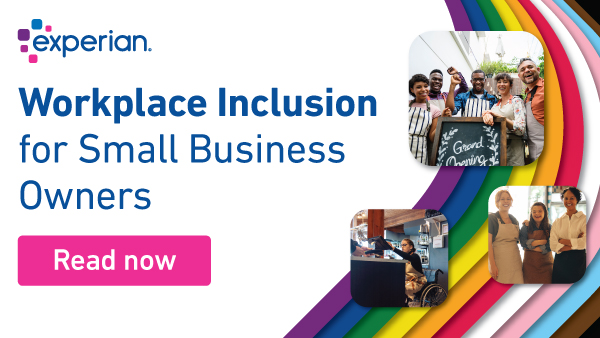
The Benefits of Being an Inclusive Small Business Creating a workplace environment that embraces diversity and fosters inclusivity is not only a moral imperative; it’s just good business. By actively working to make their work culture more inclusive of LGBTQ+ individuals, companies can enhance employee well-being, productivity, and organizational success. HR managers are realizing that no matter the size or location of their company, when all people feel accepted and free to be themselves at work, everyone wins. Experian’s Emily Garman hosted a panel discussion with Braxton Fleming, founder of Stealth Bros & Co; Rex Wilde, founder of Rex Wilde Consulting; and Sabrina Kent, Executive Vice President of Programs and External Affairs for the NGLCC (National LGBT Chamber of Commerce) to discuss workplace inclusion for LGBTQ+ employees and customers. For businesses hiring LGBTQ+ team members, and the competition for qualified, loyal staff at a high, business owners who take an inclusivity posture are in a good position to reap the benefits. Here's a recap of the suggestions and expertise shared on that panel. Recognize the Unique Challenges Acknowledging and understanding the distinct challenges faced by LGBTQ+ individuals is the first step towards creating a more inclusive workplace. By recognizing these challenges, organizations can better tailor their strategies to foster inclusivity. “You can get married in 50 states as an LGBTQ+ person right now. But it over half of the states in this country, you can legally be denied access to credit and financing because you are LGBTQ+,” Sabrina Kent said. “So there are unquestionable barriers to entry for the LGBTQ+ community. And when our identities intersect, whether that be with race, gender, gender expression and so forth, those challenges only become more difficult.” And challenges absolutely exist for queer people in the workplace. Cisgender people really do have different experiences from people who are non-binary, and even binary trans people. “We will have experiences where if you go into a public space, for example, and there’s only a men’s room and a women’s room. There’s not an all-gender facility available; so from my perspective, as someone who is non-binary, what does that mean for me?” explained Rex Wilde. “That means that I have to think to myself, what is the safest space for me to go into right now, when I’m offered only sex-segregated facilities? It means that I have to assume, okay, what gender am I most likely to be perceived as right now? And then make a choice that doesn’t align with my identity, but feels like the safest option for me in the physical sense. "So, understanding that those are lived realities and lived perspectives that exist with folks who are a part of the greater trans/gender expansive community is so important. If you want to promote an inclusive culture, remain open to changing perspective to lived experiences of your LGBTQ team members and what's important to them," they said. Elevate LGBTQ+ Success Stories While it is crucial to address the obstacles, it is equally important to highlight success stories within the LGBTQ+ community. By spotlighting the achievements of willing individuals within their own four walls, companies can inspire others and showcase that success knows no gender or identity boundaries. Sharing narratives of triumph and normalcy within the LGBTQ+ community can dispel misconceptions and encourage greater acceptance. So how does that work, if you’re a company just starting out? “It could be making sure that the language that you use around your messaging to your customers, to your employees, whomever it may be, is really conscientious of the fact that there are folks that exist across the gender spectrum–men and women and genders in between and beyond that as well,” said Rex Wilde. Wilde mentioned that when they are working within companies, the reality is that a lot of people haven’t had direct exposure to individuals who are trans, non-binary, or gender expansive (a person whose gender does not conform to gender stereotypes). And because of that, they might not always know what the cultural norms are, or what’s appropriate in terms of things like gender pronouns, or how to ask the right questions. Or if questions that they’re asking about people who are gender diverse are appropriate, and being asked in an appropriate way. “So,” said Wilde, “If I’m talking to the director of HR at an organization, they really are the stakeholder for being able to help with employee education in that realm. And making sure that employees are able to engage in thoughtful, authentic, and educational conversations around how to be more welcoming to someone who is trans or gender non-conforming. And part of that is just understanding that you might not know the perspective of someone who holds a different identity than you.” Engage with LGBTQ+ Communities Building connections and engaging with LGBTQ+ communities is vital for creating an inclusive workplace. Establishing partnerships with organizations like the NGLCC can provide networking opportunities, resources, and access to LGBTQ+ businesses. Participating in local chambers of commerce can also foster connections with LGBTQ+ entrepreneurs, leading to mutually beneficial collaborations. Sabrina Kent with the NGLCC shared the programs they have available for LGBTQ-owned businesses. “We offer LGBTQ business enterprise certification. This is sort of the gold standard for corporations to confirm that yes, the business is in fact diverse owned. In order to get certified with us, you need to be a member of your local chamber of commerce, and that allows you to really get in on the ground in your local community, start networking and building those connections, and then come to us nationally to be connected with larger national corporate opportunities or even international corporate opportunities, but also have access to work with fellow LGBTQ business owners,” said Kent. Education and Training Providing education and training programs for employees is instrumental in fostering an inclusive environment. By enhancing awareness and knowledge, businesses can create a workplace where employees feel comfortable discussing and embracing LGBTQ+ issues. Here are some specific steps a small business owner can take to make their business more inclusive. Educate Yourself Take the time to educate yourself about LGBTQ+ issues, terminology, and experiences. Read books and blogs and other materials designed for business owners (great places to start are Out & Equal and Rex Wilde Consulting). Follow LGBTQ+ business accounts on social media. Listen and learn. Understanding the challenges faced by the LGBTQ+ community will help you make informed decisions and create a supportive environment. Train Employees Provide training and educational resources to your employees on LGBTQ+ issues, cultural competency, and respectful communication. This training should promote understanding, sensitivity, and the avoidance of stereotypes or biases. Here are some providers of training modules for small business owners: LGBTQ+ Workplace Education Center, the HRC Foundation, and Family Equality. Seek Feedback and Input Actively seek feedback from LGBTQ+ employees and customers on how to improve inclusivity within your business. Engage in open dialogue, listen to their concerns and suggestions, and take their feedback seriously. Remember that fostering inclusivity is an ongoing process. Regularly review and assess your practices, policies, and workplace culture to identify areas for improvement and ensure that your business continues to be a welcoming space for everyone. Language and Communication Language plays a significant role in creating an LGBTQ+ inclusive workplace. Employers should strive to use inclusive language in all communications, whether internal or external. This includes using gender-neutral terms, being mindful of pronouns, and avoiding assumptions about individuals' identities. Implementing inclusive language guidelines and encouraging open dialogue can contribute to a more respectful and inclusive work environment. Pronouns Respect individuals' pronouns by using them correctly. Ask employees and customers for their pronouns and use them consistently. Provide opportunities for ALL employees (not just LGBTQ+ ones) to share their pronouns in introductions, email signatres, or on name tags. Gender-Neutral Terms Replace gender-specific terms with gender-neutral alternatives whenever possible. For example, use "they/them" instead of "he" or "she," and "spouse/partner" instead of "husband" or "wife." Encourage employees to use inclusive language in their interactions with customers and clients as well. Update Forms and Documents Review your company's forms, applications, and documents to remove unnecessary gender markers or provide more inclusive options. Use gender-neutral terms like "parent/guardian" instead of "mother/father" and "Mx." instead of "Mr." or "Ms." Inclusive Job Postings Craft job postings with inclusive language to attract diverse candidates. Avoid gendered terms like "salesman" or "waitress" and instead use neutral terms like "salesperson" or "server." Highlight your commitment to diversity and inclusion in the job description. Customer-Facing Communications Ensure that customer communications, including emails, newsletters, and social media posts, utilize inclusive language. Avoid assumptions about customers' gender or sexual orientation. Be mindful of the language used in marketing materials to avoid reinforcing stereotypes. Feedback and Accountability Create channels for employees and customers to provide feedback on language use and inclusivity. Regularly review and assess your communication practices to identify areas for improvement. Hold yourself and your employees accountable for using inclusive language consistently. Remember that transforming language and communications requires ongoing effort and a commitment to learning and growth. Embrace feedback and adapt your approach as societal norms and language evolve. Supportive Policies and Practices Establishing policies that promote inclusivity and respect for LGBTQ+ employees is crucial. This can include implementing gender-neutral restrooms, reviewing dress codes and appearance guidelines, and offering comprehensive benefits packages that cover gender-affirming healthcare. Employers should also create mechanisms for reporting discrimination or harassment and ensure swift and appropriate responses. Develop an Inclusion Policy Create an inclusive policy that explicitly states your commitment to diversity and inclusion. Include a non-discrimination statement that encompasses sexual orientation and gender identity, and make sure all employees are aware of it. Here are some resources from the US Chamber of Commerce, ADP and Linkedin to get you started. Foster a Safe Work Environment To create an LGBTQ+ inclusive workplace, ensure that your workplace is safe and welcoming for all employees. Implement anti-harassment and anti-discrimination policies, and encourage employees to report any incidents or concerns. Take appropriate action to address issues promptly and maintain confidentiality. Offer Inclusive Benefits Review your employee benefits package to ensure it is inclusive. Consider offering transgender-inclusive healthcare coverage, recognizing diverse family structures, and providing mental health resources that are sensitive to LGBTQ+ issues. Support LGBTQ+ Causes Show your support for the LGBTQ+ community by sponsoring local LGBTQ+ events, supporting LGBTQ+ organizations, or participating in Pride Month activities. This demonstrates your commitment and can help build goodwill within the community. Encourage Allyship Employers can cultivate an LGBTQ+ inclusive workplace where allies actively support and advocate for their LGBTQ+ colleagues. Establishing employee resource groups (ERGs) or affinity groups can provide a platform for open discussion, networking, and support. Creating an LGBTQ+ inclusive workplace requires a deliberate and ongoing commitment from businesses. All of these things add up, so it’s important for companies to get as many of these things right as they can, in terms of creating a welcoming environment for employees, coworkers, and clients. It’s why using people’s pronouns correctly is important. It’s why having gender neutral bathrooms matters. It’s why dress codes and appearance guidelines are a big deal. Because the more time that somebody has to spend masking their true self, or trying to fit in, or is afraid to talk about their family, the less they are able to focus on their work and doing their job. And that’s something that people who are straight, who are cisgender, who fit in the binary, just don’t usually consider. Embracing diversity and inclusivity benefits not only individual employees, but also the overall success and growth of businesses. Companies should strive to create workplaces that celebrate authenticity and embrace the rich tapestry of human experiences.
Regularly checking your business credit score helps protect both you and your business in several ways. So, in this post we'll share three of the most meaningful reasons to check your business credit score! First, it prevents fraud: Monitoring your business credit score can reveal potential fraud or identity theft. A new account you don’t recognize, an application for credit you didn’t make, or inaccurate information could be a sign of fraudulent activity. Contact Experian if you see anything amiss on your business credit report. Second – to monitor the health of your business: A good business credit score can open doors, giving you access to more credit, lower interest rates and better loan terms. Your business credit may be the deciding factor in whether you get approved for a lease or for trade credit. Regularly checking your business credit score gives you a sense of where your business stands and how successful your applications for credit are likely to be. And third, to safeguard your personal assets: Without a good business credit score, you may need to personally guarantee business loans or use your personal credit score to apply for business credit. This could put your personal assets—and personal credit score—at risk if your business suffers a downturn. A good business credit score can help you get credit in your business’s name, protecting your personal assets. You can check your Experian business credit score by purchasing a one-time copy of your credit report or signing up for business credit monitoring, including unlimited access to scores. How Do I Check My Business Credit Score

We recently interviewed Wil Reynolds of seer interactive (check out the recording and transcript here) on our Small Business Matters podcast about the evolving nature of search engines, and, and how small businesses can leverage AI tools like ChatGPT and Bard to maintain effective internet search practices. Wil had some great examples and shed light on the changing dynamics of search engine optimization (SEO), and explored strategies for small businesses to effectively utilize AI technologies to connect with their customers. The Shift in SEO and the Role of AI Tools New AI tools like ChatGPT, Bard, the new Bing and many other up and coming search tools have transformed the traditional goal of attaining top search engine rankings. Small businesses must adapt to this shift and utilize these evolving technologies to continue to perform well in internet search. SEO is not dead, but has evolved to focus on the broader concept of search as the pursuit of answers and information, rather than just looking for a link. AI and natural language processing tools play a crucial role in enabling businesses to understand and cater to your customers' needs, and allow you to do that better than you've been able to before. Content Production and Personalization Reynolds highlighted the importance of personalized content creation using AI tools. Rather than focusing solely on producing large quantities of content (because anyone can do that now), you should aim to provide unique insights and answers to your customers' questions. Being able to do that means knowing how to look for what local customers in your area are searching for. One way to do that is by leveraging customer chat logs and feeding them into AI models. If you don't have those, you can utilize the "people also asked" content for your area on a particular search. In this way, you can generate customized and valuable content that sets you apart from generic responses. Use "people also asked" or "related searches" for clues The Significance of Trust and Domain Age Will also discussed the role of trust and domain age in SEO. While backlinks from .edu and .gov domains have historically been considered valuable indicators of trust, their significance has evolved over time. He said at this point, these types of domains are just a "proxy for trust," because not just anyone can get them, but having links to your site from a .gov or .edu site is not as important as it once was. Your small business can gain a competitive edge by acquiring domains with an existing history of rankings and traffic within your niche. By starting with a trusted domain, you can expedite the process of building credibility with search engines and potential customers. Understanding Customer Intent for Effective Internet Search Reynolds emphasized the significance of understanding customer intent in content creation. Small businesses should focus on researching and analyzing the questions and queries customers have about your specific industry or niche. By studying search results, related searches, and user behavior in your region or target market, you can gain valuable insights into customer preferences and tailor their content accordingly. This approach helps businesses become the go-to source of information for customers in their area. Wil had a great example of this in practice. He told the story of a client of his whose business builds decks. And as it turns out, decks are very different in specific ways in different parts of the country. In Philadelphia, where he's located, people build decks on their roofs in the city, because they don't have backyards. The Amish community is also a significant player in deck construction in that area, and are known for their quality work. So if you're creating content (including visual content) for a deck company in Philadelphia, you're going to talk about roofs and "quality like the Amish," whereas you wouldn't do that if you were advertising decks in, say, Dallas, TX. In Dallas you might have a large suburban backyard with a barbeque, lots of grass, a swingset, etc. This demonstrates that if you don't know what local customers, specifically, are searching for, you can't create the best content for that market. Ads or blog content or videos featuring these different kinds of decks would not perform well if you swapped locations, because they wouldn't be accurately reflecting what people are searching for in those different cities when it comes to decks. Quality Over Quantity and Asking Better Questions In the age of AI, small businesses have the opportunity to leverage AI tools like ChatGPT and Bard to enhance their internet search strategies. By adapting to evolving technologies and understanding customer intent, small businesses can create personalized and valuable content that sets them apart from the competition. Quality content, tailored to regional preferences and customer needs, becomes the key to success in the changing landscape of internet search. By embracing these strategies, small businesses can position themselves as trusted sources of information and effectively connect with their customers online. The evolving landscape of SEO requires small businesses to adapt and embrace AI technologies to remain competitive. It's an exciting time for small businesses to leverage AI tools and shape their online presence, connecting with customers in a more personalized and effective manner. Read the transcript or watch the video of this interview for more specific examples and illustrations of these concepts from Wil Reynolds of seer interactive.

How Small Businesses Can Stay Competitive | Small Business Matters For years now, businesses have coveted that top search engine results ranking spot. But with AI search tools, that may now be an obsolete goal. So how can small businesses use ChatGPT and other evolving technology to continue to get in front of their customers and clients? How do we “do” search in the age of AI? This week we turn our focus to AI tools and how small businesses can leverage them to remain competitive. What follows is a lightly edited transcript of our interview. Emily Garman: Hello there. Welcome to the Small Business Matters podcast. I'm Emily Garman. I'm your host for today. We've all heard the buzz recently around AI tools like ChatGPT: artificial intelligence that's already drastically changing the way we interact with information online. For years now, businesses have coveted that top search engine results ranking spot. But with AI search tools, that may now be an obsolete goal. So how can small businesses, in particular, utilize this evolving technology to continue to get in front of their customers and clients? How do we “do” search in the age of AI? Well, here to help us shed some light on all this is Wil Reynolds, founder and CEO of digital marketing agency seer Interactive. Wil comes to us from Philadelphia, where he started his agency in his living room in 2002. Now, seer has more than 200 team members all across North America helping clients stay visible to their customers as the digital landscape continues to change. He's a sought after thought leader and speaker at conferences and events where people come together to discuss the future of the internet. Wil, we're so glad you were able to take the time to be here with us. Well, let's just get right into it. So, the burning question: Is SEO dead? Wil Reynolds: No. You know, I have looked for, how far back can I find? The first "Is SEO dead” article, and the first one that I was able to find was the same year that I started seer. So wow, in 2002, people were already thinking, is SEO dead? No, I think we get too narrow in our scope about what search is. So if search is going to Google, and typing words into something, that's one thing. But I believe search is more of an attempt for somebody to get an answer. And I think since the cave man days, we as humans have been trying to find ways to efficiently get answers to the questions that are on our minds. And if you think of that, more broadly as search, I think you'll find that that's never going away. Emily Garman: Yeah, that makes sense. But we all know, it's definitely changing from caveman days, to 2002 search was different than it looks now, for sure. So what implications do you see that these new technologies like ChatGPT, Bard, the new Bing–how are they transforming the way we do SEO and the way we think about SEO? Wil Reynolds: So there's two parts here. There's how we consume answers to our questions, and then there's how do we use these tools to produce content to answer those questions. So I think ChatGPT, and the things that we've been talking about, and we'll talk about today have two different themes. Okay. The one that you're talking about as it relates to SEO. I think the bar just got really low to content production, so now, the first thing I think of is Google has to index potentially 10 x the amount of content with the same infrastructure. So in a world where people can infinitely produce as much content as they want, how is Google, or a search engine in general, going to manage this deluge of content production from just a crawling, processing, and infrastructure standpoint? And what I go back to is they're going to more than likely index the content and the answers from the domains they trust the most. So, you know, if you're a new site, or you're a relatively new site, and you are producing just tons and tons and tons of content using some of these tools, I think there's a pretty good chance that some of those rankings may not have a chance to see the light of day if those terms are competitive enough to where larger companies and more trusted companies from Google are ranking. So I would caution people against just trying to produce as much content as humanly possible, and instead, my pivot, and what I'm recommending for my clients, is where do we have information that we can feed into ChatGPT to get a different answer than what every other Joe Blow would say. “Oh, I’ve got to write a blog post about termites.” Right? Fine. You go in. Anybody can do that. You can do that. I can do that today and get similar answers. But imagine if I took all my chat logs in a region that talked or included the word termites, and then I fed that in to Chat GPT and said, “based on what you see my customers saying, my unique content, what kind of content would you write related to X, Y, or Z or getting rid of termites?” And it might give me a totally different answer than it would the average person. So I'm trying to instruct my clients to say, where can we get data that will then enhance the answers that we're able to use these tools for, to produce a better answer, connect with what's on our customer's minds. Emily Garman: That is a really interesting way to think about it. I love that. So if I'm a termite business, keeping with that theme, do I still need to think about things like back links or are those still important? If I'm a new business, I don't have that advantage of a domain age or a trusted domain. Would it still something I want to do, to get other people to link to me that might have more valuable domains, like an .edu domain or a .gov domain, or is that still valid? Wil Reynolds: I think Google uses .edus and .govs as a proxy for trust. So one of the things I used to say, when I believed that links from those sources had a higher value, is I would say, if Emily can't just go register a.edu or a.gov and Wil can't go register a .edu and a.gov, then that creates a proxy for Google, because that's a massive hurdle to be able to register one of those domains. So back in the day, I'd say, 2015, 16, et cetera, 14, 13, Google used that, in my opinion, as a proxy for value. But then, as Google got better, they didn't have to rely as much on that big hurdle in your domain registration to be able to increase the value of the link. They have found other ways and other factors to look at. So if I was a new business starting up, to be honest, if it was me, I would run a deep analysis on domains that are in my space that have been able to rank in the twenties and thirties for a few years, have been consistently not doing great, but still existing, and I would buy that domain more than likely, and then give myself a leg up from the beginning. Versus if you just start from scratch and you truly believe that search and content marketing is one of the ways that you're going to really and truly impact your business. Do you really want to build up three or four years of trust with Google? Or do you want to take someone who's got some trust already, already in your space, already thematically relevant, and then start from that building block to then build on top of? Emily Garman: Makes sense. Why start from scratch if you don't have to? Wil Reynolds: Well, the problem is, in this world where so much content is going to be produced, I instantly think, what are they going to do to manage that and what's the easiest way to manage that? To be like, we're going to crawl you once a week if you are a new domain, but we're going to continue to crawl Orkin 5,000 times a day because we see more brand signals that they're probably a better answer. We see more user signals that they're probably a better answer, and I don't know you yet and I don't trust you enough yet to deploy my resources on consistently crawling your site, which will mean it'll just take a lot longer if you start without some wind at your sails. Emily Garman: And my initial thought there is, well, that makes it more difficult to get started. It makes it more difficult than ever before to break into a business. But we've been saying that since 2002 probably as well. Wil Reynolds: That's true. That's true. Emily Garman: So I've been, I've been curious about some of the other ways this technology like ChatGPT is being used, particularly around people with disabilities and how this changes search. So we've got visual search, natural language processing, the ways that we can input more than just typing something into a search engine. We can put in images, we can have a conversation with a search engine now. And that's really changing the way that we search. How is that going to change again, the way we produce content and that we need to make sure we're producing it in an accessible way? Wil Reynolds: That's a really good question. What that reminds me of is when we were told that voice devices were going to change everything and that we were all going to talk into our phones and our Alexa devices and 50% of search was going to be like that and it didn't ring true. You know, I have not done a voice-driven search on my phone in weeks or months. The only thing I really do it for is for timers when I'm cooking, right. Because my hands are dirty. So it's a great time to use that. So from a people changing how they put words into boxes standpoint, I think that will… I'm cautious about believing that somehow that's going to vanish, and that it'll go away. I think the visual search, in many instances, is more likely something where you don't know exactly how to describe the thing that you're looking at, so you probably have searched for it a couple times, can't find it. You're like, let me just take a picture. And the quality of the answer that comes back is exactly what you were just looking at, and I think the quality is why image search works so well. Whereas how many times would you say something into an Alexa device, and then it's blathering on, and you're trying to get it to stop because it's giving you the answer you didn't want and you're like, I should have just typed it in. Like now I'm like trying to get it to stop and what's the right word to make it stop? So I feel like the voice thing never worked the way that people thought it was going to take over. I do believe that the image search and using that and the accessibility that also comes with that is going to be huge. The other thing I think is most interesting about Chat GPT, chat driven search, is the context. The fact that that thing stays in context with your previous questions is a game changer because so often we had to type in extra characters to repeat something that we had searched for before. So I searched for something, didn't find what I want, but then I have to repeat those characters. Now I can just say, no, I only want to see results from this site, or, no, I want this. And it knows that what I'm talking about is what was up above. I think that's huge, because what that's going to do is not require people to have to enter in as many things when they're typing, because you can just kind of stay in a chat, like we would talk. Emily Garman: Yeah, it's always open. And, and, and that brings up a question that I have about the way those chat interfaces work too. So if you are having a conversation with your ChatGPT about termites, and I am too, and I'm in Oklahoma and you're in Philadelphia, does it draw information from both of our conversations to inform the other? Or are we in a silo? Is this just my conversation and my Chat learns about what I'm talking about in the context that I have, and yours does too? Or does it learn from both of those and bring bringing them into each other, if that makes sense. Wil Reynolds: It depends on what we're feeding it. Okay, so if you and I are both saying, “I'd like a blog post about termite damage,” then we're going to get very similar things, because it's using a similar language model to try to figure out what word should be around a blog post like that. But imagine one of our big things is, we go out to Google and I take all those "people also ask" questions. So when you think that Google has those "people also ask" questions, where do you think they come from? They come from Google watching people search for all other kind of words after they search for this word, and then they give you an answer to that based on which sites seem to have answered the question the best. So what I will feed in to my termite information are all the questions that are on people's minds from Google. If you don't have that same extensive catalog, then we're going to get very different answers, and my bet is that my answer might be more connected to what the customer wants, because I'm feeding ChatGPT a series of questions that Google's already determined is on the customer's mind, and that's how I think you and I end up with different answers. Now, if you're using public ChatGPT, they can take that information and then use it to train models down the road. But if you're using the private version of it and you're throwing things at it like this, as I understand it, that does not get put back into the language model for other people to be able to learn from. Emily Garman: Interesting. Okay. So I know you and I are thinking about using this tool to come up with the best content to serve customers. But say I'm a termite business and I want to know what kind of content I can put together that's going to best answer my customer's questions. So I'm more interested in asking the AI, what do my customers want to know? What kinds of questions are people asking about termites? Do they want to know what they look like? Do they want to know what time of year they tend to swarm? I want to know because that's what my customer's searching for. So I need to figure out what content I can produce that will best answer their questions. So the search engine will rely upon my website to say, "oh, well, in your area, this website's producing great content to answer these questions." And I'm going to connect you there. Because it seems to me like when I do any kind of interaction with Chat GPT, it doesn't serve me a list of links. It doesn't give me a list of termite businesses to go to. And those links could also be based on online business reviews, too. I mean, it might, if I said, “what are some great termite treatment places near me,” but it's giving me information back, not links. So if I'm the termite business, I want to be the source of that information. Wil Reynolds: Yeah. This is going to be one of the more interesting things for everybody listening to monitor. If the search engine doesn't tell you what sites it pulled information from, then they are more at fault for wrong answers. If they say, well, we just kind of took answers from these different sites and kind of combined them, then they can say, well, we got the information from here, which then allows them to kind of say, not us, them. Right? So I believe that what we're going to see is citations. So right now, as I understand it, Bard is very rarely offering citations. But then if you use perplexity.ai, which I think is a great interface for chat driven search, if you use that, they give you like five or six logos and domains of sites where they pulled that information from. And I believe that Chat GPT's integration with Bing does something similar because here's the thing. I think people are freaking out about some of this stuff, but Google has been using AI to give people direct answers for like seven or eight years! When you go and type into Google, “what day is St. Patrick's Day” or what is this or what is that? They just give you the answer. So we've already been losing those clicks. So the person that says, “What day is St. Patrick's Day?” Well, yes. If your business is built around ranking for something that gives people a simple answer and then wrapping a bunch of ads and other crap around it, then you should be worried. But at the end of the day, very rarely do I search for something on ChatGPT and get a good enough answer to it for something I'm really researching or something I really am going to spend money on. And then I do no other searches and I don't go any deeper than that. I don't go to anybody's website like, what's the best lawnmower? Okay, it gives me this, what's the best lawnmower for this? It just gives me an answer, and I'm not going to do any other research, like, I'm going to spend four or $500 on a lawnmower? I'm not going to do any other research? It's like at some point I believe that people will want to take those early answers and then educate themselves, but then I believe we'll see if I'm right or wrong. For high consideration purchases, people will then kind of say, “well, I'm not just buying these headphones off of ChatGPT telling me which ones are the best for people that are in an office.” I'm probably going to want to listen to some people on YouTube and get some examples of how the noise canceling works and all of those extra things around my decision. Emily Garman: And it's not giving you those links yet at this point. I mean, I haven't had that experience. So Bard doesn't, but Bing does give you links out. And Perplexity gives you links out. And I think that Google's going to have to, because otherwise, every time their search engine gives you the wrong answer, you're going to blame Google. Whereas at least if they go, here's where we kind of got the answer from… And there's also going to be FTC issues. There's going to be things related to copyright issues. Like, wait, so you use my website to train your AI, I can see that you're using part of my copy, but then you're not going to link out to the originating source. Well, is that plagiarism? So I see Google wanting to avoid that by literally just being like, “here are the sources.” It's so much easier for them than to manage that legal battle. Emily Garman: So thinking back again to our termite business owner, they are going to be thinking about how they can exhibit that authority to these AI tools in a satisfactory way. That they'll be the ones that it will pull content from it for results. So, If I'm saying I've got these questions about termites in my house, I'm a customer, I'm confused. I've got these bugs. I don't know what to do. I'm asking ChatGPT or Bard these questions, and eventually, maybe we'll get to the point where it'll say, “probably best to consult a person who knows about termites in your area to come out to your house. Here is a list of some companies in your zip code.” And that's where we'd want to make sure we got placed in that list somehow. Wil Reynolds: Exactly. By having the best content. Exactly. I think especially for a service like that, that's local, it actually gives you a chance to compete. So I think it's really important, especially for small businesses. I think one of the worst things about search when it comes to small businesses, and I started off working with mostly small businesses. Your business consultant or business coach really needs to help you to not waste your time. Building out content, trying to beat people who have years and years of history of Google crawling their site, of them having ad budgets that are a hundred times larger than yours to build their brand reputation, which Google sees as a signal. They'd be like, well, people are searching for their brand a bunch. Orkin–high trust, high trust brand associated with termites. We're just going to rank their stuff. And I think too many SEO consultants are like, we need to write a page about termites. Well, no. What you need to do, and I think you said this earlier, Emily, and, and my style of that is, take the word termites, run it through, search for it in tons and tons and tons of zip codes. And then what you'll find is that Google might be placing different types of answers, different types of suggestions and different zip codes because they know things differently in Philly versus in Arizona. Here's a great example. We have a client that's in the decking space and those little “related searches” at the bottom, if I typed in “deck contractor” into Google, in those bottom related searches, in Philly? One of the recommendations was “roof deck.” And the other recommendation was “Amish deck builders.” Why? Because the Amish are really big right outside of Philly. Right. And we build our decks on our roofs because we don't have backyards here. So Google's intelligence and looking at what people search for in Philadelphia, is able to show you these extra suggestions. So if I'm a local business, I'm taking the zip codes around me and trying to see what has Google already learned in my region. And now if I'm a Philadelphia-based deck contractor, you better believe I'm going to talk about “quality like the Amish,” you know, “get a great view from your roof.” And “here's how we build decks on roofs to make sure you don't have leaks.” So Google's already understanding. The customer is going to be looking for those things, but yet we'll just build a page that's generic that says, “we build decks,” right? Come and check out our decks, and we'll show images of decks in people's backyards in the suburbs. When the searches are done in Philly, actually show you that people are looking for very different results. Every time you do a search on Google, Google has to show you their IP, their billions of dollars they've invested in the machine learning and the algorithms they've built and whatnot. They've got to show you that in order to have good answers. So as a small business, this is one of the best ways to verify the quality of the search consulting you're getting. Google the words, look at the "people also asks," look at the related searches in your area, in your region. And then look to see if your SEO firm or your content marketing firm is doing the same thing. Because if Google says, I expect people to talk about roofs, I expect them to talk about Amish, and I expect them to talk about certain neighborhoods when they do this search, then why would I ignore that intel that Google's already displaying to me for free when I go to build the content? Right? Yeah. Simple, simple, simple. Emily Garman: You’ve got to know how to look for the clues. And I think that's the strategy that so many consultants and agencies use, and if you Google “how to promote my business,” it's just "Content. Content. Just write content." But you can save so much time and energy by being really smart about it. That's a great example that you gave. Wil Reynolds: And it's sad. One of the things that I feel is just sad, is a lot of business owners come to us hoping that we can help them in something that they don't know how to.And that created a boom of people with laptops showing up and being like, “I can help you out.” And then the variability from what you can get. Like if anything, especially for small businesses. I wish–my company works with a lot of larger and mid side businesses, but I wish some days that I could still work with the smaller businesses that I built my business on, because I watched these folks, unfortunately, get ripped off and I watched them. I'm like, why are you building content around termites? You're never going to rank for it. The number one is Orkin. The number two is Terminex. The number three is this company. They're all huge brands. So I think that, you know, hopefully one of the things that people will walk away with from today are just a few nuggets on how to evaluate the quality of the consulting they're getting. All they have to do is with their own eyes, take a look at the results and learn to ask better questions of their consultants and the people helping. Emily Garman: Learning to ask better questions. I mean, that really encapsulates everything we've talked about. We've got to figure out how to learn to ask better questions because the information is there, but it makes such a difference in what we give it that determines what we get back. Wil Reynolds: 1000%, I would say. The other thing I would do, if I'm a small business and I'm Googling things, and let's just take maps out of the equation because maps, if a map shows up, you’ve got a chance to compete with the biggest players. That's the beauty, right? But if a map doesn't show up and you're writing content, that's more “content content,” right? Where it's like long form written content, let's just say. If you see the top four or five results are all really big brands, I would say you might want to avoid writing that content, because when we end up in a chat driven search world, which I think we're going to end up in, at best, there's going to be four or five links out to some citations. So this idea of, “oh, I'm going to rank it 30 and work my way up to 20,” there is going to be no 30, there's going to be the top five or six, you know, recommendations in this chat driven search world, and then no other traffic to be had. So if you're a smaller business now and you're making big investments in content, I would be very cautious about overinvesting on the types of content where you see these other sites ranking above you, because today you can end up at nine or 10 when they're in 1, 2, 3, and 4. But in the future, I think they're going to be in 1, 2, 3, and 4, and there may not be a set of answers below that at all, which means your number six now gets really no visibility, which means it doesn't help your business. Emily Garman: Right, so we're back to quality, not quantity. Work smarter, not harder, and ask better questions. Wil Reynolds: And know your customer better. Yeah. You know, it's so interesting. It's like people are saying, Oh, I want to produce content. Let me go use ChatGPT,” and it's like, well, no, go talk to your customer. Transcribe those things and then put that in ChatGPT, because now you're hearing more from local customers that you know what their problems are in a way that ChatGPT will have no freaking idea. And then you can own being the go-to in your region or in your zip code or in your city. But otherwise we're just all going to write the same content outta ChatGPT. You have to feed it something that only you have. And I think that knowing your customer better will be a competitive advantage that small businesses are much better at than huge businesses. Emily Garman: Definitely, definitely. That's some great information. Wil, tell us how our listeners can find out more about seer interactive. Where can we find you online? Wil Reynolds: Sure. So I'd be remiss if I didn't say you can Google me. My name is Wil Reynolds, with one L, and our company is seer interactive. We’re on the normal places, Twitter, LinkedIn; those are probably my two that I'm on the most. And I always tell people, we're accessible. So if you have a question about something you're working on, yeah, I'll do my best to get back to you. Emily Garman: Fantastic. Well, thanks so much, Wil. This has just been a really interesting discussion. You've given us some great examples that I think any type of business–if you are in the termite business, you're, you're in luck–you've gotten some great examples today! But even if you're not, there's a lot of actionable a advice here that we can think about going forward. It's, it's exciting times to be in the internet field, that's for sure. Wil Reynolds, from seer Interactive. Thanks for joining us today for the Small Business Matters podcast. Wil Reynolds: Thanks for having me.

As a small business owner, you might wonder if online reviews are worth the time and effort. With so many platforms and channels for customers to share their experiences, it can be overwhelming to keep track of them all. However, online reviews really are essential to the success of your business. In fact, nearly 9 in 10 consumers have read online reviews to determine the quality of a local business, and 39% do so on a regular basis.3 “Millions of people come to Yelp every day looking for trusted reviews and information about the businesses in their area,” said Emily Washcovick, small business expert at Yelp. “Reviews are a critical step in consumers’ deciding where to spend. Whether they’re looking to learn about a restaurant’s ambiance or a plumber’s service area, consumers want confidence in their purchasing decisions. The best thing a business owner can do is present themselves authentically and accurately, creating great experiences for customers and being open to feedback that’s shared in reviews.” But what are the benefits of online reviews? Here are some of the most important reasons why your small business needs them. Build Trust with Your Customers As a small business, building trust with your customers is crucial. Reviews help you establish credibility with potential customers who are researching your business. According to a 2022 survey conducted by BrightLocal, 72% of consumers say that positive reviews make them trust a local business more.1 Get familiar with the concept of "social proof." Influence expert and marketing specialist Robert Cialdini describes this concept in his book, Influence. When people see that other people have given positive reviews of a business or service, it subconsciously signals to them that that business or service is positive, because it saves them from having to do the work to find out for themselves. We trust the opinions of other people like ourselves. Help You Get Found Online Online reviews can help boost your search engine optimization (SEO) efforts. Google takes review ratings from multiple sites into consideration when determining the order of businesses it returns in local searches. In fact, according to LocalSEO Guide, online reviews and specific keywords influence local search engine visibility more than any other factor.2 Yelp and Facebook also use review ratings to determine the order of businesses in their search results. Reviews Can Tip Customers in Your Favor Reviews can be a deciding factor for many consumers when it comes to making a purchase. In fact, 72% of consumers say that positive reviews make them more likely to use a local business. Similarly, nearly 70% of consumers are influenced by online reviews before making a purchase decision.3 This means that having positive reviews can help attract new customers and increase sales. Help Identify Areas of Improvement Online reviews can provide valuable insights into your customers' experiences with your business. Reading through reviews can help you identify areas for improvement, such as slow service, broken website links or outdated information. This can help you make changes to your business that will improve customer satisfaction and increase the likelihood of positive reviews in the future. Reviews can also help reinforce things you’re doing well. Don’t forget to read your positive reviews and, more importantly, use them in your marketing strategy by sharing them on your social channels, on your website and even in your store. Responding gives you the opportunity to show you care what customers think Responding to online reviews, both positive and not, is an opportunity to engage with your customers and show them that you value their feedback. By responding to criticisms, you can address any concerns or issues that the customer may have had and demonstrate your commitment to providing excellent customer service. Responding to positive reviews can help you build relationships with your customers and show your appreciation for their support. So, how can you get reviews for your small business? Here are some tips. How can you get reviews? The best reviews are those that happen organically after a great experience with a business. Since each review platform has its own unique policies when it comes to reviews, it’s important to confirm what those policies are and how it may affect your marketing strategy. For example, Yelp firmly prohibits asking for reviews because the company believes it can create an unfair advantage and false perception of popularity for a business compared to others that may not have the time or marketing budget to conduct review solicitation campaigns. To be on the safe side, business owners should focus on providing outstanding customer service and creating memorable experiences to help set yourself up for great reviews without having to ask for them. Should you respond to reviews? Yes, it's important to respond to reviews, whether they are positive or not. By responding to criticisms, you can address any issues or concerns that the customer may have had and demonstrate your commitment to providing excellent customer service. Responding to positive reviews can help you build relationships with your customers and show your appreciation for their support. What about negative reviews? Criticism can be a learning opportunity for your business. Look for common themes in negative reviews, such as slow service or outdated information, and use that feedback to make improvements to your business. Responding to negative reviews is also important, as it shows that you take customer feedback seriously and are committed to providing excellent customer service. If you receive a review that contains hate speech or is inaccurate, you may be able to work with the review platform to get it taken down—many review platforms have ways to report reviews for possible further action. If you do go this route, keep in mind that review platforms aren’t in the position to mediate consumer experiences, so the best thing to do is leave a response that clearly indicates you are rising above it. Never write a rude or petty reply. Most people reading the reviews will see it for what it really is. Do reviews really impact where people decide to shop/eat/spend their money? Absolutely. According to ReviewTracker, 98% of consumers used the internet to find information about local businesses in 2022, up from 90% in 2019.1 Similarly, a Comscore survey and Yelp internal data showed that 83% of users hire or buy from a business they found on Yelp, and 57% of users contact a business they found on Yelp within a day.4 This means that online reviews are one of the most important factors that consumers consider when deciding where to spend their money. Make it Easy As a small business owner, it's important to make it easy for your customers to leave reviews. This means including links to your review pages on your website and in your email signature. Platforms like Yelp also allow you to create check-in offers that your customers can activate on the platform, encouraging them to check out your reviews. Making consumers aware of their presence on review sites is where many businesses fall short. Think of your review strategy as a series of touch points on your customer journey that ends in a review. Provide a QR code and place it in highly visible areas where your customers can easily scan to visit your business pages on review sites. Online reviews are essential to the success of small businesses. They help establish credibility and trust with customers, boost search engine optimization efforts, and impact purchasing decisions. By embracing the power of online reviews, you can improve and grow your business. My business doesn’t need any reviews Dismissing the power of positive reviews can be a mistake. If you think your niche of business doesn’t need to focus on reviews, think again. In fact, according to a Yelp and Comscore survey, 90% of people on Yelp compare businesses before deciding which one to visit, contact, hire or buy from.4 Reviews aren’t just for restaurants and retail types of establishments. They can help dental offices, contractors and many other kinds of businesses. Think of those potential customers who might be relocating to your area from another part of the country. They will likely be researching and reading the reviews for local service providers and beauty salons. Show your support of local businesses during Small Business Saturday Small Business Saturday is coming up on November 25, and it can be a great opportunity to voice your support. Here at Experian, we will be encouraging our employees to leave reviews for their favorite small businesses. To make it extra fun we are asking them to include a hashtag and take a screenshot of the review to share internally. Once you have the screen shot, you have something very cool that you can share on social media. To reach a wider audience with your post, consider tagging the business and including the hashtags #smallbusinessweek and #gosmall. We would love it if this post inspires you to join in. Be sure to post so we can share! It can be a virtual business or a brick-and-mortar in your community. Be sure to use the hashtags #SmallBusinessWeek and #gosmall in your review and share a screenshot on your social media using the hashtag as well. This will help raise awareness of the importance of supporting small businesses and leaving reviews. Sources https://www.brightlocal.com/research/local-consumer-review-survey/ https://www.searchenginejournal.com/local-seo/what-is-local-seo-why-local-search-is-important/ https://searchengineland.com/88-consumers-trust-online-reviews-much-personal-recommendations-195803 https://business.yelp.com/resources/study-shows-high-intent-consumers-are-contacting-businesses-quickly-on-yelp/

When starting your business, it can be challenging to get it all right in terms of hiring your first employees and ensuring that their payroll is processed correctly, meeting all your tax responsibilities, or at least getting it set up so there are no surprises on tax day. For the new entrepreneur, it can be overwhelming. If this is you, the latest episode of Small Business Matters is just or you. We are in conversation with CT Mobley, ADP's Divisional Vice President of Small Business Services. We talk about the great resources ADP has to offer, and what they will be focused on during their sponsorship of National Small Business Week. Gary Stockton: Hello and welcome to a special National Small Business Week episode of the Small Business Matters podcast. As an official Small Business Week sponsor, ADP is a key partner of Experian, so I'm thrilled to invite CT Mobley. He's the Divisional Vice President of their Small Business Services Group. CT welcome. CT Mobley: Thank you, Gary. Glad to be here. Gary Stockton: Thanks so much for coming on, could you get started by just sharing a little bit about your current role there at, ADP and some of the things you work on? CT Mobley: Sure. So my role here at ADP, my title is the Divisional Vice President of Small Business Services and Diverse Markets. And I often tell people that our job in my channel is to create the connective tissue between corporate social responsibility and the bottom line. So another way to frame that up is to think about how we continue to lean into doing the right thing, without impacting the bottom line, without it actually having an ROI; it's very hard for any corporation to continue to do those types of altruistic efforts if there's no real impact. And I would offer those communities that need that impact. We have to create ways to make sure that we maintain that connectivity. Gary Stockton: So again, we're celebrating Small Business Week. We know that you guys are going to be there. What kinds of activities are going to be taking part in there? CT Mobley: I think some of the things that are important for us, and I think important for the audience to understand, is that more than 800,000 of our 1 million clients are small businesses. And these are the small businesses that trust ADP as their payroll provider. And what we try to do is make it easy for them, to do more than just offer a paycheck. Our clients and what we try to put forward in the information we try to share with them is that they can benefit from our health insurance and retirement plans. So at ADP we like to say we're with you from hire to retire but we also wanna make sure that employee perks are available, discounts, and all that kind of good stuff We also try to ensure that we stay current with them and infuse powerful technology and data for them to make informed and accurate decisions. As an example, we provide smart tools that AI and machine learning power to flag potential errors before they happen within what we do. And again, I think that's all a part of our larger strategy to make sure that folks are not just surviving, but they're thriving. So all of the implications that come across in the life of a small business we try to highlight those things and create sort of those aha moments for them, before the unfortunate scenarios that we often see happen. And so, as it think about Small Business Week, we're trying to push that information forward and leveraging all of our resources and partnership relationships to do so. A guide to early-stage business success Navigating the path to survive, thrive and grow This guide, created by ADP® and Experian, will help you navigate the path to early-stage business success. We will provide you with practical tips and strategies for hiring, retaining and paying top talent, building business credit, and maintaining a strong credit profile. By prioritizing these key areas, you can set your small business on the path to survive, thrive, and grow. Download eBook Gary Stockton: And a lot of these businesses are new. New businesses are opening at a high pace, with a 2023 monthly average around 44% higher than pre-pandemic levels. And many of these businesses are being started by new entrepreneurs. How is ADP supporting these emerging businesses? CT Mobley: Yeah, it's a great question, and I would tell you, its central to what we do, right? I've been in this space for the last 10 years, and I would tell you that the small business growth that's been happening has been happening over the past 10 years.I think once you peel the onion back a little bit, you start to realize that a lot of that growth was always happening in the underrepresented group space. And when I say underrepresented group, that means the Black or Latino or Asian, Women, Veterans, LGBTQ+, Disabled, all of those communities, they've been driving this train. What happened during the pandemic and the growth you're discussing now is that the Great Resignation actually turned into the Great Reassessment. And we started to see people who had day jobs but maybe couldn't go into the office, make some decisions about what they were doing. And as they made those decisions, we started seeing exacerbated growth in the past two or three years. And again, when you peeled that onion back, you began to see it was underrepresented groups that were driving it, more precisely, women and women of color have been the tip of the spear. So for us, as we approach the market, we're thinking about those pitfalls. What industries are they in? And how can we support them? How can we give them the know-how? Again, going back to that aha moment, folks get into a business, and a lot of times, I think about the younger generations or younger folks, and sometimes they have, they're fearless. They're ready to run right at it. I have two millennial kids myself, and neither one of them has ever really had a job. They both run their own businesses, they always have. They're successful at it, but I remember going through their business plans with them. And I wonder whether everybody has somebody they can go through a business plan with and have some expertise to lean on. What we try to do at ADP through the diverse markets is create that subject matter expert and that shoulder to lean on that place to get the information and learn things you didn't know and help them. Things like coaching them on, taxes and compliance. We see a lot of it. As you mentioned, there's been a lot of growth. But 40% of those businesses that were coming on were also failing. They weren't getting to the finish line. And so the idea is, okay, so let's make sure that they know, go into every situation with their eyes open and are able to as I said before, not just survive, but thrive. How do we get 'em past that 18 month mark? Gary Stockton: Yeah. CT Mobley: Even with our partners, we're asking questions like, tell me the average tenure of a member. And I wanna know if it's three years that, you know is the lifespan of a startup business in this organization, how can we change that to 60 months? Gary Stockton: Yeah. CT Mobley: How can we change it in five years? We want to ensure that we're moving the middle of the bus and not just those top-tier performers. And that really means giving them more and more information to do better. Gary Stockton: Yeah. CT Mobley: So we try to share as much information as possible, as I said, around taxes and payroll and hr, how to hire even. You can gather information from the Experian and ADP ebook now that you've opened the business. Gary Stockton: That's right. I was going to mention that, around resources, we partnered on a new ebook for new entrepreneurs and or someone who's formulating and starting their own business. CT Mobley: Absolutely, if you have a chance, definitely grab the ebook. But, think about the content; it's really talking about that journey. Once you start the business, what happens next? And what are the key things that are important and pivotal to your success? One piece of that is people. As a person who's managed teams for a long time, I like to tell all of my leaders, the most important thing that you can do is recruit, right? Getting the right people on the team. Gary Stockton: So, what advice do you have for small businesses out there hiring their first employees? CT Mobley: Yeah. I think one of the things that I would tell you to be most mindful of is the tax implications, the withholdings, all of those things that you don't necessarily consider when you're thinking about the day-to-day tactical aspects of whatever you're doing. For example, if your job is making cupcakes and you need somebody to help, you know, mix the batter, then you're probably not thinking about what kind of tax withholdings will happen here and how do I make, get those folks compliant? I think many of the questions that we see mainly with new business owners, are differences between a 1099 employee and a W2 employee, and what does that look like? We try to demystify some of that stuff and if we can take that off their plate altogether so they can do exactly what they want to do. For example, if you want to make cupcakes, we want you to be the best cupcake maker ever. And we want to take that backend heavy lifting off the table for you. It is, it can be complex. There are legislative changes that are happening all the time that do impact small businesses. All will affect you whether you are a solopreneur or have 50 employees. And so understanding how to navigate those things are where we are subject matter experts and where we try to lean in the most. Gary Stockton: It's great advice. And, of course, ADP can be there to help you as a new business owner do the payroll correctly and all the correct withholdings. CT Mobley: Sure. Gary Stockton: Well, CT, it's been a pleasure speaking with you today. Have a great week at National Small Business Week, and folks, regarding the ebook, we're going to leave a link to that in the show notes for this episode so that you can find that on our website and CT, thanks so much for spending some time with us today. CT Mobley: Thank you so much, Gary.

Small Business Matters | Episode 13 Taking on debt can be a necessary part of growing a business, but it also comes with its fair share of risks. Rising interest rates, a decline in sales, and even unexpected global events like Pandemics and Supply Chain crises can change the dynamic of financial obligations we took on when things looked stable. So in this week's episode of Small Business Matters, we're going to talk about the small business matter of taking on debt with Financial Coach Christina Edel. Christina left the corporate world to follow her passion, which is helping entrepreneurs create a clear path to accomplishing their financial goals. She does this through her business, Picture It Profit and Financials, and she's also published a book, a Beginner's Guide to Win with Money. Christina, welcome to Small Business Matters. What follows is a lightly edited transcript of our interview. Emily Garman:   Well, let's dive right in. So, can you tell us a little bit about your story? How did you come into the business of financial coaching and consulting? Christina Edel: Yeah, absolutely. So it is a little bit of a long-winded story and I'll try to keep it pretty short. But I would say that it started with me becoming, or, or really starting my career in a corporate setting. I was very much so the company girl. I was in a Fortune 500 company and I was determined and highly motivated to climb that corporate ladder and eventually get to a C-suite position. I did a lot of the right things. I went through a leadership development program, I got an MBA, and I said yes to every great opportunity and leaned into a lot of promotions. And, ultimately by 2015 I was in mid-level management responsible for critical systems for this Fortune 500 company, and I was in a really lucrative spot. But my motivations had really diminished. I was no longer that company girl. I tried to talk myself into thinking I would come back into being that person, but life threw me some curve balls, and so probably the first one that happened that shed some understanding toward needing to reevaluate my life goals was that when I was nine months pregnant with my first child, my mom passed away. And, you know, people say it all the time, but when you're in those life or death situations, and in that scenario, I really was where we experienced death. And very shortly after that, we experienced life. Things that I thought were previously very important to me quickly were not so important to me after. Like I said, I tried to really lean into this idea of like, "well, I've worked so hard, I've built so much momentum in my career. I'll go back to being that other girl." But in 2015, it really came to a head because at this time I am now a mom to a toddler and an infant. It's a few years later. My mom had passed in 2012 and my father-in-law became ill. And when he was ill, he was in ICU for a little over a month. My husband went up to see him up in Montana where we're originally from, and after about a month of him being up there, I called him home. I was like, "I can't do it, babe. I'm very stressed out. I need you to come home." I have these two small children, I've got a very, I would say, very stressful technical position. And I called him home, and it was just the worst timing possible. My father-in-law passed away just a couple days after he came home and I at that point I realized like, something's got to give. I felt completely terrible. And that made me like sit down and really get into the nuts and bolts of our life. Like, what could we change? And I realized part of why I had been so hesitant to step away from that corporate career was, we had the car loans, we had the home loans, we had the furniture debt, we had credit card debt, and we were shackled to that salary that I was earning. So we started to learn all about personal finance and I leaned into just everything I could find about it and we ended up becoming debt free in 2019. And I had decided through that process, like you couldn't get me to stop talking about financial anything. Like if somebody even hinted they were interested in personal finance, it unleashed me to the point where my husband was like, you need to stop with that a little bit. You know? So that told me, okay, clearly this is something that I have a passion for. I was certified as a financial coach through Dave Ramsey's program. And then in 2020 when Covid came, I would say that's where we were prepared for me to leave, but I was still kind of being a chicken, I was afraid to walk away from that high income salary. And then Covid just changed everything. It made us have to, again, reevaluate. My children were sent home. I was trying to work 50, 60 hour work weeks while doing online learning and it completely eroded my health. And finally my husband said, do it. Like absolutely you have to do it. And I said, okay. So in July of 2020, I left corporate. And it took me a while. I had to take some breathing time, but after a little while, I started up my coaching business, and while I thought I was going to be coaching me 10 years ago, helping people that were in the predicament that I used to be in, what happened was a lot of people that came to me were small business owners, and I just absolutely loved the complexity of their financial situation. And I realized that helping people understand how to sort of go their own way, and do it in a way that can afford them the lifestyle they're accustomed to was something that was extremely meaningful to me. So then I received a bookkeeping certification and I gobbled up anything that I could read about CFO or understanding financial statements. And that evolved my business into, now I'm a business financial coach. I still help people on the personal side if they're interested, but I also do bookkeeping and advisory services. So that's kind of the shortest way that I can explain how I ended up where I am today. Emily Garman: Well, you can sure tell, hearing you talk about it, that that this is something you have a passion for. Though it is hard to walk away from that paycheck. But, it sounds like you found something you really love to do. For our small business owners listening out there, just to start out, what are some basic rules around taking on business debt if a business owner decides to do that? Christina Edel: Yeah, so as you guys heard from my story on the personal side with the consumer debt, I saw debt as a pretty significant burden in our life. And so I recognize that can happen on the business side as well. And I think there are some simple guidelines that you can apply toward business debt that will help it not be a burden. But rather be a way of increasing the productivity of your business. And so the first rule that I have is that you should always look at debt as an opportunity to be an investment in your business. So said another way, I guess I would say rule number one is don't use debt for operations. And to put it more into layman's terms, it's kind of like, let's say you use your credit card in your personal life or your groceries and for your gas in your car, and then one day you look at your credit card and you're like, how did this get to $5,000? I have nothing to show for it. And it's because you were using it for the "overhead" of your personal life. And this can happen in businesses too. So if you are used to using debt to pay for things like your salary or a team member's salary, or just for those overhead items that are recurring monthly expenses in your business, you will find that eventually you'll just look at your credit card and be like, oh, that snuck up on me. So if you make sure that you are not employing business debt for those reasons, but instead using it for things that are investments in your business, you'll find that it's much easier to look at debt as a way of increasing the income or the revenues of your business. Just a couple examples of what that might look like. If you are a handyman business, this might look like investing in a new truck. So taking out a car loan so that you can get a new truck that will help you hire more for your crew or expand into different areas in your community that you haven't previously been able to reach. Because if you only have one truck and one person working for you, then it can be hard to support everyone. Another example would be if you're a coffee shop owner, you know, you might want to invest in a new espresso machine and be able to pump out more of those customized drinks. And then another example that I've specifically seen is a chiropractor who ended up investing in a holistic health degree. So this would be an opportunity where it's not like a practical item, but it's actually something that permits you to offer increased or more valuable services or a variety of services. So these are all ways where you can spend the money, take on the debt, and ultimately you're going to produce more income. Emily Garman: Yeah. I like what you said about looking at it as an investment and, and that, you know, was one of the questions that I was going to ask you, should you use debt for those just everyday kind of overhead expenses? And so it sounds like the answer is no, that's not what you want to use it for. Christina Edel: Yeah. Um, I mean, ultimately if you do that, you can quickly find yourself in a pickle. And sometimes you find yourself in a pickle and you have to do it to get by. But if you can avoid it, it's always better to avoid that. Emily Garman: So I'm thinking about a new business owner out there. Maybe their business doesn't have a business credit rating yet. Would it be a good idea for them to go ahead and say, get a personal loan to cover some of their business expenses, whether it be an investment, like you said, or just kind of those daily operations? Is that a good plan? Christina Edel: So, I would say that it's a reasonable plan. I mean, it's always a little bit tricky when you take out personal debt for a business, but to be perfectly candid with you, that's what the vast majority of businesses have to do. A business has to prove itself dependable. It needs to build a credit score, which is essentially saying that you can manage debt, and that doesn't happen overnight. So what ends up happening is that most business owners have to take out personal debt in order to make these investments, or they have to be a personal guarantor on their, on their business debt. So typically speaking, yes, it's perfectly normal and reasonable to take out personal debt for your business, especially when you're just starting out, because in the beginning, most businesses, even in taxes, are going to be an extension of you as a person. Emily Garman: So once a business has some debt, whether that's a credit card debt or whether it's some kind of loan, do you have any strategies for paying that off? Obviously you'd want to pay it off as quickly as possible, right? Christina Edel: Yes. Yeah. And to be candid with you there, I look at it like there's four strategies for paying off debt and frankly, these mirror the same strategies that you'll hear about on the personal side. And so the way you can think of it is there is the debt snowball. So this is essentially where if you have multiple debts, you are taking the one that has the smallest payment, or the smallest balance, and you're paying that off as quickly as possible, and then you're taking that payment and applying it to the next debt that you have. The next one, which is the one that most people probably think of is the debt avalanche. And this is where, again, if you have multiple debts, you pay the one with the highest interest rate first. This is the way that will save you the most money. Uh, and then the next one, and this is the one that I encourage the most. This is the one where you look at what are the payments that you have to make and you really analyze, okay, if this payment is $400 a month and this one is $50 a month, would it serve me to pay off the $400 one sooner or the $50 one sooner? And think about it from cash flow? What's gonna free up my budget enough to help my business have an easier budget for down the road. So this goes into more of the forecasting perspective of business, which I know is pretty complex for a lot of people, but there are ways to make it easier. Oh, and then I guess I'll also add, um, the last one, which kind of makes me chuckle, but I call it the emotional baggage approach. It's like sometimes you, and this happens in real life, you make an investment or you do something, you think it's gonna go perfect and then things go sideways and you think, oh my gosh, like every time I make this payment, I'm so frustrated by it. So sometimes I have some clients who just have one debt that is infuriating to them, and I'm like, " listen, you don't wanna get that mad every month. Let's pay it off as quickly as possible." And so we get that one out of the way first, just so that you can have some peace in your business. Emily Garman: Makes a lot of sense! So, what about consolidating debt? I've heard of that. Is that something that is good for a business owner to do as well? Christina Edel: This is a subjective question and different people will have strong feelings about it. I think that consolidating is a way for you to make the payments more manageable. So sometimes this happens when you have a persistent decrease in income and you can no longer cover your obligations or the payments that you have to make, and in that situation, a debt consolidation makes sense. You will ultimately combine a bunch of debts together, and then space out how long you have to pay it off, which will make the individual monthly payments less. This is a really useful approach, but I always like to tell people that they have to be going into it with eyes wide open. They have to recognize that even though they're paying less on a monthly payment, they will pay more over time. The only time this isn't the case, is if you're able to consolidate high interest debt into low interest debt, which sadly is not very likely right now. I mean, we're going through a period of inflation and we're seeing interest rates higher than we've seen for quite some time. Emily Garman: So it sounds like to avoid taking on unnecessary business debt, and using it to cover expenses that you wouldn't really want to use debt to cover, you have to keep a good handle on the amount of money coming in and out of your business. When we were talking before this interview, you mentioned something about keeping a really tight handle on your accounts receivable and accounts payable. Can you talk a little bit more about that? I think so a person could have an idea of, you know, what kind of debt can I afford? What kind of debt should I take on? Christina Edel: Yeah, so absolutely Emily, you're spot on. There's a couple of ways to think about that. I think the best way to think about it is remember that cash is one of the sort of lifebloods of your business. And so as you, when you work with a bookkeeper or an accountant, they will oftentimes tell you, there's several statements you have to look at. One's your profit and loss. One's gonna be your balance sheet, and then the last one will be your statement of cash. The reason that statement of cash flows is important is you need to understand where your cash is coming from and where it's going. Now, accounts receivable and accounts payable, that's going to tell a lot of the cash flow story. Your accounts receivable, put simply, is the money people owe to you because of invoices you've sent out. So your accounts receivable are, let's say, let's say you're a plumber and you've done some work and you've sent out your invoice and they haven't paid you yet. That outstanding invoice is considered an asset to you. It's an account receivable. It's essentially you've loaned this person money that you're going to pay them back, but you've loaned it to them in the form of the service you've provided. The opposite side of that is accounts payable. This is where somebody has sent you a bill and you haven't paid them yet. So it's almost like you took their service on loan, but it's not, it's not technically a loan, it's just that you're holding onto that money until the bill is due when you're thinking about cash flow. What you want to do is you want to shorten the amount of time that you have things in accounts receivable. You want people to pay you as quickly as possible, and then you want to lengthen the amount of time that you have accounts payable. So you want to take your sweet time paying people, the invoices that you have to pay. So, When you do that, you're essentially bringing in money quicker and sending money out slower. So I always encourage my clients, especially when they're in a season where cash is very tight for them, that they want to shorten their accounts receivable. So if you're typically sending your invoice and giving people 30 days to pay the invoice, Shorten that to 15 days or even to 10 days and make sure you have a strong collections process. And you know, to be candid with you, I find that I have some clients that haven't paid attention to their invoices and they have invoices that are outstanding for months because nobody's looking at the aging invoice or the aging accounts receivable report. That's a report that you can pull in your bookkeeping system that will tell you, these are the invoices you have out that are 30 days out or 60 days out, or 90 days. You want to pull that report up with some frequency and then have a procedure for calling on the old invoices. And this is kind of like a collections role in your company and it makes a lot of people very uncomfortable. So I strongly encourage people to just script out what they wanna say and just make it a matter of procedure. No hard feelings. You didn't pay this. I'm simply informing you. It hasn't been paid and I expect to be paid. And you say it as kindly as you like, or maybe some people like to say it a little bit more firmly, depending on the type of type of industry you're in. But the goal ultimately is be aware of the money people owe you. Make sure that it doesn't stay outstanding for very long. And when you notice something's outstanding, have a process and a procedure for contacting that client and requesting payment. And then on the flip side, I know a lot of people who get a bill and they immediately pay it. They're like, well, if I just pay it right away, it's not a problem. But they're not thinking about the other expenses they might have coming up in the month. So you kind of want to pair accounts payable with having a budget. You want to know what do you have to pay still in the month? And then if you can pay it right away, then I'm not terribly opposed to that, because that indicates that you have ample cash available to you. But if you know you've got other things coming up, especially a debt payment, then you wanna push off the accounts payable for as long as possible. So if it gives you 30 days, pay it on day 29. Emily Garman: Makes sense. I'm imagining myself as a small business owner, and thinking that you've made a really good case for your services! So I want you to tell me a little bit more about Picture It Profit and Financials, because it seems like as a small business owner, I'd want to have somebody like you who I could call up and say, oh, I feel like maybe I need to get a loan right now, or should I use the credit card for this? Or, I've got these invoices outstanding, I'm not sure what to do. Is that the kind of service you provide? Christina Edel: Yeah. So I, I offer a variety of different things. The main offering that people are working with me today is a mix between business financial coaching, which is typically a six month program where I'm teaching these concepts and these ideas to people who want to DIY. But it's a lot to go find all the materials and all the books and read them yourselves, and frankly, it's much easier I think a lot of times, to have somebody who can tell you the technical term for it and then explain it to you in layman's terms. So that's one of my more popular offerings is that they come to me and say, okay, spell this out for me. Give me some easy templates, show me how to use them. And then what happens is as their business grows, they start employing these tactics. Maybe they do invest in something like a new truck or something that will help them expand their business. They've got more money coming in, but they're also much busier, and then they'll come back to me and say, Hey, would you mind just doing this for me? So in that situation, I will offer the bookkeeping and advisory services where I kind of help them do the budgeting and I help them do the cashflow projections and I help them set realistic goals about how to make money in the future given the offerings that they have. And that's one of the rules I probably should have brought up earlier too, with taking out debt. You know, we talked about it as an investment. I always want to encourage people that you expect a return on investment. You expect the investment to give you something in return, whether that's a collateral item or whether that's increased revenue, and for most people it should be increased revenue. So that should be considered when you're coming up with your repayment plan as well. Emily Garman: Yeah, that makes a lot of sense. Well, you've really made a compelling argument here for your services and I think it would benefit every business owner to have somebody like you that they could call on. So can you tell us where we can find you? Social media, website… Christina Edel: Yeah, so I offer a lot of free content out on YouTube. You can find my channel, it's PictureItTina. And then I also have pictureitpf.com, exactly how it sounds, picture it, and then PF for profit financials. And on that website I'll have all of the information on how you can contact me, some information about financial coaching, and then likewise some information about the bookkeeping and advisory services that I offer. Emily Garman: Fantastic. Well, thank you so much, Christina, for being here with us today. I've learned a lot today about business debt, and I know that our listeners have too. So thanks again to Christina Edel from Picture It Profit and Financials. We'll find you on the web. Christina Edel: Thank you.

We are diving into the small business matter of business sentiment in this special episode of Small Business Matters with a discussion with Emily Wavering Corcoran. Emily is the Program Manager in charge of the Small Business Credit Survey at the Federal Reserve Banks. Watch our interview If you are unfamiliar with the SBCS, the Small Business Credit Survey, is a collaboration of all 12 Federal Reserve Banks, which provides timely information about small business conditions to policymakers and service providers. In 2022, the survey reached nearly 8,000 employer small businesses, collecting information about the performance, challenges, and credit-seeking experiences of firms across the United States. The results of that survey have just been published in the 2023 report on employer firms. 2023 Report on Employer Firms: Findings from the 2022 Small Business Credit Survey Small business revenue, employment, and profitability each improved from 2021, but expectations worsened year-over-year. With the end of pandemic-related funding programs, the application rate for traditional financing rebounded to pre-pandemic levels. Download Report Click to Download What follows is a lightly edited transcription of our interview. Gary Stockton: So, can you talk a little bit about the gradual return to profitability seen in the survey across mostly all industries and your thoughts on what's driving this, also if you could comment on the nominal improvement seen in businesses who said they were in very good or excellent financial condition since your last survey. Emily Wavering Corcoran: Absolutely, Gary; there’s a lot to unpack in that question. So, happy to dive on in. We are seeing a continuation of the economic recovery from the early days of the pandemic, but economic growth did slow overall last year, and this is reflected in our survey findings. Even though small business profitability, revenue, and employment improved last year, these measures have not returned to the levels that we saw pre-pandemic. Like you pointed out in your question, there is an interesting contrast that we see in the data between performance measures, which improved and self-reported financial condition, which largely stayed the same. When it comes to performance. So, profitability specifically, 45% of small businesses were profitable at the end of 2021. Emily Wavering Corcoran: That's lower than, say, the end of 2018, when 57% of firms were profitable. But it is an improvement from the depths of the Pandemic. From the survey data, we see that revenue increases are largely driving those profitability gains. When we flip over then to look at the self-reported financial condition, we see little movement. Emily Wavering Corcoran: Unlike profitability and revenue, our survey question on financial condition captures how the business owner is feeling about their business's financial health. So we think about this information as small business sentiment, right? Small business owners don't necessarily feel that their overall financial condition is substantially different, substantially improved than it was over the past several years. Gary Stockton: Employers feel less confident about employment growth. Are you surprised about the sentiment reflected by small business owners running contrarian to what's actually happening? Emily Wavering Corcoran: It's an uncertain economic environment to be sure. I do wanna be careful here because I don't want to overstate the extent to which employers feel less confident about employment growth. Right, year-over-year small business expectations on this question we're little changed. The percentage of small business owners that expected to decrease their workforce in the coming 12 months ticked up two percentage points from 10% in 2021 to 12% in 2022. But this trend that we see here on the chart, it was somewhat surprising to our team just because small business owners tend to be an optimistic and resilient group of people, right? Emily Wavering Corcoran: But at the end of 2022, they were experiencing some uncertainty about the year to come. And no doubt, we think some of that uncertainty stems from the challenges that they experienced through 2022, including their most frequently cited operational challenges, which were hiring and retaining staff and supply chain issues, really persistent challenges. Gary Stockton: Yeah, you, you just touched on it, firm's most common operational challenges were hiring or retaining workers and supply chain disruptions, both at 60%. Are we seeing the great resignation play out in the survey results, or are small businesses not keeping up with wage expectations for these positions? Emily Wavering Corcoran: It's a great question, and honestly, it's one of the reasons that last year we did a special report on hiring and worker retention, and it's also one of the reasons that we continued in 2022 to ask a series of special questions on hiring and retention to really understand these dynamics and understand how small business owners were responding to such a tight labor market. Emily Wavering Corcoran: To speak to your question a little bit, I think it's some of both playing out in different ways in different sectors. Overall, small businesses turned a corner from 2021 through 2022, from operations tightening to wage and benefits boosting. So back in 2021, when faced with a very tight labor market, firms reduced their hours. They took on fewer projects, things like that. But in 2022, firms were more likely to increase employee compensation and they were less likely to reduce their operations. We saw that about two in three small businesses that had trouble hiring or retaining workers in 2022 responded by raising their wages. Emily Wavering Corcoran: Now whether or not these increases are fully meeting the expectations of workers is, a separate question that'll vary a lot by circumstance, but we do see small business owners making those wage increases. Gary Stockton: Excellent. One follow-up on the supply chain, the transportation industry is challenged to find enough truck drivers as the boomers retire with the port slowdowns mostly behind us, do you see worker training and attraction to logistics careers as the thing driving this concern among small businesses? Or are we still dealing with the difficulty obtaining materials? Emily Wavering Corcoran: Our results suggest a little of both. Labor market conditions remain strong, right? So labor demand continues to outpace labor supply, and supply chain disruptions have improved, but again, not uniformly across sectors and across products. That 60% of total firms that experienced supply chain challenges was really driven by a few key industries. So for example, 86% of manufacturing firms and 84% of retailers experienced supply chain issues in 2022. Within these industries, of course, there's a confluence of factors. The labor market, goods supply, warehousing, and international complexity can elevate the likelihood of experiencing those supply chain challenges. Gary Stockton: Excellent. We've seen record numbers of new businesses starting in the last couple of years, over 10 million according to census, so there are lots of younger businesses seeking access to capital. The survey indicates there are still very high numbers of young businesses tapping personal savings and funds from friends and family. More so in women-led firms. What are your thoughts on that? Emily Wavering Corcoran: Yeah, so first I think it's really important to remember that personal savings have always played a really important role for new businesses, right? It's, it's not uncommon to save up and then use that personal money as seed funding to invest in your new business, to start your new business. Emily Wavering Corcoran: But I think what's notable this year is that the pandemic altered, in some ways, the sources of funding that small businesses accessed. So pre pandemic respondents were most likely to rely on funds from a financial institution or a lender, followed closely by funds from the owners' savings or friends and family. But in the 2022 survey that flipped, we found that respondents were more likely to use funds from an owner's savings or friends or family. Or from a government funding source over the past five years, than they were to rely on funds from a financial institution. This isn't surprising necessarily, right? But it is notable. Small businesses were facing enormous challenges during the pandemic. They were leaning on funds from a wide range of sources, and that included the owner's personal funds. Those, those increases in the use of personal funds since 2019 are fairly uniform across firm categories. So, for example, you asked about woman-owned firms. When we look at differences by the gender of the owner, those differences are similar to the differences that we observed prior to the pandemic. These are likely correlated, at least to some extent with firm age and firm size. Smaller, newer firms rely more on personal funds and woman-owned firms are more likely to be smaller and newer. Of course, as we transition back to a more normal funding environment, it'll remain to be seen if the broader trend of increased reliance on personal funds will last or not. Gary Stockton: Yeah. Very good. So what was the most surprising trend in the 2022 survey? Emily Wavering Corcoran: I think the expectations index that we talked about at the top of our conversation did stand out to our team, right? Because small business optimism is relatively high. We expected upward or, maybe a flat trend rather than a slight downtick. But I think that really goes to, to show, to emphasize, the truly complicated environment that small business owners are operating in. Gary Stockton: Excellent. Well, Emily, I'd like to thank you for sharing your thoughts with our listeners. Where can they learn more about the great work going on at the Federal Reserve Banks? Emily Wavering Corcoran: Yeah. Thank you for asking that, Gary. I mean, I do have to say that I barely scratched the surface here, right? So the report and associated data are super rich. I would really encourage folks to head to our website, which is fedsmallbusiness.org, to dig into the data themselves, and Gary, I did wanna mention that just because solutions, policy solutions are as important as data. I wanted to plug an upcoming event from the Federal Reserve – Policy Summit. Yeah, Policy Summit is hosted by the Cleveland Fed, as well as several partner reserve Banks as well. and it's this summer; it's June 21st through 23rd. Emily Wavering Corcoran: It's being hosted in person in Cleveland, Ohio, as well as virtually. So if folks who are listening are interested in policy conversations happening outside the Beltway, I would encourage them to take a look at Policy Summit, check it out, come join us, and it'll include lots of conversations like this about how our data inform innovations that support small business credit access, as well as, supporting workforce and affordable housing. And I'll just say that at the end of the day, we're super passionate about supporting small businesses and helping them thrive. So again, fedsmallbusiness.org Policy Summit, and thank you so much, Gary, for having me. Gary Stockton: Awesome. Emily. Thanks so much for coming back on the show. Emily Wavering Corcoran: Glad to be here. Related articles Fed Survey of Firms Owned by People of Color | Small Business Matters Ep. 09 Insights from the 2022 Federal Reserve Small Business Credit Survey