At A Glance
Curation is changing how media is bought and sold, moving beyond open auctions and static site lists to more efficient deals. By combining unique data, real-time supply connections, and continuous optimization, curated PMPs reduce waste and improve results. Audigent's, a part of Experian, solutions help marketers achieve measurable outcomes with curated strategies that deliver better targeting, higher engagement, and improved ROI.If you buy media today, you’re already feeling the shift: the best results don’t always come from broad, open auctions or static “safe site” lists; they’re coming from deals that combine the right data with the right inventory and let algorithms optimize in real time. That’s curation. And when it’s done right, it reduces data and media waste for buyers and raises eCPMs (effective cost per thousand impressions) and win rates for publishers.
As part of our Cannes Content Studio series, leaders from Butler/Till, Index Exchange, OpenX, PubMatic, and Yieldmo discuss how curation cuts waste and lifts results.
What is real curation?
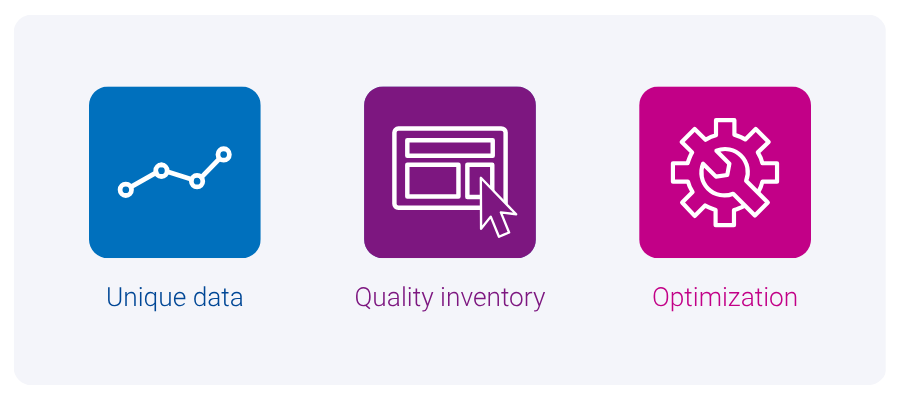
Real curation isn’t “packaging inventory.” It’s a strategic framework built on three pillars:
Why it matters: Manual approaches hit a ceiling. They can’t react quickly to shifting content, identity signals, or auction dynamics. That’s where technology partners come in, keeping the optimization loop running continuously.
Intelligence at every touchpoint
Curation isn’t about shifting control between platforms. It’s about better brand decisions, connecting opportunity-rich supply to the brand’s preferred buying platform and enriching each buy with audience data.In practice, supply-side platforms (SSPs) are ingesting richer signals to route inventory more effectively and support frequency caps and deal prioritization, in collaboration with demand-side platforms (DSPs).
“I think we’re seeing a shift toward bringing more DSP capabilities into the SSP, like supply-side targeting and data driven curation. Advancements in areas like CTV are enabling targeting based on content signals, and SSPs are pulling in more data to inform which supply is sent to the DSP, helping with things like frequency caps.”
OpenXMatt Sattel
Why page-level targeting beats static lists
Static domain lists were a useful first step for quality control. The intent was sound, but the approach was too cumbersome for today’s signal-rich buying. Today, AI and contextual engines read the page, not just the site, and adapt in real time.

Page-level logic delivers three key benefits:
- Accuracy by targeting high-intent, page-level content.
- Relevance by matching the creative to both the content and the audience context.
- Speed by enabling campaigns to move away from underperforming pages in real time, without waiting for a manual trafficking change.
“AI-driven contextual engines evaluate the page, not just the domain, to curate inventory in real time. That moves curation from static allowlists to adaptive logic for greater accuracy, relevance, and speed.”
YieldmoSophia Su
Partnerships broaden who influences the buy

Curation works when publishers, agencies, data partners, and platforms share signals and KPIs.
- Horizontal curation (across multiple SSPs) assembles broader, higher-quality reach and resilience, ideal for scale and diversity of supply.
- Vertical curation (an SSP’s in-house product) provides deep controls within a single exchange, useful for specific inventory strategies.
- Creative and data now shape supply and demand: better creative decisioning, tested against richer signals, improves outcomes.
DSPs remain central for activation and pacing. But the sell-side’s growing intelligence means more accurate inventory routing and signal application before a bid ever fires.
“Curation will continue to evolve through deeper data partnerships and expanded use across publishers and agencies, with more sophisticated types of optimization. DSPs will remain critical to activation, even as sell-side decisioning plays a larger role in identifying and shaping the supply to select.”
Index ExchangeMike McNeeley
Curation delivers access and measurable performance
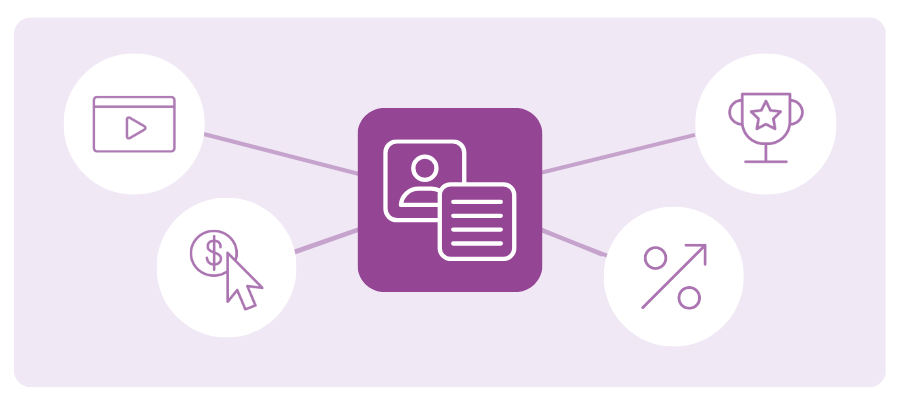
Here’s what curated deals are delivering.
For buyers
| Result | Type of result |
| 36-81% | savings on data segments |
| 10-70% | lower cost per click (CPCs) |
| 1.5-3x | higher click-through rates (CTRs) |
| 10-30% | higher video completion rates |
For publishers
| Result | Type of result |
| 20% | bid density |
| 118% | win rate |
| 10% | revenue on discovered inventory |
| 25% | eCRM on incremental impressions |
Why it works: When data, supply, and optimization are integrated, you reduce waste, surface better impressions, and let algorithms compound your advantage. That’s why curated private marketplaces (PMPs) have grown at ~19% compound annual growth rate (CAGR) since 2019.
“Publishers using supply-side curation see ~15% more diverse buyers and 20–25% better performance than buy-side-only targeting. Smarter packaging and signal application tighten auctions and strengthen outcomes.”
PubmaticHoward Luks
Holistic curation streamlines planning and outcomes
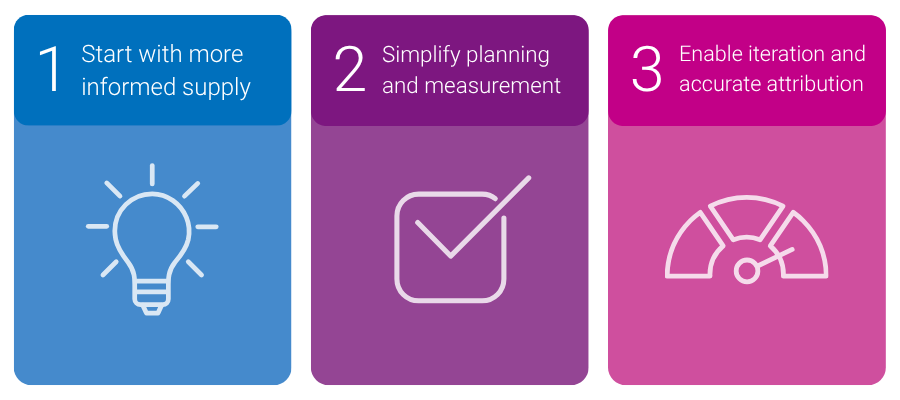
Curation adds the data layer earlier in the buying process, starting at the supply-side. This creates more opportunities to reach the right audience and improves scale and performance. By replacing multiple line items with a single curated deal, campaign setup becomes faster and less error-prone. Curated deals also simplify measurement by including the necessary context for accurate attribution, while dynamic adjustments ensure campaigns remain optimized without requiring manual updates.
“Publishers using supply-side curation see ~15% more diverse buyers and 20–25% better performance than buy-side-only targeting. Smarter packaging and signal application tighten auctions and strengthen outcomes.”
Butler/TillGina Whelehan
It’s much more streamlined, bringing more pieces together so we’re thoughtful and holistic. Adding the audience and data element creates more scale and strategy in how we curate supply and data, and ultimately better results for clients.
The bottom line
Curation has matured from buzzword to performance system. DSPs still anchor activation and pacing, but better sell-side pipes now pre-route inventory and apply signals before any bid starts, making the whole system faster and more accurate. When you combine unique signals, tight supply connections, and always-on optimization, you gain addressability, reduce waste, and achieve better business outcomes for both buyers and sellers.
Curation isn’t just a trend; it’s where programmatic advertising is headed. Start testing curated PMPs today to see the difference for yourself.
Explore curated PMPs with Audigent
Curation FAQs
Curation in performance marketing is the process of combining data, inventory, and optimization to deliver better results. Audigent supports curated strategies through privacy-safe data and advanced integrations.
Curation reduces wasted spend by targeting high-quality impressions and optimizing campaigns in real time. Audigent’s solutions help marketers achieve higher click-through rates, lower costs, and better engagement across channels.
Curated PMPs are deals that use curated data and inventory to deliver measurable results. They help buyers save on data costs, improve ad performance, and achieve better video completion rates, while publishers see higher win rates and revenue.
Audigent provides unique data assets, privacy-safe integrations, and optimization tools that help marketers and publishers create curated deals. Our solutions ensure campaigns are more efficient, targeted, and effective from start to finish.
Horizontal curation combines inventory across multiple platforms for broader reach and diversity, while vertical curation focuses on deep control within a single platform. Both approaches can be tailored to specific campaign goals with Audigent’s expertise.
Latest posts

Originally appeared on VideoNuze Connected TV (CTV) is a leading platform in digital advertising, combining the precise targeting of digital ads with the broad reach and storytelling power of traditional TV. This creates an immersive experience that offers full-funnel marketing results. As consumer time spent watching CTV has doubled over the past five years and linear TV viewing patterns have shifted, advertisers now see CTV as essential for reaching and engaging audiences. Of those CTV users, viewers increasingly choose to watch content with ads. By 2025, free ad-supported streaming TV (FAST) viewers will increase to 49% of CTV users, further highlighting the opportunity for marketers to captivate audiences in ways standard digital display ads can't match. With the explosion of consumer time spent and advertising dollars following, making CTV more addressable and targeted requires a combination of identity and audience. Historically, the IP address has been the most popular way to target a household with a CTV (e.g., LG, Samsung, Vizio device) or streaming platform (e.g., Disney+, Paramount+, Roku, Amazon Prime, etc.). As IP addresses continue to fluctuate in terms of durability, consistency, and type, including the increased adoption of IPv6, we have seen a new incumbent enter the CTV ecosystem: Unified ID 2.0 (UID2). UID2 stands out as a particularly valuable tool for CTV advertisers. It provides a standardized way to identify and target users across CTV and traditional channels like display and mobile while respecting consumer privacy. Given that purchases might not occur on CTV, UID2's ability to link ad exposure on CTV to conversions on other devices is crucial for demonstrating a CTV campaign's true impact. Authenticated audiences are key to CTV's appeal A significant advantage of CTV is its high rate of logged-in, authenticated users. This provides marketers with reliable first-party data for targeting and measurement purposes. UID2 benefits from this since it's a universal identifier based primarily on first-party data, such as people’s email addresses and phone numbers. Authenticated viewers can also be connected across different devices, enabling marketers to understand the full customer journey, which helps attribute conversions more accurately to CTV ads. Key advantages of CTV for digital marketers Superior viewing experience: Larger screens and a captive audience watching high-quality on-demand content Authenticated users: Enables precise audience targeting, more personalized ad experiences, and enhanced cross-device attribution Value exchange: Viewers get cost-effective content with personalized ads, leading to higher engagement "Authenticated viewers and universal IDs like UID2 are revolutionizing CTV advertising, enabling the effective delivery of personalized content and ensuring strong engagement for marketers; Paramount is committed to optimizing across platforms and will continue to utilize tools and advancements that maximize reach for our partners and improve the user experience for our viewers."Travis Scoles, Executive Vice President, Paramount Advertising The role of universal IDs in CTV advertising Universal IDs, like UID2, play a critical role in CTV by ensuring consistent user identification across platforms while respecting privacy. Adoption of UID2 is gaining traction in the TV industry, with brands such as AMC Networks, Disney, Dish Media, FreeWheel, NBCUniversal, Roku, and Paramount integrating it into their digital advertising ecosystem. As authentication increases across traditional digital and mobile apps, especially CTV, universal IDs like UID2 enable cross-device and cross-channel identity strategies without cookies. This is especially important as traditional identifiers like third-party cookies and IP addresses face an uncertain future. Better understand and reach your audience with identity graphs For CTV ad spending to catch up to time spent with CTV, the industry must use these authenticated signals and universal IDs. Identity graphs, like Experian’s, integrate various identifiers (e.g., universal IDs, CTV IDs, IP addresses), allowing CTV platforms to understand relationships between households, individuals, and devices. This understanding enables: Publishers using universal IDs can make advertising on their platform more addressable, which will lead to higher demand. Marketers can achieve greater precision with cross-device targeting, cross-channel frequency management, and more holistic measurement since conversions often happen on non-CTV devices. Viewers receive a more personalized ad experience (without seeing the same ad repeatedly), which will increase engagement with a marketer's campaign. Watch our Ask the Expert video with The Trade Desk to deepen your knowledge on CTV advertising and UID2. Watch the video here Contact us Latest posts

In this article…The rise of omnichannel retailingData and identity-related retail marketing challengesStrategies to help you overcome retail marketing challengesExperian can help advance your retail marketing strategies The questions that keep retail marketers up at night have evolved significantly over the last decade. It wasn’t long ago that marketers would spend their time debating which highway to place their billboard on, whether or not their next TV commercial should be comical or heart-tugging, or even what the optimal time of day was to blast an email campaign to their entire customer list. In 2024, retail marketing has new challenges on the radar. The rise of omnichannel retailing The modern, digital-savvy customer expects a flawless and interconnected shopping experience across touchpoints — one of the many reasons omnichannel marketing is on the rise. Research shows that over half of B2C consumers engage with between three and five channels whenever they make a purchase. For businesses, omnichannel engagement is a lucrative opportunity; McKinsey reports that customers who engage across channels shop nearly twice as much as those using a single channel and usually spend more money. However, the rise in omnichannel engagement also presents several retail marketing challenges, such as the complexity of managing vast amounts of data and piecing together an accurate picture of consumer behavior. Data and identity-related retail marketing challenges Today’s data-driven environment has turned the retail marketing landscape on its head, and businesses have a whole new set of struggles that revolve around identity and data. We identified the top five retail marketing challenges and how to solve them. 1. Knowing what data to capture In the omnichannel era, online and offline data is abundant. When a customer shops at a physical store, they create data points like: What items they purchased What time they visited How long they were there When the same customer shops online, they create a whole new set of data points, such as: What device they used Which items they browsed but didn’t purchase How long they spent on specific pages The vast available data can overwhelm retailers and make it a challenge to determine which data points to prioritize. Start by identifying the challenge you’re addressing. By defining your problem, you can better decide which data is most relevant. For instance, if you’re optimizing the timing of incentives, analyze when customers shop most frequently and customize offers based on individual behavior patterns. How Experian’s Activity Feed can help Experian Activity Feed connects online and offline data to promote precise targeting and measurement across mobile, web, connected TV (CTV), and more. We provide addressable insights that work across all channels by integrating real-time device IDs, cookies, and IP addresses. Our case study with Cuebiq, found here, discusses how we used Activity Feed to deliver in-store lift analyses to Cuebiq’s clients. Because our impressive breadth of addressable data works across channels, we’re perfectly positioned to be your comprehensive identity solution, as we’re capable of addressing the entire U.S. population. With access to over 250 behavioral and demographic attributes per individual, our data fills in audience gaps to help you create a complete customer profile. 2. Understanding customer behavior The complexity of modern consumer behavior is growing, and one of the biggest retail marketing challenges is merging all this information into a single unified customer view. With consumers moving seamlessly between devices like tablets, mobile phones, and laptops, retailers face the grueling task of keeping up with their fragmented journey. For instance, a customer may spot a pair of shoes in-store, add them to their cart via mobile due to long cashier lines, and finish the purchase later from their laptop. However, if they cannot be recognized across these touchpoints, they may abandon the purchase out of frustration. Retailers need solutions that link offline customer relationship management (CRM) and purchase data with a customer's online activity, regardless of channel or device. This is where Experian identity resolution and Graph come into play. How Experian’s Graph and identity resolution can help Experian’s identity solutions help brands resolve disparate data by merging fragmented identifiers into a singular customer profile for a 360-degree view. We ensure each touchpoint is connected, whether the interaction happens online or offline, across mobile apps, or in-store. This enables retailers to recognize the same customer across various devices and enhances the customer experience by keeping items in their cart and personalizing their journey across platforms. With Experian’s identity graph, brands can further enrich these customer profiles with digital identifiers that span hashed emails (HEMs), cookies, mobile device IDs (MAIDs), IP addresses, universal IDs, and CTV IDs to create a more accurate, actionable view of consumer behavior. We rebuild the graph weekly, which ensures persistent and refreshed connections between households, individuals, and their devices. This ongoing linkage allows for precise targeting and measurement over time and aligns with privacy standards and compliance obligations. By organizing identity into households and device IDs and enriching them with marketing data, brands can gain deeper customer insights, addressability across devices, and the ability to measure the impact of their retail marketing strategies. 3. Building trust between consumers and your brand Trust is the foundation of online relationships, and consumers who trust your brand are likelier to share their data. To establish this trust, retailers must collect customer data transparently and respectfully. According to Experian data, 80% of consumers believe more transparency around the use of their information fosters greater trust in a business. Additionally, the same data revealed that 56% of companies plan to invest more in transparency initiatives, such as consumer education, clearer terms of communication, and consumer control over personal data. Experian’s commitment to data accuracy and transparency further strengthens this trust. Our data is ranked #1 in accuracy by Truthset, which means you can power smarter insights, targeting, and measurement using the highest-rated, most reliable data to build customer profiles. 4. Establishing customer loyalty with retail marketing Today’s consumer has many opportunities and choices available at their fingertips, which makes it harder for retailers to build and maintain customer loyalty. Signal loss and the rise of omnichannel media consumption have made it even more of a challenge to keep loyal customers. By using data and insights to interact with people more meaningfully, you can overcome these difficulties to provide a more personalized, relevant experience and establish loyalty. Experian’s new Digital Graph and Marketing Attributes solution makes it easier to do just that. Experian’s Digital Graph and Marketing Attributes solution Using our Digital Graph and Marketing Attributes, you can gain comprehensive insights into consumer behavior by combining offline and digital data through our Living Unit ID (LUID). Our Digital Graph provides robust digital identifiers like MAIDs, CTV IDs, HEMs, and universal IDs, while our Marketing Attributes offer detailed consumer insights spanning age, gender, purchase behaviors, and content consumption habits. With this data, you can create relevant messaging and informed audience segmentation to enhance your personalization and targeting efforts across all digital channels. Using our solution can help you deliver what customers need when they need it — like winter gear before a ski trip or swimwear before a beach vacation. These personalized experiences drive additional revenue and build lasting relationships that keep customers coming back, establishing a strong foundation of loyalty in an increasingly competitive market. 5. Finding your technology solution Retailers need to integrate technology to make their data actionable and use it to streamline the customer experience. They need to integrate data storage platforms with fulfillment and reporting solutions, such as email service providers, display networks, and marketing intelligence tools. Whether retailers are exploring the industry or gearing up to make a substantial investment in the right technology partner, it’s vital to ensure you evaluate potential partners equally and consistently. Experian works with major platforms, marketers, and agencies, meaning we have existing partnerships across the ecosystem for you to connect with that can bring your consumer data to life and meet your needs. Our offline and digital graphs are baked into partner integrations so customers can achieve higher match rates that improve addressability. Strategies to help you overcome retail marketing challenges When it comes to modern retail marketing, you’ll need to take a strategic approach to handle emerging challenges. Here are five retail trends of 2024 to consider integrating into your retail marketing strategy: Use predictive analytics: Data can be overwhelming, but you can analyze historical purchase patterns to capture and prioritize the most relevant data for your retail marketing efforts. Optimize omnichannel campaigns: Cross-channel data integration can help you ensure consistent messaging, provide a seamless experience, capture a unified view of customer interactions, and improve engagement. Personalize experiences with AI: Utilize AI data capture across touchpoints to create personalized recommendations and tailored experiences that resonate with individual customer preferences and behaviors. Adopt dynamic pricing: Use real-time data to adjust prices based on customer behavior and market conditions so your pricing strategies align with current demand and maximize revenue. Invest in customer experience tech: Virtual fitting rooms, augmented reality, and other advanced technologies allow customers to engage with your brand across platforms, which can improve their shopping experience. Utilize Experian’s retail media network (RMN) solution Experian’s solution for RMNs is another tool for overcoming retail marketing challenges. We empower RMNs to better understand their customers with unified views of online and offline behavior across channels and extend their reach across environments. Using our top-ranked identity and audience services, we can help RMNs access expanded customer insights, enhance cross-channel audience targeting, and improve real-time measurement and attribution to enable precise, streamlined, personalized omnichannel campaigns. Our solution’s integration with major platforms improves data match rates and addressability so retailers can overcome data fragmentation and optimize their retail marketing strategies. Experian can help advance your retail marketing strategies Experian can help retailers effectively use data and insights to interact with customers and prospects meaningfully. Our data and identity solutions help you deliver relevant, impactful messaging to ensure the customer who puts shoes in the cart at the store is the same customer who wants to finalize their transaction later that evening online. As the holiday season approaches, it’s time to refine your retail marketing strategies and connect authentically with shoppers. With over a billion consumers preparing to shop, Experian offers 19 new syndicated audiences available for activation across major ad platforms, including TV and programmatic, to help you reach the most relevant prospects. Whether you’re targeting discount seekers, last-minute gift-buyers, or frequent travelers, our audiences align with diverse shopping styles and preferences. Choosing the right audience segments aligns your holiday marketing efforts with consumer expectations and maximizes impact. With our tools, you can seamlessly connect with the same customer across various channels, whether they’re shopping in-store or online. Embrace the holiday season confidently, and let Experian help your retail marketing strategy shine. Get started with us today Latest posts

The holiday season is almost here, and knowing how each generation plans to shop can give your holiday advertising campaigns the edge you need. Our recent survey of 1,000 U.S. consumers reveals 2024 holiday shopping trends for each generation and key insights into their anticipated spending levels, preferred shopping categories, and how they look for gift ideas. In this blog post, we'll explore three 2024 holiday shopping trends across generations: Projected consumer spending Top categories on shoppers' lists Preferred channels for researching gifts Download our 2024 report 1. Projected consumer spending Over 1 in 3 Gen Z and Millennials are gearing up to increase their holiday budgets this year, while Gen X and Boomers are likelier to stick to last year's budget. 36% of Millennials and Gen Z plan to spend more this holiday season 45% of Gen X and 52% of Boomers expect their spending to remain consistent with last year What this means for marketers These insights highlight the importance of tailoring your messaging. For Gen Z and Millennials, emphasize value and unique offerings that justify increased spending. For Gen X and Boomers, focus on trust and reliability, reinforcing their confidence in your brand. How Experian can help you target these audiences Experian’s custom and syndicated audience segments, including Holiday Shopper High Spenders and Holiday Shopper Moderate Spenders, enable you to connect with these diverse consumer groups. Our audiences are available on-the-shelf of leading ad platforms to help you reach people across social, TV, and mobile. The election effect U.S. holiday retail sales saw 4.1% YoY growth in 2016 and 8.3% YoY growth in 2020 following presidential elections. There’s a chance that holiday spending increases after the 2024 election, regardless of the outcome. Experian has 240+ politically relevant audiences that you can activate across major ad platforms ahead of the upcoming election. 2. Top categories on shoppers' lists Different generations have distinct preferences when it comes to what they plan to buy. Gift cards top the list for Gen X and Boomers, while Gen Z leans toward clothing. Millennials are looking to splurge on toys, electronics, and experiences. 69% of Boomers and Gen X plan to purchase gift cards 72% of Gen Z will buy clothing 45% of Millennials will buy health and beauty items 25% of Millennials will buy tickets and 22% of Millennials will buy experiences What this means for marketers Align your product offerings and promotions with each generation's preferences to capture their attention. For example, highlighting versatile gift cards may resonate more with older generations, while showcasing trendy apparel and tech gadgets will appeal to younger consumers. How Experian can help you target these shoppers We offer audience segments like Holiday Shoppers: Apparel, Cosmetics & Beauty Spenders, and Toys Shoppers that you can activate to connect with consumers primed to purchase in these categories. We recently released 19 new holiday shopping audiences we recommend targeting to drive engagement and conversions. Download our audience recommendations here. 3. Preferred channels for researching gift ideas When it comes to finding the perfect gifts, Gen Z turns to social media, while Millennials prefer online reviews and video content. Boomers and Gen X are more inclined to visit physical stores for hands-on product evaluations. 29% of Gen Z and 26% of Millennials will look for gift ideas on social media 44% of Millennials will rely on video reviews and product demos on platforms like YouTube 49% of Gen X and Boomers plan to visit physical stores to evaluate products in person What this means for marketers Understanding where each generation looks for inspiration can guide your content and ad placement strategy. To engage Gen Z, focus on social media campaigns and influencer partnerships. For Millennials, consider investing in video content and reviews. For older generations, ensure your in-store experience is optimized to convert browsing into purchases. How Experian can help you engage these shoppers Our TrueTouchTM audiences can help you pair the perfect messaging styles with the right channels and calls to action. Our Social media channel and content engagement audiences can help you reach Gen Z who are likely to be active users on major social platforms and are Black Friday shoppers. For a full list of Experian’s syndicated audiences and activation destinations, download our syndicated audiences guide. Download our new 2025 Holiday spending trends and insights report This holiday season is about more than just transactions – it’s about cultivating meaningful connections with your audience. Download our 2025 Holiday spending trends and insights report, in collaboration with GroundTruth, to access all of our predictions for this year’s holiday season. Download now When you work with Experian for your holiday shopping campaigns, you’re getting: Accurate consumer insights: Better understand your customers’ behavioral and demographic attributes with our #1 ranked data covering the full U.S. population. Signal-agnostic identity solutions: Our deep understanding of people in the offline and digital worlds provides you with a persistent linkage of personally identifiable information (PII) data and digital IDs, ensuring you accurate cross-device targeting, addressability and measurement. Secure connectivity: Bring data and identity to life in a way that meets your needs by securely sharing data between partners, utilizing the integrations we have across the ecosystem, and using our marketing data in flexible ways. Make the most of this holiday shopping season with Experian. Contact us today to get started. Contact us Source Online survey conducted in June, 2024 among n=1,000 U.S. adults 18+. Sample balanced to look like the general population on key demographics (age, gender, household income, ethnicity, and region). Latest posts


