Loading...

How AI is reshaping identity and marketing: Insights from Cannes Lions 2025

by Experian Marketing Services 6 min read October 29, 2025

At A Glance

Marketers are using AI to better understand audiences, improve efficiency, and build privacy-first identity solutions. At Cannes Lions 2025, leaders shared how AI and structured data help deliver relevant messages, adapt to consumer needs, and build trust. Experian supports this through ethical efforts and innovative solutions.

Artificial intelligence (AI) is becoming a bigger part of modern advertising, changing how brands connect with people. At Experian, we believe this technology should make marketing more human, not less. We use AI to help marketers understand consumer behavior, respect privacy, and deliver messages that matter.

As part of our latest Cannes Content Studio series, we spoke with leaders from AdRoll, MiQ, OpenX, Optable, PMG, PubMatic, and Yieldmo. Their insights show a clear path forward; one where technology supports human strategy to create more meaningful connections.

1. How does AI help you see audiences more clearly?
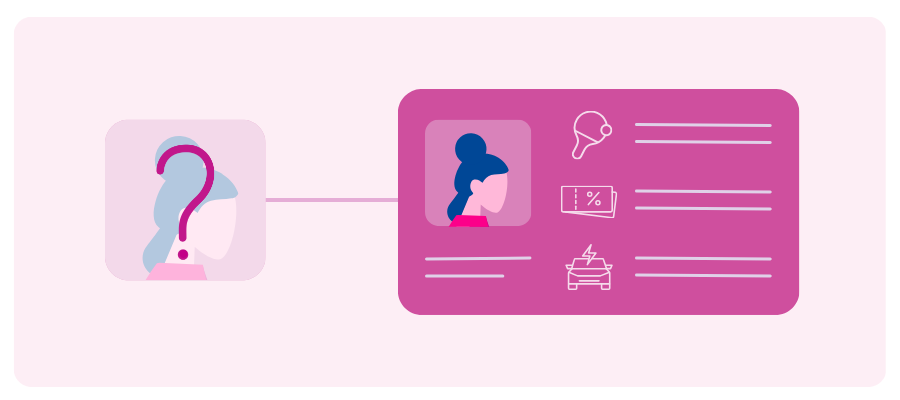
How does AI help you see audiences more clearly?

AI decodes complex behavioral signals to reveal the values and mindsets behind decisions, and increasingly, it predicts what audiences will care about next. This allows marketers to deliver timely, relevant messages that resonate with audiences. At Experian, we help brands use these insights to connect more meaningfully and ethically.

Takeaway: Experian’s tools help brands uncover audience insights, enabling more meaningful and ethical connections.

2. Where does AI actually save time, and improve results?
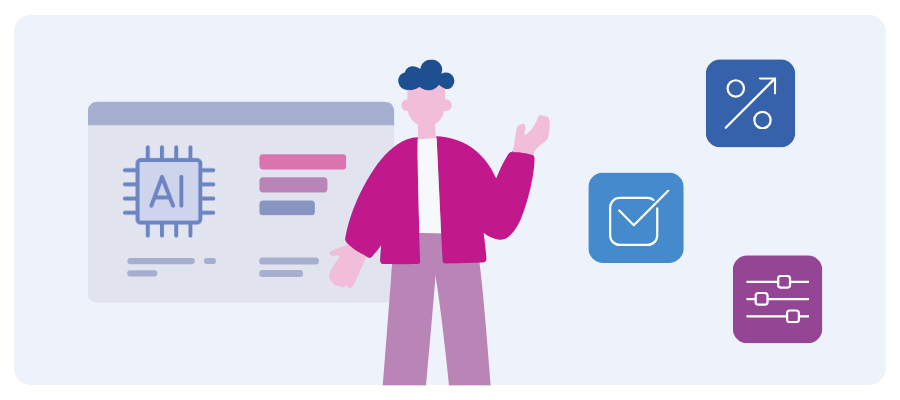
Where does AI actually save time, and improve results?

Running campaigns is time-consuming. Solutions like Agentic AI now orchestrate end-to-end campaign workflows, audience building, trafficking, QA, pacing, and routine optimizations, so teams focus on strategy and creativity. Many leaders (94%) are investing broadly in AI to drive efficiency and impact, and 49% of marketers use it daily for image and video generation, shifting repetitive tasks from people to tools. By quickly combining past and current performance data, AI can pre-optimize before launch and refine mid-flight, while marketers steer the message and experience.

“AI uses past campaign data to optimize performance before launch, continues learning during the campaign, and refines strategies based on the insights it generates, driving better results over time.”

PubMaticHoward Luks

Takeaway: Experian’s solutions streamline campaign workflows, allowing marketers to focus on creativity and strategy while improving results.

3. How do AI and human strategy work together in real time?
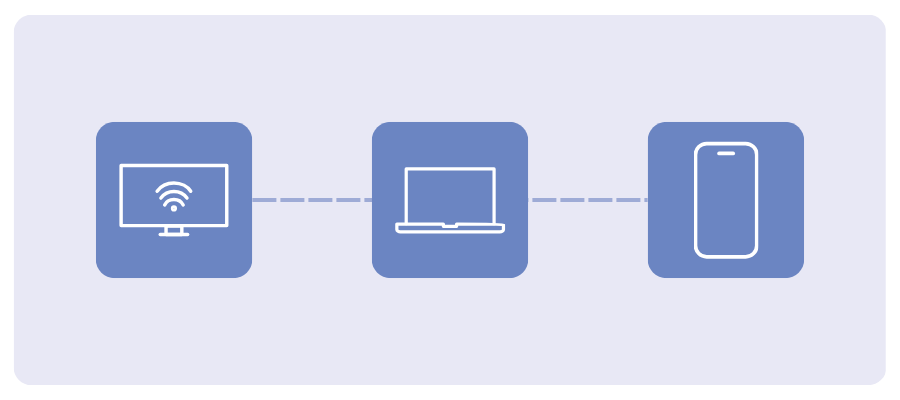
How do AI and human strategy work together in real time?

AI handles real-time data analysis and optimization, freeing marketers to focus on strategy, messaging, and creativity. By defining audiences once and activating them across platforms, teams can adapt quickly and confidently. At Experian, we combine machine intelligence with human insight to deliver smarter, more agile campaigns.

“AI analyzes data, pulls insights, and automates optimizations, allowing marketers to focus on strategy, messaging, and creativity instead of spending time digging through numbers and data.”

AdRollLizzie Chapman

Takeaway: Experian solutions empower marketers to adapt quickly and confidently, combining human strategy with insights.

4. What does privacy-first look like now?

What does privacy-first identity look like now?

Relying on simple, static data points is no longer enough. A modern approach to identity blends deterministic data (like known identifiers) with modeled components, ensuring data remains de-identified where possible. Clear, transparent guardrails, permitted-use policies, retention limits, sensitive-category blocks, and audit trails, help brands balance personalization with privacy, build trust, and respect user choice.

“A new blend of identity systems combines deterministic data, known identifiers, and model driven components, creating fresh ways to address identity and activate campaigns with precision.”

OptableVlad Stesin

Takeaway: Experian’s privacy-first identity solutions help brands balance personalization with safety, ensuring trust and compliance.

5. Which new data signals matter, and why?
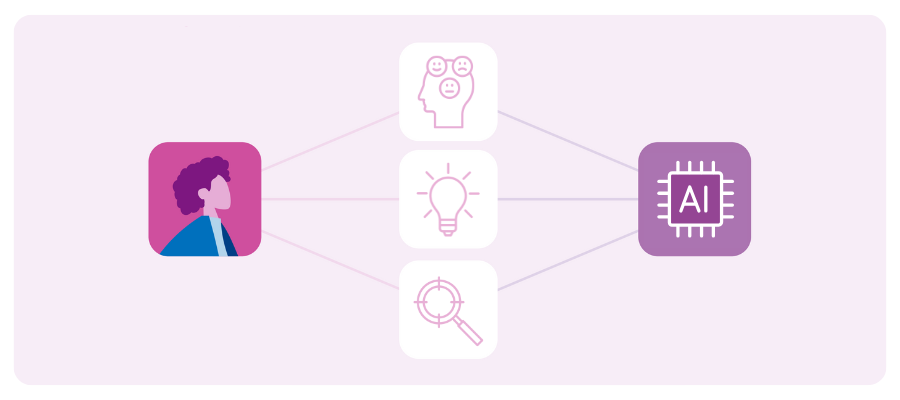
Which new data signals matter, and why?

AI is unlocking a new generation of data signals, like content context, sentiment, emotional tone, suitability, attention, and commerce intent, that go beyond legacy identifiers like cookies and demographics. These signals can help brand messages appear in the most relevant environments and by high-value audiences. Used well, they improve relevance, avoid placements near unsuitable or off-brand content, and drive stronger campaign outcomes.

“Unlocking new data sets (like emotion, sentiment, and context), AI is creating innovative ways to connect client content with advertising opportunities and rethink how we approach the market.”

PMGSam Bloom

Takeaway: Experian’s solutions use advanced data signals to help marketers create more effective and innovative campaigns.

Why Experian for human-centered AI?

Why Experian for human‑centered AI

We deliver on the promise of AI-powered marketing through five pillars:

  1. See audiences clearly across households, individuals, and devices.
  2. Recommend next‑best audiences and automate setup for faster execution.
  3. Adapt in real‑time to keep relevance high.
  4. Innovate responsibly with strong governance and transparency.
  5. Plan, activate, and measure campaigns on one unified platform.

The future of intelligent marketing
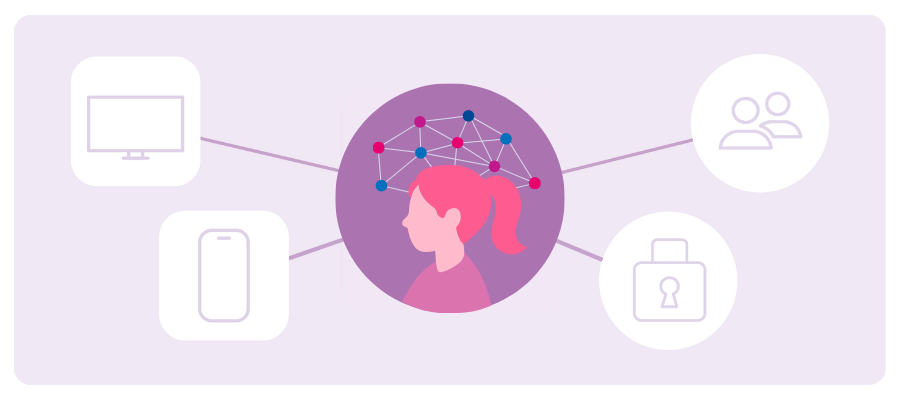
The future of intelligent marketing

AI will keep accelerating, but the goal stands: make marketing more human. Teams that blend privacy‑first identity, predictive insight, AI‑powered simplicity, and real‑time intelligence will earn trust and drive outcomes. Experian helps you bring those pieces together so every campaign moves from assumptions to clarity, and from activity to measurable results.

Talk to Experian about building human-centered AI into your marketing strategy

This site is protected by reCAPTCHA and the Google Privacy Policy and Terms of Service apply.


AI marketing trends FAQs

How does AI help marketers understand audiences better?

AI analyzes complex signals, behaviors, values, and mindsets to provide a clearer picture of what matters to audiences. That clarity makes messaging feel personal and relevant. Learn more about Experian’s Digital Graph and how it can help marketers understand audiences better. 

Where is AI improving campaign efficiency today?  

Automation reduces manual setup and reporting, so teams focus on strategy and creative. Nearly half of marketers (49%) use AI daily for image and video generation, reflecting this shift. 

What does “smarter activation across platforms” mean?

Smarter activation across platforms means defining audiences once, then carrying them across channels with live feedback, so relevance and suitability stay high. See how Experian enables smarter activation with our data and identity solutions. 

How is AI changing identity? 

Privacy‑first identity blends deterministic and modeled components, keeping data de‑identified where possible. Experian’s solutions balance personalization with safety. Learn about Experian’s identity solutions is changing identity. 

Why is structured data important for AI‑driven marketing?  

AI systems rely heavily on brand‑managed sources. 86% of citations come from websites, listings, and reviews, so clean, accurate, structured data makes your answers and your brand more discoverable. Discover how Experian supports structured data for AI-driven marketing. 


Latest posts

Loading…
Commerce media: Retail’s next big opportunity

Commerce media has recently established itself as a significant player in the AdTech industry. What is it and why should you care?

Published: Dec 03, 2024 by Experian Marketing Services

The evolution of identity: A decade of transformation

Originally appeared on MarTech Series Marketing’s understanding of identity has evolved rapidly over the past decade, much like the shifting media landscape itself. From the early days of basic direct mail targeting to today's complex omnichannel environment, identity has become both more powerful and more fragmented. Each era has brought new tools, challenges, and opportunities, shaping how brands interact with their customers. We’ve moved from traditional media like mail, newspapers, and linear/network TV, to cable TV, the internet, mobile devices, and apps. Now, multiple streaming platforms dominate, creating a far more complex media landscape. As a result, understanding the customer journey and reaching consumers across these various touchpoints has become increasingly difficult. Managing frequency and ensuring effective communication across channels is now more challenging than ever. This development has led to a fragmented view of the consumer, making it harder for marketers to ensure that they are reaching the right audience at the right time while also avoiding oversaturation. Marketers must now navigate a fragmented customer journey across multiple channels, each with its own identity signals, to stitch together a cohesive view of the customer. Let’s break down this evolution, era by era, to understand how identity has progressed—and where it’s headed. 2010-2015: The rise of digital identity – Cookies and MAIDs Between 2010 and 2015, the digital era fundamentally changed how marketers approached identity. Mobile usage surged during this time, and programmatic advertising emerged as the dominant method for reaching consumers across the internet. The introduction of cookies and mobile advertising IDs (MAIDs) became the foundation for tracking users across the web and mobile apps. With these identifiers, marketers gained new capabilities to deliver targeted, personalized messages and drive efficiency through programmatic advertising. This era gave birth to powerful tools for targeting. Marketers could now follow users’ digital footprints, regardless of whether they were browsing on desktop or mobile. This leap in precision allowed brands to optimize spend and performance at scale, but it came with its limitations. Identity was still tied to specific browsers or devices, leaving gaps when users switched platforms. The fragmentation across different devices and the reliance on cookies and MAIDs meant that a seamless, unified view of the customer was still out of reach. 2015-2020: The age of walled gardens From 2015 to 2020, the identity landscape grew more complex with the rise of walled gardens. Platforms like Facebook, Google, and Amazon created closed ecosystems of first-party data, offering rich, self-declared insights about consumers. These platforms built massive advertising businesses on the strength of their user data, giving marketers unprecedented targeting precision within their environments. However, the rise of walled gardens also marked the start of new challenges. While these platforms provided detailed identity solutions within their walls, they didn’t communicate with one another. Marketers could target users with pinpoint accuracy inside Facebook or Google, but they couldn’t connect those identities across different ecosystems. This siloed approach to identity left marketers with an incomplete picture of the customer journey, and brands struggled to piece together a cohesive understanding of their audience across platforms. The promise of detailed targeting was tempered by the fragmentation of the landscape. Marketers were dealing with disparate identity solutions, making it difficult to track users as they moved between these closed environments and the open web. 2020-2025: The multi-ID landscape – CTV, retail media, signal loss, and privacy By 2020, the identity landscape had splintered further, with the rise of connected TV (CTV) and retail media adding even more complexity to the mix. Consumers now engaged with brands across an increasing number of channels—CTV, mobile, desktop, and even in-store—and each of these channels had its own identifiers and systems for tracking. Simultaneously, privacy regulations are tightening the rules around data collection and usage. This, coupled with the planned deprecation of third-party cookies and MAIDs has thrown marketers into a state of flux. The tools they had relied on for years were disappearing, and new solutions had yet to fully emerge. The multi-ID landscape was born, where brands had to navigate multiple identity systems across different platforms, devices, and environments. Retail media networks became another significant player in the identity game. As large retailers like Amazon and Walmart built their own advertising ecosystems, they added yet another layer of first-party data to the mix. While these platforms offer robust insights into consumer behavior, they also operate within their own walled gardens, further fragmenting the identity landscape. With cookies and MAIDs being phased out, the industry began to experiment with alternatives like first-party data, contextual targeting, and new universal identity solutions. The challenge and opportunity for marketers lies in unifying these fragmented identity signals to create a consistent and actionable view of the customer. 2025: The omnichannel imperative Looking ahead to 2025 and beyond, the identity landscape will continue to evolve, but the focus remains the same: activating and measuring across an increasingly fragmented and complex media environment. Consumers now expect seamless, personalized experiences across every channel—from CTV to digital to mobile—and marketers need to keep up. The future of identity lies in interoperability, scale, and availability. Marketers need solutions that can connect the dots across different platforms and devices, allowing them to follow their customers through every stage of the journey. Identity must be actionable in real-time, allowing for personalization and relevance across every touchpoint, so that media can be measurable and attributable. Brands that succeed in 2025 and beyond will be those that invest in scalable, omnichannel identity solutions. They’ll need to embrace privacy-friendly approaches like first-party data, while also ensuring their systems can adapt to an ever-changing landscape. Adapting to the future of identity The evolution of identity has been marked by increasing complexity, but also by growing opportunity. As marketers adapt to a world without third-party cookies and MAIDs, the need for unified identity solutions has never been more urgent. Brands that can navigate the multi-ID landscape will unlock new levels of efficiency and personalization, while those that fail to adapt risk falling behind. The path forward is clear: invest in identity solutions that bridge the gaps between devices, platforms, and channels, providing a full view of the customer. The future of marketing belongs to those who can manage identity in a fragmented world—and those who can’t will struggle to stay relevant. Explore our identity solutions Contact us Latest posts

Published: Nov 25, 2024 by Christopher Feo, Chief Business Officer

Five considerations for the future of innovation in data and identity

We spoke with experts from Audigent, Choreograph, Goodway Group, MiQ, Snowflake about the future of data and identity.

Published: Nov 21, 2024 by Experian Marketing Services

Subscribe to our newsletter

Enter your name and email for the latest updates

This site is protected by reCAPTCHA and the Google Privacy Policy and Terms of Service apply.

About Experian Marketing Services

At Experian Marketing Services, we use data and insights to help brands have more meaningful interactions with people. As leaders in the evolution of the advertising landscape, Experian Marketing Services can help you identify your customers and the right potential customers, uncover the most appropriate communication channels, develop messages that resonate, and measure the effectiveness of marketing activities and campaigns.

Visit our website

Subscribe to our newsletter

Stay up to date on the latest industry news and receive expert tips from our marketing experts.
Subscribe now!