At A Glance
Marketers are using AI to better understand audiences, improve efficiency, and build privacy-first identity solutions. At Cannes Lions 2025, leaders shared how AI and structured data help deliver relevant messages, adapt to consumer needs, and build trust. Experian supports this through ethical efforts and innovative solutions.Artificial intelligence (AI) is becoming a bigger part of modern advertising, changing how brands connect with people. At Experian, we believe this technology should make marketing more human, not less. We use AI to help marketers understand consumer behavior, respect privacy, and deliver messages that matter.
As part of our latest Cannes Content Studio series, we spoke with leaders from AdRoll, MiQ, OpenX, Optable, PMG, PubMatic, and Yieldmo. Their insights show a clear path forward; one where technology supports human strategy to create more meaningful connections.
1. How does AI help you see audiences more clearly?

AI decodes complex behavioral signals to reveal the values and mindsets behind decisions, and increasingly, it predicts what audiences will care about next. This allows marketers to deliver timely, relevant messages that resonate with audiences. At Experian, we help brands use these insights to connect more meaningfully and ethically.
Takeaway: Experian’s tools help brands uncover audience insights, enabling more meaningful and ethical connections.
2. Where does AI actually save time, and improve results?

Running campaigns is time-consuming. Solutions like Agentic AI now orchestrate end-to-end campaign workflows, audience building, trafficking, QA, pacing, and routine optimizations, so teams focus on strategy and creativity. Many leaders (94%) are investing broadly in AI to drive efficiency and impact, and 49% of marketers use it daily for image and video generation, shifting repetitive tasks from people to tools. By quickly combining past and current performance data, AI can pre-optimize before launch and refine mid-flight, while marketers steer the message and experience.
“AI uses past campaign data to optimize performance before launch, continues learning during the campaign, and refines strategies based on the insights it generates, driving better results over time.”
PubMaticHoward Luks
Takeaway: Experian’s solutions streamline campaign workflows, allowing marketers to focus on creativity and strategy while improving results.
3. How do AI and human strategy work together in real time?
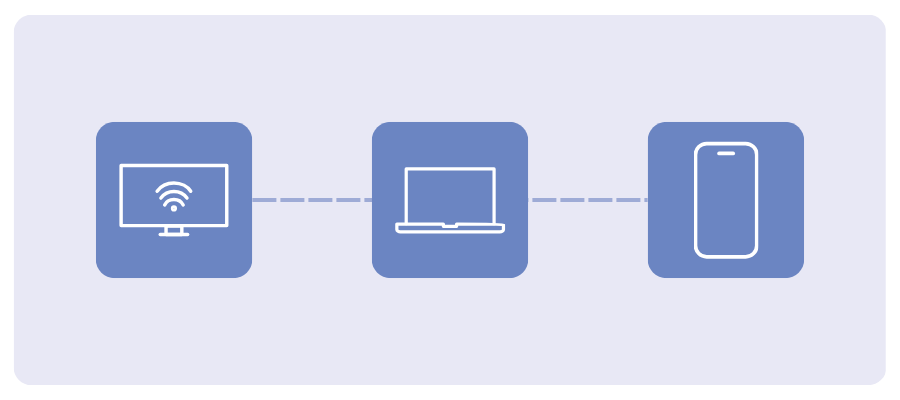
AI handles real-time data analysis and optimization, freeing marketers to focus on strategy, messaging, and creativity. By defining audiences once and activating them across platforms, teams can adapt quickly and confidently. At Experian, we combine machine intelligence with human insight to deliver smarter, more agile campaigns.
“AI analyzes data, pulls insights, and automates optimizations, allowing marketers to focus on strategy, messaging, and creativity instead of spending time digging through numbers and data.”
AdRollLizzie Chapman
Takeaway: Experian solutions empower marketers to adapt quickly and confidently, combining human strategy with insights.
4. What does privacy-first look like now?

Relying on simple, static data points is no longer enough. A modern approach to identity blends deterministic data (like known identifiers) with modeled components, ensuring data remains de-identified where possible. Clear, transparent guardrails, permitted-use policies, retention limits, sensitive-category blocks, and audit trails, help brands balance personalization with privacy, build trust, and respect user choice.
“A new blend of identity systems combines deterministic data, known identifiers, and model driven components, creating fresh ways to address identity and activate campaigns with precision.”
OptableVlad Stesin
Takeaway: Experian’s privacy-first identity solutions help brands balance personalization with safety, ensuring trust and compliance.
5. Which new data signals matter, and why?

AI is unlocking a new generation of data signals, like content context, sentiment, emotional tone, suitability, attention, and commerce intent, that go beyond legacy identifiers like cookies and demographics. These signals can help brand messages appear in the most relevant environments and by high-value audiences. Used well, they improve relevance, avoid placements near unsuitable or off-brand content, and drive stronger campaign outcomes.
“Unlocking new data sets (like emotion, sentiment, and context), AI is creating innovative ways to connect client content with advertising opportunities and rethink how we approach the market.”
PMGSam Bloom
Takeaway: Experian’s solutions use advanced data signals to help marketers create more effective and innovative campaigns.
Why Experian for human-centered AI?

We deliver on the promise of AI-powered marketing through five pillars:
- See audiences clearly across households, individuals, and devices.
- Recommend next‑best audiences and automate setup for faster execution.
- Adapt in real‑time to keep relevance high.
- Innovate responsibly with strong governance and transparency.
- Plan, activate, and measure campaigns on one unified platform.
The future of intelligent marketing
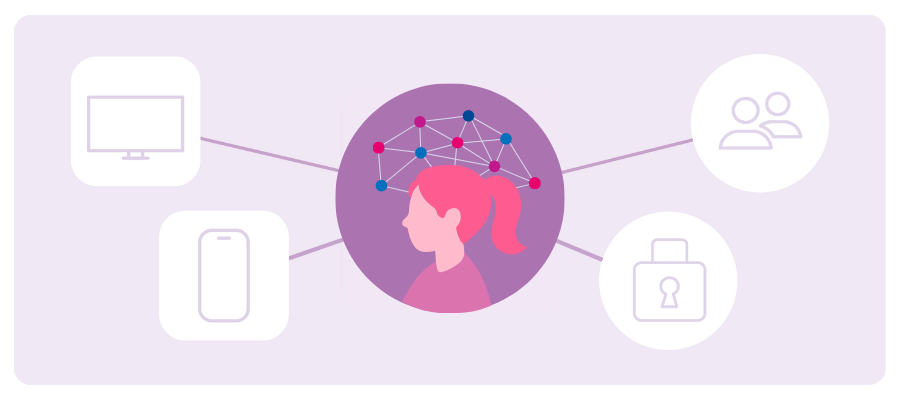
AI will keep accelerating, but the goal stands: make marketing more human. Teams that blend privacy‑first identity, predictive insight, AI‑powered simplicity, and real‑time intelligence will earn trust and drive outcomes. Experian helps you bring those pieces together so every campaign moves from assumptions to clarity, and from activity to measurable results.
Talk to Experian about building human-centered AI into your marketing strategy
AI marketing trends FAQs
AI analyzes complex signals, behaviors, values, and mindsets to provide a clearer picture of what matters to audiences. That clarity makes messaging feel personal and relevant. Learn more about Experian’s Digital Graph and how it can help marketers understand audiences better.
Automation reduces manual setup and reporting, so teams focus on strategy and creative. Nearly half of marketers (49%) use AI daily for image and video generation, reflecting this shift.
Smarter activation across platforms means defining audiences once, then carrying them across channels with live feedback, so relevance and suitability stay high. See how Experian enables smarter activation with our data and identity solutions.
Privacy‑first identity blends deterministic and modeled components, keeping data de‑identified where possible. Experian’s solutions balance personalization with safety. Learn about Experian’s identity solutions is changing identity.
AI systems rely heavily on brand‑managed sources. 86% of citations come from websites, listings, and reviews, so clean, accurate, structured data makes your answers and your brand more discoverable. Discover how Experian supports structured data for AI-driven marketing.
Latest posts

Media is changing and the sell-side is stepping boldly into the identity jungle—a dense and complex environment where privacy regulations, evolving signals, and advertiser expectations make every step an adventure. It’s not about survival; it’s about navigation. Experian’s identity solutions offer sell-side players like connected TV (CTV) publishers, supply-side platforms (SSPs), and open web publishers a roadmap to deliver rich consumer insights and build addressable audiences. Here’s how different stakeholders are navigating the landscape—and why having the right sherpa makes all the difference. CTV publishers: Turning anonymous viewers into addressable audiences The surge in CTV viewing, fueled by the shift from linear TV to digital streaming, has made it a critical channel for marketers—but navigating the identity jungle isn’t the same for every platform. For major players like Netflix, Hulu, and Max, where users log in to access content, the challenge isn’t identifying viewers but enriching their profiles. By layering behavioral and purchase data onto these profiles, platforms can go far beyond insights on media habits to create highly attractive audience segments for marketers to target. For free ad-supported streaming TV (FAST) platforms like Tubi, where logins aren’t required to watch content, the jungle is denser. These platforms have unknown viewers they can’t identify, which limits their ability to know who the customer is and reach them with relevant ads. By utilizing identity solutions, FAST platforms can turn unknown users into addressable audiences, resolving viewership at the household or individual level. This transformation allows for personalized, relevant ads that increase engagement, boost inventory value, and unlock new revenue opportunities. How Experian can help Imagine a CTV platform struggling with anonymous viewers on its FAST channels, where users tune in without logging in. Using Experian’s household-level data, the platform can convert these anonymous sessions into known, addressable audiences. This allows for personalized, precisely targeted ads that boost viewer engagement and significantly increase ad inventory value. For platforms with logged-in users, Experian takes it further by enriching profiles with behavioral and purchase data. This deeper understanding enables even more precise ad targeting, stronger advertiser demand, driving higher CPMs, and ultimately greater revenue growth. With Experian, CTV publishers turn anonymity into opportunity and build meaningful connections across their audience. SSPs: Delivering premium audiences across channels SSPs are under pressure to differentiate themselves in a competitive marketplace. The days of simply aggregating inventory are gone; today, SSPs must prove their worth by delivering premium value to advertisers and publishers. Addressability is a cornerstone of this strategy. By combining demographic and behavioral data with offline and digital identifiers, SSPs can build and deliver high-quality audiences across various channels. At the same time, supply path optimization (SPO) is taking center stage. SPO acts as a machete in the underbrush, clearing out unnecessary intermediaries and reducing costs while creating direct, transparent pathways to premium, brand-safe inventory. When paired with identity data, SSPs can offer buyers precisely targeted audiences, more premium inventory and a streamlined supply path. How Experian can help Imagine an SSP striving to stand out in a crowded market by delivering premium value to advertisers and publishers. Experian’s Digital Graph and Marketing Attributes empowers SSPs to enhance addressability and audience insights by combining digital identifiers with demographic and behavioral data. This enriched understanding of an audience leads to greater reach for the buy side and higher revenue for publishers. Additionally, these capabilities enable SSPs to form exclusive inventory partnerships, positioning them as go-to sources for high-value audiences. With Experian’s solutions, SSPs can differentiate themselves by delivering superior targeting, deeper audience understanding, and streamlined supply paths that drive measurable results for advertisers and publishers alike. Open web publishers: Promoting addressability and audience understanding For open web publishers, programmatic advertising has created opportunities—and challenges. Inventory commoditization makes it difficult to stand out and often leads to suppressed CPMs. To compete, publishers need data and identity solutions that enable them to differentiate their inventory and reveal the true value of their audience. Similar to FAST publishers, the jungle for open web publishers often starts with anonymous visitors. Recognizing and identifying all their users allows publishers to present advertisers with rich audience insights that lead to more efficiently targeted ads. Publishers are now equipped to fight commoditization and maximize revenue potential. How Experian can help Imagine an open web publisher striving to deliver more value to advertisers in a crowded programmatic landscape. Experian’s identity solutions help publishers turn anonymous traffic into addressable audiences, enabling them to understand their visitors and provide richer audience insights. This allows advertisers to target ads more effectively, increasing engagement and driving higher ad revenue. With the ability to recognize their visitors and offer actionable data, publishers can break free from commoditization. Experian empowers publishers to maximize their inventory’s value and help marketers drive results. Turning identity challenges into a strategic advantage The identity jungle can feel daunting, but for those willing to explore its opportunities, the rewards are immense. Sell-side players—CTV publishers, SSPs, and open web publishers—have the tools to not just navigate but thrive in this dense and dynamic ecosystem. By embracing data-driven strategies and identity solutions, they can uncover new paths to audience engagement, inventory value, and revenue growth. Get started today Read our companion article to learn how the buy-side is approaching data and identity challenges. Read now Contact us Latest posts

In a perfect world, we’d all have a single, go-to grocery store that carried everything on our shopping list – fresh produce, gourmet coffee beans, rare spices, and maybe even that special-grade olive oil, right alongside our wholesale bulk purchases at unbeatable prices. It would be convenient and efficient, and it’d save a lot of driving around town. The changing data marketplace: From one-stop shop to specialized selection For a long time, data buyers enjoyed something similar in their world: a small set of large-scale data marketplaces that offered a wide array of audiences, making it easy to load up on whatever you needed in one place. Not only are there fewer places to pick everything up, but new factors like privacy and signal deprecation are placing a spotlight on quality and addressability. Just as our dinner plans are growing more ambitious insofar as we want health, flavor, value, and convenience all in one place – so are our data strategies. Instead of a single steak-and-potatoes meal, today’s data marketplace operators might be cooking up a complex menu of campaigns. As a result, data buyers are beginning to shop around. Some still rely on large-scale marketplaces for familiar staples, but now they have reasons to explore other options. Some are turning to providers known for offering top-tier, transparently sourced segments. Others are focusing on specialty providers that excel in one area. A more selective approach to data buying In this environment, choosing where to “shop” for data is becoming more deliberate and selective. Data buyers aren’t just thinking about broad scale; they’re looking to prioritize quality, durability, data privacy, and differentiation. They need to place higher value on data marketplaces that can maintain audience addressability over time, despite signal loss. Sometimes, that means accepting a smaller assortment in exchange for tighter vetting and more reliable targeting. Other times it means mixing and matching – stopping by one marketplace for premium segments and another for cost-friendly, wide-reaching data sets. Either way, they can benefit from having more choices. Experian’s marketplace: A trusted source for high-quality data Experian’s vetted and curated blend of data partners and vertically-aligned audiences offers a trusted specialty store for data buyers. Experian’s marketplace, powered by identity graphs that include 126 million households, 250 million individuals, and 4 billion active digital IDs, enables partner audiences to be easily activated and maintain high addressability across display, mobile, and connected TV (CTV) channels. In particular, Experian’s marketplace provides: Enhanced addressability and match rates All audiences delivered from the marketplace benefit from our best-in-class offline and digital identity graphs, which ensure addressability across all channels like display, mobile, and CTV. Unlike other data marketplaces, Experian ensures all identifiers associated with an audience have been active and are targetable, improving the accuracy of audience planning. Audience diversity and scale Access a broad range of audiences across top verticals from our partner audiences, which can be combined with one another and with 2,400+ Experian Audiences. The ability to join audiences across data providers ensures that buyers can build the perfect audience for the campaign. Trusted compliance and oversight With decades of experience, Experian is a trusted expert in data compliance. Our rigorous data partner review ensures available audiences comply with all federal, state, and local consumer privacy regulations. The future of data marketplaces: Precision and flexibility matter The evolution of data marketplaces reflects the industry's shifting priorities. Data buyers seek specificity, reliability, and adaptability to align with their diverse campaign needs. The best data strategy, much like the best grocery run, isn’t about grabbing everything in one place – it’s about carefully selecting the right ingredients to create the perfect recipe for success. This shift underscores the importance of flexibility and precision as data buyers navigate a landscape shaped by privacy regulations, signal loss, and evolving consumer expectations. As data marketplaces adapt to meet these demands, they are redefining what it means to deliver value. Experian’s marketplace enables buyers to strike the perfect balance between reach and quality by offering enhanced match rates, precise audience planning, and seamless distribution. In this new era, data buyers have the tools and options to craft campaigns that are impactful and aligned with the increasingly selective and privacy-conscious digital landscape. The key is recognizing that today’s data strategy is about utilizing the strengths of many to create a cohesive and effective whole. If you're interested in learning more about Experian's marketplace or becoming an active buyer or seller in our marketplace, please contact us. Contact us Latest posts

Conventional TV advertising campaigns have historically relied on general audience metrics like impressions and ratings to measure outcomes. These metrics can help marketers understand how many people have seen an ad, but they don’t reveal its real-world impact, which leaves a gap between ad exposure and results. Outcome-based TV measurement bridges this gap and helps marketers tie ad spending directly to their business goals. Instead of counting eyeballs alone, TV measurement zeroes in on what viewers do after seeing an ad — whether signing up for a service, visiting your website, or purchasing a product. TV ad measurement helps marketers adjust campaigns based on clear, trackable outcomes rather than guesswork. Let’s talk about how marketers can get started with outcome-based TV measurement and start experiencing tangible results. Why outcome-based TV measurement matters Outcome-based measurement indicates a massive shift in how marketers evaluate TV advertising success. As a principal analyst at Forrester explained, the industry is about to “move into a whole different world" where multiple metrics are tailored to advertisers’ unique goals, such as sales, store traffic, or web engagement. This shift is driven by improved tools for tracking TV outcomes, which help justify spending and clarify ROI. With TV measurement, you can see how your campaigns impact aspects of your marketing like sales and engagement. Aligning TV ad spend with business goals Every business has distinct objectives. Outcome-based measurement ties your marketing efforts to business goals and enables smarter decisions, campaign optimization, and ROI improvements. Whether you're a B2C brand wanting immediate sales or a B2B organization looking to drive website traffic, this method provides the insights needed for strategic decision-making. Marketers can deliver the most value by adjusting TV ad spending to maximize desired results: Sales goals: Identify which ads and platforms directly influence purchases to ensure TV ad spend contributes to revenue growth. Customer engagement: Link actions like website visits or app downloads to TV campaigns and refine messaging to deepen audience connections. Desired outcomes: Align ad spend with goals like consumer awareness or repeat purchases to allocate resources effectively for measurable success. Reducing wasted spend on ineffective channels Outcome-based TV measurement allows you to pinpoint which networks, times, or programs drive the most engagement and conversion. When you know your underperforming channels, you can reallocate budgets to those with a higher ROI and avoid waste. Core metrics in outcome-based TV measurement The effective implementation of outcome-based measurement requires advanced TV advertising analytics and tracking metrics that shed light on TV ad performance. Incremental lift This metric measures the increase in desired actions and business results — like purchases or site visits — that can be attributed directly to a TV campaign. Incremental lift quantifies your campaign’s impact and separates organic activity from the results your ads have driven. Let’s say a meal kit service experiences a 20% lift in subscriptions within a single week of running TV ads compared to a week without ads. They’d want to be able to isolate the impact of their ad from their organic growth so they can determine if the growth is actually a result of the TV ads or another effort. Attribution and conversions Attribution links TV ad exposure to specific customer actions, such as newsletter sign-ups and product purchases. Conversion data helps marketers understand the whole customer journey to optimize messaging, targeting, and channel mix to improve conversion rates. A retailer that knows 50% of TV ad viewers visit its e-commerce site within 36 hours of exposure could use that information to adjust the timing of its retargeting and align with site visit spikes. Audience segmentation for targeted measurement Outcome-based measurement breaks down performance across target demographics and allows for granular audience segmentation so TV ads resonate with the right audiences. For example, if a luxury brand saw better TV ad performance with high-earning Millennials, they’d want to refine their campaign messaging based on this group’s habits and preferences. Customer journey tracking Knowing how viewers move from awareness to conversion is critical. Outcome-based TV measurement helps you track the customer journey by pinpointing touchpoints where engagement happens and tying these to your TV campaigns. If a fitness brand found that TV campaigns drive app downloads, it could combine app analytics and TV exposure data to find out when most of their conversions happen after ad exposure and create follow-up messaging for that window of time. Integrating these insights with other marketing channels allows you to fine-tune your messaging, channel mix, and audience targeting to drive better outcomes and deliver more personalized customer experiences. Lifetime value (LTV) Beyond immediate conversions, outcome-based TV ad measurement helps brands identify which TV campaigns attract high-value customers with long-term revenue potential. If a financial institution ran a TV ad campaign centered on its new credit card, for instance, it could use LTV to track new cardholders and determine whether ads occurring during financial news airtime produced customers with higher average annual spend compared to other segments. How outcome-based TV measurement works Outcome-based measurement is a data-driven process that involves collecting, analyzing, and applying insights to improve TV ad performance. 1. Collect data When someone sees your TV ad, they might take action, like downloading your app or buying something. Outcome-based TV measurement begins by tracking these actions and gathering data from various sources, such as: TV viewership CRM Digital engagement Purchase behavior Cross-platform interactions And more Data integration with digital platforms Combining TV data with insights from platforms like social media or website analytics creates a more unified view of campaign performance. This integration powers easier retargeting and better alignment between digital and TV advertising strategies. Some marketers enhance this integration further using artificial intelligence (AI) to streamline data coordination and ensure campaigns are optimized for effectiveness and ROI. 2. Connect the dots Next, marketers need to find out which actions were influenced by TV ads. It’s important to ask questions like these as you work to connect the dots: Did website traffic spike right after the ad aired? Did the ad viewers match the people who signed up for the service or made a purchase? You can link TV exposure to real-world behaviors with tools and identifiers like hashed emails, device IDs, surveys, and privacy-safe data-matching techniques. 3. Analyze the data Then, the data needs to be analyzed for patterns like these: Which TV ads or time slots drove the most engagement? Did certain customer groups respond better than others? Was there a noticeable lift in sales or signups after the ad campaign? This step can help you uncover what’s working and what’s not. Role of advanced analytics and machine learning The data analysis required in this process can be overwhelming, time-consuming, and risky without the right tools. Fortunately, advanced analytics and fast, effective artificial intelligence tools can process large amounts of data from digital platforms, TV viewership, and customer interactions in less time to reveal accurate, actionable insights and patterns. They can also predict which audiences, messages, and channels will be most profitable so campaigns can adapt in real time, whether by reallocating spend to higher-performing channels or refining audience targeting. 4. Turn insights into action Once you have your data-derived insights, you can tweak your campaign in a number of ways, whether you decide to: Adjust your ads: If one message works better than another, lean into it. Refine your targeting: Focus on the audience segments most likely to act. Optimize your spend: Invest in channels or times that deliver the best return. For example, if you see that ads during prime time lead to more purchases than morning slots, you can shift your budget accordingly. This type of knowledge can be used to continuously improve your campaigns. Each time you run a new ad, you measure again, building on past insights to make your outcome-based TV advertising even smarter. Applications of outcome-based TV measurement Outcome-based TV measurement has wide-ranging applications across industries. Here’s how it’s helping businesses link TV ad exposure to real-world actions and optimize campaigns for better results. E-commerce and retail: Retailers can track how TV ads influence purchases and use those insights to refine their assets and target specific customer groups. A clothing retailer may track how well a TV ad boosts online traffic and in-store purchases. For instance, if a seasonal sale commercial correlates with a spike in website visits or mobile app downloads, the brand can refine its ad placement to focus on the most responsive demographics. Automotive: Automakers use outcome-based TV measurement insights to determine how ads drive dealership visits, test drives, or inquiries. A car manufacturer could analyze whether TV spots featuring a new vehicle increase traffic to its dealership locator or car configuration tool online. Healthcare: Pharmaceutical companies could assess whether TV spots lead to increased prescription fills, or a health provider could test how ads promoting flu shots result in appointment bookings through its website or app. If any messages resonate more with families, the provider can create similar campaigns for the future. How Experian enhances outcome-based TV measurement Experian has recently partnered with EDO, an outcomes-based measurement provider, to offer more granular TV measurement across platforms. Our identity resolution and matching capabilities enhance EDO’s IdentitySpine™ solution with rich consumer data, including age, gender, and household income, all in a privacy-centric way. Integrating these demographic attributes is helping advertisers achieve more precise audience insights and connect their first-party data to actionable outcomes. As a result of this collaboration, brands, agencies, and networks can optimize their TV campaigns by identifying which ads drive the most decisive engagement among specific audience segments. We’re improving accuracy, targeting, and more so advertisers can maximize the performance of their CTV strategies. Get in touch with Experian’s TV experts If you’re ready to take your data-driven TV advertising strategies to the next level, connect with our team. We combine advanced data and identity solutions as well as strong industry collaborations to help brands optimize their TV campaigns. Whether you're navigating traditional or advanced TV formats, our expertise ensures your efforts deliver maximum impact. Connect with us today to drive engagement, connect with audiences, and achieve better ROI. Let’s transform the way you measure success on TV. Reach out to our TV experts Contact us Latest posts