At A Glance
Local advertisers face unique challenges, from limited budgets to fragmented audiences and the need for measurable results. Experian’s trusted data, combined with Madhive’s Maverick AI platform, equips advertisers with the insights and tools needed to create impactful campaigns. This collaboration simplifies campaign management, helping advertisers connect with the right audiences.Identity-led local advertising that works
Local advertisers run on tight budgets, short timelines, and constant pressure to prove what works. Every dollar must count. In this Ask the Expert session, Aaron Brown, Chief Scientist at Madhive, joins Ali Mack, VP of AdTech Sales at Experian, to discuss how the Maverick AI platform helps local advertisers make confident decisions, act on clear recommendations, and see outcomes they can stand behind.
Why local campaigns demand accuracy, and how to deliver it
Local teams juggle multiple channels, changing budgets, and heavy performance expectations. To stay competitive, local teams need quick answers to three critical questions:
- Which households are most valuable to reach?
- Which channels work best in their market?
- Are campaigns on on track, day by day?
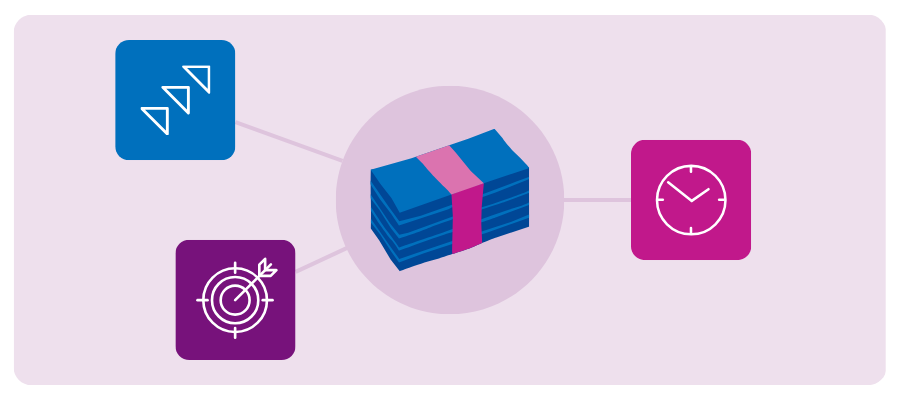
Delivering that level of accuracy means working from a single, trusted view of households, channels, and performance, powered by clean, connected, and continuously updated data.
“When you think about local, these aren’t enormous budgets. These businesses depend on success from day one and are still finding their footing. There’s a wealth of nuanced information we need to hear from advertisers to ensure their campaigns succeed, and a wealth of insights we need to deliver back. It’s a real-time matching problem at scale to make sure everything runs profitably for our customers.”
MadhiveAaron Brown, Chief Scientist
Why Experian data is the foundation of local planning
Data is the foundation of effective local advertising, but not all data is created equal. For local advertisers, the real advantage comes from high-quality, actionable data that pinpoints likely customers and reduces wasted spend.
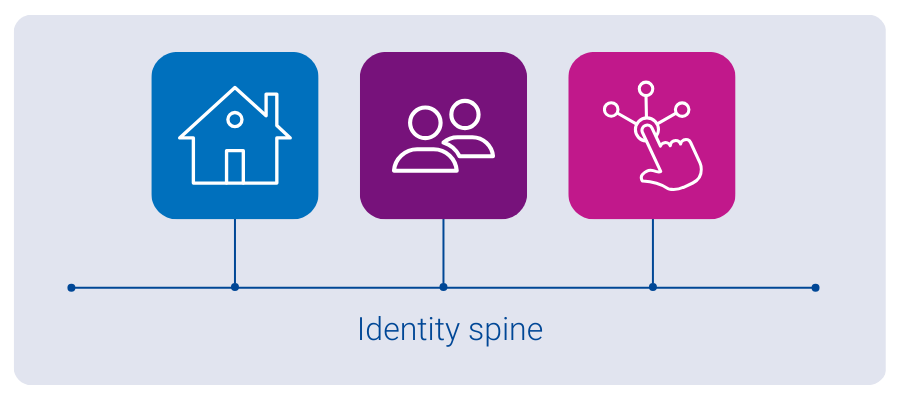
Experian Marketing Data provides the identity and insights spine that helps local advertisers:
- Identify the right households in each market
- Build consistent, people-based audiences across partners
- Activate with confidence and measure outcomes on the same foundation
Madhive’s data marketplace builds on this identity layer, curating trusted data sets that advertisers can integrate directly into planning and activation.
“We’re focused on creating perfect matches between businesses and consumers. The right data is critical, which is why we started the data marketplace. It’s a curated, opinionated take on the best data to drive outcomes for the companies that depend on us.”
MadhiveAaron Brown, Chief Scientist
Madhive’s Maverick AI at the core of local advertising
Madhive’s Maverick AI is the AI-powered operating system for local media. Built as a foundational layer behind Madhive’s entire workflow, Maverick AI connects the dots across planning, targeting, reporting, and storytelling. Its purpose is simple yet transformative: turn fragmented data and advertiser inputs into actionable insights at scale.
What makes Maverick AI different?
“Maverick AI exists to connect local advertisers with data like Experian’s. Its ability to collaborate and tell stories back to advertisers is one of its greatest strengths.”
MadhiveAaron Brown, Chief Scientist
How Maverick AI and Experian Marketing Data turn transparency into results
Maverick AI turns performance transparency into aligned plans and faster optimizations for local advertisers and agencies. Paired with Experian’s identity data, advertisers get an accurate, household-level view of real people in real locations. That lets them build consistent local audiences, reach those audiences across connected television (CTV), social, and the open web, and confidently tie ad exposure back to outcomes that matter in each market.

“Maverick AI is the foundational layer behind all our operations – targeting, reporting, and storytelling. It connects data across organizations and advertisers, including trusted data sources like Experian. AI works tirelessly to pick up context, connect the dots, and deliver great results end-to-end for our customers.”
MadhiveAaron Brown, Chief Scientist
Your next local campaign starts with Madhive and Experian

Local advertising performance starts with a trusted identity foundation. With Experian data and Madhive’s Maverick AI platform, local advertisers can define the right households once, activate their campaigns across CTV and digital channels, and measure outcomes with confidence. Many brands are increasing investment in AI-powered planning to cut waste and grow on-target reach. Let’s work together to make your next campaign a success.
Let’s solve your local advertising challenges today
About our experts

Aaron Brown
Chief Scientist, Madhive
Aaron Brown is Chief Scientist at Madhive, where he leads Mad Labs, the company’s advanced innovation division. With a background spanning mathematics, computer science, and law, Aaron specializes in applying complex technical and theoretical breakthroughs to real-world business challenges. Before joining Madhive, he worked at the machine learning startup Intelligent Life. A graduate of Boston University with degrees in Mathematics and Computer Science, he also holds a J.D. from the University of Southern Queensland and lives in New York City.

Ali Mack
VP of AdTech Sales, Experian
Ali Mack leads Experian’s AdTech business, overseeing global revenue across the company’sexpansivetech and media portfolio. With over a decade of experience in digital and TV advertising, Ali drives strategic growth by aligning sales, customer success, and solutions teams to deliver impactful outcomes for clients and partners.
She has successfully guided teams through two major acquisitions, integrating sales organizations and product portfolios into unified go-to-market strategies. Under her leadership, Experian has consistently exceeded revenue targets while fostering collaborative, results-driven teams and mentoring emerging leaders. Working closely with finance, product, and marketing, Ali develops strategies that support a diverse ecosystem of publishers, brands, and technology partners, positioning Experian at the forefront of data-driven advertising and identity resolution.
FAQs
Local advertisers face tight budgets, short timelines, and high pressure for results. They must reach the right households, tailor messaging, and optimize campaigns across zip codes. Experian’s data solutions and Madhive’s Maverick AI platform help overcome challenges like location targeting and data activation without losing signal.
Madhive’s Maverick AI platform centralizes operations, targeting, and reporting while enabling granular local planning at scale. It integrates Experian’s data to target households accurately, optimize campaigns across markets, and deliver measurable results, even for advertisers with limited budgets.
Madhive’s Maverick AI platform provides transparency and clear recommendations, aligning advertisers on goals. Experian’s data solutions further enhance this process by providing a unified view of audience behavior, ensuring campaigns remain cohesive and effective across all channels.
Latest posts

In our Ask the Expert Series, we interview leaders from our partner organizations who are helping to lead their brands to new heights in ad tech. Today’s interview is with Jordan Feivelson, VP, Digital Audiences at Webbula. Jordan is a 22-year advertising industry veteran who has worked for media properties such as WebMD and Disney. Over the past ten years, he has transitioned to the data and programmatic space, including growing the data business for Kantar Shopcom and Adstra. What types of advertisers might benefit from utilizing Webbula audiences across various verticals? Can you provide examples of how different industries successfully leverage your data to achieve specific campaign goals? Most advertisers can leverage Webbula’s award-winning attributes for their activation initiatives. Webbula offers approximately 3,000 syndicated segments covering categories such as Demographics, Automotive, Political, Mortgage, B2B, Hobby/Interest/Lifestyle, and Interests & Brand Preferences (brand name targeting). Audience insights and marketing strategies What specific types of audience segments does Webbula provide? How can advertisers leverage these segments to craft more effective, personalized marketing strategies? Webbula has incredible depth and breadth within its verticals, giving marketers the tools to deliver targeted messaging effectively. Our Demographic, B2B, Mortgage, Automotive, and Interest and Brand Preferences segments each contain 500-1,000 segments, all built on deterministic, self-reported, and individually linked data. We ensure the best accuracy with multiple deterministic data points tied to the real world (ex., first name, last name, postal address, and email address). Some examples of our unique syndicated audience types: B2B: A view of the latest industry trends with detailed cuts of the professional world, such as companies with and not within the Fortune 500 companies and job positions that are directors and below. This also includes custom capabilities, including ABM (list of target companies in an activation campaign or by industry code (ex. NAICS, SIC). Interest and Brand Preferences: Consumers who have shown interest and affinity to hundreds of brands (ex., Nike), genres (ex., comedy, hip hop), sports teams, and more. Mortgage: A detailed view of homebuyers’ purchase range, loan type (ex. jumbo loan, standard loan), mortgage amount, interest rate, and more. With Webbula’s audience data, brands can create a comprehensive picture of their audiences down to the individual level and reach them accurately. Data quality, sourcing, and differentiation How is consumer data sourced and curated at Webbula? Are there data quality standards that Webbula establishes for consumer data, and how do you ensure your sources and methods meet these standards consistently? Webbula’s data is aggregated from over 110 trusted and authenticated sources, including publishers, data partners, social media, and more. The data collected comes directly from consumers who self-report information through surveys and other methods. We apply our hygiene filters to mitigate fraud and accurately score the data. Data Collection: The data collected comes directly from consumers who self-report information through surveys, questionnaires, transactions, and sign-ups. This ensures that brands display ads to audiences based on self-identified, cross-channel behaviors, not modeled assumptions. Hygiene Solutions: Webbula applies multi-method hygiene solutions to mitigate fraud and accurately score the data before onboarding, ensuring that all data meets the highest quality standards. Examples of Data Sources: Questionnaires: Self-reported data through surveys, offer submissions, and telemarketing. Transactions: Deterministic data from aftermarket parts, online purchases or services, and more. Sign-ups: Individually linked data from information entered through sweepstakes, infomercials, newsletters, and forms. What differentiates Webbula's data from other data providers in the market? Can you explain the unique value proposition that Webbula offers in terms of data depth and breadth? Due to our extensive experience in data cleansing, we provide the most accurate data within the programmatic ecosystem. TruthSet, the leading programmatic accuracy measurement company, has ranked Webbula as having the highest number of top attributes compared to other data providers with 150M+ HEMs. Additionally, Publicis Groupe and Neutronian further validate Webbula's data quality, underscoring its position as a leader in the industry. Webbula's data stands out in the market due to its unmatched accuracy and quality, achieved through years of expertise in data cleansing. Unlike other providers, Webbula’s foundation lies in its robust email hygiene process, ensuring that all data entering the programmatic ecosystem is thoroughly cleansed. Privacy, compliance, and future-proofing What measures does Webbula take to maintain data privacy and compliance? How do these efforts benefit advertisers in an evolving regulatory landscape and ensure ethical standards? Webbula was created over a decade ago with a future-proof, privacy-compliant foundation. We understand the industry’s rapid changes, including government and state legislation and cookie depreciation. Our goal has always been to build long-term partnerships and ensure we are prepared for industry changes. We rely on validated offline data sources, making us resilient to external influences. Success stories Can you share success stories where advertisers saw significant campaign improvements using Webbula’s data? What were the key factors that contributed to these successes? Our success is measured by client feedback and increased client spend. Webbula has helped several key advertisers achieve six-figure monthly thresholds by providing the most accurate data to meet campaign KPIs. Clients consistently return to use our data, validating our belief that “the proof is in the pudding.” Thanks for the interview. Any recommendations for our readers if they want to learn more? For those interested in learning more about Webbula, reach out for a personalized consultation. Contact us Latest posts

Experian’s 2024 Holiday spending trends and insights report covers consumer spending trends for the holiday season.

In our Ask the Expert Series, we interview leaders from our partner organizations who are helping lead their brands to new heights in adtech. Today’s interview is with Georgia Campbell, Head of Strategic Partnerships at Kontext. What types of audiences does Kontext provide, and what are some top use cases for these insights in marketing strategies? Kontext leverages its 1st-party, deterministic shopping data to generate real-time online audiences. What sets Kontext apart is our ability to see the entire consumer journey, from shopping interest to intent and purchases, at a SKU-level. This comprehensive visibility allows us to create purchase-based audiences across various consumer verticals, such as frequent online shoppers, consumers shopping for beauty, segments using Mastercard, or Black Friday enthusiasts. Our data engine, built on a foundation of approximately 100 million consumer profiles and over 10 billion full-funnel, real-time shopping events, enables the creation of precise audience segments. This real-time 1st-party shopper data is invaluable for partners aiming to understand and engage with consumers more effectively. Whether a brand wants to activate past shoppers in a specific category or reach new audiences with a propensity to buy, Kontext provides the insights needed to make informed decisions. Some examples of audience types include these (and hundreds more): In-Market Shoppers: Consumers showing high intent to purchase specific categories, like skincare or electronics, based on recent online behavior. Past Purchasers: Shoppers who have made verified purchases within specific time frames, such as beauty products in the last 18 months. Frequent Shoppers: High-frequency buyers identified through repeated purchasing behaviors. Seasonal Shoppers: Consumers active during key shopping seasons, like Black Friday, Mother’s Day, Valentine's Day, etc Premium Buyers: Shoppers who used a premium CC (eg. Amex) and a higher AOV (average order value) Beauty Buyers: an audience that has indicated intent to purchase beauty products (deterministic past purchasers also avail) By using Kontext data, brands can identify the right audiences across multiple verticals, such as retail, CPG, health & wellness, auto, business, energy & utility, financial, and travel. Additionally, our collaboration with Experian allows further refinement of these audiences through layered data from specialty categories like demographics, lifestyle & interests, mobile location, and TV viewing habits. How is Kontext’s data sourced, and what differentiates it from other data providers? Kontext’s data is unique because it is deterministic, 1st-party, and collected as transactions occur. We capture the entire path-to-purchase, down to the SKU-level product detail, across 100 million consumer profiles and more than 10 billion real-time shopping events. Our proprietary technology, embedded in widgets across our 5 million premium online destinations, tracks the full consumer journey—from reading an article of interest to clicking on our dynamic commerce modules, adding items to cart, and completing purchases. This real-time data collection ensures there is no lag between digital events and their connection to consumer profiles. Unlike other providers, we do not aggregate data from multiple platforms; instead, we focus on building our models and insights based on authentic online consumer behavior. Our data stands out due to its: Deterministic Nature: We capture 1st-party data as transactions occur (all in real time) Full-Funnel Coverage: We capture consumer journeys from awareness to purchase, providing a complete view of consumer behavior. Real-Time Insights: Our data engine processes events in real-time, enabling timely and relevant marketing actions. How does Kontext ensure the accuracy and reliability of its audience data? Kontext ensures accuracy and reliability through our unique technology and direct data sourcing. By not aggregating data from other platforms, we maintain control over the quality and integrity of our insights. Our continuous investment in refining our models around online consumer behavior further enhances the precision of our audience data. What types of brands or verticals might resonate the most with Kontext audiences for activation? Any brand looking to understand and activate online shopping behavior – informed by 1st-party transaction data – will resonate with Kontext audiences. Essentially, any vertical that benefits from understanding real-time shopping behaviors, such as retail, health & wellness, auto, and financial services, will find our data invaluable. We have particularly strong insights in beauty, hair care, health & wellness, and values-based online shopping habits, as well as the food & beverage space. Retail & Consumer Goods: Leveraging shopping behavior data for targeted campaigns. Health & Wellness: Identifying consumers with specific health and wellness interests. Automotive: Targeting potential buyers of electric vehicles or eco-friendly products. Financial Services: Engaging high-value shoppers with premium credit card usage. And many more How does Kontext’s data help advertisers navigate the challenges posed by the deprecation of third-party cookies? As third-party cookies become less reliable, Kontext’s 1st-party data becomes invaluable. Our deterministic data engine, which does not rely on cookies, offers: Direct Consumer Insights: Accurate and consented data directly from consumer interactions. Privacy Compliance: Our data collection methods are fully compliant with privacy regulations, ensuring secure usage. Cross-Device Coverage: We use verified digital identifiers, allowing seamless unification and targeting across multiple devices. What measures does Kontext take to maintain data privacy and compliance, and how does this benefit advertisers? Data privacy and compliance are fundamental to Kontext. We meet or exceed all privacy compliance and security standards, ensuring that our data sourcing and usage are transparent and comply with regulations (CCPA, CPRA, VCDPA, etc). Kontext prioritizes data privacy and compliance through: Consented Data Collection: All data is collected with explicit consumer consent. Robust Security Protocols: Data is encrypted and secured with industry-leading practices. Compliance with Regulations: We adhere to global privacy laws, including GDPR and CCPA. User Control: Consumers have the ability to opt-out and manage their data preferences. Can you share success stories / use-cases where advertisers significantly improved their campaigns using Kontext’s data? To give you a sense of how Kontext data can be applied, here are two use-cases: Beauty Brand Campaign: An agency hoping to activate an audience of beauty purchasers for a Major Beauty Brand could utilize Kontext's custom audience of high-value beauty product purchasers. By targeting those consumers who had bought similar products in the last 12 months and had an average cart size of over $50, the campaign would significantly increase performance and ROAS. Electric Vehicle Launch: For a major auto manufacturer’s EV launch, Kontext could be used to identify eco-friendly consumers who had not yet purchased an EV but had shown interest in sustainable products. This precise targeting could lead to higher engagement and conversion rates for the campaign. Thanks for the interview. Any recommendations for our readers if they want to learn more? For those interested in learning more about Kontext, reach out for a personalized consultation. Contact us About our expert Georgia Campbell, Head of Strategic Partnerships, Kontext In her current role as Head of Strategic Partnerships at Kontext, Georgia plays a pivotal role in shaping the company's strategic direction within the data space. With a deep-seated expertise in leveraging data to drive impact for companies, Georgia has been forging key partnerships that enhance the effectiveness and reach of Kontext's offerings. Georgia comes from a background in emerging technology, where she has been focused on cultivating partnerships and employing data-driven approaches to spearhead market expansion efforts. She started her career in finance, managing investments across equity, debt, and alternative assets at Brown Advisory. In this Q&A, Georgia shares her insights on Kontext's Onboarding partnership with Experian, offering perspective on how Kontext's unique insights can unlock new opportunities for advertisers and brands alike. Latest posts