At A Glance
Advertisers are embracing CTV, data collaboration, and AI to deliver more personalized, efficient, and impactful campaigns, transforming living rooms into interactive hubs, utilizing creator-led programming, and streamlining workflows. At Cannes Lions 2025, industry leaders highlighted how privacy-first data practices, supply path optimization, and AI-powered tools are reshaping the advertising ecosystem - areas where Experian plays a key role in enabling trusted, measurable, and innovative outcomes.As artificial intelligence (AI), connected TV (CTV), and data collaboration continue to advance, advertisers are discovering new ways to meet audiences where they are; on their terms and in their spaces. These innovations are creating opportunities to deliver more personalized, impactful campaigns that were unimaginable just a few years ago. At Cannes Lions 2025, we sat down with industry leaders from Butler Till, Comcast Advertising, Index Exchange, IQVIA Digital, Optable, PMG, Samsung Ads, and Sports Innovation Lab.
From reimagining the living room experience to using AI in practice for better outcomes, here’s what we learned about the trends driving advertising forward.
1. CTV turns living rooms into active spaces
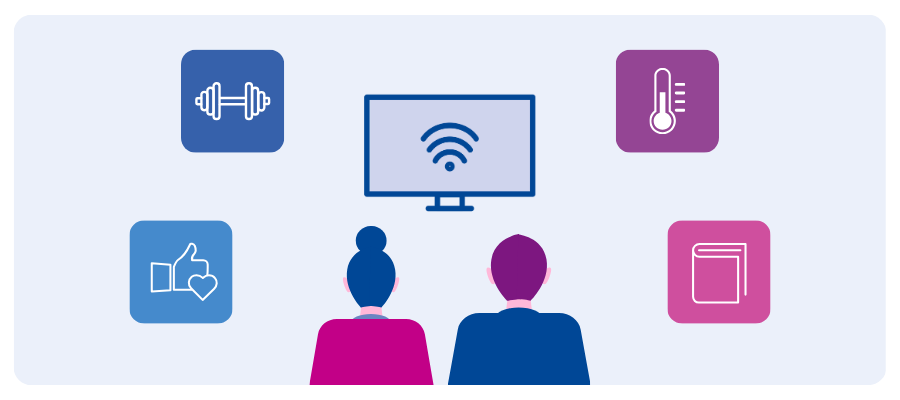
CTV has turned the living room into a hub of interaction, discovery, and commerce. Younger audiences are using their TVs like mobile devices; streaming, learning, and even controlling their homes. This shift is creating new opportunities for advertisers to deliver relevant, personalized experiences where audiences are already engaged. With premium content and interactive tools, the living room is no longer just a passive space, it’s where attention meets action, and where brands can connect with audiences in meaningful ways.
How Experian helps
With Experian, advertisers can connect first-party data with CTV IDs, ensuring accurate and measurable targeting while maintaining a privacy-first approach. That means brands reach viewers with messages that feel personal, without losing trust.
“We surveyed 1,000 smart TV owners and found that younger audiences are using their TVs like mobile devices. Two-thirds use them for social media, 40% for self-improvement like Coursera or TED Talks, and 25% for interactivity; controlling appliances or home temperatures. Interactivity with connected TVs is skyrocketing.”
Samsung Ads Justin Evans
2. Creators build stronger connections with audiences
Creators are no longer limited to social media; they are now a driving force in CTV. Creator led programming is capturing attention and driving post view actions, offering advertisers a unique way to connect with passionate, engaged audiences. By thinking of creators as “micro networks” with built in communities, advertisers can meet fans where they already gather and deliver authentic, impactful messages that resonate.

How Experian helps
Experian helps advertisers tap into the creator economy by identifying topical audiences that align with influencer niches—like food, travel, gaming and entertainment—and activating them across the open web. Through Audigent’s integration with DV360, brands can pair Experian’s expansive audience targeting capabilities with Audigent’s Curated Deals to reach engaged viewers in creator-led environments. This approach ensures ads appear where audiences are most receptive, enhancing relevance and performance.
“The creator economy is moving into TV. It’s incredible to see social influencers, once dominant on platforms, now creating high quality content for streaming, networks, and more.”
Butler/TillGina Whelehan
3. Data collaboration that drives better results
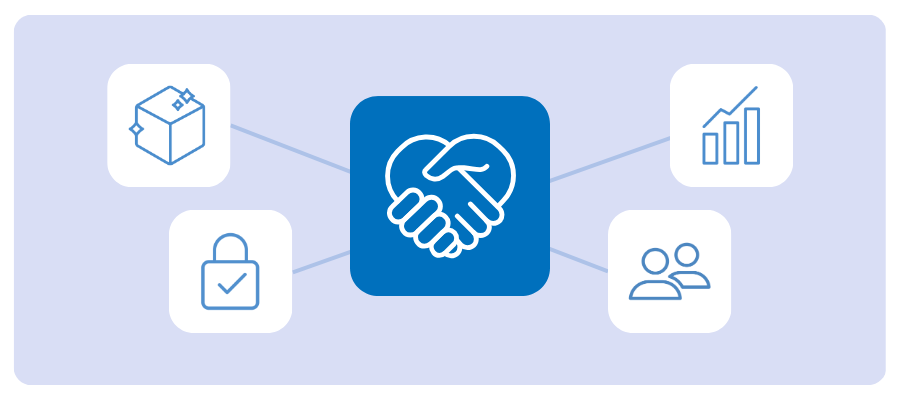
Advertisers rely on data to reach the right audiences, but privacy concerns are reshaping how it’s collected, shared, and used. Data collaboration enables brands to combine multiple data sets (like first-party data and syndicated audiences) to improve planning, activation, and measurement. While privacy remains a priority, the focus is on creating actionable insights that drive better results and build trust with consumers. By focusing on consented, privacy safe identity solutions, advertisers can achieve better outcomes while respecting consumer privacy; a win-win for brands and audiences alike.
How Experian helps
Experian’s privacy-first approach ensures that all data activation occurs with compliance and consent. By maintaining high match rates, offering flexible collaboration options (including clean rooms, first-party data onboarding, and syndicated audiences) and adhering to transparent methodologies, Experian facilitates seamless collaboration between brands, publishers, and platforms. This helps build trust and strengthen long-term connections with audiences.
“The area we’re most excited about is identity resolution on the publisher side. Publishers can reinsert signal and create better results for advertisers. This wasn’t always well-articulated, but today we have case studies proving publishers can help improve outcomes.”
OptableVlad Stesin
4. Optimizing supply paths for better outcomes
Supply path optimization (SPO) helps advertisers improve campaign efficiency by increasing viewability and reducing waste. Supply-side decisioning builds on this by identifying the audiences advertisers want to reach, the content those audiences consume, and the publishers with the most relevant inventory. Together, these strategies create a more intelligent and efficient ecosystem, ensuring ads are delivered in the right context, to the right people, on the right platforms.

How Experian helps
Experian’s data solutions, including both Experian’s and Audigent’s contextual and identity capabilities, are available across sell-side (SSPs) and buy-side (DSPs) platforms, enabling smarter decision-making throughout the media supply chain. Audigent’s direct integrations with publishers provide an unfiltered view into available inventory, offering deeper insights that inform campaign optimization. These insights can be activated in real time and transacted within advertisers’ existing buying platforms.
By powering real-time intelligence across the ecosystem, from advertisers to DSPs, SSPs, and publishers, Experian and Audigent help drive better outcomes, more efficient media spend, and greater value for all participants.
“Sell-side decisioning activates the intelligence of the exchange, along with partners like Experian, to optimize auctions in real time. This helps pre-decision buys that flow to the DSPs, making the buying process smarter, more efficient, and ultimately driving better value for marketers and publishers.”
Index ExchangeMike McNeeley
5. AI that streamlines agency workflows

AI is a practical tool that agencies are using to streamline workflows and deliver better results. From planning and pacing to creative iteration, AI is helping teams move faster and smarter. In fact, 67% of global marketing and communications professionals now use AI for content creation frequently or all the time, underscoring its role in modern workflows. The key is to think of AI as a navigator, not a replacement. It handles repetitive tasks, freeing up teams to focus on strategy and creativity, while enabling faster tests, fewer dead ends, and better client clarity.
How Experian helps
Experian uses AI and machine learning to deliver highly personalized marketing solutions. In our Digital Graph, advanced clustering algorithms analyze household and individual device connections, improving targeting and measurement accuracy. We also use AI powered audience recommendations to create tailored audience solutions for clients. Our contextual data models, powered by Audigent’s contextual engine, further improve this process by analyzing bidstream traffic in real time, ensuring audiences are aligned with the most relevant inventory.
“We’ve extended our platform with Marketplace, which lets us integrate third-party partners, new tech, and data seamlessly into activation. Clients are asking for this level of innovation, especially with the speed at which AI is evolving and transforming what’s possible in marketing.”
PMGSam Bloom
Connecting the dots: Data, creativity, and outcomes
The common thread across these insights is how we connect with audiences, collaborate on data, and create meaningful outcomes. By reimagining the living room experience and utilizing AI and creator-led programming, brands are embracing innovation.
How Experian helps
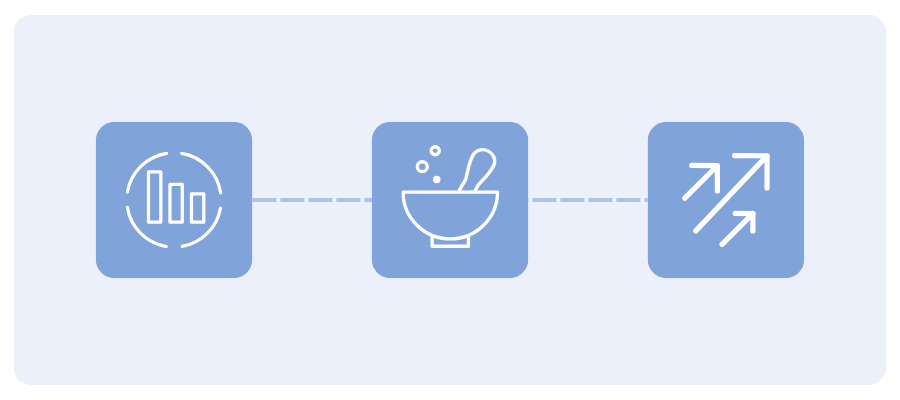
Experian helps you build privacy-first identity foundations, collaborate seamlessly, optimize supply paths, streamline with AI, and connect through creators.
Let’s start a conversation
FAQs
CTV brings premium, interactive streaming to the largest screen at home, allowing brands to reach engaged viewers with measurable, personalized experiences.
It’s the consented, secure use of first-party and partner data (often via clean rooms) to improve planning, activation, and measurement without exposing raw consumer data.
SPO streamlines the path from advertiser to publisher, reducing waste and improving quality. Sell-side decisioning adds real-time intelligence to the exchange, delivering the proper context and audience more efficiently.
Creator-led programming functions like “micro networks” with built-in communities, helping brands show up where fans are already engaged and ready to act.
Viewers use TVs like mobile devices, discovering content, learning, shopping, and interacting; advertisers can meet their intent and drive post-view actions.
Latest posts

Conventional TV advertising campaigns have historically relied on general audience metrics like impressions and ratings to measure outcomes. These metrics can help marketers understand how many people have seen an ad, but they don’t reveal its real-world impact, which leaves a gap between ad exposure and results. Outcome-based TV measurement bridges this gap and helps marketers tie ad spending directly to their business goals. Instead of counting eyeballs alone, TV measurement zeroes in on what viewers do after seeing an ad — whether signing up for a service, visiting your website, or purchasing a product. TV ad measurement helps marketers adjust campaigns based on clear, trackable outcomes rather than guesswork. Let’s talk about how marketers can get started with outcome-based TV measurement and start experiencing tangible results. Why outcome-based TV measurement matters Outcome-based measurement indicates a massive shift in how marketers evaluate TV advertising success. As a principal analyst at Forrester explained, the industry is about to “move into a whole different world" where multiple metrics are tailored to advertisers’ unique goals, such as sales, store traffic, or web engagement. This shift is driven by improved tools for tracking TV outcomes, which help justify spending and clarify ROI. With TV measurement, you can see how your campaigns impact aspects of your marketing like sales and engagement. Aligning TV ad spend with business goals Every business has distinct objectives. Outcome-based measurement ties your marketing efforts to business goals and enables smarter decisions, campaign optimization, and ROI improvements. Whether you're a B2C brand wanting immediate sales or a B2B organization looking to drive website traffic, this method provides the insights needed for strategic decision-making. Marketers can deliver the most value by adjusting TV ad spending to maximize desired results: Sales goals: Identify which ads and platforms directly influence purchases to ensure TV ad spend contributes to revenue growth. Customer engagement: Link actions like website visits or app downloads to TV campaigns and refine messaging to deepen audience connections. Desired outcomes: Align ad spend with goals like consumer awareness or repeat purchases to allocate resources effectively for measurable success. Reducing wasted spend on ineffective channels Outcome-based TV measurement allows you to pinpoint which networks, times, or programs drive the most engagement and conversion. When you know your underperforming channels, you can reallocate budgets to those with a higher ROI and avoid waste. Core metrics in outcome-based TV measurement The effective implementation of outcome-based measurement requires advanced TV advertising analytics and tracking metrics that shed light on TV ad performance. Incremental lift This metric measures the increase in desired actions and business results — like purchases or site visits — that can be attributed directly to a TV campaign. Incremental lift quantifies your campaign’s impact and separates organic activity from the results your ads have driven. Let’s say a meal kit service experiences a 20% lift in subscriptions within a single week of running TV ads compared to a week without ads. They’d want to be able to isolate the impact of their ad from their organic growth so they can determine if the growth is actually a result of the TV ads or another effort. Attribution and conversions Attribution links TV ad exposure to specific customer actions, such as newsletter sign-ups and product purchases. Conversion data helps marketers understand the whole customer journey to optimize messaging, targeting, and channel mix to improve conversion rates. A retailer that knows 50% of TV ad viewers visit its e-commerce site within 36 hours of exposure could use that information to adjust the timing of its retargeting and align with site visit spikes. Audience segmentation for targeted measurement Outcome-based measurement breaks down performance across target demographics and allows for granular audience segmentation so TV ads resonate with the right audiences. For example, if a luxury brand saw better TV ad performance with high-earning Millennials, they’d want to refine their campaign messaging based on this group’s habits and preferences. Customer journey tracking Knowing how viewers move from awareness to conversion is critical. Outcome-based TV measurement helps you track the customer journey by pinpointing touchpoints where engagement happens and tying these to your TV campaigns. If a fitness brand found that TV campaigns drive app downloads, it could combine app analytics and TV exposure data to find out when most of their conversions happen after ad exposure and create follow-up messaging for that window of time. Integrating these insights with other marketing channels allows you to fine-tune your messaging, channel mix, and audience targeting to drive better outcomes and deliver more personalized customer experiences. Lifetime value (LTV) Beyond immediate conversions, outcome-based TV ad measurement helps brands identify which TV campaigns attract high-value customers with long-term revenue potential. If a financial institution ran a TV ad campaign centered on its new credit card, for instance, it could use LTV to track new cardholders and determine whether ads occurring during financial news airtime produced customers with higher average annual spend compared to other segments. How outcome-based TV measurement works Outcome-based measurement is a data-driven process that involves collecting, analyzing, and applying insights to improve TV ad performance. 1. Collect data When someone sees your TV ad, they might take action, like downloading your app or buying something. Outcome-based TV measurement begins by tracking these actions and gathering data from various sources, such as: TV viewership CRM Digital engagement Purchase behavior Cross-platform interactions And more Data integration with digital platforms Combining TV data with insights from platforms like social media or website analytics creates a more unified view of campaign performance. This integration powers easier retargeting and better alignment between digital and TV advertising strategies. Some marketers enhance this integration further using artificial intelligence (AI) to streamline data coordination and ensure campaigns are optimized for effectiveness and ROI. 2. Connect the dots Next, marketers need to find out which actions were influenced by TV ads. It’s important to ask questions like these as you work to connect the dots: Did website traffic spike right after the ad aired? Did the ad viewers match the people who signed up for the service or made a purchase? You can link TV exposure to real-world behaviors with tools and identifiers like hashed emails, device IDs, surveys, and privacy-safe data-matching techniques. 3. Analyze the data Then, the data needs to be analyzed for patterns like these: Which TV ads or time slots drove the most engagement? Did certain customer groups respond better than others? Was there a noticeable lift in sales or signups after the ad campaign? This step can help you uncover what’s working and what’s not. Role of advanced analytics and machine learning The data analysis required in this process can be overwhelming, time-consuming, and risky without the right tools. Fortunately, advanced analytics and fast, effective artificial intelligence tools can process large amounts of data from digital platforms, TV viewership, and customer interactions in less time to reveal accurate, actionable insights and patterns. They can also predict which audiences, messages, and channels will be most profitable so campaigns can adapt in real time, whether by reallocating spend to higher-performing channels or refining audience targeting. 4. Turn insights into action Once you have your data-derived insights, you can tweak your campaign in a number of ways, whether you decide to: Adjust your ads: If one message works better than another, lean into it. Refine your targeting: Focus on the audience segments most likely to act. Optimize your spend: Invest in channels or times that deliver the best return. For example, if you see that ads during prime time lead to more purchases than morning slots, you can shift your budget accordingly. This type of knowledge can be used to continuously improve your campaigns. Each time you run a new ad, you measure again, building on past insights to make your outcome-based TV advertising even smarter. Applications of outcome-based TV measurement Outcome-based TV measurement has wide-ranging applications across industries. Here’s how it’s helping businesses link TV ad exposure to real-world actions and optimize campaigns for better results. E-commerce and retail: Retailers can track how TV ads influence purchases and use those insights to refine their assets and target specific customer groups. A clothing retailer may track how well a TV ad boosts online traffic and in-store purchases. For instance, if a seasonal sale commercial correlates with a spike in website visits or mobile app downloads, the brand can refine its ad placement to focus on the most responsive demographics. Automotive: Automakers use outcome-based TV measurement insights to determine how ads drive dealership visits, test drives, or inquiries. A car manufacturer could analyze whether TV spots featuring a new vehicle increase traffic to its dealership locator or car configuration tool online. Healthcare: Pharmaceutical companies could assess whether TV spots lead to increased prescription fills, or a health provider could test how ads promoting flu shots result in appointment bookings through its website or app. If any messages resonate more with families, the provider can create similar campaigns for the future. How Experian enhances outcome-based TV measurement Experian has recently partnered with EDO, an outcomes-based measurement provider, to offer more granular TV measurement across platforms. Our identity resolution and matching capabilities enhance EDO’s IdentitySpine™ solution with rich consumer data, including age, gender, and household income, all in a privacy-centric way. Integrating these demographic attributes is helping advertisers achieve more precise audience insights and connect their first-party data to actionable outcomes. As a result of this collaboration, brands, agencies, and networks can optimize their TV campaigns by identifying which ads drive the most decisive engagement among specific audience segments. We’re improving accuracy, targeting, and more so advertisers can maximize the performance of their CTV strategies. Get in touch with Experian’s TV experts If you’re ready to take your data-driven TV advertising strategies to the next level, connect with our team. We combine advanced data and identity solutions as well as strong industry collaborations to help brands optimize their TV campaigns. Whether you're navigating traditional or advanced TV formats, our expertise ensures your efforts deliver maximum impact. Connect with us today to drive engagement, connect with audiences, and achieve better ROI. Let’s transform the way you measure success on TV. Reach out to our TV experts Contact us Latest posts

Advertising today is more complex than ever. Consumers demand personalized, relevant experiences from brands, making it increasingly challenging to meet expectations without external support. Businesses must work with publishers, retailers, and platforms to thrive, using these partnerships for data insights that refine their strategies and fuel growth. We spoke with industry leaders from Ampersand, AppsFlyer, Audigent, Comcast Advertising, Fox, ID5, and Snowflake to gather insights on how strategic collaboration can expand audience reach, improve targeting precision, and drive measurable advertising success. 1. Expand your reach with strategic collaborations Gone are the days when brands relied solely on third-party data. By linking their first-party insights with equally valuable data from partners, brands develop a far more comprehensive understanding of their audiences. This collaborative approach creates richer audience profiles, improves targeting, and enhances campaign performance. Partnerships also create opportunities for operational efficiencies. For instance, brands that share data and expertise with collaborators can expand their audience reach without overhauling existing systems. These collaborations allow marketers to work smarter, turning shared knowledge into strategic wins. "Partnerships are everything. We can't fulfill our goals on the sale side, marketers can't fulfill their goals of finding their audience where they need to reach them and with the right level of outcomes without partnering together. Why? Because each of them has their own line of sight to the data that they have access to and the data that they know best."Justin Rosen, Ampersand 2. Identify the right partnership model Choosing the right partnership model is key to achieving your business objectives. For some, pairing first-party data with publishers' insights creates better targeting. For others, aligning with complementary brands allows them to engage shared audiences. For large-scale efforts, agencies can unify collaboration frameworks, making onboarding and activation seamless. Meanwhile, emerging categories like FinTech, hospitality, and commerce media provide brands new avenues for impactful partnerships. Evaluating these options thoroughly will ensure your collaboration aligns with long-term marketing goals. "With first-party data being really the central point of signal today, we see more and more of our advertisers identifying partnerships with maybe potentially historical competitors or partners they would've never considered."Tami Harrigan, AppsFlyer 3. Utilize the power of pooled insights Combining various data sources, like CRM records, browsing behavior, and shopping receipts, creates an in-depth view of your customers. By understanding what motivates consumers at every stage of their journey, brands can better tailor messaging and funnel marketing spend to where it matters most. This approach also enables data-driven agility. Real-time insights help brands make informed adjustments, whether it’s shifting strategies mid-campaign or identifying new growth opportunities. When brands share data responsibly, the results are campaigns that resonate and deliver measurable improvements. "A lot of advertisers have gotten smarter about their data than they were just two, three years ago. They’re now doing that segmentation on their side with their data and bringing that to Fox and saying, ‘Look, match this segment against your entire user base.’ In order to do that, we can work with providers like Experian, or with data clean rooms to really bring that data and do a direct match without going through a third party."Darren Sherriff, Fox 4. Adopt the right tools and technology The right tools empower a collaborative data ecosystem. Solutions like data clean rooms ensure privacy-first data matching and measurement. Identity frameworks, such as Unified ID 2.0 (UID2) or ID5, enable secure data alignment across platforms, simplifying audience targeting while safeguarding sensitive information. Shared dashboards are another crucial tool, providing all collaborators with clear, co-owned performance metrics. Yet, while technology is an enabler, success ultimately depends on how well tools align with each partner’s goals and build trust within the collaboration. “You have to make it accessible to non-technical personas and you have to have the ability to have it stood up and pay dividends in a short amount of time. The other thing is interoperability. We very much think as an industry we need to have interoperability with clean rooms, ones that operate on different frameworks.” David Wells, Snowflake 5. Overcome barriers to collaboration Collaboration often faces obstacles, like differing goals, fragmented data, or resource gaps. Brands can tackle these issues by aligning stakeholders on clear KPIs, standardizing data-sharing practices, and selecting tools that integrate smoothly with existing systems. Breaking down barriers early fosters fluid cooperation and improves outcomes for everyone involved. When goals, tools, and resources are in sync, these partnerships deliver lasting value and stronger results. “The key is to bring together data assets and work collaboratively to address fragmentation. The way to solve that is with more interoperability and connect the data in very privacy-safe ways, offering more opportunity to reach high fidelity audiences and incorporate better measurement methodologies.”Carmela Fournier, Comcast Advertising The path to growth through partnership Those who prioritize collaboration will outrun the competition and drive sustainable growth through smarter, more connected advertising. By choosing the right models, using powerful technology, and addressing potential obstacles, brands can co-create campaigns that resonate deeply with their audiences. Connect with our experts Latest posts

RampUp 2025 brought together some of the smartest minds in AdTech to talk about the future of our industry. I had the opportunity to ask attendees key questions about AI, data collaboration, and the challenges they wish they could solve instantly. Here’s what they had to say. Watch my interviews here AI is everywhere in ads—How is it changing things? AI’s influence on advertising is undeniable, and industry leaders at RampUp 2025 emphasized how it is transforming the way data is used across marketing workflows. The increasing presence of Generative AI like ChatGPT is making it easier to stitch together data from various sources and act on insights, helping marketers execute campaigns with more efficiency. AI is no longer just about automation; it is now deeply embedded in audience building, personalization, and measurement, enabling marketers to optimize every step of the customer journey. What’s the one AdTech headache you’d fix forever? AdTech leaders agreed that some industry challenges have lingered for too long. Many expressed frustrations with the ongoing conversation about unifying cross-screen targeting and measurement. While the technology exists, aligning business priorities remains a roadblock. Others highlighted issues like the complexity of billing and reporting, which still needs to be faster and more reliable. There was also a strong push to educate brand marketers on the continued impact of offline media, such as billboards, and how data-driven strategies can enhance the effectiveness of out-of-home advertising. Beyond these operational challenges, another recurring theme was the increasing importance of identity as the backbone of effective advertising. While brands are focused on collecting first-party data, the true challenge lies in activating that data at scale. Without a strong identity resolution strategy, first-party data alone is not enough to create meaningful audience connections across multiple platforms and devices. What's one AdTech tool or strategy you can’t live without? When it comes to must-have tools and strategies, data collaboration and clean rooms emerged as essential. These solutions help companies, agencies, and publishers work together seamlessly while maintaining security and efficiency. Another key strategy discussed was traffic shaping, which allows advertisers to push activation closer to publishers, reducing data leakage and improving overall performance. Both of these approaches are critical for advertisers aiming to scale. However, as brands continue to seek more flexibility and efficiency, the conversation at RampUp expanded beyond individual tools toward a broader industry transformation. Interoperability has become a top priority, with brands, platforms, and data providers focused on ensuring seamless connectivity across clean rooms, customer data platforms (CDPs), and activation partners. The days of being locked into a single walled garden are over—the future is about data portability. "RampUp made it clear that the industry is shifting toward curated, interoperable, and always-on identity solutions—and Experian is perfectly positioned to lead this next phase of growth."Suzanna Stevens, Sr. Enterprise Partnerships Manager This shift is also driving changes in how brands manage identity. Rather than relying on one-off data onboarding, companies are increasingly adopting subscription-based identity solutions that provide an always-on, continuously refreshed identity graph. This model ensures that brands have up-to-date customer profiles while reducing inefficiencies associated with batch processing. What privacy regulations should marketers be watching? Privacy remains one of the most pressing concerns in AdTech, and industry experts highlighted the need for a better approach to regulation. Consent management was identified as a major priority since it is fluid and directly impacts how marketers engage with consumers. There was also a strong sentiment that the current state-by-state approach to privacy regulation in the U.S. is unsustainable. Instead, the industry would benefit from a national framework that simplifies compliance and ensures more consistent data governance across all states. Final thoughts from RampUp 2025 RampUp 2025 showcased the rapid shifts happening in AdTech, from AI-driven efficiencies to the growing importance of data collaboration and privacy-first strategies. As the industry works to solve long-standing challenges, such as unification and regulatory fragmentation, innovation continues to drive new opportunities. Experian remains committed to helping advertisers and marketers navigate these changes by enabling smarter, more connected, and privacy-conscious advertising solutions. We’re excited to see how these themes evolve throughout the year and look forward to collaborating with our partners to shape the future of digital advertising. Follow us on LinkedIn or sign up for our email newsletter for more insights on the latest industry trends and data-driven marketing strategies. Contact us Latest posts