Address Validation
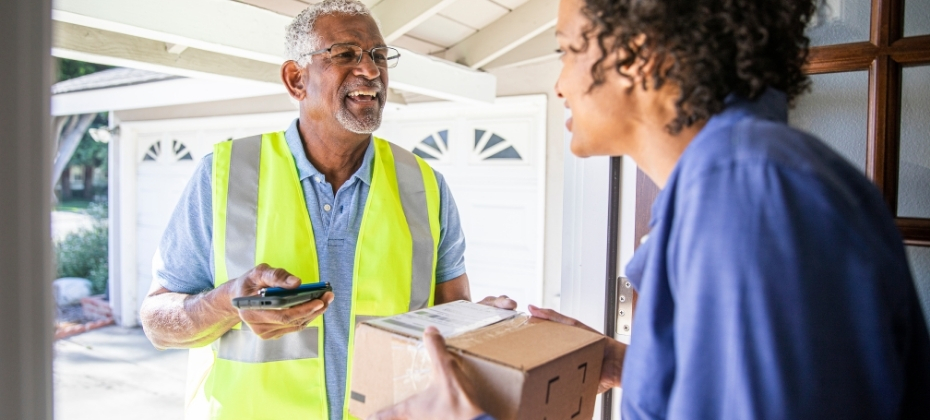
Discover how validated address data minimizes shipping costs, prevents delivery delays, and improves ecommerce operations.

A lot goes into confirming that an address is valid. For the United States Postal Service® (USPS), there are several pieces of information needed to verify an address. When you use address validation software, it checks the information entered against USPS’s database and requirements. A couple of terms to know when it comes to address validation are CASS™ and Delivery Point Validation® (DPV). The Coding Accuracy Support System, or CASS, is a certification process used by USPS to evaluate the accuracy of address correction and matching software Delivery point validation, or DPV, which is one of the USPS-sourced files included in CASS data, is used to check the status of a specific address within the United States. What is CASS certification? According to the USPS, "The CASS™ (Coding Accuracy Support System) software certification program provides hardware and software developers, service bureaus, and commercial mailers a common measure by which to test the quality of address-matching software." Software that meets these standards can earn CASS certification, helping mailers qualify for USPS mailing discounts by improving address accuracy and reducing the amount of manual processing required by the Postal Service. Using CASS-certified software to validate addresses can help organizations qualify for discounted USPS mailing rates. As a CASS-certified vendor, Experian's data quality solutions cleanse, verify, standardize, and validate addresses before matching them against USPS CASS requirements. This helps improve address quality, reduce undeliverable mail, and enable customers to take advantage of available USPS mailing discounts. CASS processing Each software provider has its own unique processes, but some are standard for all CASS processing. First, address standardization is necessary to organize the list of addresses and bring them in compliance with the standards of USPS. The address is put in the correct format with the right abbreviations. The system will correct spelling errors and other mistakes with CASS address correction software. The next step is to update any addresses that may have changed. This step is separate from comparing addresses to the NCOA for businesses, which is the national database for forwarding addresses when someone moves. Updating changed addresses with Locatable Address Conversion SystemLINK (LACS) means that any changes to that address format will be recorded, regardless of who lives at that location. Address validation is the third step in all CASS processing. This stage determines if the address is real. It not only checks that the address is a real location, but it validates that it is in use. What are the requirements to be CASS certified? CASS data is comprised of the following USPS sourced products and files: 5-digit ZIP coding Zone Improvement Plan (ZIP) code (length: 5 digits) - Postal code system used by USPS. (Length: 5 digits) ZIP + 4 Extension of a ZIP code which determines a more precise location within the ZIP. (Length: 4 bytes) eLOT Enhanced line of travel allows mailers to sort their mailings in approximate carrier-casing sequence. Extended LOT allows mailers to sort their mailings in approximate carrier-casing sequence. Once data has been processed through a CASS-certified product, a CASS Summary Report can be generated. This report contains information about the condition of the original addresses and how the addresses have changed since cleaning. It is required where USPS mailing discounts are sought. Providers that are CASS-certified must support specific tools: Delivery point coding (DPC): Delivery Point Code (length: 2 bytes). This field contains the last two digits of the house/box number, or if the match is made to a high-rise record, the secondary unit number representing the delivery point information to form the 11-digit or delivery point barcode (DPBC). Possible values: “00” through “99” or spaces. (Length: 2 bytes). Suite: The Suite dataset returns information about changes made to an address following comparison with the USPS Suite data. A 'Y' indicates a Suite match, where secondary information is automatically appended to the output address. An ‘N’ indicates no match. A blank indicates that no lookup was performed Carrier route coding: Code assigned by the USPS to a group of addresses to aid mail delivery within a ZIP code. Consists of a carrier route type and carrier route code (Length: 4 bytes). For example, “C001”. LACS: Locatable Address Conversion System is a dataset provided to allow addresses that have been converted due to USPS changes or for 911 emergency systems to be linked with their new address. What is USPS Delivery Point Validation™ (DPV?) DPV is another dataset used for address verification. The actual process for DPV uses the ZIP+4 to validate whether the address has verifiable primary and secondary mailing information. This is different from standard address validation because its purpose is to tell the user whether the address exists—not just that it’s in the postal database. Experian offers a DPV Confirmation Indicator in our address validation services which allows customers to verify that mail has been delivered to the address entered within the last two months. This is important as packages shipped to bad addresses can lead to several losses for the business: Returned mail and postage costs Time spent contacting the customer to alert them of delays Downturns in customer satisfaction For marketing campaigns, there is not only a loss of postage but also decreased customer retention due to poor communication and brand perception. By validating an address against DPV data, you can avoid the costs associated with shipping to inaccurate addresses. How do businesses benefit from CASS-certified mail software? Using CASS-certified software, including DPV Confirmation, offers your business considerable cost savings for mailing and shipping. When you use a CASS-certified address verification software, you not only qualify for mailing discounts through the USPS, but you also significantly reduce costs for returned mail or poor customer experiences by confirming the accuracy of the addresses to which you send. CASS processes provide numerous benefits to businesses for address verification: They ensure more accurate addresses for faster delivery CASS processes help keep the database organized and cleaned up You avoid returned mail, which costs money and prevents you from reaching your intended recipients These processes allow for work sharing or sorting bulk mail yourself to get a discount on the cost of postage What makes Experian CASS-certified? CASS certification requirements change as needed, and vendors like Experian must stay up to date with the latest rules. They must use software that meets minimum requirements for accuracy. This may include the following: Validation for five-digit ZIP Code Matches ZIP+4 to the five-digit codes Coding for carrier routes, which group addresses with the same ZIP code to improve efficiency LACS matches rural addresses to city addresses for 911 conversions RDI to verify if an address is a residence or commercial space DPV confirms that the address truly exists, and mail can be delivered eLOT, which puts mail in descending or ascending order to follow the order the mail will be delivered DPC, which is a unique identifier for each address How do I know if a vendor is CASS certified? Experian address verification tools are all CASS certified based on the latest requirements. You will also find tools for international address validation, so you can ship to your global customers. Connect with our data quality experts to learn more
Whether you need to enter your address online to make a purchase or provide your zip code when verifying your identity on the phone, you’re more than likely to sound off a combination of five different digits. But, if you pay attention to the address labels affixed to the miscellaneous items you receive in your mailbox on any given day, you’ll notice that your address has now transformed into a nine-digit number with an added 4-digit extension. This is referred to as your ZIP+4 code. What impact do ZIP+4 codes have on your business? In this article, we’ll cover why these additional zip code digits exist, why they matter, and how an address validation service can help you get started. What are ZIP+4 Codes and why do we have them? Let’s breakdown a 9 digit zip code and what these different numeric values mean for an address: The first 5 digits: The beginning of a zip code, or the 5 digits we are traditionally accustomed to using, refer to the specific delivery area of the country of a given address. The final 4 digits: ZIP+4 codes include an addition 4 digits that identify and tell the postal carrier the geographical segment present within a zip code delivery area. It’s important to note that the ZIP+4 codes are only appended to the original 5-digit USPS® Zip Code after the address has been validated and standardized. Why do these added 4 digits matter? These additional appended numbers help to ensure the quickest and most accurate mailing process possible. While only the first 5 digits of a zip code are required to send mail, you’ll find that your customers can enjoy expedited delivery time stemming from the specific geographical information translated by a ZIP+4 code. ZIP+4 Codes and How Experian improves address verification ZIP + 4® verification software verifies US addresses down to their USPS® 9 digit ZIP code™. When performing address verification with a ZIP + 4®, the user can pinpoint an address down to a few block radius. Although many people do not know their ZIP + 4®, Experian's address verification software adds the ZIP + 4® to every recognized address. This helps to ensure delivery, hence saving time and money. Zip + 4® verification software works both on the front-end and the back-end. On the front-end, the ZIP + 4® will be added upon entering the address. Meanwhile, with back-end address correction software, the ZIP + 4® will either be added or corrected for all existing addresses. What ZIP+4 means for your business If you’re accustomed to using solely a 5-digit zip code, you’ll miss out on the numerous benefits enjoyed by businesses who leverage a ZIP+4 system, including: 1. Quicker deliveries As noted above, the additional specified information offered by a ZIP+4 code means faster delivery for your customers. The extra information supplied traditionally reduced processing time at mailing centers, which means that a package arrives to the consumer quicker. 2. Deliveracy accuracy Whenever postal carriers have access to more information, the likelihood of a package or piece of mail landing in the proper mailbox significantly increases. The correct ZIP+4 decreases the number of times a piece of mail is handled, too. This means that misdelivery or error is significantly reduced as a result. 3. Access to updated information Since ZIP+4 codes are based on delivery routes, this information can change as frequently as once every two months. Fortunately, this is where an automated address validation software will come in handy and allow you to stay on top of updated and accurate user data. 4. Reduced costs Anytime mail gets sent to the wrong address, your business may take on the costs associated with: Initial shipment costs Product replacement Reshipment Implementing a ZIP+4 code system into your business’s system of labeling and processing packages will serve as a preventative measure that safeguards your business against lost revenue associated with incorrectly delivered mail. 5. Increased customer satisfaction rates In today’s digital-forward society, online purchases have become a part of most individuals’ everyday routine. This means that now, more than ever, your clients expect a seamless shopping experience. The expectation for fast and accurate delivery is at an all-time high. With ZIP+4 codes, your customers will enjoy faster delivery with a reduced chance of undelivered mail. For your business, this means satisfied customers who are happy to do repeat business with your company. Improve address accuracy with Experian Experian helps businesses validate and standardize addresses, including appending the correct ZIP+4® code for recognized U.S. addresses. The result is cleaner customer data, fewer delivery issues, and a better customer experience. Ready to improve your address data? Learn how Experian can help your business verify addresses and improve deliverability. Fill out the form to learn more:

Learn how address verification improves mail and package delivery by ensuring accurate addresses for USPS, FedEx, and UPS shipments.

Learn how to choose the best address verification software to improve data quality, reduce delivery errors, and maximize your business ROI.

What’s happening in the world of contact data verification? Why is it important? And what should you be looking out for? When address validation first became a product, the focus was on increasing the effectiveness of direct mail campaigns and ensuring delivery of important account notifications and legal documents. But times have changed and while these are still important reasons for employing an address validation solution, there are now even more reasons and benefits. Address validation enables eCommerce With the advent and rapid growth of eCommerce, the capacity of carrier services to deliver packages within a short timespan became stretched and the services offered were too limited to meet all needs. This created the need for third-party logistics companies and greater use of traditional business carriers, such as UPS and FedEx, for residential deliveries. In turn, these alternatives often charge fees returning undeliverable mail or to correct inaccurate mailing addresses. In recent years, these fees have become substantial, and vendors are turning to address validation to help reduce or avoid such charges. Originally viewed as a distant competitor for brick-and-mortar retailers, eCommerce has since become a vital component for omnichannel retailers hoping to not only gain business growth from their eCommerce channel but also to drive traffic to their stores via “buy online and pickup in store” and “curbside pickup” options. Digital acceleration, as evidenced through the growth of eCommerce, has reduced the timescale during which it’s acceptable to verify the accuracy of information, from days or weeks to seconds. You need the correct consumer contact data right now. Verifying the reliability of consumer contact data regularly used to be entirely adequate. Now, with consumers expecting to be able to make substantial purchases or open accounts online within minutes, the need for real-time validation and authentication has also become important. The bottom line: Implement an easy-to-use address verification software that quickly identify errors at the point of capture. Make sure the solution can also validate and format stored addresses to meet the standard address format. Not only will the fix and verify an address that a customer enters but you will also see a significant ROI on eCommerce, direct mail campaigns, and more. Reliable address data results in high ROI In today’s world, address validation software is even more valuable to digital acceleration. This helps you see higher ROI on eCommerce deliveries and can also be used to better understand who your customers are, even in a digital market. Address verification is a key component of identity matching—a way to ensure that enrichment data, such as demographic information, credit/income bracket, and lifestyle segment data, is correctly assigned. Data enrichment gives you a sense of what they really care about. Pair that with the right customer address, you have consumer psychographics and demographics to properly target them through preferred channels, like eCommerce, and deliver a personalized customer experience through marketing efforts. Of course, having accurate customer data also makes the marketing and eCommerce budget go further for all the reasons we listed above and way more. Here’s an example: Without accurate customer data—contact and enriched information—special offers designed to acquire new loyalty program members or first-time subscription service users can be taken advantage of by existing customers signing up under different names, family member names, or variations of their own name. A quick check of who’s already signed up at their address can help reduce the occurrence and also make sure that you are targeting your customer base with a message that will resonate. Reasons why you want address verification Accurate address data is the foundation of efficient operations and positive customer experiences. As organizations increasingly rely on digital channels, validating addresses at the point of capture helps ensure customer information is correct from the start. Address verification can help organizations: Reduce delivery failures by ensuring packages, statements and important communications reach the intended recipient the first time. Lower operational costs by minimizing returned mail, address correction fees and the time spent resolving delivery issues. Support a seamless customer experience by preventing delays caused by incorrect or incomplete address information during checkout, registration or account creation. Improve marketing performance by ensuring campaigns reach the right audience and reducing wasted spend on undeliverable mail. Strengthen customer data quality by standardizing address information and creating more accurate customer records across systems. Enable better business decisions by providing reliable location data that supports customer analytics, demand forecasting, territory planning and service optimization. Without address verification, organizations may experience: Increased returned mail and undeliverable shipments. Higher shipping and address correction costs. Duplicate or incomplete customer records. Delayed customer communications and fulfillment. Reduced marketing effectiveness due to inaccurate contact data. Poor customer experiences that can impact trust and loyalty. By validating addresses in real time and maintaining accurate records over time, organizations can improve efficiency, reduce unnecessary costs and build a stronger foundation for customer engagement. How Experian can help Maintaining accurate address data is essential for improving operational efficiency, reducing delivery issues and creating better customer experiences. Experian's address verification solutions help organizations validate, standardize and enrich address information at the point of capture and across existing databases. Whether you're verifying addresses in real time during online transactions or cleansing large volumes of existing customer records, Experian's solutions help improve data quality, reduce costly errors and support more reliable business processes. By ensuring address information is accurate and complete, organizations can streamline deliveries, improve customer communications and make more confident, data-driven decisions. Contact us to learn more:
Using address validation, you can increase your chances of successful mail delivery by having the correct formatting, street, city, and postal code information. Incorrect address information can lead to returned mail and increased shipping costs. You can confirm your address information before sending packages or letters to improve successful deliveries and lower overall shipping costs. What is address validation? Address validation or verification will check that your mailing address list has data tied to real locations and is appropriately formatted. Manually validating addresses is time-consuming and prone to errors, but address verification software, such as Experian’s Delivery Point Validation (DPV®), automates this process, delivering accurate and clean address lists. Why does address verification matter? Address verification is not just a good practice, it's vital to your organization for many reasons, such as different countries' varying formats and standards. The variation in formatting means your organization should verify your customers' addresses, especially when shipping internationally. For example, in the U.S., residential addresses follow this format: [Recipient][House or building number] [Street name][Secondary address information][City] [State][ZIP code] For example, a personal home address in the U.S. could be: Ms. Sarah Jane Smith 11 Torchwood StreetApt 4New York City, New York11377 However, in the U.K., residential addresses follow this format: [Recipient][Building name; not all addresses have this][Street name][Postal town/Town/City][County; not needed][Postal code][Country name] An example could be: Mr. Mickey Smith1 Cardiff WayAbbots LangleyWD5 0TTUnited Kingdom Although each country has its own standard formats, addresses can be written in various ways, so knowing how to verify proof of address is necessary. For example, the country you’re in and the country you’re mailing to can change how you write an address. However, not only can a country’s address formatting affect your address list. You might receive a different format depending on where you got the address. Finding addresses from a business card, postal authority, or email signature will all vary in format. Also, an address format may be outdated if you received the address years ago. Any of these factors could cause your deliveries to be delayed or returned to you. Knowing how to verify an address before sending is the best way to guarantee your contact list is up-to-date, accurate, and formatted correctly. How does address verification work? Address verification will check a mailing address against postal data from over 240 countries, fixing formatting and spelling errors. It minimizes potential mistakes when customers or call center reps enter addresses, making sure businesses have valid customer data. With the amount of address changes that happen on an annual basis, address validation software is crucial to your organization. Since address validation maintains accurate customer data, customers will have a more positive experience interacting with your company. Verify your mailing address list with Experian At Experian, we use the latest address data to help clean and update your address lists. Our software identifies issues, like incorrect formatting, and fixes them so your mail and packages get to your customers the first time. How to validate my address lists There are two easy ways to verify any mailing address data in your contact lists. The first is to use a USPS® address verification tool, which verifies US-based and international addresses in batches. The second method uses an address validation API that connects to your website, application, or other technology to validate addresses in real-time. 1) Use a USPS® address verification tool To confirm that your address list has the most up-to-date and complete data, address verification providers partner with the United States Postal Service (USPS®) for U.S. addresses. To verify international mailing address data, the USPS® partners with regional postal authorities to check that addresses adhere to the correct formats for those countries. Experian address verification identifies, corrects, and formats addresses while completing any missing address elements. You can use this type of address verification solution for many situations. List processing services like batch address validation from Experian make it easy to verify a list of addresses quickly. The process involves flagging inaccurate addresses in your list and then correcting mistakes in the flagged addresses. You also get a detailed breakdown of your addresses to see which are ready to get mail and which need attention. This processing service is helpful if you must check a mailing address list for an alumni reunion or corporate event or to use in marketing communications to save time and money. 2) Use an address verification API An address verification API is a more technical solution than list processing to check mailing address data. Your API still uses datasets from the USPS® and other regional postal authorities so that you have the most up-to-date address information. However, it can be integrated into your existing technical environments for real-time address data management. Adding an API to your website or application automatically verifies addresses as they come in, reducing human errors and eliminating inaccuracies before reaching your contact list. Think of real-time validation as a long-term solution to address management. Instead of checking address lists in batches, your addresses come into your database clean and ready to go. Address verification APIs can be integrated into web forms, CRMs, and internal applications almost anywhere you collect address data to capture verified postal addresses. If your business has had problems with figuring out how to verify proof of address, an API can help you manage incoming addresses proactively. Using a USPS® verification tool or address verification API helps guarantee your deliveries get sent to the right place, whether you’re mailing corporate event invitations, tax documents, or customer orders.Ready to see how Experian’s data quality experts can help you clean and verify your address lists Contact us today to learn how we can help you verify proof of address and keep your address data complete and up-to-date.
Having two addresses may sound unusual, but for many people and businesses, this is quite common. Different addresses have different functions and purposes. When trying to reach customers, many businesses often mix up mailing addresses and physical addresses. If you are a business trying to deliver the best service possible while maintaining efficient operations, this distinction matters. Sending a package to the wrong address could be wasting your business’s time and money, so it is crucial to understand the differences between the two and know how to prevent yourself from unnecessary confusion. The difference between a physical address vs. a mailing address With growing populations in urban centers and a constant flow of mail, postal carriers need to maximize their efficiency and cannot reach every single physical address. Knowing the difference between a mailing address and a physical address is important for helping you to both properly send and receive mail. The following distinctions can help you plan your next mail campaign and avoid wasted resources. What is a physical address? A physical address is a location either where a person lives or a business conducts its operations. Your physical address also determines your governing jurisdiction, dictating which entity you pay taxes to, what laws you follow, and what services or utilities you have access to. Many times, you can receive mail at a physical address, but there are restrictions that can prevent an individual or business from doing so. If a physical address is an office within another building or a home within a larger complex, mail may not go directly to the physical address for the convenience of the postal carrier. This is where a mailing address comes in. What is a mailing address? Although a mailing address can be the same as a physical address, it can also be completely removed. A mailing address may refer to anything from a post office where a resident receives mail to a corporate business park where a business has large packages sent. Unfortunately, a mailing address can only be used for receiving mail and cannot be used for other administrative tasks like registering a business or proving residency in a state. The most common example of a mailing address is a PO box. However, a PO box can only receive postal mail, and carriers like FedEx and UPS will not deliver packages to mailing addresses. Fortunately, there are other third-party companies working to fill in this gap and get packages to their final destination. Why might a physical address and mailing address be different? In some cases, a mailing address may exist to make mail delivery more efficient for a postal carrier, while in others, a separate mailing address is beneficial for the person who is receiving the mail. The following are some of the most common reasons that a person’s physical address and mailing address may differ. Your physical address is in a weather-challenged area The United States Postal Service (USPS) is remarkably efficient. However, sometimes weather obstacles are too much. In areas where frequent snowfall or other weather events make it difficult for carriers to reach the physical address. An example of this might involve mail being delivered to a central lower-elevation location for houses up on mountain roads or in widespread rural areas. You have a unique ZIP code ZIP codes are assigned to various areas throughout the US to help the USPS route mail to the proper locations more efficiently. In special cases where a large recipient receives large amounts of mail, the area will be given a unique ZIP code. This is common for large businesses, universities, and government agencies. If you reside in one of these areas, then your mail will be directed to that entity’s postal location instead of directly to your physical address. The organization or business then distributes the mail depending on their policies. You have a military address Similar to cases with unique ZIP codes, if you reside within a military base, then the mail will be delivered to the military post office or location that receives mail. Once the military post office receives the mail, it will be distributed based on their policies. You use a PO box PO boxes are typically held in a section of a post office or in a third-party business that rents them out. You are given a key to a mailbox and can come by periodically to check on it. PO boxes are often useful for those who live with others or don’t feel comfortable receiving sensitive mail at their physical address. Having a locked mailbox at a separate location helps provide an extra sense of security and protection over important mail. It also allows you to receive mail without disclosing your physical address. You have a new street address In 2013, the USPS changed its mail delivery policy for new addresses. Instead of delivering from door to door, the USPS announced it would deliver to centralized mailboxes. Therefore, in newer housing communities or apartment complexes, mailboxes are all located in one centralized location instead of at each home. This policy helps save the postal carriers time by not having to commute door to door. What is a virtual address? A virtual address is similar to a mailing address in that you can receive mail at a location where you do not need to be physically present. Having a virtual address is helpful for individuals who own small businesses or LLCs, as it can also be used to register your business like a physical address. Using a virtual address can provide multiple advantages, like: Offering additional beneficial services like storage or outgoing mail services Saving time and money Allowing you to receive both mail and postal packages Providing credibility to your business Why is it important to know the difference? Mixing up a mailing address with a physical address can be costly. Not only do you lose the money spent on shipping fees and return fees, but you also waste time and resources that could be spent elsewhere on correcting the mistake. By getting the addresses right the first time, you can focus on what really matters—connecting with your customers and planning your next business moves. Unfortunately, in many cases, it can be impossible to tell the difference between mailing addresses and physical addresses just by looking at them. On the bright side, Experian’s address verification and real-time validation tools make it easier to decipher between the two, allowing you to reach customers without skipping a beat. These tools also help you to keep your address lists clean over time, allowing you to avoid holding on to outdated or improperly formatted addresses in your database. As a result, you can have consistently more reliable information and make more informed decisions about those you serve. Keep track of all your addresses with ease When operating a business, you can’t afford to act on the wrong information. Save your business from wasting the time and resources spent on return mail by using the right tools to maintain clean and accurate address lists. At Experian, we offer a number of address cleaning services to keep your business operating at its best. Contact us today to learn more about you can leverage these solutions for your sustained success.
The average person receives around 605 e-mails and 16.8 piece of mail per week—many of these are from companies and businesses that use email and direct mail as channels of communication.1 Driving marketing efforts through both channels can generate more leads, build relationships with consumers, and increase business sales. This success starts with the right data. Trustworthy email and address data are essential to competitive email and direct mail marketing campaigns. Without it, there’s a chance you could be sending email or mail to invalid mailboxes, costing you unnecessary mailing fees, risking your status as a unreputable sender, and even impacting the customer experience. Now, we know direct mail sounds old fashion. In our digital world, it would be easy for companies to assume that direct mail is an outdated form of marketing that is being replaced by e-mail marketing. In reality, both direct mail and email are still being used in today’s marketing landscape, and they each are a unique form of marketing with different benefits and costs. Let’s take a look at what direct mail and email could mean for you—and where data quality fits in. Direct mail definition Direct mail is when a company connects with its customers by sending them content through the mail. Direct mail can come in the form of: Flyers Brochures Catalogs These are delivered to a potential customer’s home. The goal is to identify a need the customer may have and show how your company can satisfy that need. Direct mail can help: Educate customers Build customer relationships Offer sales promotions to incentivize purchases. Email definition E-mail is a form of direct marketing where companies can connect with customers through electronic mail. These e-mails can include: Newsletters Information about products Sales promotions Email is a less intrusive form of marketing that can help build customer relationships in a quick and easy manner. Differences between direct mail and email Direct mail pros With direct mail, you can create targeted mailing lists to reach your key demographics and make them aware of your brand. By being able to reach these potential customers in such a personal way, you increase the chances of making a sale. Along with this, you can easily find the response rate of direct mail by tracking how many of the recipients used the coupon or promo code that was offered. To get the most out of your direct mail marketing and ensure high ROI, consider integrating an address verification solution into your tech stack. Not only will you know if your brochure is going to a commercial or residential address, but you will feel confident that it’s landing on the right doorstep. Direct mail cons While direct mail is very personal, it can be costly, and the response rates could be low. If you have the wrong address for a target consumer, and you accidentally send their direct mail to someone else, you have lost an opportunity to connect with that customer. On top of this, if you correct their address after sending it, you can incur an address correction fee. This is where contact data validation software can help. These unnecessary costs can add up overtime for your business. A way to avoid this issue is by integrating an address validation software, just like the one we mentioned above. This tool can validate customer addresses to help prevent spelling errors, inaccurate formatting, and mismatched city and postal code data. Email pros Email marketing is a cheap and easy way to reach your target customers. Email marketing has a quick turnaround time, with the first responses occurring around 48 hours after the email is sent. These responses can also be easily tracked by tracing how many recipients opened it, clicked on the links, or sent it to someone else. This kind of feedback can help you understand how to reach your audience better. Similar to direct mail, you want to make sure you are getting the most out of your email marketing campaign, and to do so, you want to validate your email list with an email verification software. That way, you know you are reaching the right customer and you remain a reputable sender. Email cons One issue with email marketing is that customers can feel annoyed with the sheer volume of emails they are receiving, and they may ignore many of these brand emails. There can also be issues if you don’t have the right email address. If your company sends too many emails to wrong or inactive email inboxes, you may be placed on a list of unreputable senders, which can prevent you from being able to send e-mails. To avoid this, integrate an email verification solution. This will validate customer emails to make sure you are reaching the correct inboxes. Using direct mail and email together Nowadays, using a single channel to reach customers isn’t good enough. Many companies are now taking a multi-channel approach to marketing, where they use several channels to reach target consumers. Having several channels, like email and direct mail, can help spread awareness for your brand and allows for more personalized selling. Multi-channel marketing allows your company to reach a single customer several times. You can track the customers behavior at the first touchpoint, and then customize the message at the second touch point to match their behavior. This creates a customized experience for your consumer, which can improve their experience with your brand and increase the chance of closing a deal with them. With around 72 percent of consumers preferring this kind of integrated marketing approach, having a multiple channels can help you build and retain a loyal consumer base.3 With the correct customer contact data, like email, address, and phone data, you can ensure you are effectively reaching your customers while seeing high return on investment on your multi-channel marketing campaigns. Interested in learning more? Speak to a data quality expert today:

Improve accuracy, boost customer satisfaction, and save time and money with real-time USPS-verified address data.
What’s the difference between a ZIP code and a postal code? Learn how they work and why address accuracy matters.
Are your customer addresses up-to-date? Have any of your customers moved since the last time you checked their address? Outdated, inaccurate customer address data can cost your business a lot of money and waste a lot of time. From typos when entering an address to a customer moving to a new home, it’s surprisingly easy to have incorrect address information. That’s what makes address verification so important for your business. By validating addresses, you make sure your customer data is clean and accurate. This helps your packages and mail reach their destination on time. What is address verification? Address validation is the process of checking an address for inaccuracies and fixing any problems. Address verification tools from Experian look for inaccuracies in your existing address lists. When an incorrect address is found—whether it’s due to incomplete street data or improper formatting—the system fixes the mistake. Real-time tools can also be used to check customer data as it enters your database. 4 address verification benefits Improve the customer experience: Have you ever ordered a package that arrived long after the expected delivery date? You probably didn’t order from that company again. On-time arrivals make customers happy and ready to purchase from you again. It’s important to create a good customer experience—starting with accurate addresses for on-time deliveries. Increase delivery speed: The right address formatting can potentially increase delivery speed. An address with the wrong formatting may make it to its destination, but it will likely take longer to be sorted and sent to the right distribution facilities. Address verification standardizes address formats, so shipping companies don’t have to spend as much time processing the package. Save money: Address verification saves your business money. For example, a valid address gets delivered to the correct address the first time, saving you the money you would otherwise spend on reshipping a package to the correct address. Save time: You’ll also save time when you verify your address lists. Each time a package or mail is returned to your business, you lose valuable minutes and hours updating the address and reshipping the package. By using address verification, you’ll also save time you’d spend dealing with upset customers who are wondering why they haven’t received their packages. Finally, your employees won’t have to manually update address records or delete duplicate entries. Address verification benefits in action Retail businesses: Whether you offer local deliveries or just want to send marketing mailers to the community, you’ll want to make sure you have the correct addresses for local customers. eCommerce shops: Online retailers often exclusively deliver goods through the mail. That’s why customer addresses need to be correct. You might also have customers around the globe and need international address verification to make sure you have the right formatting. With address verification, you can get packages to customers on time—whether they’re across town or the world. Business professional services: If you’re a business that works with other businesses, like a business bank or lawyer, you can use business address verification to make sure you’re sending important documents and files to the right address. Company address verification works just like residential verification using the latest business address data. Service providers: Businesses like plumbers, landscapers, and on-site computer repair companies rely on accurate addresses to get to customer appointments on time. With address verification, service business owners can feel confident knowing your crews are headed to the right location each time they make a service call. Restaurants: More and more restaurants are exploring delivery as an additional dining option for customers. Investing in real-time address verification helps you collect the correct address from the start, so your deliveries arrive fresh. Keep addresses clean and updated Having a database of clean, up-to-date addresses is important for your business. On-time, accurate deliveries and service not only help you save time and money, but also give your customers a better experience. Happy customers are often repeat customers who will recommend your business to their friends and family. Learn more about validating addresses by working with Experian’s data quality team.